

Loading, please wait...
Loading, please wait...

Modern healthcare delivery increasingly utilizes digital platforms to provide remote patient care across diverse communities. Consequently, pediatric telehealth training has become a crucial component of clinical education for modern healthcare professionals. Although teleconsultations expanded after recent global health crises, experiential training remains underdeveloped in many professional curricula. Novice healthcare practitioners often experience performance anxiety when managing digital interfaces, uncooperative young children, and remote parental communication. Academic institutions are now designing structured on-campus simulations to address these challenges effectively. By engaging in supervised virtual encounters, students acquire fundamental competencies before beginning formal clinical rotations.
Academic educators utilize experiential learning theory to structure practical telepractice assignments for healthcare students. In this educational framework, active experimentation and structured reflection replace passive lectures. For instance, students complete multiple consecutive virtual sessions with pediatric clients and their caregivers under direct faculty supervision. Trainees first review patient clinical histories and establish clear session goals. Subsequently, students lead live video encounters, facilitating functional assessments and therapeutic activities directly with the family. Faculty preceptors monitor encounters discreetly through remote portals, providing safety oversight without disrupting clinical rapport. Immediately following each consultation, learners participate in reflective debriefing sessions with clinical supervisors. During these debriefs, students analyze their nonverbal communication, diagnostic reasoning, and time management skills. Furthermore, this deliberate cycle of preparation, execution, and feedback helps trainees overcome technological barriers. Consequently, experiential simulations transform abstract clinical guidelines into instinctive practical competencies for future independent practice.
A major benefit of virtual pediatric care is the reinforcement of family-centered practice across clinical disciplines. Traditional clinic visits often position the parent as a passive observer while the clinician engages the child. In contrast, telehealth requires the practitioner to coach caregivers to facilitate examinations and interventions directly. Therefore, clinical education must teach students how to guide parents effectively using clear, jargon-free verbal cues. Clinicians instruct parents on how to angle mobile cameras, support posture, and present developmental tasks. Furthermore, virtual consultations offer direct visibility into the child’s natural living environment. Clinicians observe domestic interactions, physical obstacles, and daily routines that rarely appear in sterile outpatient rooms. As a result, healthcare trainees learn to tailor therapy goals to fit family routines and cultural preferences. In addition, working directly with parents strengthens caregiver confidence and long-term treatment adherence. Ultimately, family-centered pediatric telehealth training fosters collaborative therapeutic alliances that significantly enhance clinical outcomes.
Educational researchers evaluate the impact of experiential telehealth modules using validated assessment instruments such as the Telehealth Experience Survey. These surveys assess self-perceived clinician confidence, technological fluency, and perceived therapeutic effectiveness before and after training. Specifically, recent cohort data from postgraduate healthcare students demonstrate dramatic improvements in confidence following just three supervised virtual sessions. Initially, many trainees expressed significant apprehension regarding technological failures, audio lag, and remote child engagement. However, repeated exposure quickly eliminated these initial fears. In particular, students developed effective contingency plans for technical issues and learned creative techniques to sustain child attention. Moreover, survey responses revealed substantial growth in student communication skills and adaptability. Trainees reported that unscripted domestic events taught them critical clinical resilience. Consequently, objective evaluation confirms that brief experiential modules provide immense educational value. Therefore, faculty can utilize these survey outcomes to identify knowledge gaps and refine future training curricula accordingly.
In India, digital healthcare delivery has expanded rapidly under the Telemedicine Practice Guidelines issued by statutory regulatory bodies. These national frameworks enable registered medical practitioners to conduct lawful teleconsultations while upholding patient confidentiality and data safety. Consequently, Indian pediatricians and multidisciplinary child health teams must acquire formal telepractice competencies. India faces significant geographical disparities in pediatric subspecialty care, particularly for conditions like autism spectrum disorder, cerebral palsy, and speech delays. Families in rural and semi-urban communities often travel hundreds of kilometers to consult developmental specialists in metropolitan tertiary centers. Multidisciplinary telehealth bridges this critical access gap effectively. By training young clinicians in virtual consultation protocols, institutions can deploy remote developmental screening across underserved districts. Furthermore, public health initiatives such as the eSanjeevani platform provide the digital infrastructure needed to scale these services. However, clinicians must understand regulatory boundaries, such as mandatory caregiver presence and strict prescription classifications. Therefore, integrating experiential telehealth training into Indian institutions directly addresses nationwide healthcare disparities while ensuring regulatory compliance.
Healthcare educators can seamlessly introduce pediatric telepractice training into existing academic programs without substantial financial investments. Institutions can establish dedicated simulation rooms equipped with basic webcams, adjustable monitors, and reliable internet connections. First, educators should deliver focused didactic modules covering digital ethics, camera etiquette, and caregiver communication strategies. Next, faculty can partner with community clinics to recruit pediatric clients for supervised telepractice sessions. Trainees should always conduct consultations in pairs to facilitate peer learning and mutual technical support. Furthermore, supervisors must schedule structured debriefing sessions immediately following every appointment to discuss clinical reasoning and communication hurdles. Educational institutions should also incorporate interprofessional collaboration into these simulations. Pairing medical residents with occupational therapy or speech pathology students reflects genuine multidisciplinary pediatric practice. Additionally, programs must teach proper digital charting, informed consent acquisition, and emergency escalation protocols. By standardizing these practical steps, academic institutions empower future healthcare providers to deliver high-quality, compassionate digital care throughout their careers.
Experiential learning exposes trainees directly to authentic clinical scenarios, such as managing technical glitches and unscripted child behaviors, within a secure supervisory framework. By conducting sequential consultations with real pediatric clients, students master remote caregiver coaching and visual assessment techniques. Consequently, this hands-on practice reduces performance anxiety, reinforces diagnostic reasoning, and builds clinical agility. Trainees successfully transition from passive classroom learning to confident, independent digital practice before entering busy outpatient settings.
Under the Telemedicine Practice Guidelines issued by the National Medical Commission, clinicians must verify patient identity, record explicit parental consent, and maintain secure digital records. Furthermore, teleconsultations for minors strictly require the active presence of a parent or legal guardian. Registered practitioners must prescribe only permitted medications under regulatory lists and promptly recommend in-person hospital visits if red flag symptoms appear. Compliance with these statutory rules guarantees patient safety and medico-legal protection.
Virtual consultations are ideal for managing pediatric neurodevelopmental conditions, behavioral disorders, and chronic illness follow-ups. Specifically, children with autism spectrum disorder, ADHD, cerebral palsy, and routine speech or occupational therapy needs benefit immensely from home-based caregiver coaching. Conversely, patients presenting with acute respiratory distress, high unremitting fevers, or severe dehydration require immediate physical hospital examination. Telehealth functions best as a powerful tool for longitudinal care, developmental screening, and specialized triage.
Disclaimer: This content is for informational and educational purposes only... Refer to the latest local and national guidelines for clinical practice.
References

Read summarized clinical updates, watch expert medical content, and earn CME certifications right from your smartphone.
Open your smartphone camera to scan and install.





Experiential learning in pediatric telehealth significantly boosts student clinician confidence, equipping multidisciplinary healthcare teams to deliver effective, family-centered virtual care in line with modern telemedicine standards and clinical practice.
Today
Arteriovenous graft failure often stems from recurrent intragraft stenosis driven by cannulation injury. A 5-year study evaluates interwoven nitinol stents, demonstrating robust target lesion patency, crush resistance, and access circuit salvage in failing hemodialysis grafts.
Today
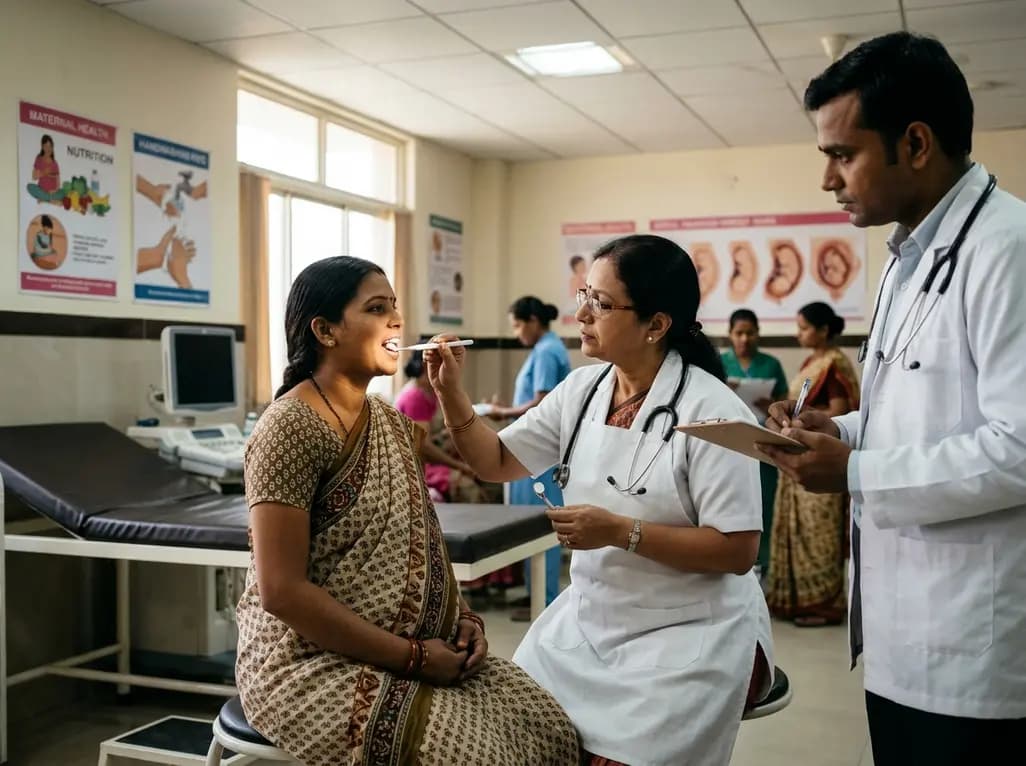
A recent survey reveals significant gaps in antenatal providers' adherence to pregnancy oral health guidelines despite positive attitudes. Integrating regular oral screenings, clinician education, and interprofessional dental referrals during prenatal care is crucial to prevent adverse pregnancy outcomes.
Today
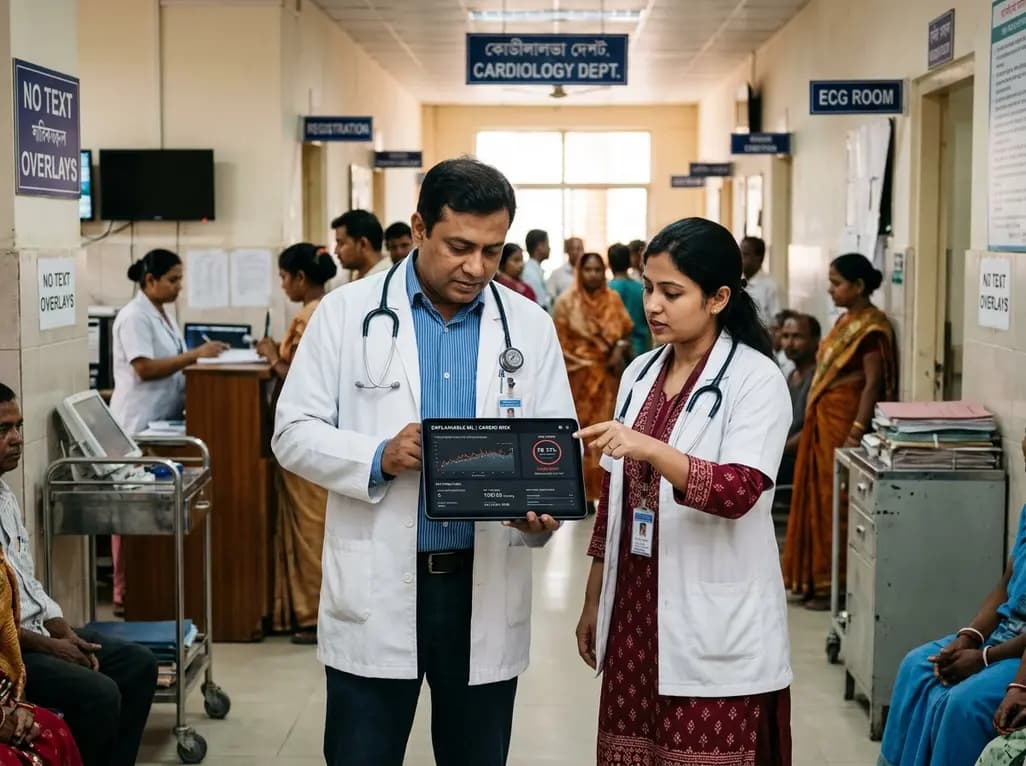
A cross-sectional study in Bangladesh demonstrates that an explainable stacking ensemble machine learning model achieves 98.37% accuracy in cardiovascular disease detection. Using local clinical and behavioral data, the model highlights cholesterol, rhythm abnormalities, and blood pressure as leading predictors.
Today
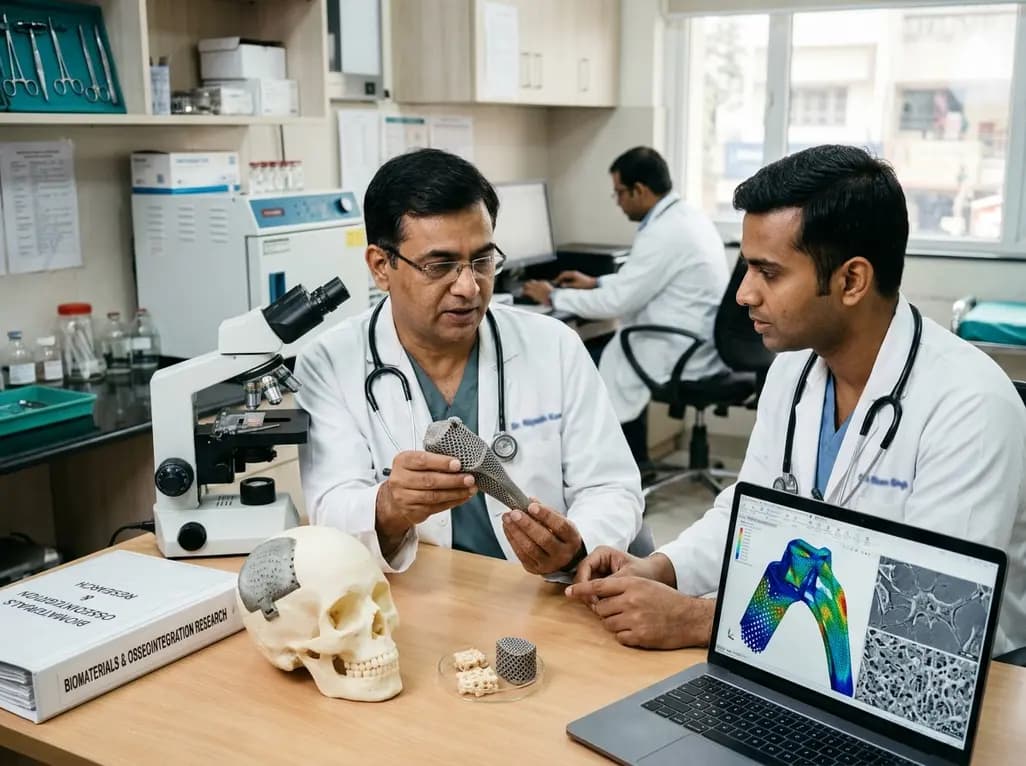
Laser-based powder bed fusion of Ti6Al4V enables custom orthopedic implants. Recent research reveals that heat treatment modulates ductility and wettability, while surface powder morphology drives mesenchymal cell attachment, highlighting crucial design factors for long-term osseointegration.
Today
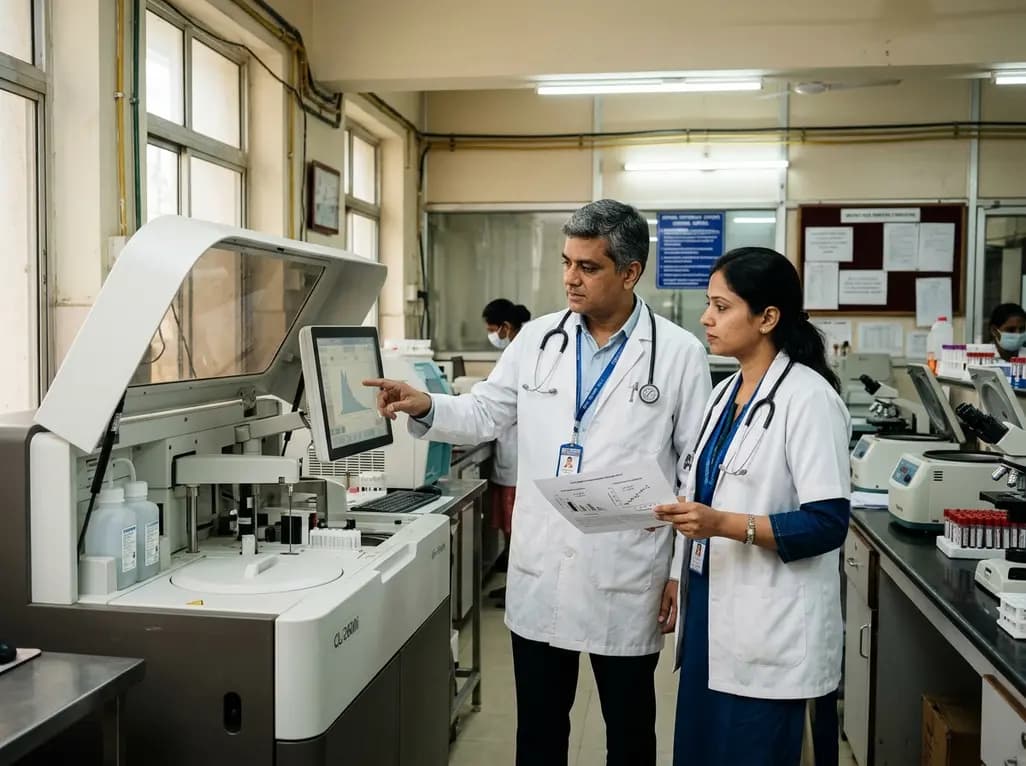
A multicenter study evaluated the CL-2600i immunochemistry analyzer across 640 serum samples, testing endocrinology, infectious disease serology, sepsis markers, and fertility panels. The system demonstrated high analytical trueness, repeatable results with CVs under 5%, and strong correlation with routine platforms.
Today
