.webp&w=384&q=75)

Loading, please wait...
Loading, please wait...
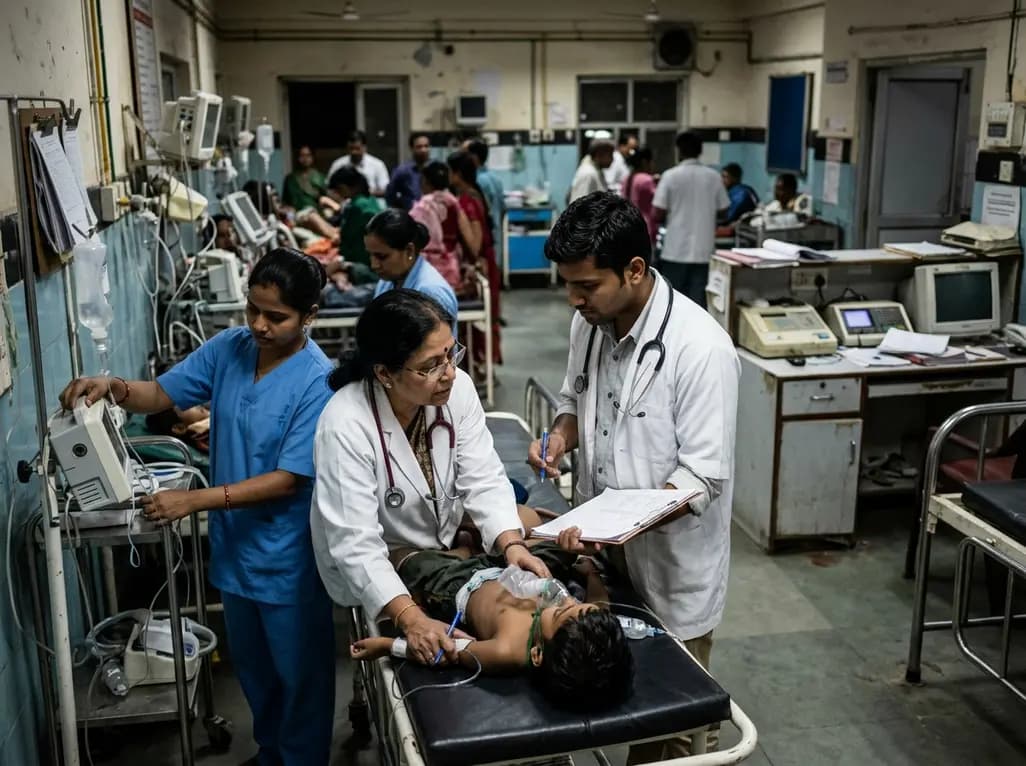
In modern healthcare facilities, practitioners frequently rely on electronic health records and automated clinical templates to guide daily workflow. However, acute medical crises regularly challenge these rigid digital pathways, demonstrating that diagnostic accuracy requires deep cognitive flexibility. The recent deployment reflection from Pacific Partnership highlights how practicing in an austere environment strips away digital crutches, forcing healthcare workers to sharpen their hands-on instincts. When clinicians manage acute emergencies like pediatric sepsis triage in remote clinics, diagnostic certainty relies on bedside acumen rather than electronic checklists. Consequently, clinicians must develop keen observational habits, nuanced physical assessment skills, and collaborative trust to identify subtle physiological deterioration before catastrophic decompensation occurs.
Electronic health record templates provide structured workflows and standard documentation, but they can inadvertently encourage passive clinical thinking. Healthcare providers often find themselves clicking through pre-populated fields instead of actively observing subtle physiological variations. While standardized screening tools offer useful institutional safeguards, rigid scoring criteria frequently fail to capture early compensatory shock in infants and young children. Therefore, excessive reliance on static templates creates a false sense of security during high-stakes evaluations.
In contrast, unstructured clinical evaluations demand continuous cognitive synthesis and active sensory engagement. A clinician cannot simply wait for automated electronic alerts to flag systemic hypoperfusion or early respiratory fatigue. When digital aids disappear, practitioners must directly interpret the intricate interplay of vital signs, skin perfusion, and mental status. Furthermore, templates frequently miss atypical presentations because dynamic disease processes do not adhere to linear flowcharts. Experienced practitioners recognize that software algorithms should support rather than replace human clinical judgment. By understanding the inherent limitations of electronic decision support, healthcare teams can avoid diagnostic delays and retain their adaptive problem-solving skills across diverse clinical environments.
Recognizing early septic shock in pediatric patients requires an advanced clinical gestalt because physiological compensation effectively conceals early hemodynamic collapse. Young children maintain normal systolic blood pressure until profound circulatory failure occurs; thus, waiting for hypotension causes dangerous therapeutic delays. Effective pediatric sepsis triage depends on synthesizing visual inspection, peripheral perfusion metrics, and subtle neurobehavioral changes within seconds of patient arrival. Clinicians must rapidly evaluate capillary refill time, skin temperature gradients, pulse quality, and respiratory effort.
Additionally, seasoned healthcare providers carefully evaluate qualitative clinical features, including parental concern, eye contact, tone, and consolability. These bedside parameters provide crucial diagnostic clues long before laboratory biomarkers such as blood lactate or arterial blood gases return from the laboratory. When clinicians cultivate rapid pattern recognition, they detect occult hypoperfusion even when basic vital sign monitors report deceptively reassuring numbers. Consequently, structured observational routines enable rapid therapeutic interventions, including timely vascular access, fluid resuscitation, and empirical antimicrobial administration. Developing this intuitive gestalt requires dedicated bedside practice, undifferentiated patient exposure, and continuous critical reflection.
Practicing in austere environments highlights the stark operational differences between well-resourced tertiary medical centers and remote field clinics. Without continuous automated monitors, point-of-care ultrasound, or rapid diagnostic laboratory testing, medical personnel must rely entirely on core physical examination skills. Palpation of central versus peripheral pulses, manual blood pressure auscultation, and detailed lung examination serve as primary diagnostic modalities. Therefore, clinicians working in low-resource settings learn to optimize simple, highly reliable clinical parameters to make rapid, life-saving decisions under severe physical constraints.
Moreover, resource-limited practice cultivates exceptional diagnostic resilience and promotes prioritized clinical management. Healthcare workers must balance finite medical supplies, including intravenous fluids, oxygen delivery systems, and broad-spectrum antimicrobial agents. In these austere settings, every therapeutic choice carries substantial clinical significance, requiring practitioners to weigh potential treatment benefits against logistical realities. Consequently, medical teams triage patients strictly by physiological acuity rather than institutional documentation mandates. This austere experience reinforces fundamental clinical principles, cutting away unnecessary testing and focusing clinician attention directly on real-time bedside hemodynamics.
Successful resuscitation in acute clinical settings depends on effective interprofessional teamwork and transparent communication channels. In high-pressure environments, traditional medical hierarchies must dissolve to permit rapid information sharing between physicians, nurse practitioners, and nursing staff. Inter-service collaboration unites diverse educational backgrounds, enabling multidisciplinary teams to cross-verify physical findings and optimize therapeutic plans rapidly. Consequently, shared mental models prevent diagnostic tunnel vision when managing deteriorating patients.
Furthermore, structured closed-loop communication ensures that urgent clinical orders, such as fluid bolus administration or airway interventions, execute without misunderstanding. When healthcare providers articulate their clinical gestalt openly, team members can offer complementary perspectives and identify evolving warning signs early. Additionally, interprofessional debriefing following complex resuscitations fosters continuous collective learning and mutual psychological support. By promoting active respect across healthcare professions, clinical units establish an enduring culture of clinical safety. Ultimately, synchronized teamwork transforms individual practitioner acumen into coordinated, high-performance patient care that directly improves clinical outcomes.
The core clinical lessons derived from austere mission environments offer valuable insights for routine practice within modern hospital systems. While sophisticated diagnostic technology enhances medical precision, healthcare workers must never abandon their primary bedside physical assessment skills. When clinicians consistently nurture their clinical gestalt, they become far less vulnerable to electronic system outages, software malfunctions, and monitor alarm fatigue. Therefore, incorporating austere medical principles into residency and advanced nursing curricula reinforces foundational clinical competence across all levels of care.
Moreover, modern healthcare institutions should encourage clinicians to treat electronic templates as supplementary guides rather than absolute clinical pathways. By maintaining an inquisitive, hands-on approach to patient evaluation, clinicians can readily detect atypical disease presentations that computerized algorithms routinely overlook. In addition, practicing in resource-constrained environments teaches healthcare providers to become thoughtful stewards of clinical resources. Practitioners learn to request confirmatory diagnostic tests deliberately rather than ordering broad diagnostic panels reflexively. Ultimately, combining rigorous bedside judgment with modern diagnostic technology creates an adaptable healthcare workforce capable of delivering exceptional patient care in any setting.
Clinical gestalt represents an intuitive cognitive synthesis developed through clinical experience, continuous observation, and rapid pattern recognition. Rather than relying solely on isolated vital sign thresholds, clinicians evaluate overall appearance, work of breathing, peripheral perfusion, and neurological interaction concurrently. This rapid subconscious assessment enables healthcare providers to recognize severe physiological distress promptly and initiate time-sensitive resuscitation long before confirmatory laboratory tests or diagnostic imaging become available.
Clinicians identify early pediatric sepsis without laboratory resources by systematically evaluating bedside hemodynamic and physical markers. Critical diagnostic indicators include delayed capillary refill time, significant core-to-peripheral temperature discrepancies, thready peripheral pulses, tachypnea, and unexplained tachycardia. Furthermore, subtle neurobehavioral changes such as abnormal lethargy, weak cry, poor suck, and intense maternal concern provide critical diagnostic confirmation, prompting urgent fluid resuscitation and immediate empirical antibiotic therapy.
Over-reliance on electronic medical record templates fosters cognitive passivity and checklist bias during acute assessments. Standardized templates force complex, dynamic clinical presentations into rigid binary checkboxes, which often fail to capture subtle physiological compensation in children. Consequently, clinicians who depend excessively on automated alerts risk overlooking atypical presentations of shock, delaying life-saving therapeutic interventions that require proactive bedside examination, nuanced pattern recognition, and adaptive decision-making.
Disclaimer: This content is for informational and educational purposes only and should not be used as a substitute for professional medical advice, diagnosis, or treatment. Always seek the advice of your physician or other qualified health provider with any questions you may have regarding a medical condition. Refer to the latest local and national guidelines for clinical practice.
References

Read summarized clinical updates, watch expert medical content, and earn CME certifications right from your smartphone.
Open your smartphone camera to scan and install.





This reflection examines how practicing in austere, resource-limited environments strengthens bedside clinical judgment and pediatric sepsis triage, illustrating why intuitive diagnostic acumen and interprofessional teamwork remain superior to rigid electronic templates in acute medical emergencies.
last month

A comprehensive integrative multi-omic study combines NHANES epidemiology, Mendelian Randomization, and transcriptomic analysis to uncover complex causal associations, metabolic pathways, and novel machine learning diagnostic biomarkers linking gastric cancer and diabetes.
Today
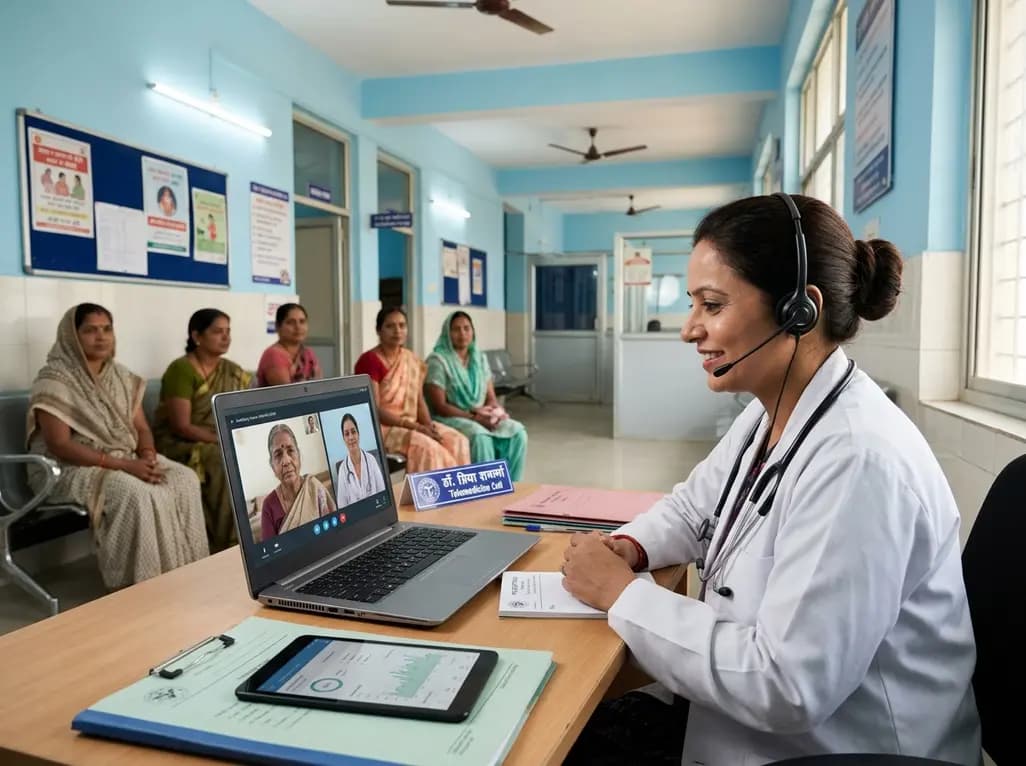
India's national digital health service achieved a historic milestone of fifty crore virtual consultations. Notably, female patients account for over fifty-seven percent of utilisation, demonstrating improved healthcare accessibility for remote communities, chronic disease management, and primary triage.
Today
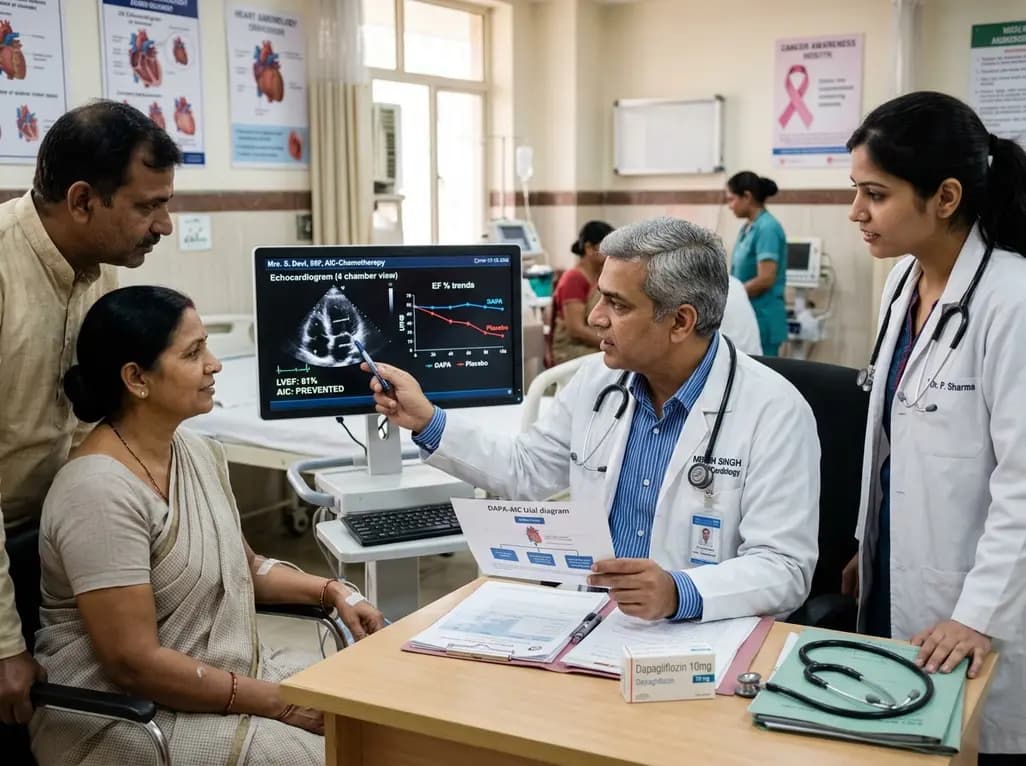
The phase II DAPA-AIC trial demonstrates that dapagliflozin 10 mg daily significantly preserves left ventricular ejection fraction compared to placebo over four months in adults undergoing anthracycline chemotherapy, highlighting a potential preventive strategy in cardio-oncology.
Today
A scoping review reveals severe gaps in long-term assistive technology provision following humanitarian emergencies. Addressing post-disaster rehabilitation requires systematic follow-up, workforce training, and integration into national health systems to sustain mobility and recovery.
Today
An interim propensity score-matched study comparing SASI vs OAGB demonstrates equivalent short- and mid-term outcomes. Both bariatric procedures achieved substantial excess weight loss and 100% medication-free blood glucose control at 18 months, underscoring the metabolic efficacy of both techniques.
Today
