

Loading, please wait...
Loading, please wait...

Modern healthcare systems face mounting challenges in delivering continuous, high-quality inpatient pediatric care. Hospitalized children require vigilant medical oversight, prompt clinical decision-making, and empathetic communication. However, inpatient departments currently encounter significant physician staffing shortages and escalating patient volumes. In response to these operational hurdles, hospitals increasingly utilize pediatric hospital medicine APPs to reinforce clinical coverage and optimize patient outcomes. Advanced practice providers, including acute care pediatric nurse practitioners and physician associates, deliver essential clinical capabilities across acute care wards. Nevertheless, successful workforce integration requires clear administrative leadership, standardized onboarding pathways, and transparent definitions of clinical scope. Establishing structured operational models ensures that healthcare institutions maintain exceptional patient care while protecting medical staff from catastrophic professional burnout.
Inpatient pediatric units currently operate under intense operational strain. Clinical acuity among hospitalized children continues to rise, requiring intensive diagnostic and therapeutic interventions. Simultaneously, revisions to graduate medical education training guidelines significantly restrict resident duty hours. Consequently, academic medical centers can no longer rely solely on resident physicians to maintain around-the-clock ward coverage. This shifting landscape creates immediate coverage vulnerabilities during nights, weekends, and seasonal surges.
Furthermore, persistent clinical demands accelerate occupational exhaustion among senior pediatricians. When attending physicians shoulder excessive administrative duties and continuous direct clinical loads, severe burnout inevitably follows. Therefore, hospital administrators increasingly recognize that traditional staffing models cannot sustain long-term operational success. Integrating advanced practice providers directly addresses these acute coverage gaps. Collaborative care models distribute clinical workloads more evenly. Ultimately, this strategic realignment preserves physician well-being, supports resident education, and ensures seamless, high-quality medical management for hospitalized pediatric patients.
Physicians often misunderstand the diverse educational backgrounds of advanced practice providers. For instance, pediatric nurse practitioners complete graduate nursing curricula emphasizing clinical diagnostic reasoning, pharmacology, and family-centered disease prevention. In contrast, physician associates undergo rigorous medical-model training that mirrors general physician education. Because their baseline clinical preparations differ, clinical directors must avoid generic, one-size-fits-all clinical role assignments.
Additionally, regulatory frameworks and credentialing policies dictate permissible procedural and prescribing boundaries. Department leaders must therefore evaluate specific state licensure standards and institutional medical staff bylaws before delegating inpatient duties. Standardizing clinical privileges prevents ambiguity and bolsters confidence. When leaders outline admission criteria, ward rounds, and discharge protocols, providers operate efficiently. Consequently, delineating explicit boundaries eliminates role ambiguity, protects clinical standards, and fosters professional mutual respect across multidisciplinary inpatient medical teams.
Successful hospital integration requires a deliberate, structured orientation curriculum rather than immediate, unsupported clinical deployment. Initially, new providers benefit from didactic modules covering acute pediatric emergencies, fluid resuscitation, and antimicrobial stewardship. Moreover, hospitals should implement formal simulation training to reinforce high-stakes resuscitation competencies and complex procedural proficiencies in safe learning environments.
In addition, institutions must adopt tiered supervision models that facilitate progressive clinical autonomy. During early orientation, experienced attending pediatricians directly proctor daily clinical rounding. As providers demonstrate diagnostic accuracy and clinical competence, supervising physicians gradually transition toward indirect consultative oversight. Furthermore, scheduled milestone evaluations provide actionable feedback, identifying specific learning needs before independent practice begins. Consequently, this rigorous onboarding accelerates clinical competency, enhances provider self-efficacy, and safeguards vulnerable pediatric patients.
High-reliability pediatric inpatient care depends heavily on seamless communication between attending physicians, residents, bedside nurses, and advanced practice providers. Ambiguity regarding roles breeds friction and operational bottlenecks. Therefore, departments must establish standardized daily communication routines, such as multidisciplinary bedside rounds and shared huddles.
Furthermore, clinical teams must define clear escalation algorithms for deteriorating pediatric patients. When vital signs deteriorate, providers must know precisely when to notify senior pediatric hospitalists. Shared electronic health record documentation templates and joint clinical handoffs further streamline information exchange. Similarly, fostering an inclusive departmental culture that invites mid-level providers to participate in clinical case reviews promotes mutual trust. Ultimately, prioritizing mutual respect and transparent dialogue reduces clinical errors and elevates overall pediatric patient safety.
Attracting qualified clinicians to pediatric hospital medicine represents only the initial step; sustaining long-term retention requires deliberate institutional investment. Without professional progression, mid-level providers experience career stagnation and turnover. Therefore, clinical leaders should establish longitudinal mentorship programs that pair junior clinicians with experienced faculty mentors.
Additionally, healthcare organizations must support protected non-clinical time for ongoing professional development. Providers should actively engage in hospital quality improvement initiatives, antibiotic stewardship programs, and pediatric clinical research. Clinical ladder programs provide tangible incentives for clinical excellence, procedural mastery, and leadership. Moreover, hospital administrators must regularly evaluate shift scheduling, night-call distributions, and clinical workloads to mitigate emotional exhaustion. Consequently, structured professional pathways cultivate institutional loyalty, stabilize inpatient staffing, and drive continuous clinical quality improvement.
While structured advanced practice frameworks originated primarily in North American hospitals, their underlying principles carry significant relevance for global healthcare systems. Across international health systems, tertiary hospitals confront pediatric workforce shortages and specialist burnout. Similarly, modern regulatory initiatives establishing specialized physician associate and pediatric nursing frameworks highlight widespread adoption of collaborative care models.
However, successful adoption requires strict adherence to institutional safety standards and national regulatory statutes. Hospital administrators must align clinical privileges with statutory scopes of practice, ensuring accessible supervision. Furthermore, implementing clear operational handoffs, standardized clinical protocols, and regular interprofessional audits ensures optimal clinical outcomes regardless of geographic location. Ultimately, structured collaborative staffing models enable health systems to expand pediatric capacity, improve access, and deliver resilient hospital care.
Several interconnected factors accelerate the adoption of advanced practice providers in inpatient settings. First, escalating patient acuity and inpatient census demand expanded clinical coverage. Second, revisions in resident duty hours restrict trainee availability, creating acute operational staffing gaps. In addition, persistent clinical demands drive physician burnout across inpatient units. Consequently, healthcare organizations recruit nurse practitioners and physician associates to stabilize coverage, sustain clinical workflows, and maintain compassionate, high-quality pediatric inpatient delivery.
Clinical leadership can delineate scope of practice by establishing transparent, tiered clinical competencies tailored to pediatric inpatient care. Initially, department chairs must define specific procedural skills, admission privileges, and escalation thresholds. Furthermore, institutions should align job descriptions with national regulatory mandates and state licensing frameworks. Regular interprofessional meetings clarify clinical expectations between supervising physicians and mid-level providers. Consequently, this structured role clarity optimizes clinical autonomy while ensuring robust patient safety and high-reliability teamwork.
Successful retention demands structured, longitudinal mentorship pairings between senior physicians and newly integrated advanced practice providers. Initially, mentors must facilitate biweekly case reviews, procedural proctoring, and clinical debriefing sessions. Additionally, departments should create dedicated pathways for continuous professional education, quality improvement projects, and leadership development. Because clinical burnout frequently threatens retention, hospital leadership must actively monitor workloads and provide psychological support. Therefore, consistent institutional backing fosters professional satisfaction and stabilizes long-term inpatient staffing.
Disclaimer: This content is for informational and educational purposes only... Refer to the latest local and national guidelines for clinical practice.
References
Potts BK et al. Advanced practice provider integration into the pediatric hospital medicine workforce. J Hosp Med. 2026 Nov 03. doi: 10.1002/jhm.70532. PMID: 42973445.
Potts BK, Pelletier JH, Rawdon L, Forbes ML. Short stay unit led by pediatric hospital medicine advanced practice providers. J Hosp Med. 2024;19(2):83-91.
Indian Nursing Council. Nurse Practitioner in Pediatric Nursing (NPPN) - Postgraduate Residency Program Regulations, 2024. Gazette of India; 2025.
National Commission for Allied and Healthcare Professions. Competency-Based Curriculum for Physician Associates. Ministry of Health and Family Welfare, Government of India; 2025.

Read summarized clinical updates, watch expert medical content, and earn CME certifications right from your smartphone.
Open your smartphone camera to scan and install.





A structured framework outlines how inpatient teams can integrate pediatric hospital medicine APPs. By standardizing onboarding, defining clinical scope, and fostering interprofessional collaboration, hospital leaders can expand clinical capacity, maintain high-quality care, and mitigate physician burnout.
Today
The PhenX Toolkit offers over 1,000 consensus-based protocols to standardize phenotypes and environmental exposures. This open-access resource enhances scientific rigor, supports cross-study data pooling, and integrates with platforms like REDCap to empower biomedical researchers worldwide.
Today

A major ABCD study analysis reveals that prenatal co-exposure to cannabis and tobacco significantly impairs fluid cognitive abilities in middle childhood, whereas crystallized intelligence remains unaffected. The findings highlight urgent needs for targeted antenatal screening and intervention.
Today
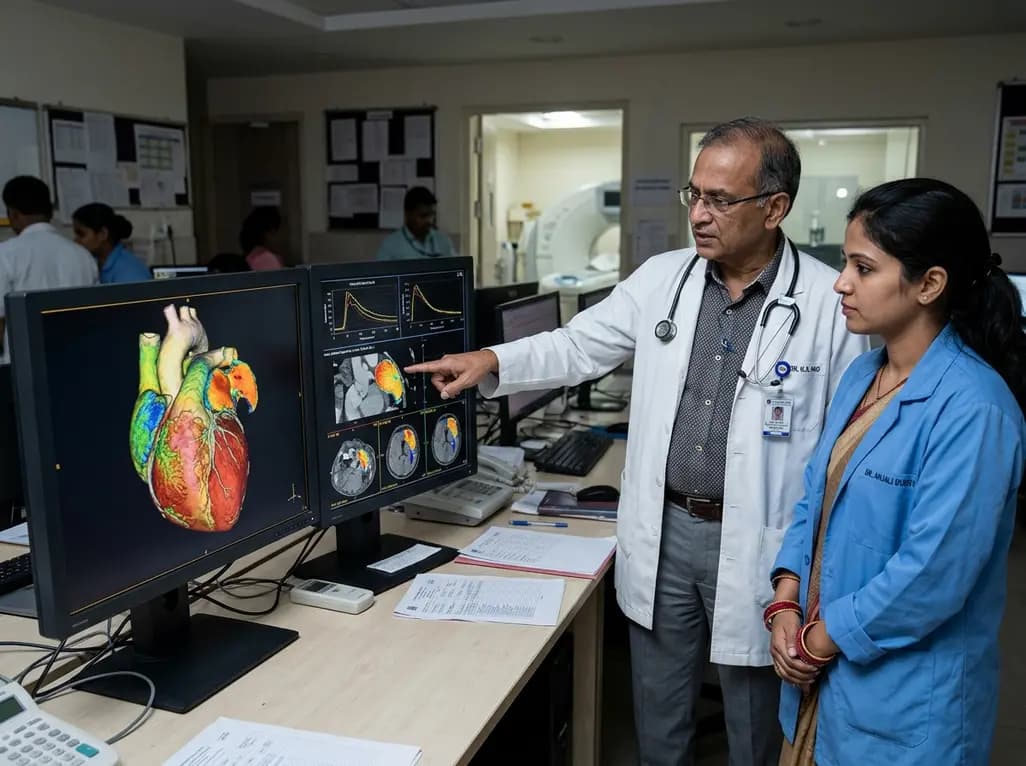
Dynamic contrast 4DCT enables precise mapping of left atrial appendage blood transport in atrial fibrillation. By quantifying regional stasis, wash-in kinetics, and residence time, this imaging advance offers clinician-tailored thromboembolic risk stratification beyond standard clinical scores.
Today

Deciding the optimal interval for staged bilateral hip arthroscopy in femoroacetabular impingement syndrome requires weighing the risks of rapid intervention against delayed joint degeneration. Shared decision-making balances functional rehabilitation milestones with bilateral symptom progression.
Today

India is poised to transform chronic disease management through wearable health technology. Discover how continuous remote monitoring and predictive algorithms empower clinicians to detect early cardiovascular signals, personalize metabolic interventions, and deliver equitable preventive care across populations.
Today
