.webp&w=384&q=75)

Loading, please wait...
Loading, please wait...

In many low- and middle-income countries, informal healthcare providers serve as the primary point of contact for families seeking medical attention for their children. A recent qualitative study conducted in Bangladesh offers critical insights into the motivations behind this preference. By interviewing parents of children under five, researchers identified that geographic proximity and financial affordability are the most significant drivers of this behavior. Moreover, the deep-seated trust and familiarity parents have with these local providers often outweigh the perceived benefits of formal medical facilities.
While these providers offer immediate access, their practices frequently deviate from evidence-based standards. For instance, the study noted that many parents lacked a clear understanding of the correct treatment protocols for pediatric diarrhea. Consequently, informal healthcare providers may prioritize immediate symptom relief over long-term clinical outcomes. This reliance can inadvertently undermine essential formal healthcare visits and necessary follow-up care. Furthermore, evidence from the region suggests that a significant percentage of antibiotic dispensing in these settings occurs without a valid prescription, contributing to the rising challenge of antimicrobial resistance.
Strengthening the pediatric health landscape requires a multifaceted approach. Health educators must implement targeted programs to improve parental awareness and decision-making capabilities. Simultaneously, the formal healthcare system needs to address accessibility barriers and actively work on rebuilding trust within the community. By doing so, clinicians can ensure that children receive the evidence-based care required for their long-term health and development.
Parents often choose informal providers due to their geographic proximity, flexible hours, and lower costs. Additionally, the personal trust and familiarity built within the community make them a more approachable first choice compared to the often intimidating formal healthcare environment.
The primary risks include the administration of inappropriate treatments, such as unnecessary antibiotics for viral diarrhea, and the lack of standardized follow-up care. These practices can delay the diagnosis of serious conditions and contribute to global health issues like antibiotic resistance.
Disclaimer: This content is for informational and educational purposes only and does not constitute medical advice. Always seek the advice of a qualified healthcare provider with any questions you may have regarding a medical condition. Refer to the latest local and national guidelines for clinical practice.
References
1. Mangadu A et al. Why Do Parents Take Their Children to Informal Healthcare Providers? Insights from Bangladesh. Am J Trop Med Hyg. 2026 Feb 12. doi: undefined. PMID: 41678826.
2. Kamath S et al. Informal healthcare providers in India: Illegal and indispensable. Indian J Public Health Res Dev. 2018;9(10):35-38.
3. Sudhinaraset M et al. The Quality of Care Delivered by Pharmacies and Drug Stores in Low- and Middle-Income Countries: A Systematic Review. PLoS ONE. 2013;8(6):e65454.

Read summarized clinical updates, watch expert medical content, and earn CME certifications right from your smartphone.
Open your smartphone camera to scan and install.





A qualitative study explores why parents in Bangladesh seek pediatric care from informal providers, highlighting barriers like accessibility and trust....
8 months ago

Failing to account for competing events like mortality in longitudinal geriatric studies produces biased risk estimates and misleading inferences. This review highlights key methodological principles, insights from the Precipitating Events Project, and practical approaches for clinical research appraisal.
Today

A study in JAMIA Open shows lightweight open-source reasoning LLMs achieve up to 95% sensitivity and accelerate evidence synthesis screening by nearly twentyfold, presenting a cost-effective, scalable AI solution for biomedical research and systematic reviews.
Today
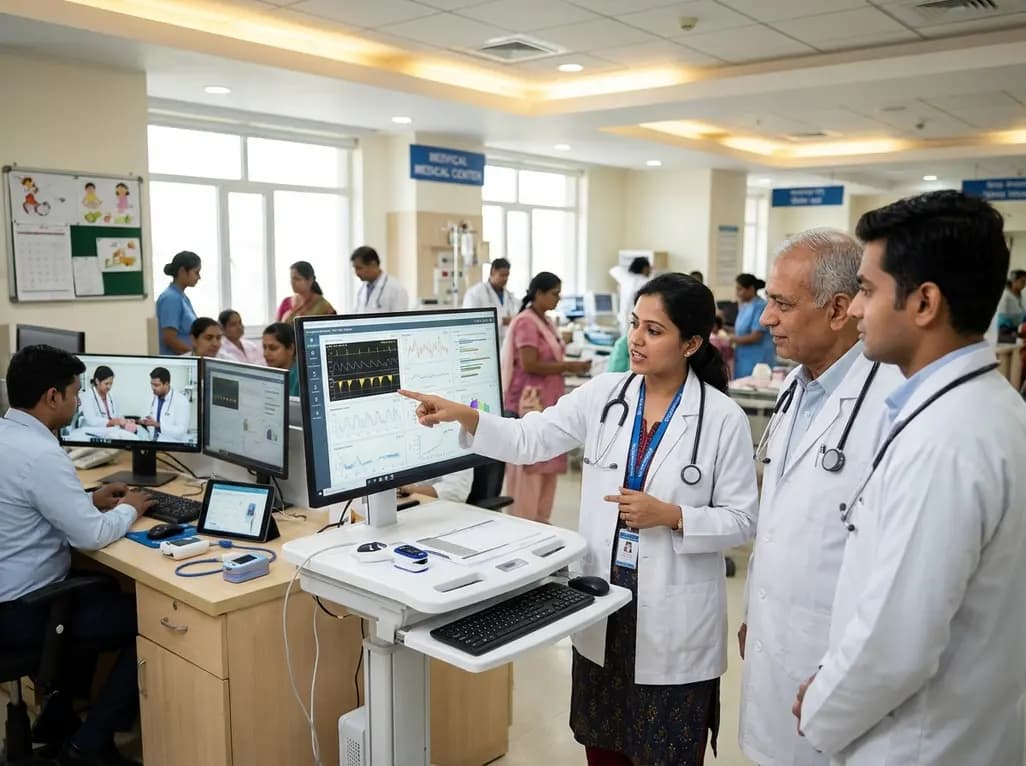
A landmark study details how an enterprise pediatric remote patient management model expanded from a single cardiology pilot to 16 diverse specialty programs by combining centralized digital operations with specialty clinical leadership.
Today
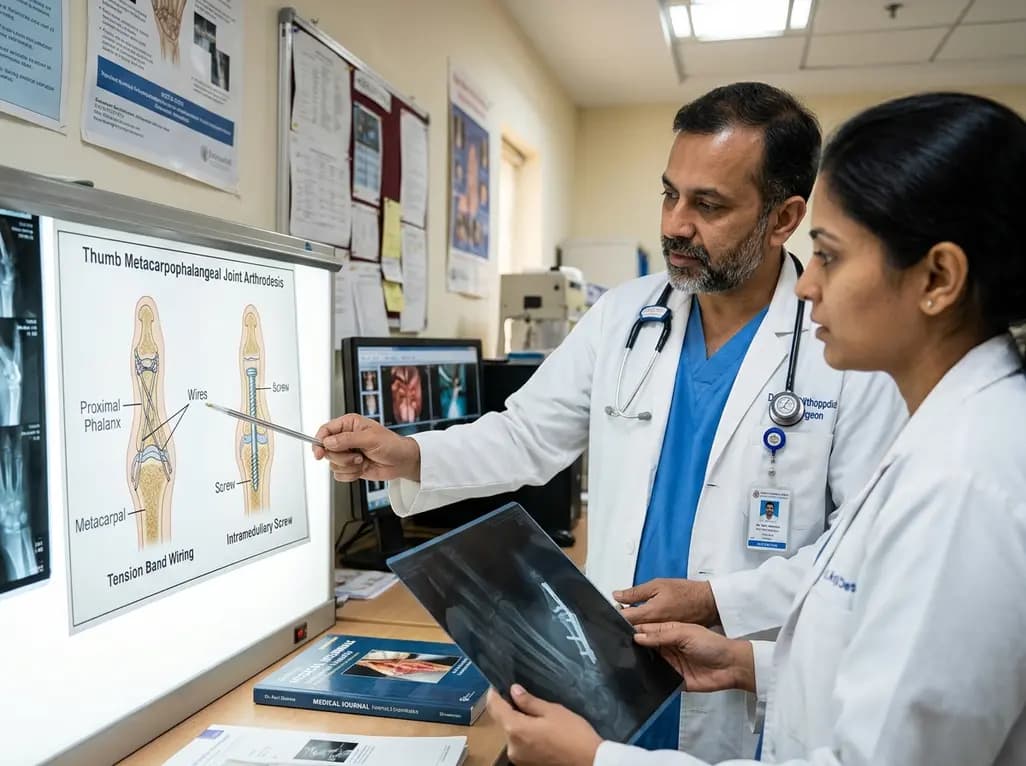
A comparative review of tension band wiring and intramedullary screw fixation in thumb metacarpophalangeal arthrodesis, evaluating union rates, hardware complications, and clinical outcomes.
Yesterday
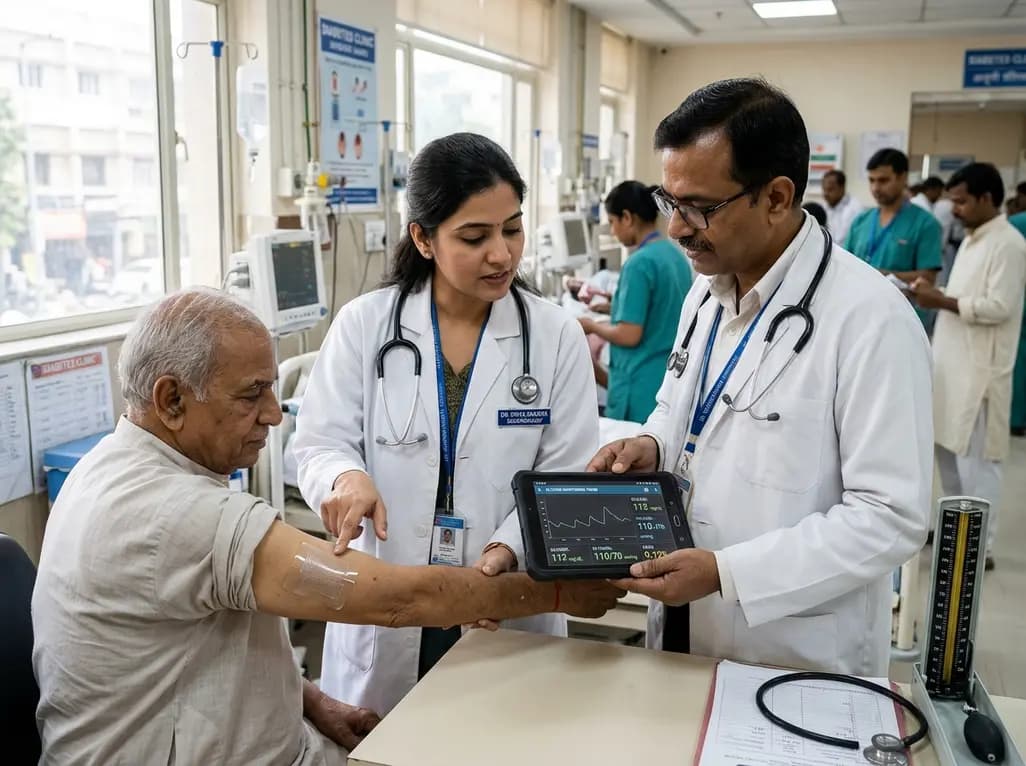
A breakthrough ultrathin multimodal sensor decouples physical hemodynamic monitoring from disposable electrochemical calibration, achieving long-term wearable glucose prediction with 81.36% accuracy and a 9.12% MARD. This offers a robust, drift-free solution for outpatient metabolic surveillance.
Today
