.webp&w=384&q=75)

Loading, please wait...
Loading, please wait...

Surgeons are increasingly adopting Pediatric Bone Cancer Implants to improve clinical outcomes for young patients in India. These innovative devices allow for precise limb length adjustments as the child matures. Traditionally, surgeons struggled with limb length discrepancies after removing cancerous bone portions. However, this technology now prevents significant growth imbalances. Moreover, it preserves essential function and mobility after tumor resection. Consequently, children can maintain a more active lifestyle throughout their development.
Children's bones grow continuously until they reach skeletal maturity. Standard orthopedic implants often fail to accommodate this rapid physiological change. However, growing implants offer a flexible and reliable alternative. Specifically, doctors can extend these devices every few months to keep pace with the healthy limb. Furthermore, this process ensures that the skeletal system remains balanced. Therefore, patients avoid the physical and psychological toll of a permanent limb length discrepancy. Orthopaedic oncologists emphasize that these tools are essential for maintaining long-term quality of life.
Recent medical advancements have introduced sophisticated magnetic mechanism technology. Specifically, these non-invasive Pediatric Bone Cancer Implants use an external remote control for lengthening. Consequently, doctors can expand the implant in an outpatient setting without performing invasive surgery. This breakthrough eliminates the risks associated with general anesthesia and repeated hospitalizations. Additionally, more frequent, smaller expansions mimic physiological growth patterns more closely than traditional surgical methods. Although some older versions still require minor incisions, these remote-controlled tools represent a significant leap in pediatric oncology care.
Q1: At what age do children stop requiring adjustments for growing implants?
Adjustments typically continue until the child reaches skeletal maturity, which usually occurs around 13 to 15 years of age depending on the individual.
Q2: What are the primary advantages of magnetic growing implants over standard versions?
Magnetic implants allow for non-surgical lengthening in a clinic. This reduces infection risks, eliminates surgical pain, and avoids the need for repeated general anesthesia.
Q3: How often do these implants require lengthening?
Doctors usually perform extensions every six months for surgical versions, or more frequently in smaller increments for non-invasive magnetic systems.
Disclaimer: This content is for informational and educational purposes only. It does not constitute medical advice or replace professional judgment. Refer to the latest local and national guidelines for clinical practice.
References

Read summarized clinical updates, watch expert medical content, and earn CME certifications right from your smartphone.
Open your smartphone camera to scan and install.





Growing implants allow limb length adjustments in pediatric bone cancer patients, reducing the need for repeated surgeries and improving long-term mobility....
7 months ago

A landmark multisite study in India reveals that seasonal shifts, geographical location, and gender significantly influence coping strategies in adults with sickle cell disease. Coping scores peaked during winter, highlighting the necessity of integrating seasonal and psychosocial support into comprehensive care.
Today
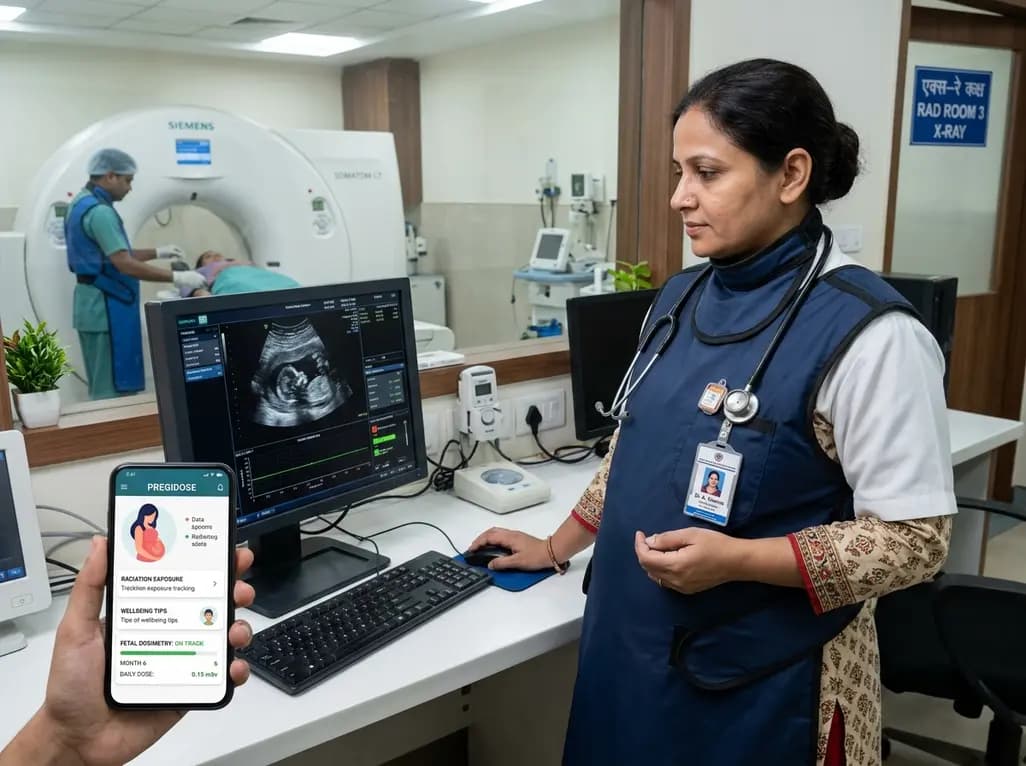
PregiDose is an innovative, user-centred mobile app designed to support pregnant radiographers by enhancing fetal dosimetry, occupational safety education, and psychosocial well-being. It bridges gaps in clinical radiation monitoring and aligns with global healthcare standards.
Today
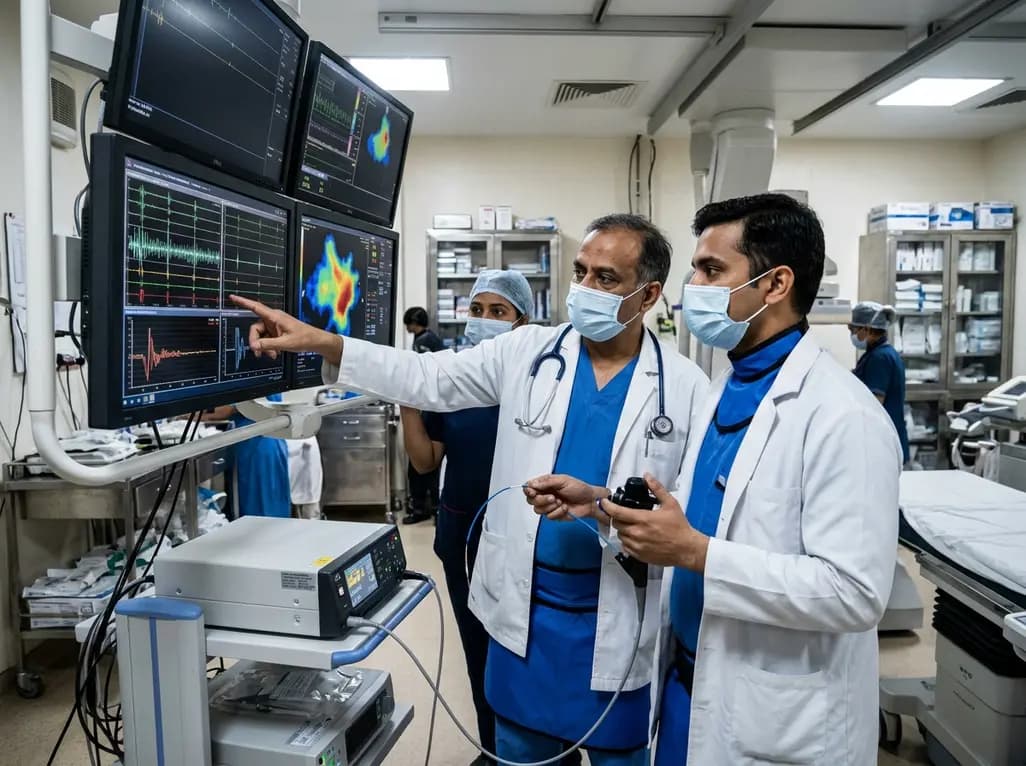
A comparative non-contact study reveals that high-power radiofrequency delivery with the QDOT MICRO catheter induces an artifactual contact force rise. Electrophysiologists must understand this power-dependent thermal and electrical phenomenon to avoid inadvertent catheter withdrawal and ineffective ablation.
Today
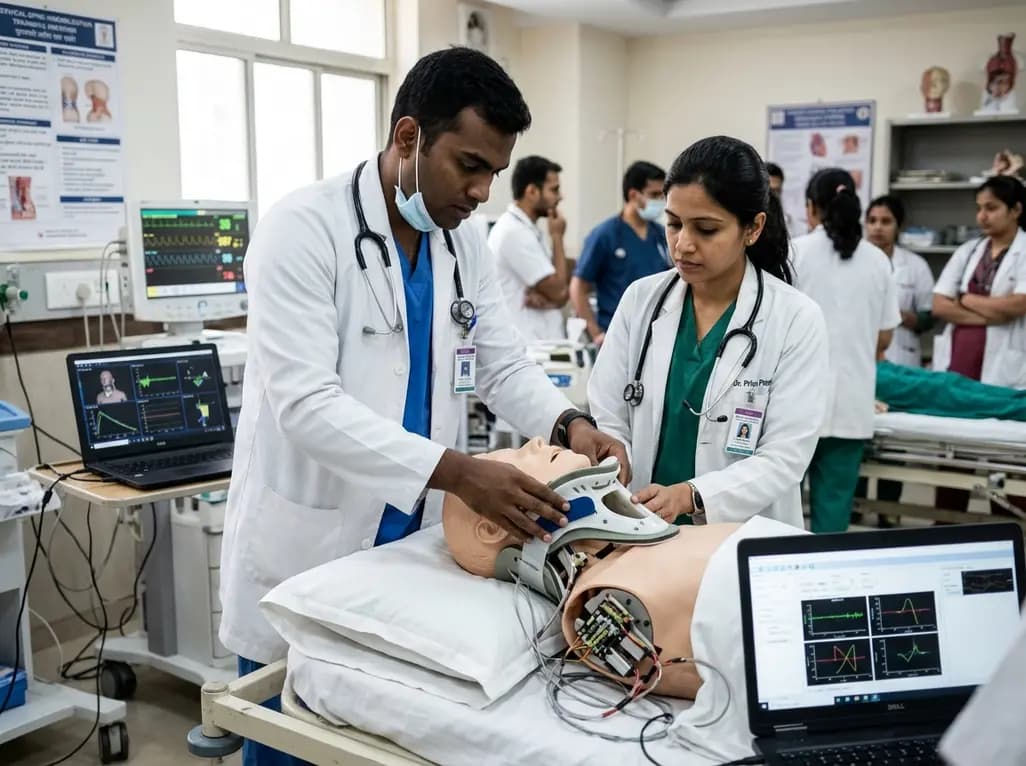
A novel proof-of-concept study presents a six-degree-of-freedom articulated manikin neck equipped with linear potentiometers. The system provides real-time kinematic motion feedback during cervical immobilisation, delivering sub-degree tracking accuracy to improve pre-hospital trauma training and patient safety.
Today

Caffeoylquinic acids, such as chlorogenic acid, offer broad antioxidant, antidiabetic, and anti-inflammatory properties. Advanced plant cell and organ culture methods now enable scalable, sustainable, and pure production of these high-value therapeutic metabolites for pharmaceutical and clinical applications.
Today
