

Loading, please wait...
Loading, please wait...
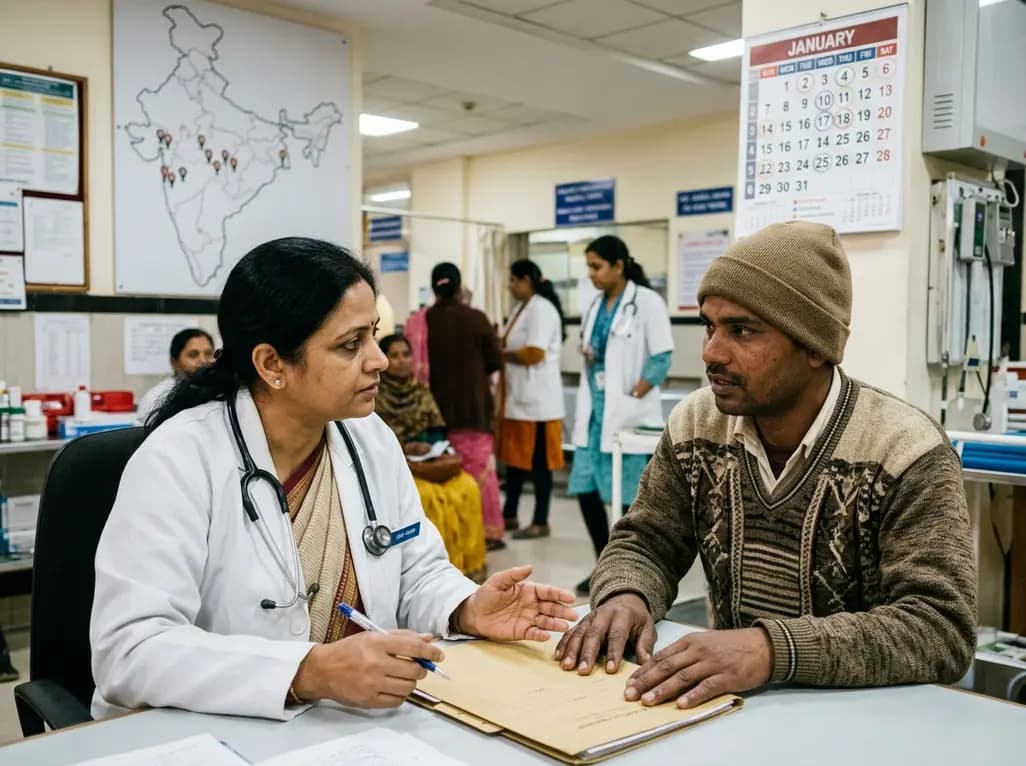
Sickle cell disease presents profound physical and psychological burdens for patients across India. Chronic hemolytic anemia and recurrent vaso-occlusive crises severely undermine patient well-being and daily productivity. Consequently, exploring effective sickle cell coping strategies has become an urgent clinical priority. Patients employ psychological strategies to mitigate excruciating pain and sustain daily functioning. However, medical teams often neglect environmental factors that modulate these behaviors. A comprehensive evaluation of behavioral adaptations across diverse settings provides vital pathways toward personalized hematological care.
Sickle cell disease stems from a structural hemoglobin variant that causes erythrocyte sickling under low oxygen tension. Therefore, microvascular occlusion ensues, triggering severe tissue ischemia and acute pain flares. Furthermore, repeated ischemic damage precipitates progressive end-organ dysfunction and chronic arthropathy. Beyond somatic distress, individuals navigate persistent psychosocial obstacles, including social stigmatization, income disruption, and pervasive emotional strain. To alleviate this overwhelming burden, affected individuals engage diverse behavioral and cognitive coping strategies. Clinicians divide these responses into three primary categories using validated instruments like the Brief COPE inventory. First, problem-focused coping involves active measures, planning, and practical steps to resolve illness-related barriers. Second, emotion-focused coping emphasizes emotional expression, positive reframing, and seeking psychological support from loved ones. Third, avoidant-focused coping relies on denial, distraction, substance use, or disengagement to minimize distress temporarily. While active mechanisms usually foster resilience, avoidant mechanisms can exacerbate poor health outcomes. Consequently, healthcare providers must evaluate coping mechanisms alongside biomedical parameters. Understanding how environmental variables influence these psychological mechanisms helps physicians tailor interventions across diverse outpatient settings.
First, researchers executed a longitudinal repeated-measures study across five diverse districts in India. The investigative team recruited a well-defined cohort of 124 adult patients from an established disease registry. Notably, investigators tracked participants across four consecutive seasons to identify temporal behavioral fluctuations. Trained research staff gathered detailed psychometric assessments using the standardized Brief COPE questionnaire during each visit. In addition, the team recorded exhaustive sociodemographic variables, including age group, gender, annual household income, education, and employment. Furthermore, biostatisticians constructed separate linear mixed-effects models for each coping domain to handle repeated measures effectively. Specifically, these models analyzed problem-focused coping, emotion-focused coping, and avoidant coping as distinct continuous outcomes. The investigators treated geographic study site, season, and sociodemographics as fixed effects in their models. Consequently, this rigorous analytical design minimized confounding bias while isolating true seasonal and geographical differences. Moreover, longitudinal tracking eliminated recall errors that frequently compromise single-point cross-sectional surveys. Therefore, the methodological rigor provides clinicians with an exceptionally clear view of patient adaptation over full calendar cycles. Ultimately, the investigation generated robust empirical insights into how Indian adults manage chronic hematological morbidity across communities.
The linear mixed-effects analyses demonstrated a profound association between calendar seasons and patient behaviors. In fact, season reached extreme statistical significance across all three coping domains with p-values equal to or below 0.001. Most strikingly, adjusted mean scores for all three coping domains peaked during the winter season. Cold ambient temperatures represent a well-documented physiological trigger for acute vaso-occlusive episodes among sickle cell patients. Specifically, cold exposure induces peripheral vasoconstriction, slows microvascular transit times, and accelerates erythrocyte falcification. Consequently, patients face escalating frequencies of excruciating bone crises and functional impairment as winter temperatures plummet. In response, affected individuals intensify all available psychological mechanisms simultaneously to survive the physical crisis. For example, individuals actively organize home care routines and seek early clinical advice to combat winter exacerbations. Simultaneously, they solicit greater emotional solace from family members to endure severe physical anguish. However, patients also exhibit elevated avoidant behaviors when relentless winter pain overwhelms active problem-solving strategies. Therefore, winter constitutes an exceptionally high-risk window that demands heightened clinical vigilance and proactive multidisciplinary care. Furthermore, clinicians must anticipate these seasonal crises by scheduling comprehensive checkups before temperatures drop significantly.
Beyond seasonal influences, geographic location strongly dictated behavioral responses across the five surveyed Indian districts. Indeed, the linear mixed-effects models showed that study site was significantly associated with all three coping domains at p-values below 0.001. District-level disparities in public healthcare infrastructure, transportation accessibility, and community awareness likely drove these geographical variations. For instance, rural districts with scarce emergency hematology services compel individuals to rely on self-reliance or avoidant disengagement. Conversely, regions with specialized hemoglobinopathy centers facilitate structured problem-solving and immediate access to professional counsel. In addition to geography, gender exerted a statistically significant effect on patient coping modalities. Specifically, gender was significantly associated with problem-focused coping (p = 0.015) and emotion-focused coping (p = 0.048). Cultural norms and domestic responsibilities frequently shape how men and women navigate chronic illness in Indian society. As a result, women often cultivate strong domestic support networks, whereas men may lean toward task-oriented medical actions. Interestingly, socioeconomic factors such as age group, annual income, educational attainment, and occupation showed no statistically significant associations. Therefore, healthcare teams must recognize that local geography and gender dynamics override conventional economic classifications.
These multicenter findings carry direct implications for reforming sickle cell care delivery throughout the Indian healthcare ecosystem. Historically, medical protocols focused almost exclusively on pharmacologic management, including hydroxyurea, analgesics, and blood transfusions. While biomedical therapy remains essential, comprehensive management demands the systematic integration of context-sensitive psychosocial support. First, clinicians should implement brief psychometric screening tools, such as the Brief COPE, during routine outpatient consultations. Identifying excessive avoidant coping allows medical teams to intervene before maladaptive behaviors cause delayed presentation during severe crises. Second, health centers must institute pre-winter preparatory programs for all registered sickle cell patients. For example, physicians can optimize preventive medications, verify hydration routines, and dispense cold-weather guidance before winter begins. Third, hematology units must deliver gender-sensitive counseling that addresses the unique barriers faced by male and female patients. Providing community-based peer support groups can empower women while reinforcing adaptive problem-solving skills among men. In addition, rural outreach clinics can bridge geographic disparities by expanding access to pain management resources in remote districts. Ultimately, addressing behavioral coping alongside vascular pathology establishes a genuinely holistic, patient-centred standard of hematological care.
Winter temperatures trigger peripheral vasoconstriction and microvascular stasis, accelerating red blood cell sickling and precipitating frequent vaso-occlusive pain episodes. Consequently, patients experience an acute surge in physical suffering, physical limitation, and psychological distress. To survive this seasonal crisis, affected individuals simultaneously intensify all behavioral mechanisms. They aggressively pursue medical treatment, seek emotional comfort from family, and sometimes rely on mental avoidance when unbearable pain overwhelms active strategies, resulting in peak coping scores.
Gender significantly influences coping strategies because cultural expectations and domestic roles differ markedly between men and women in India. The study revealed significant gender differences in both problem-focused and emotion-focused coping. Women often harness robust interpersonal ties and verbal expression to navigate chronic illness burdens. Conversely, men frequently encounter cultural pressures to project emotional stoicism and pursue pragmatic medical solutions. Clinicians must therefore address these distinct gender-specific needs when designing personalized behavioral interventions.
Surprisingly, statistical modeling revealed that age group, household income, education, and occupation did not significantly alter coping domains. The universal severity of sickle cell pain appears to supersede general socioeconomic distinctions. When excruciating vaso-occlusive crises strike, individuals across all income brackets face identical physiological suffering. Consequently, shared biological distress and regional healthcare access influence coping behaviors far more strongly than economic standing. Therefore, environmental exposures remain the primary drivers of patient coping.
Disclaimer: This content is for informational and educational purposes only... Refer to the latest local and national guidelines for clinical practice.
References

Read summarized clinical updates, watch expert medical content, and earn CME certifications right from your smartphone.
Open your smartphone camera to scan and install.





A landmark multisite study in India reveals that seasonal shifts, geographical location, and gender significantly influence coping strategies in adults with sickle cell disease. Coping scores peaked during winter, highlighting the necessity of integrating seasonal and psychosocial support into comprehensive care.
Today
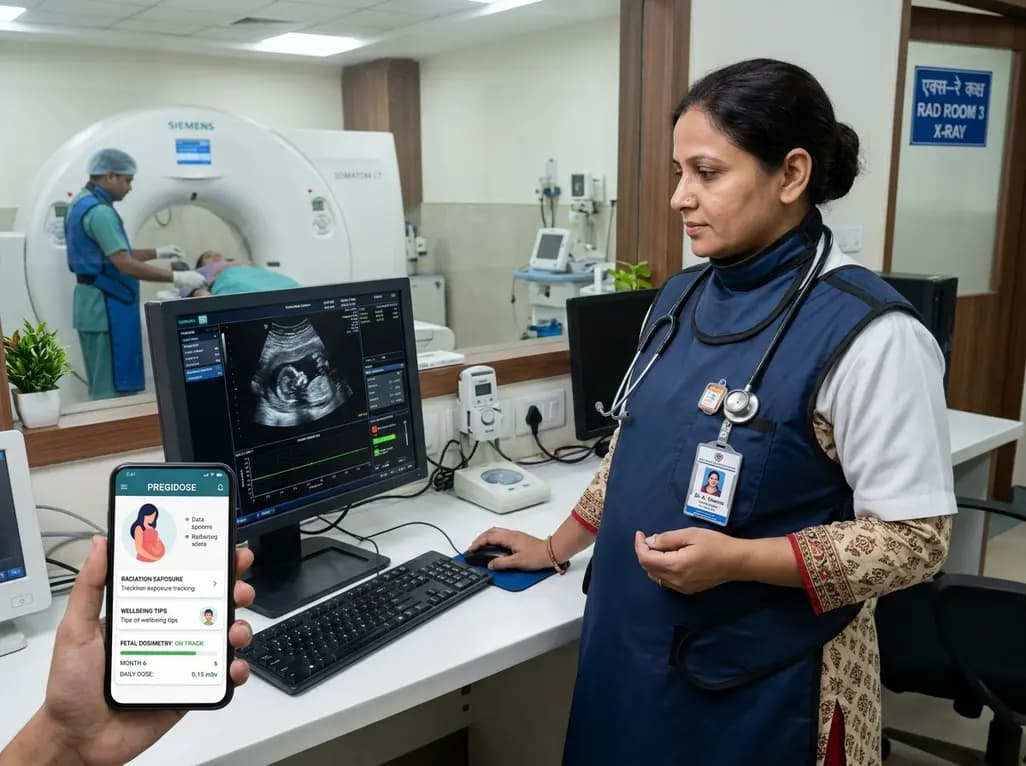
PregiDose is an innovative, user-centred mobile app designed to support pregnant radiographers by enhancing fetal dosimetry, occupational safety education, and psychosocial well-being. It bridges gaps in clinical radiation monitoring and aligns with global healthcare standards.
Today
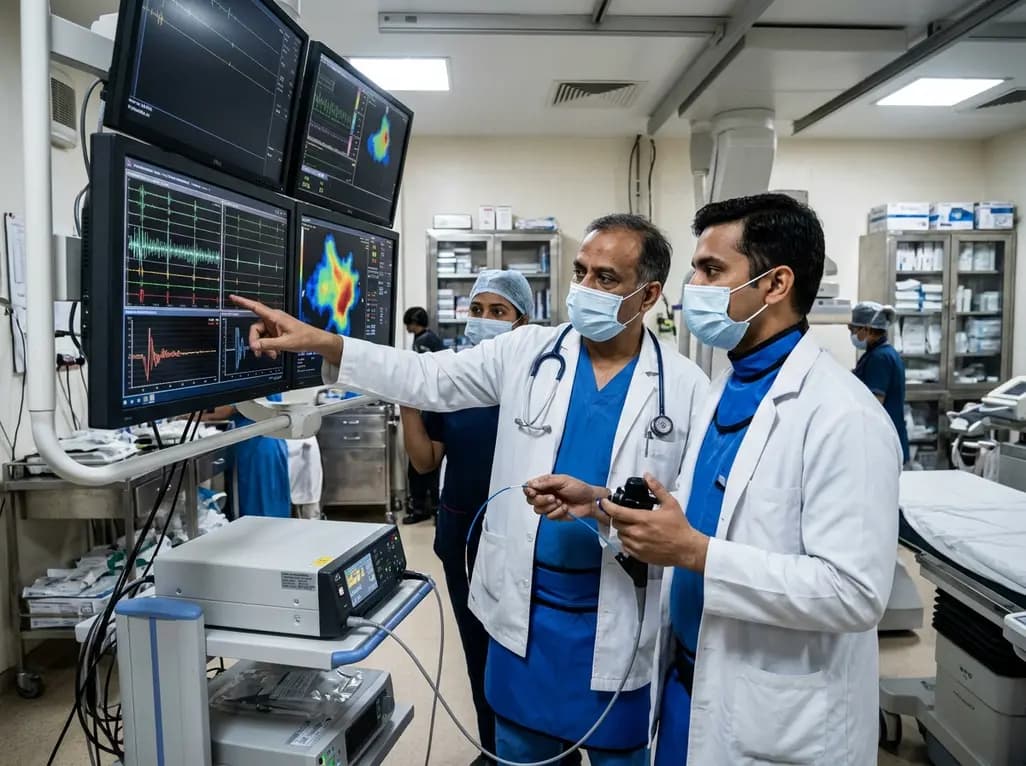
A comparative non-contact study reveals that high-power radiofrequency delivery with the QDOT MICRO catheter induces an artifactual contact force rise. Electrophysiologists must understand this power-dependent thermal and electrical phenomenon to avoid inadvertent catheter withdrawal and ineffective ablation.
Today
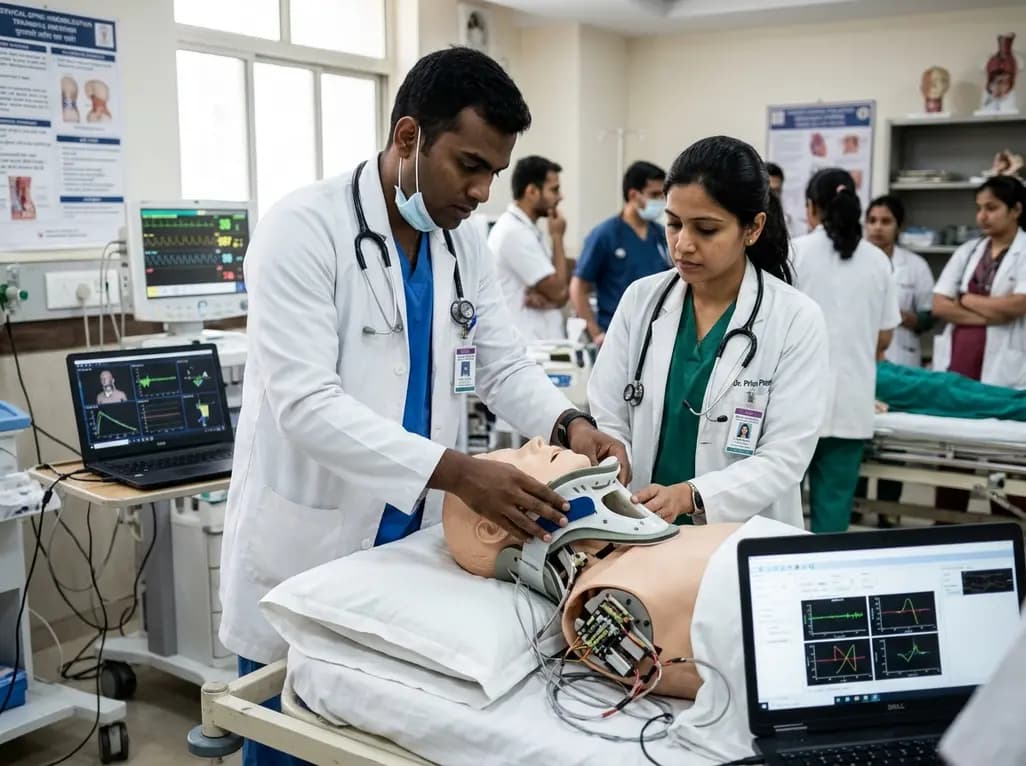
A novel proof-of-concept study presents a six-degree-of-freedom articulated manikin neck equipped with linear potentiometers. The system provides real-time kinematic motion feedback during cervical immobilisation, delivering sub-degree tracking accuracy to improve pre-hospital trauma training and patient safety.
Today

Caffeoylquinic acids, such as chlorogenic acid, offer broad antioxidant, antidiabetic, and anti-inflammatory properties. Advanced plant cell and organ culture methods now enable scalable, sustainable, and pure production of these high-value therapeutic metabolites for pharmaceutical and clinical applications.
Today
