

Loading, please wait...
Loading, please wait...

Experts analyzed 40 female patients with Wilson disease (WD) and polycystic ovary syndrome (PCOS), comparing them to 43 PCOS patients without WD. PCOS-WD patients had lower testosterone levels but showed correlations between elevated testosterone and liver fibrosis. Hyperandrogenism was more common in adolescents, while liver damage was more pronounced in reproductive-age patients. Copper chelation therapy improved outcomes.

Read summarized clinical updates, watch expert medical content, and earn CME certifications right from your smartphone.
Open your smartphone camera to scan and install.





Experts analyzed 40 female patients with Wilson disease (WD) and polycystic ovary syndrome (PCOS), comparing them to 43 PCOS patients without WD. PCOS-WD patients had lower testosterone levels but showed correlations between elevated testosterone and liver fibrosis. Hyperandrogenism was more common in adolescents, while liver damage was more pronounced in reproductive-age patients. Copper chelation therapy improved outcomes.
2 months ago

Failing to account for competing events like mortality in longitudinal geriatric studies produces biased risk estimates and misleading inferences. This review highlights key methodological principles, insights from the Precipitating Events Project, and practical approaches for clinical research appraisal.
Today

A study in JAMIA Open shows lightweight open-source reasoning LLMs achieve up to 95% sensitivity and accelerate evidence synthesis screening by nearly twentyfold, presenting a cost-effective, scalable AI solution for biomedical research and systematic reviews.
Today
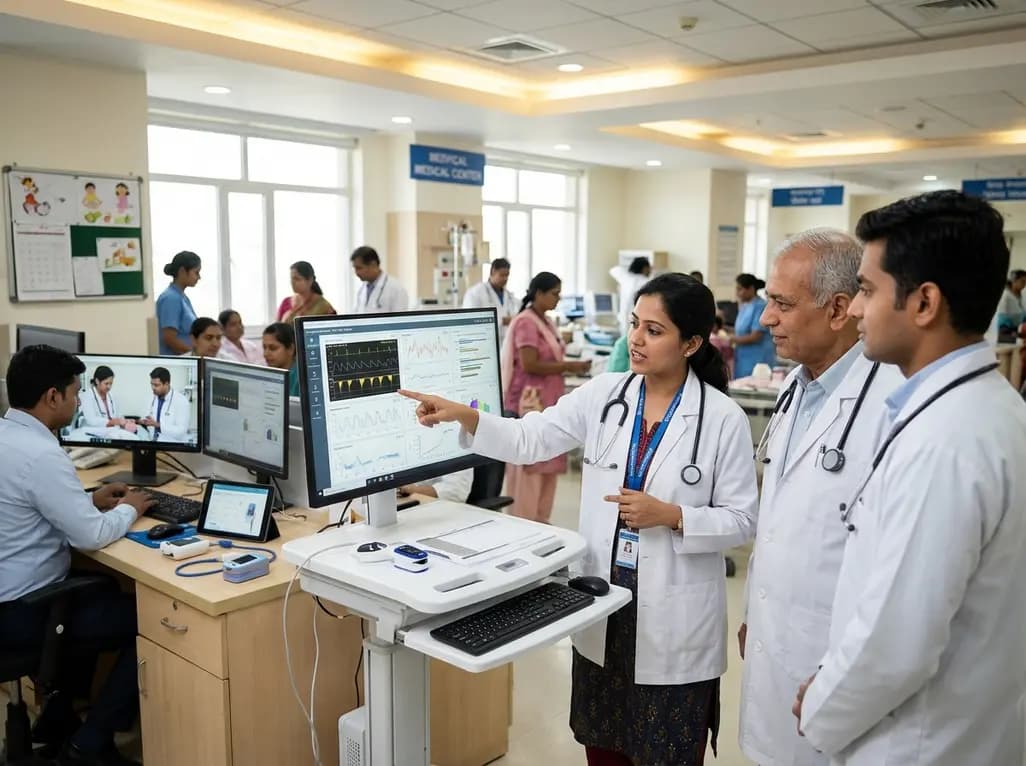
A landmark study details how an enterprise pediatric remote patient management model expanded from a single cardiology pilot to 16 diverse specialty programs by combining centralized digital operations with specialty clinical leadership.
Today

A comparative review of tension band wiring and intramedullary screw fixation in thumb metacarpophalangeal arthrodesis, evaluating union rates, hardware complications, and clinical outcomes.
Yesterday
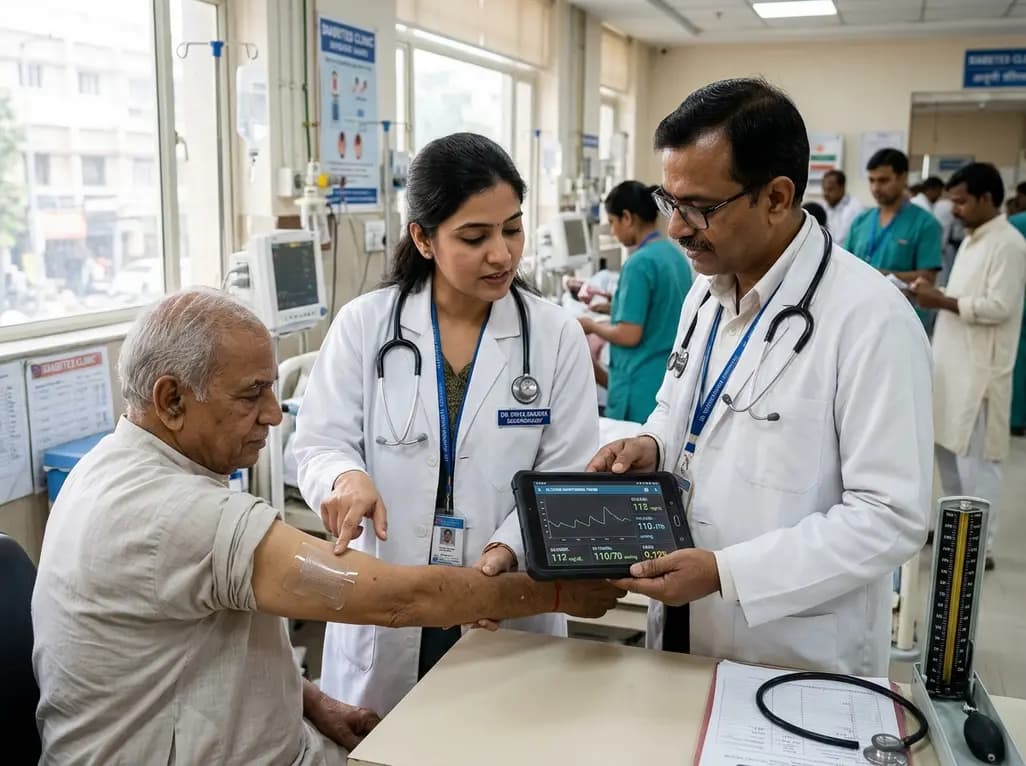
A breakthrough ultrathin multimodal sensor decouples physical hemodynamic monitoring from disposable electrochemical calibration, achieving long-term wearable glucose prediction with 81.36% accuracy and a 9.12% MARD. This offers a robust, drift-free solution for outpatient metabolic surveillance.
Today
