.webp&w=384&q=75)

Loading, please wait...
Loading, please wait...
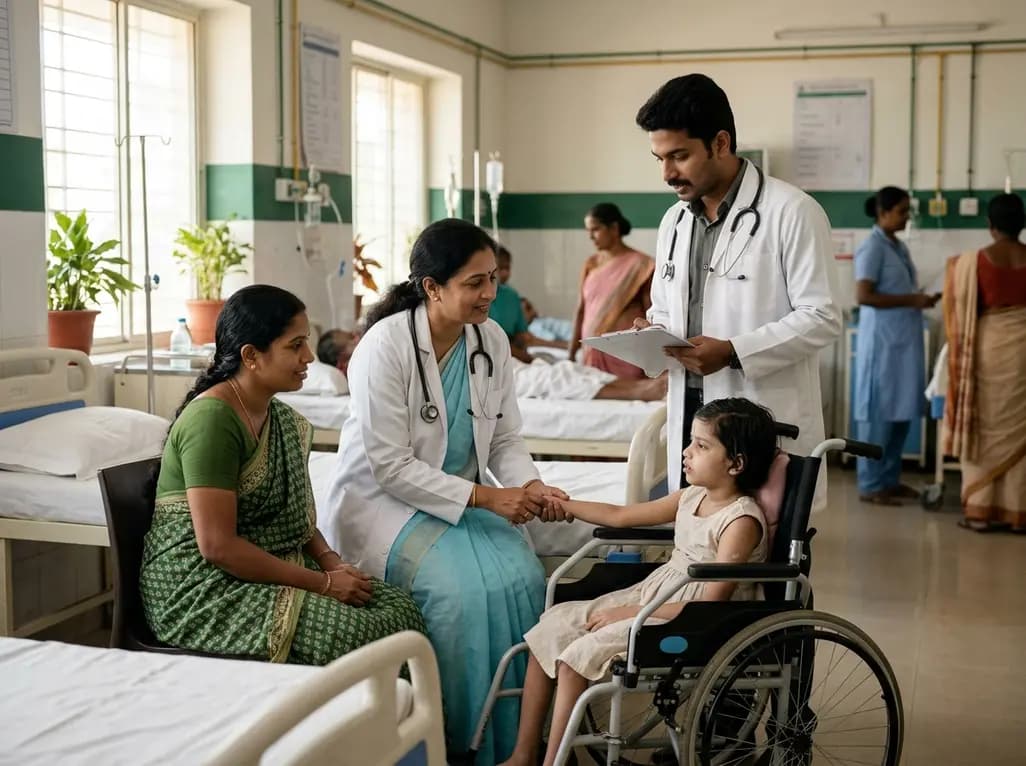
The Kerala High Court has issued crucial directions to formulate a comprehensive Standard Operating Procedure (SOP) to deliver paediatric palliative care for children suffering from chronic neurodevelopmental disabilities. A Division Bench comprising Chief Justice Soumen Sen and Justice V M Syam Kumar initiated suo motu proceedings to address systemic gaps in healthcare delivery. Currently, specialized palliative support for children remains fragmented across institutional silos and charitable organizations. Consequently, vulnerable pediatric patients and their caregivers experience severe treatment inconsistencies. The court emphasized that comprehensive palliative interventions must commence immediately upon diagnosis rather than being delayed until end-stage illness. Therefore, creating a unified regulatory and clinical blueprint across state and central healthcare frameworks is imperative.
During the hearing, the Advocate General highlighted the urgent need for a dedicated operational procedure across the public health system. However, implementing statewide palliative protocols requires financial and technical assistance from the central government. The Advocate General confirmed that the state health department will prepare a detailed draft scheme and share it with Union authorities. In response, the Additional Solicitor General affirmed central cooperation to review the framework. Therefore, the court recommended convening a joint Centre-State consultation to finalize an actionable SOP before the subsequent hearing on September 17.
Furthermore, the judiciary underlined that care delivery must operate under clear clinical benchmarks. Chronic neurodevelopmental conditions require sustained multidisciplinary support rather than intermittent episodic medical attention. Unfortunately, fragmented initiatives fail to guarantee long-term therapeutic continuity for affected families. Hence, the proposed joint framework seeks to bridge bureaucratic divides and mobilize necessary administrative resources. This collaborative model will ensure uniform service standards across all government tertiary centers, district hospitals, and outreach teams. Consequently, clinicians will obtain standardized guidance for managing severe pediatric neurodisabilities without unnecessary delay or bureaucratic friction.
A foundational insight emphasized by medical experts during the judicial proceedings is that palliative care must begin at the time of initial diagnosis. Historically, healthcare professionals often viewed palliative services merely as terminal or end-of-life care. However, modern pediatric practice integrates palliative medicine concurrently with disease-modifying therapies, curative strategies, and rehabilitative interventions. For children with severe cerebral palsy, neurogenetic syndromes, and epileptic encephalopathies, disease trajectories remain unpredictable and prolonged. Therefore, early supportive intervention significantly improves long-term clinical outcomes and enhances the child's overall functional comfort.
Additionally, timely symptom control addresses chronic non-communicable distress, including intractable spasticity, neuropathic pain, gastrointestinal dysmotility, and respiratory secretions. Palliative clinicians collaborate closely with pediatric neurologists to establish proactive management plans. Consequently, families receive anticipatory guidance regarding disease progression, potential complications, and nutritional management. Moreover, psychological counseling and social support help reduce severe parental burnout and depression. When palliative principles become standard practice from early diagnosis, unnecessary invasive interventions during acute crises decrease markedly. Thus, holistic supportive management preserves patient dignity and bolsters family resilience throughout the complex illness trajectory.
The Kerala State Palliative Care Policy theoretically envisions an exemplary decentralized model of community health support. Specifically, the policy mandates ward-level palliative care teams operating under local self-government institutions and primary health centers. However, the court observed that practical implementation for children with severe disabilities remains highly inconsistent and inadequate. While adult palliative networks have achieved commendable coverage across the state, pediatric services still lack structured decentralization. Consequently, families living in rural and semi-urban localities face severe barriers when seeking specialized developmental and palliative assistance.
Furthermore, most primary care medical officers and community health workers lack specialized training in pediatric neurodevelopmental rehabilitation. As a result, home-based visits frequently overlook intricate pediatric needs, such as specialized enteral tube maintenance, seating modifications, and communication aid adjustments. Because local public health facilities rarely stock essential pediatric formulations of analgesic and anticonvulsant drugs, families endure severe financial hardship visiting private centers. Therefore, strengthening ward-level delivery mechanisms is crucial for closing this community healthcare deficit. A standardized protocol will mandate structured home visits, caregiver respite programs, and timely referral channels.
To establish an effective statewide mechanism, the upcoming Standard Operating Procedure must define comprehensive clinical and operational guidelines. First, the framework should institute a standardized risk-stratification protocol at primary and secondary health facilities. This system will enable primary care physicians to identify complex neurodevelopmental impairments early and initiate timely referrals. Second, the SOP must guarantee uninterrupted access to essential pediatric palliative medications, including liquid opioid formulations, antispasmodics, and antiseizure therapeutics. Streamlining the licensing and distribution of controlled substances at district healthcare levels will eliminate unnecessary regulatory bottlenecks for clinicians.
Third, the operational guidelines must establish clear protocols for multidisciplinary care coordination across tertiary institutes and community centers. Specifically, the procedure should detail individual care plans, emergency escalation pathways, and advance care planning frameworks. In addition, the SOP must delineate specific responsibilities for Accredited Social Health Activists (ASHA workers) and primary healthcare nurses. By incorporating standardized clinical checklists, community teams can monitor nutritional status, skin integrity, and orthopedic contractures systematically. Ultimately, institutionalizing these operational pathways will provide practicing clinicians with clear, legally protected directives for comprehensive palliative management.
Effective management of chronic neurodevelopmental disabilities requires coordinated input from a wide spectrum of medical and allied healthcare specialists. Pediatricians, pediatric neurologists, palliative care physicians, and developmental specialists must collaborate seamlessly to formulate holistic treatment regimens. Furthermore, physiotherapists, occupational therapists, and speech-language pathologists play indispensable roles in maintaining functional mobility and communication capabilities. However, clinical silos often prevent smooth interdisciplinary communication, creating fragmented care plans that confuse and exhaust family caregivers. Therefore, structured institutional frameworks are necessary to foster regular case conferences and shared electronic documentation.
Moreover, medical social workers and clinical psychologists must remain integral members of the pediatric care team. They provide essential psychosocial assessments, family counseling, and navigation through government disability welfare entitlements. In addition, palliative teams should establish robust partnerships with educational institutions and special education educators. This inclusive approach ensures that children achieve their highest possible developmental potential within supportive community environments. By establishing collaborative clinical networks across all tiers of the healthcare system, medical providers can deliver patient-centered, compassionate care that addresses both biomedical and psychosocial dimensions of severe childhood disabilities.
Q1: Why did the Kerala High Court intervene in paediatric palliative care delivery?
The Kerala High Court intervened through a suo motu case to address fragmented healthcare services for children with chronic neurodevelopmental disabilities. Although Kerala has a progressive adult palliative network, pediatric palliative infrastructure remains limited and dependent on private charities. Therefore, the court directed the state and central governments to formulate a standardized operating procedure to ensure equitable, structured, and consistent care statewide.
Q2: When should palliative care begin for children with neurodevelopmental disabilities?
Paediatric palliative care should commence immediately at the time of initial diagnosis and continue alongside curative, disease-modifying, and rehabilitative treatments. Early integration allows healthcare providers to optimize symptom control, manage chronic pain, offer anticipatory guidance, and provide psychological support to caregivers. This concurrent approach prevents disease-related crises and improves the overall quality of life for the child and family.
Q3: How will a standardized operating procedure improve primary healthcare delivery?
A comprehensive Standard Operating Procedure establishes clear clinical algorithms, referral pathways, and medication dispensing protocols for primary and community healthcare providers. It enables local ward-level teams and primary health centers to deliver coordinated home-based palliative care, monitor nutritional and physical needs, and access essential pediatric formulations. Consequently, this system relieves financial strain on families and ensures consistent community support.
Disclaimer: This content is for informational and educational purposes only. It does not constitute medical advice or replace professional judgment. Refer to the latest local and national guidelines for clinical practice.
References

Read summarized clinical updates, watch expert medical content, and earn CME certifications right from your smartphone.
Open your smartphone camera to scan and install.





A Division Bench of the Kerala High Court has directed joint Centre-State action to establish a standardized operating protocol for paediatric palliative support. The judicial directive addresses gaps in community-level implementation for children with severe chronic neurodevelopmental disabilities.
4 weeks back
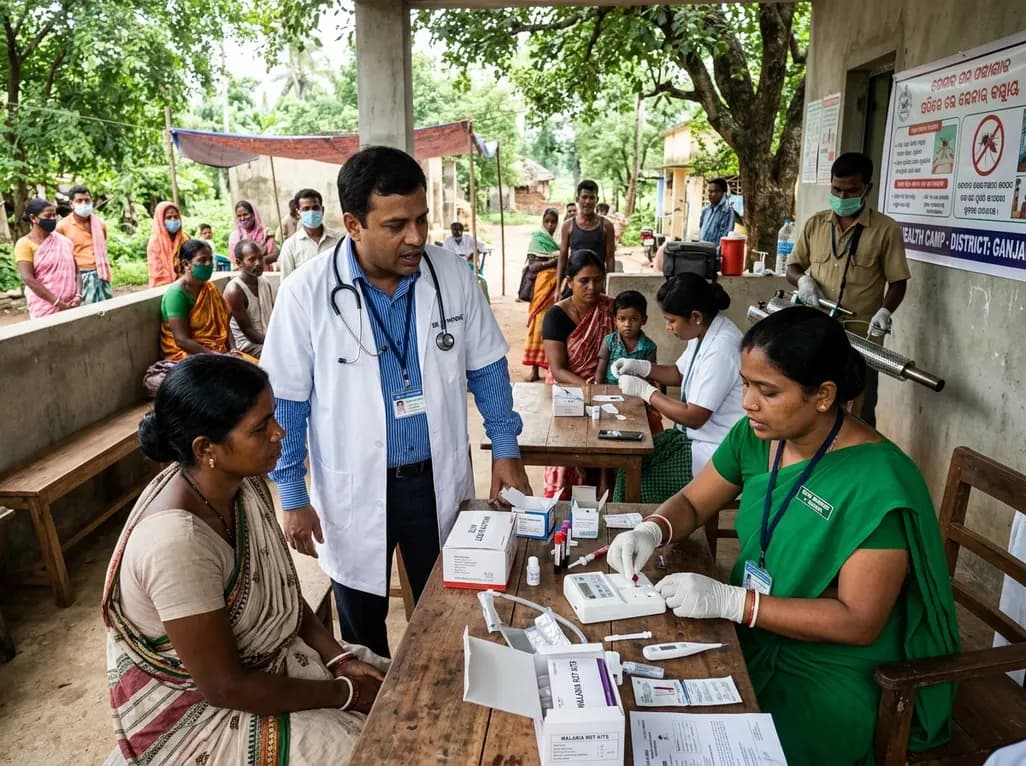
Following 37,899 reported cases and 9 deaths, Odisha has scaled up active case detection, rapid diagnostic testing, and vector control across high-burden districts. Here is a comprehensive clinical breakdown of the state's aggressive containment protocols, diagnostic pathways, and targeted field management.
Today

A retrospective study of 86,012 pregnancies demonstrates that size-selective cfDNA enrichment boosts mean fetal fraction to 18.88% and achieves a 59.20% PPV for fetal copy number variants. However, 85.83% of CNVs showed size discrepancies, underscoring the mandatory role of confirmatory microarray testing.
Today
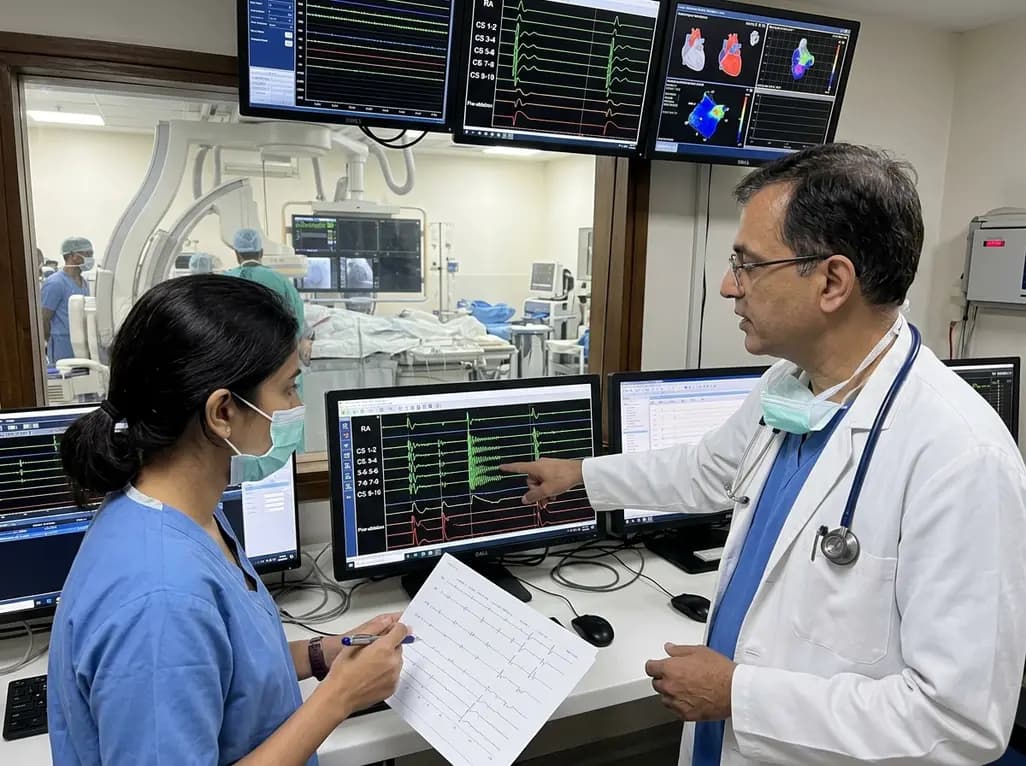
Radiofrequency catheter ablation of the cavotricuspid isthmus successfully terminates typical atrial flutter. This article reviews the mechanisms driving coronary sinus electrogram changes, wavefront activation pathways, and clinical criteria to verify bidirectional block during electrophysiology studies.
Today

A study comparing four knee flexion strength tests after ACL reconstruction using hamstring tendon autografts reveals marked variability in limb symmetry indices. Clinicians must recognize that different strength testing modalities yield divergent return-to-sport clearance rates.
Today
A cross-sectional study demonstrates that increased BMI in adolescents significantly enhances mandibular length and alters salivary adipokines like adiponectin and resistin, providing novel insights into craniofacial growth and orthodontic planning.
Today
