.webp&w=384&q=75)

Loading, please wait...
Loading, please wait...
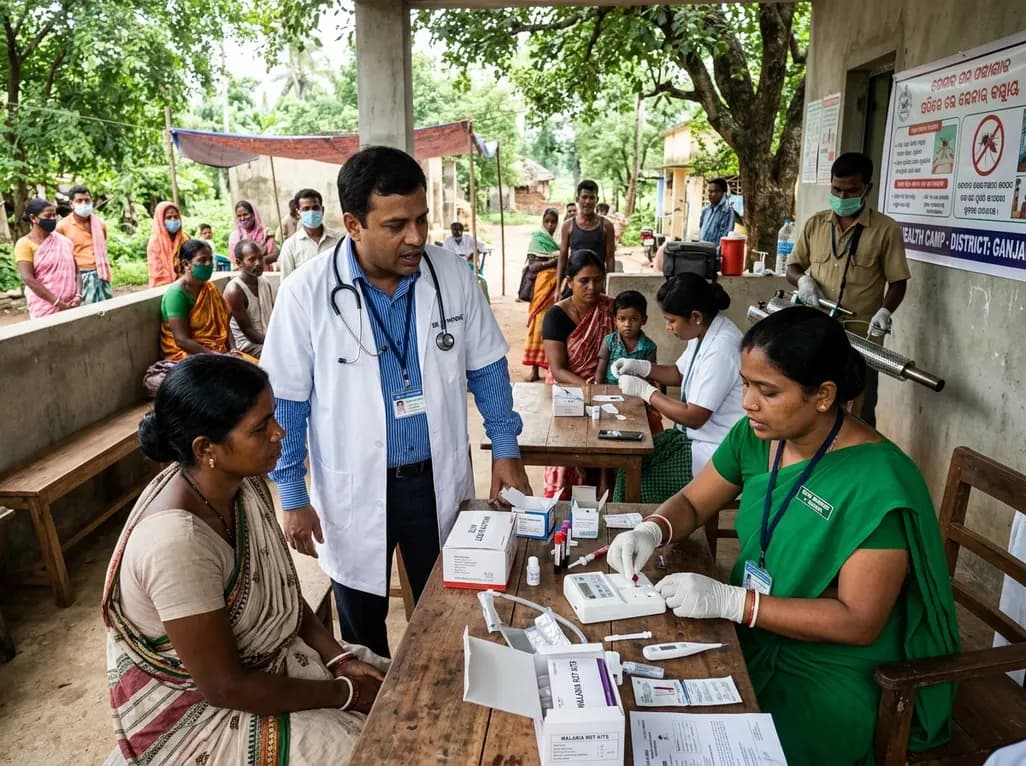
Public health authorities have recently upgraded field actions to strengthen malaria surveillance in Odisha following significant caseload reports. By August of this operational year, the state recorded 37,899 confirmed infections and nine deaths. Consequently, the Health and Family Welfare Department launched proactive containment strategies across vulnerable districts. While this count reflects a notable reduction from the 68,693 infections documented in 2024, persistent transmission requires sustained vigilance. Currently, Odisha contributes approximately 26.6 percent of India's total nationwide caseload of 1.42 lakh cases. Clinicians and public health officers must therefore understand the operational mechanics driving this response. Rapid detection protocols ensure that clinicians intercept complicated presentations before organ failure occurs.
Odisha has historically experienced high transmission due to dense forest cover, humid climates, and remote topography. However, systematic interventions over recent decades have driven significant reductions in morbidity and mortality. Despite these epidemiological gains, endemic clusters continue to harbor reservoir infections. Southern and tribal-dominated belts experience recurring localized outbreaks during monsoon and post-monsoon months. In particular, Plasmodium falciparum dominates the state's epidemiological landscape, posing substantial risks for severe complications. Falciparum malaria can rapidly cause cerebral complications, acute renal injury, severe metabolic acidosis, and profound anemia. Therefore, prompt epidemiological characterization helps district surveillance teams allocate emergency resources effectively.
Health administrators consistently analyze the Annual Parasite Incidence (API) to categorize vulnerable blocks. Moreover, surveillance officers evaluate Slide Positivity Rates (SPR) to direct active fever screenings toward evolving transmission hotspots. Health personnel monitor high-risk populations, including migratory forest workers and remote indigenous communities. In addition, field teams collect real-time data to identify transmission micro-foci. By deploying targeted resources to persistent endemic areas, public health authorities successfully prevent explosive multi-district spikes. Thus, continuous data aggregation provides frontline medical officers with actionable epidemiological insights to guide local diagnostic screening and therapeutic interventions.
The state has formally shifted from reactive reporting toward aggressive, field-level active case detection. Consequently, authorities reorganized surveillance mechanisms starting from the grass-roots sub-centre tier. Accredited Social Health Activists (ASHAs) and multi-purpose health workers now visit vulnerable villages systematically to detect undifferentiated fever. Health workers screen every symptomatic person presenting with rigors, chills, body aches, or fever. Active testing prevents untreated cases from serving as lingering reservoirs for local anopheline vectors. Furthermore, health teams utilize bivalent rapid diagnostic kits to ensure instantaneous bed-side confirmation.
Rapid diagnostic tests detect both histidine-rich protein II for Plasmodium falciparum and parasite lactate dehydrogenase for Plasmodium vivax. Therefore, primary care practitioners obtain verified laboratory confirmation within twenty minutes. This speed eliminates clinical guesswork in isolated dispensaries and health sub-centres. Additionally, peripheral health centers refer non-clearing fever cases to primary health centres for microscopic verification. Quality assurance programs also cross-check peripheral blood smears at district laboratories. This integrated approach ensures early diagnosis while maintaining high diagnostic accuracy across all rural facilities. Consequently, health authorities can interrupt the human-to-mosquito transmission cycle before secondary community infections emerge.
National guidelines require immediate, weight-based curative chemotherapy upon parasite confirmation. For confirmed uncomplicated falciparum infections, primary physicians promptly initiate Artemisinin-based Combination Therapy (ACT). In Odisha, practitioners administer Artemether-Lumefantrine along with a single gametocytocidal dose of primaquine on day two. This precise pharmacological approach eradicates sexual stages and effectively stops mosquito infectivity. Conversely, clinicians manage uncomplicated Plasmodium vivax with oral chloroquine accompanied by a supervised fourteen-day primaquine regimen. Frontline workers screen patients for glucose-6-phosphate dehydrogenase deficiency where feasible to avert acute drug-induced hemolysis.
Early intervention successfully prevents the progression of uncomplicated infections into severe, life-threatening malaria. However, patients presenting with altered sensorium, persistent vomiting, jaundice, oliguria, or severe respiratory distress require immediate stabilization. Clinicians must administer parenteral artesunate without delay in suspected severe disease. Furthermore, medical officers should not delay the initial intravenous dose while awaiting confirmatory laboratory results. Intensive supportive care focuses on hemodynamic stability, fluid monitoring, blood transfusion, and renal support. Clinicians strictly avoid fluid overloading to reduce the risk of non-cardiogenic pulmonary edema. Thus, rapid clinical triage directly contributes to minimizing in-hospital malaria mortality across district hospitals.
Eradicating transmission reservoirs requires robust, sustained vector management alongside medical treatments. Consequently, district health teams have intensified the distribution and monitoring of long-lasting insecticidal nets (LLINs). Field supervisors instruct villagers to sleep beneath these protective nets consistently throughout the entire year. Moreover, community facilitators conduct nocturnal spot checks to evaluate real-world usage patterns across remote tribal pockets. Health authorities actively replace damaged nets to maintain physical barriers against night-biting vectors.
Simultaneously, specialized vector control teams execute targeted Indoor Residual Spraying (IRS) across vulnerable villages. Field teams spray synthetic pyrethroids on indoor wall surfaces prior to peak mosquito breeding periods. Entomologists continuously conduct insecticide susceptibility surveys to identify emerging resistance among local Anopheles fluviatilis and Anopheles culicifacies populations. In addition, rural development workers drain temporary stagnant pools and introduce larvivorous fish into perennial water collections. These comprehensive environmental interventions decrease vector density around settlements. Accordingly, combining vector suppression with community education drastically curtails local vector-human contact in difficult geographical terrains.
Geographical isolation and linguistic diversity present formidable logistical barriers in remote forested districts. Therefore, the Health and Family Welfare Department collaborates closely with tribal leaders and panchayat representatives. Culturally tailored awareness programs highlight the extreme risks of delaying clinical care for acute fevers. Furthermore, community meetings emphasize that traditional remedies cannot substitute for certified antimalarial pharmacotherapy. By establishing trust with indigenous communities, health teams significantly increase voluntary fever reporting at local health wellness centres.
Supply chain robustness underpins every stage of this state-wide disease containment campaign. Medical supply depots track inventories to avoid local shortages of rapid diagnostic test kits or artemisinin combinations. Additionally, state surveillance monitors digital reporting dashboards to detect unexpected fever clusters promptly. Rapid response medical teams immediately deploy to investigating zones when automated alerts trigger. Clinicians in tertiary hubs offer remote tele-mentoring to support younger medical officers stationed at remote primary centres. Through synchronized logistics, public education, and clinical vigilance, the state maintains a resilient healthcare system capable of driving sustained malaria elimination.
Q1: Why does Odisha account for a substantial percentage of India's malaria burden?
Odisha features extensive forest coverage, hilly geography, perennial streams, and favorable humidity that support prolific breeding of efficient vectors like Anopheles fluviatilis. Furthermore, high baseline concentrations of Plasmodium falciparum and geographically isolated tribal communities complicate routine access to clinical healthcare facilities.
Q2: What diagnostic tools are prioritized under the current surveillance framework?
Field teams prioritize bivalent rapid diagnostic kits (RDTs) for active fever detection at the community level. In addition, clinical teams utilize routine microscopic examination of thick and thin peripheral blood smears at peripheral laboratories to confirm species density and perform quality-control checks on point-of-care test outcomes.
Q3: Which antimalarial regimen is recommended for uncomplicated falciparum malaria in Odisha?
National guidelines mandate artemisinin-based combination therapy, specifically Artemether-Lumefantrine, administered across three days according to body weight. Furthermore, clinicians prescribe a single dose of primaquine (0.25 mg/kg) on the second day to eliminate gametocytes, unless contraindicated in pregnant women or infants under six months of age.
Disclaimer: This content is for informational and educational purposes only. It does not constitute medical advice or replace professional judgment. Refer to the latest local and national guidelines for clinical practice.
References

Read summarized clinical updates, watch expert medical content, and earn CME certifications right from your smartphone.
Open your smartphone camera to scan and install.





Following 37,899 reported cases and 9 deaths, Odisha has scaled up active case detection, rapid diagnostic testing, and vector control across high-burden districts. Here is a comprehensive clinical breakdown of the state's aggressive containment protocols, diagnostic pathways, and targeted field management.
Today
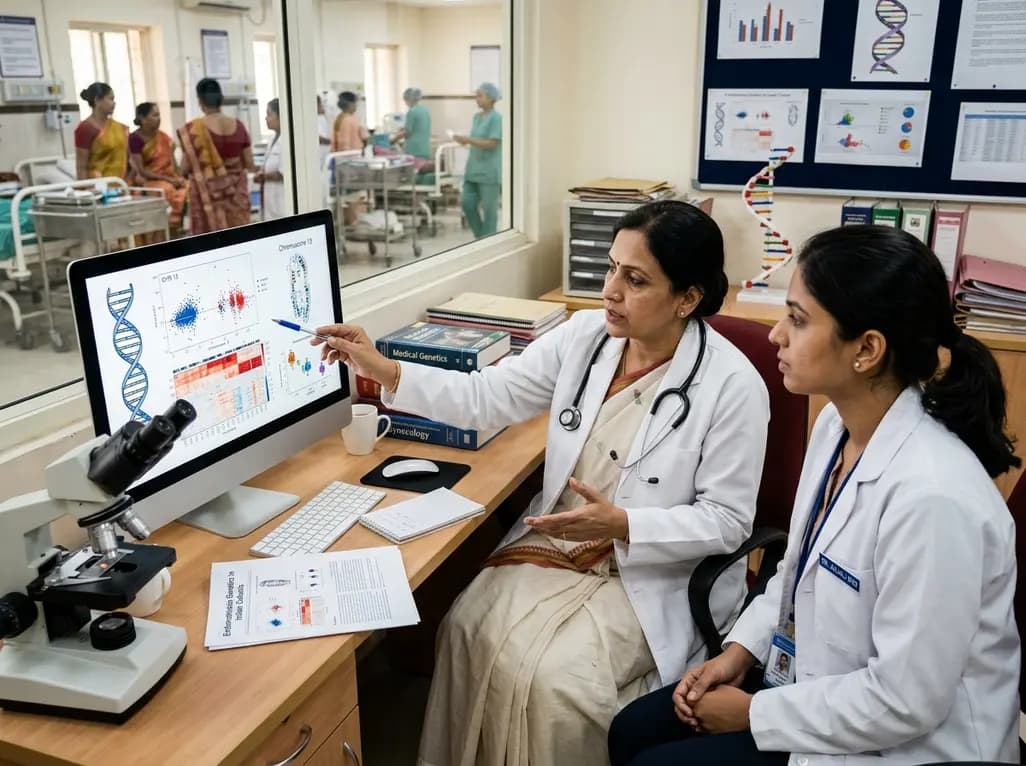
Endometriosis affects millions of women across India, yet diagnostic delays frequently exceed five years. Recent multi-centre genomic research has identified 21 novel genetic regions, notably on chromosome 13, establishing crucial population-specific insights to transform clinical screening and therapeutic strategies.
Today
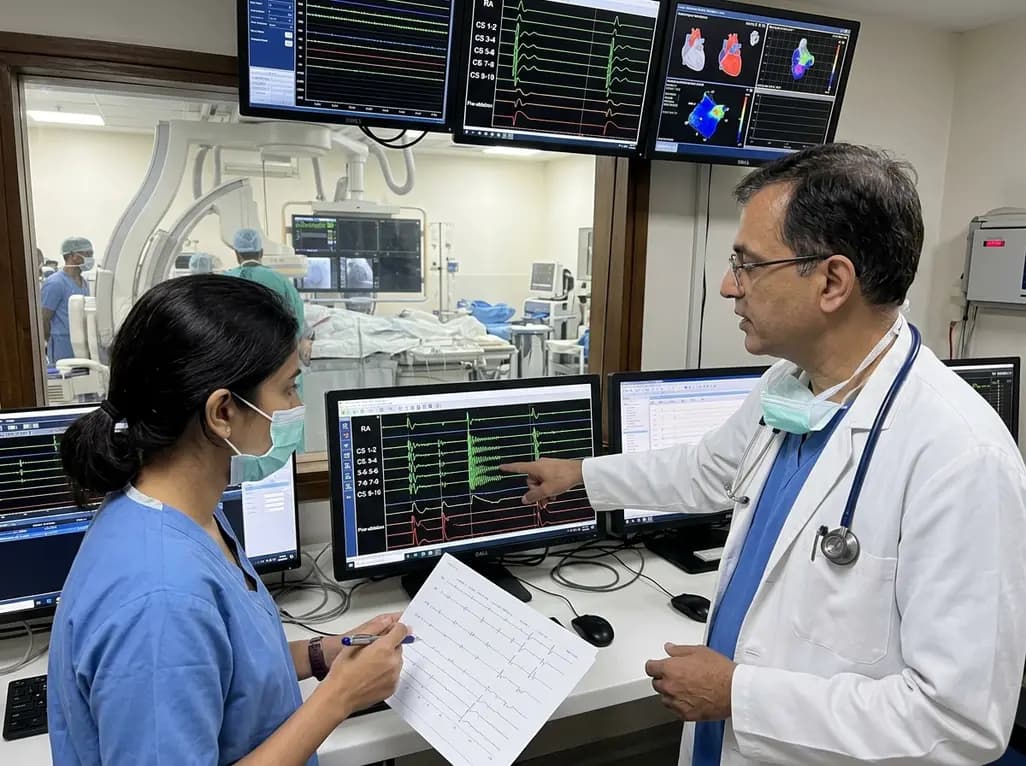
Radiofrequency catheter ablation of the cavotricuspid isthmus successfully terminates typical atrial flutter. This article reviews the mechanisms driving coronary sinus electrogram changes, wavefront activation pathways, and clinical criteria to verify bidirectional block during electrophysiology studies.
Today
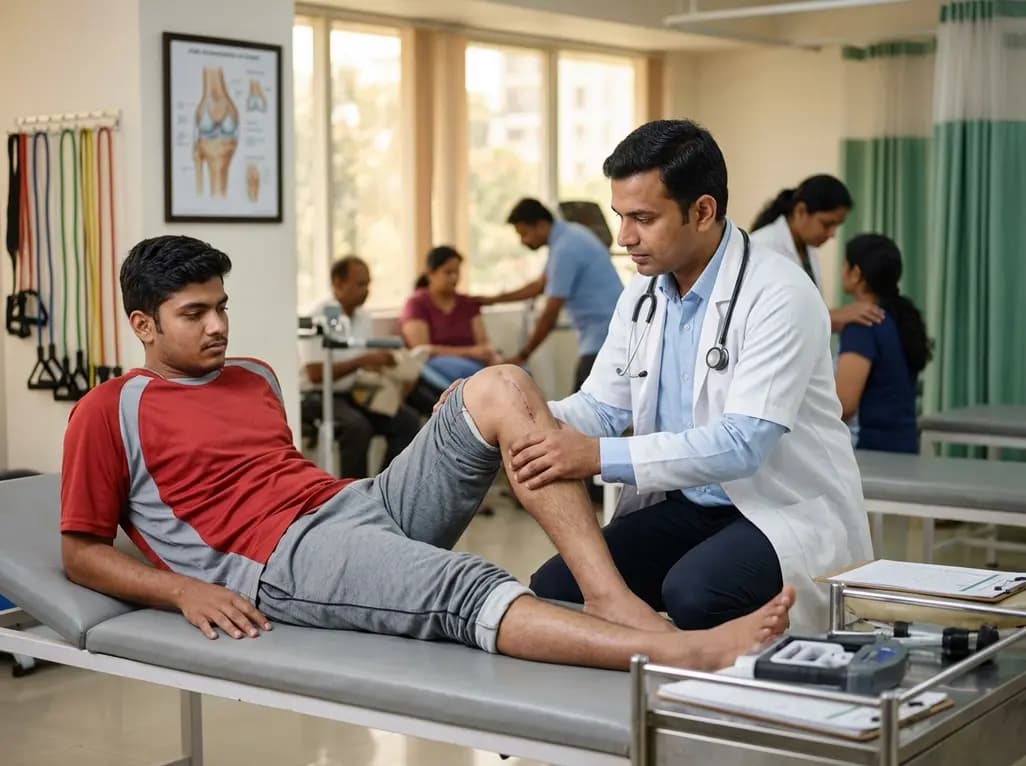
A study comparing four knee flexion strength tests after ACL reconstruction using hamstring tendon autografts reveals marked variability in limb symmetry indices. Clinicians must recognize that different strength testing modalities yield divergent return-to-sport clearance rates.
Today
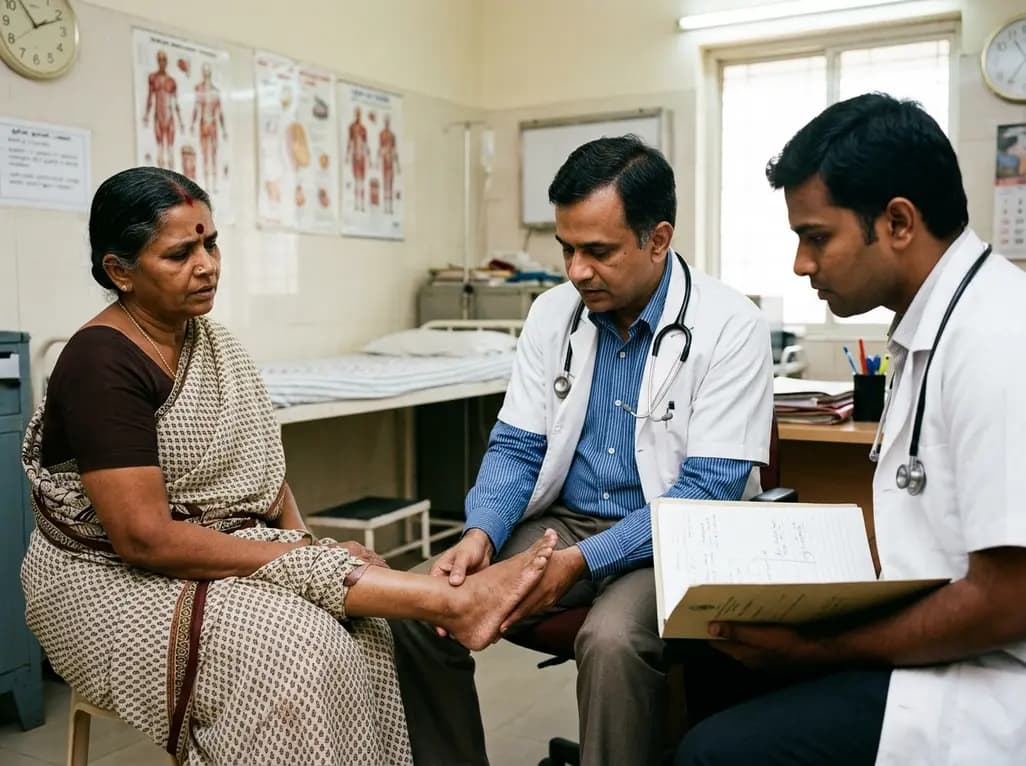
Discover how to identify superimposed entrapment neuropathy in diabetic patients. This review details clinical evaluation, surgical decompression evidence, and a structured algorithm for primary care referrals to prevent ulcers and preserve limb function.
Yesterday
