.webp&w=384&q=75)

Loading, please wait...
Loading, please wait...

Accurate organ dose estimation CT is a cornerstone of modern radiation safety. It ensures that diagnostic benefits outweigh potential risks for every patient. While traditional metrics like the volume CT dose index (CTDIvol) provide a standard measure of scanner output, they often fail to reflect the actual dose absorbed by specific tissues. Consequently, clinicians and radiologists are increasingly looking toward patient-specific metrics to enhance safety protocols and individualized care.
A recent retrospective study evaluated 43 patients undergoing chest-abdomen-pelvis (CAP) CT examinations to compare different dose metrics. Researchers calculated radiation doses for six radiosensitive organs, including the liver, lungs, and stomach. Furthermore, they utilized the size-specific dose estimate (SSDE) based on water-equivalent diameters (Dw) to improve accuracy. The results clearly demonstrated that SSDEorgan outperforms traditional metrics. Specifically, the study identified a descending order of correlation strength: SSDEorgan, SSDEmean, CTDIvol, and finally SSDEcenter. The liver showed the strongest correlation with SSDEorgan, achieving an R-squared value of 0.88. This high degree of accuracy allows for more reliable dose tracking across diverse patient populations.
Notably, the study derived specific conversion coefficients to help clinicians rapidly estimate doses for various organs. These factors include 0.75 for the spinal cord, 1.24 for the lungs, and 1.17 for the liver. Thus, by applying these coefficients to SSDEorgan values, radiologists can simplify the process of individualized dose assessment. Moreover, this method eliminates the need for complex Monte Carlo simulations in daily practice. Therefore, implementing SSDEorgan metrics can significantly optimize radiation protection during multi-region CT examinations. This approach aligns with global efforts to personalize medical imaging and minimize cumulative radiation exposure.
CTDIvol measures scanner output based on standard plastic phantoms, whereas SSDEorgan accounts for the patient\'s actual water-equivalent diameter at the specific organ location. This personalization provides a much closer approximation of the absorbed dose.
While the study focused on chest-abdomen-pelvis (CAP) examinations using tube current modulation, these specific factors are tailored to those anatomical regions. Radiologists should ensure protocol alignment before applying these coefficients to other scan types.
The liver and stomach showed particularly high correlation values in recent studies. However, the study also provided reliable estimation data for the lungs, esophagus, spinal cord, and bladder, making it a versatile tool for comprehensive abdominal imaging.
Disclaimer: This content is for informational and educational purposes only. It does not constitute medical advice or a professional endorsement. Refer to the latest local and national guidelines for clinical practice.
References
Liang B et al. Estimation of organ doses based on patient-specific characteristics undergoing chest-abdomen-pelvis CT examinations of tube current modulation. J Radiol Prot. 2026 Feb 27. doi: 10.1088/1361-6498/ae4b47. PMID: 41759213.
American Association of Physics in Medicine (AAPM). Report No. 220: Use of Water Equivalent Diameter for Calculating Size-Specific Dose Estimate (SSDE) in CT. 2014.
Supanich M, Peck D. Adult Size Specific, Organ, and Effective Dose Estimates in Computed Tomography. Henry Ford Health System Research. 2025.
"
Read summarized clinical updates, watch expert medical content, and earn CME certifications right from your smartphone.
Open your smartphone camera to scan and install.





A new study reveals that organ-specific SSDE (SSDEorgan) provides a significantly more accurate estimation of radiation doses in CAP CT scans than CTDIvol....
7 months ago
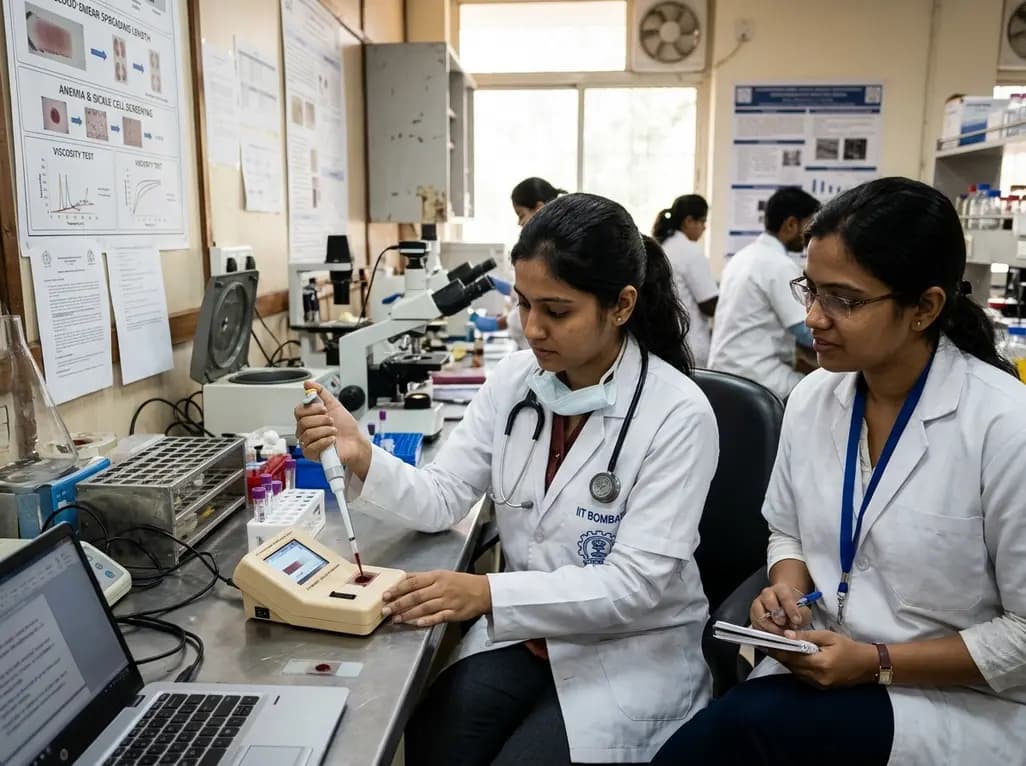
Researchers at IIT Bombay have engineered an automated, cost-effective point-of-care device that diagnoses anaemia and sickle cell disease from a single drop of blood. By measuring blood smear spreading length, this portable tool assesses blood viscosity to offer rapid screening in resource-limited healthcare centers.
Today
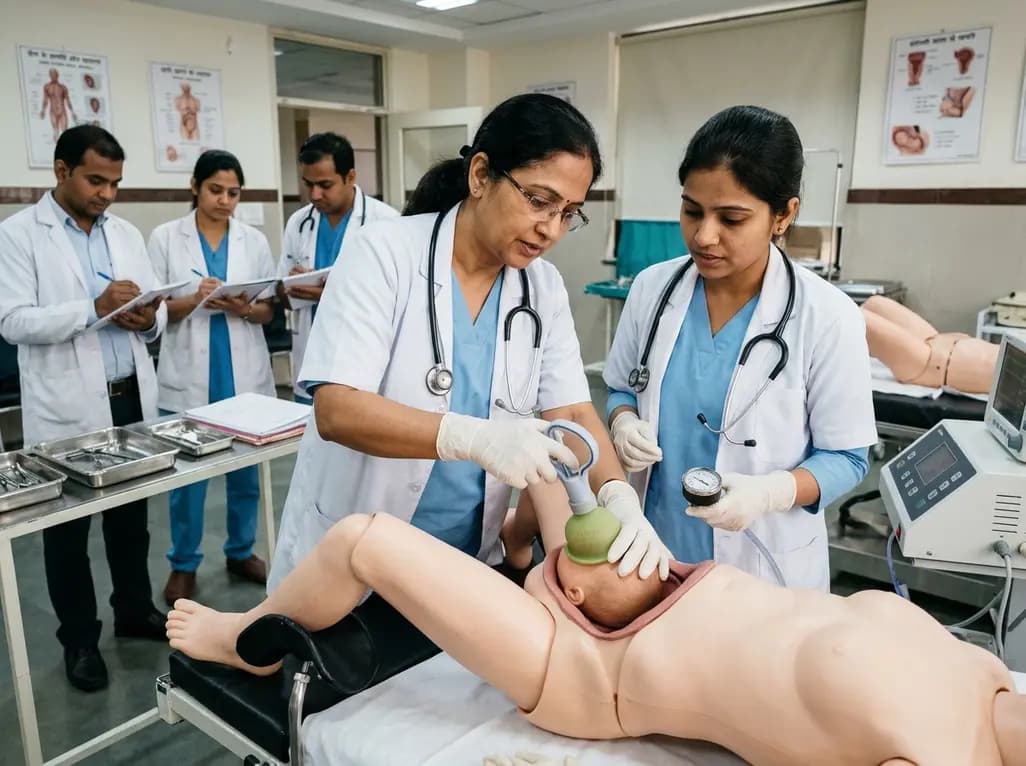
A multicenter study evaluates whether standardized simulation training reduces cup detachment during vacuum-assisted vaginal birth. Evidence-based simulation equips obstetricians to improve cup placement, reduce maternal-fetal trauma, and optimize clinical decision-making during operative deliveries.
Today
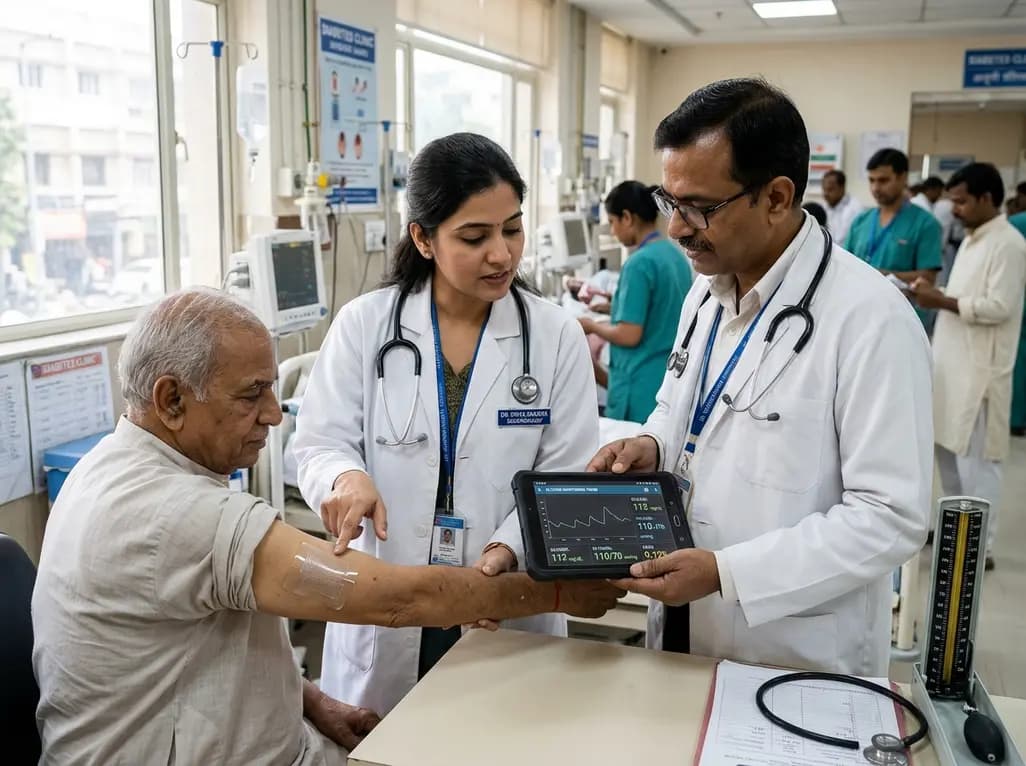
A breakthrough ultrathin multimodal sensor decouples physical hemodynamic monitoring from disposable electrochemical calibration, achieving long-term wearable glucose prediction with 81.36% accuracy and a 9.12% MARD. This offers a robust, drift-free solution for outpatient metabolic surveillance.
Today
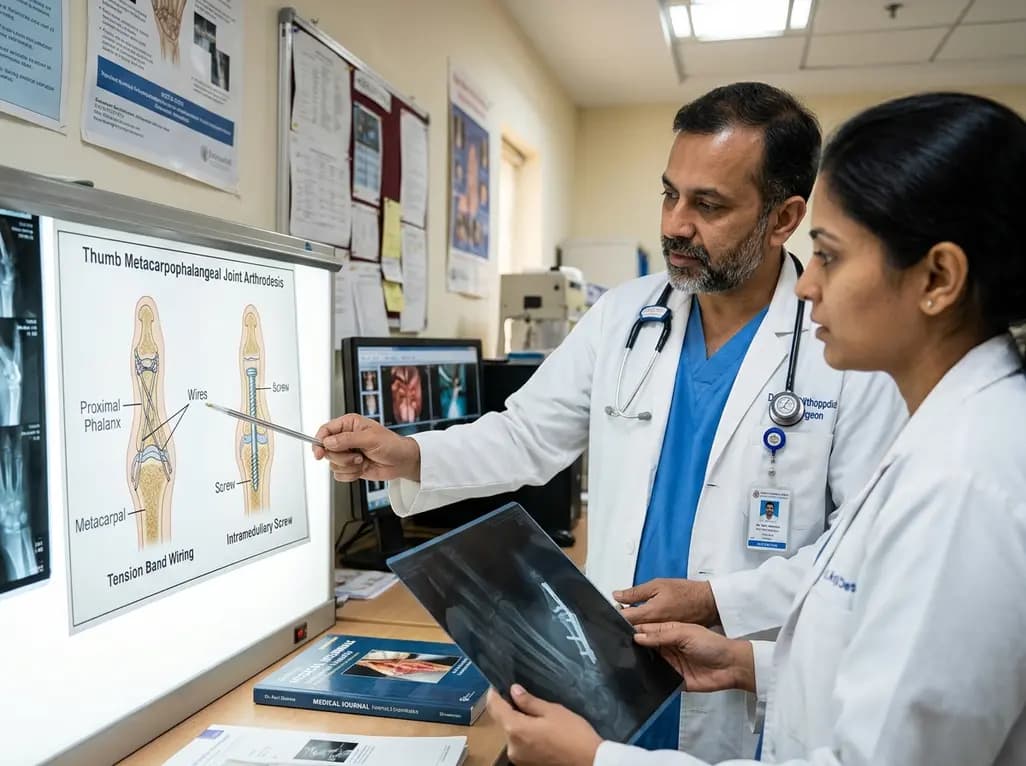
A comparative review of tension band wiring and intramedullary screw fixation in thumb metacarpophalangeal arthrodesis, evaluating union rates, hardware complications, and clinical outcomes.
Today
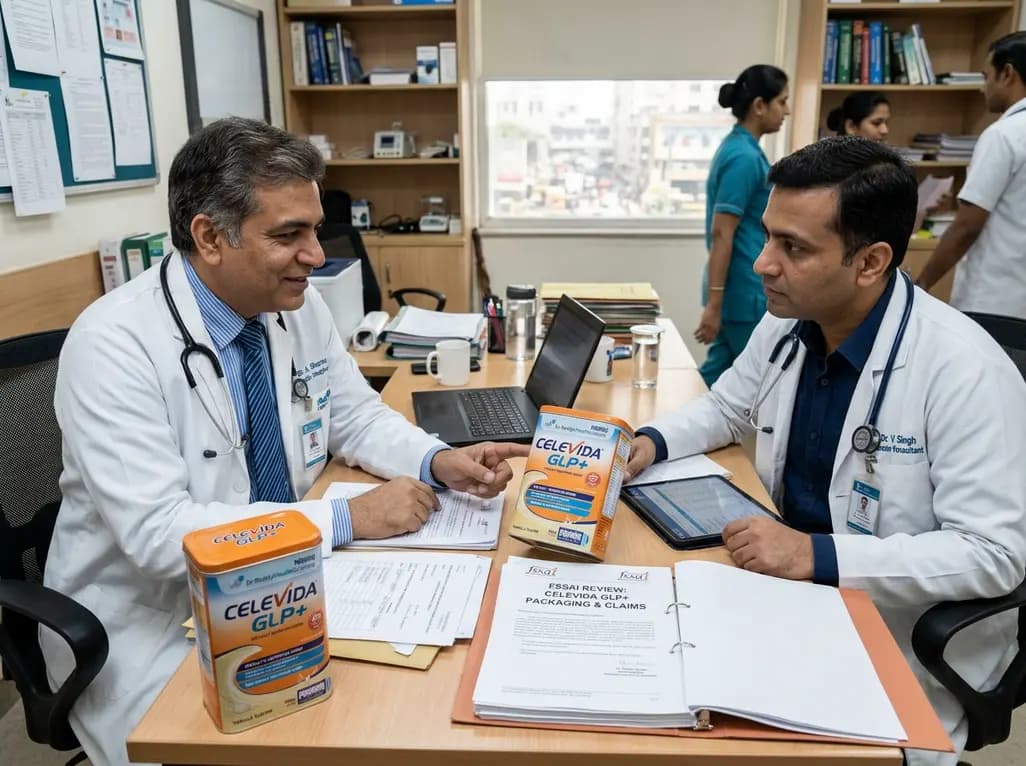
Following regulatory scrutiny from FSSAI regarding promotional representations and lean muscle preservation claims, Dr. Reddy's Laboratories and Nestlé Health Science are currently reviewing the branding and marketing strategy for their joint nutritional supplement Celevida GLP+.
Today
