

Loading, please wait...
Loading, please wait...
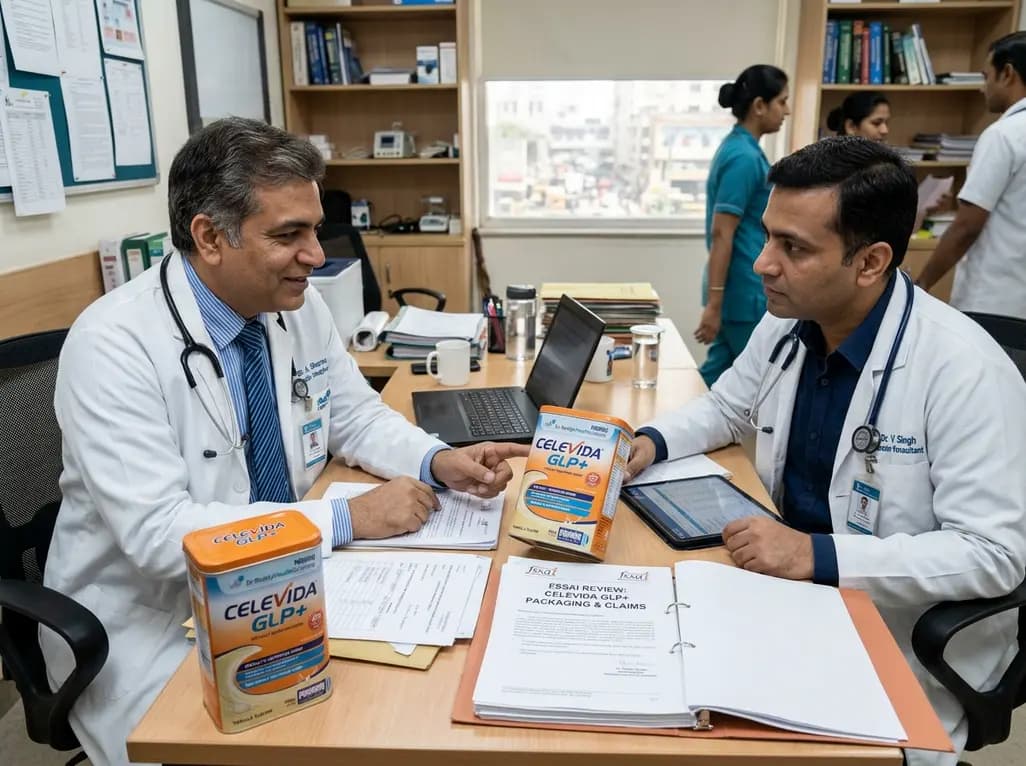
Pharmaceutical manufacturer Dr. Reddy's Laboratories and its joint venture partner Nestlé Health Science have initiated a formal review of their nutritional supplement Celevida GLP+. This strategic move directly follows the recent Celevida GLP+ FSSAI notice regarding non-compliant digital marketing claims and brand labeling. The central food safety authority questioned marketing narratives that associated the oral supplement with prescription pharmacotherapy. However, the regulator permitted continued commercial sales while corporate teams modify their communication framework. Consequently, leadership from both enterprises confirmed collaborative discussions with authorities to resolve labeling disputes swiftly.
During a recent press briefing, company executives addressed the regulatory inquiries raised by the central watchdog. Specifically, the Food Safety and Standards Authority of India issued show-cause communications addressing unapproved nutritional representations across multiple digital storefronts. Furthermore, the regulatory authority noted that linking food supplements directly to pharmaceutical interventions violates advertising standards. In response, corporate representatives clarified their positioning before the authority and committed to revising brand verbiage. Therefore, Dr. Reddy's Laboratories and Nestlé Health Science continue active dialogue with compliance officials to refine packaging elements. Meanwhile, distribution channels maintain inventory flow because the enforcement authority did not mandate a market recall. However, regulatory officials demanded comprehensive justifications regarding the scientific documentation backing their promotional slogans. Additionally, the regulatory review extends across third-party e-commerce platforms that disseminated these promotional assertions. Because marketing rules demand rigorous compliance, pharmaceutical leadership acknowledged the necessity of modifying retail claims. As a result, the manufacturer expects revised packaging guidelines to emerge from these ongoing technical negotiations.
The regulatory authority closely scrutinized several specific advertising declarations printed on packaging and commercial portals. For example, marketing teams promoted the product as high protein support for lean muscle preservation during GLP-1 and GIP therapies. Consequently, regulators concluded that such statements improperly imply therapy for specific physiological conditions. Furthermore, promotional collateral described the product as complete daily nourishment and dependable nutrition in every serving. Regulators asserted that such wording erroneously presents a dietary supplement as a comprehensive meal replacement. In addition, inspectors flagged secondary claims regarding immune modulation, sustained vitality, and European ingredient sourcing. The agency stated that disclaimers denying therapeutic equivalence failed to neutralize promotional overreach. Therefore, statutory bodies determined that the product violated the Food Safety and Standards Act of 2006. In response, consumer advocacy panels reinforced the demand for authentic nutritional declarations across commercial health products. Additionally, regulatory authorities emphasized that food products cannot claim clinical synergy with prescription drugs without statutory approval. Thus, brand owners must rigorously align advertising language with approved botanical and nutraceutical categories.
The formal delivery of the Celevida GLP+ FSSAI notice marks a pivotal development in supplement enforcement. In particular, the regulatory watchdog challenged the compound brand identity itself. Authorities determined that embedding pharmaceutical terminology into supplement names creates profound cognitive confusion among consumers. Moreover, this statutory intervention signals strict administrative limits on dietary brands attempting to capture GLP-1 agonist market momentum. Consequently, health supplements cannot claim clinical co-prescription benefits without submitting exhaustive clinical validation. Furthermore, digital marketplaces also received formal inquiries regarding promotional algorithms that host misleading health assertions. Therefore, e-commerce entities must institute stricter catalog auditing protocols for therapeutic foods and proprietary nutraceuticals. As a result, brand aggregators face heightened legal liability for non-compliant merchant listings. In addition, the food safety agency warned manufacturers against utilizing foreign provenance claims without empirical substantiation. Regulators now require explicit distinctions between general wellness aids and therapeutic nutritional formulas. Accordingly, legal experts anticipate broader enforcement campaigns targeting adjunctive wellness products nationwide.
Glucagon-like peptide-1 receptor agonists and dual GIP agonists deliver significant metabolic improvements for individuals with obesity and type 2 diabetes. However, rapid weight loss induced by these pharmacotherapies inevitably causes concomitant skeletal muscle mass reduction. Clinical studies confirm that lean tissue loss often constitutes twenty to forty percent of total weight reduction. Consequently, endocrine specialists stress the paramount importance of structured nutritional interventions during medical weight loss. Sarcopenic obesity represents a genuine clinical hazard, especially among older populations receiving intensive incretin therapy. Therefore, physicians frequently recommend increased dietary protein consumption alongside supervised resistance exercise regimens. Nevertheless, clinicians recognize that non-prescription protein powders cannot substitute for medically monitored dietary therapy. Furthermore, unverified supplement assertions might lead patients to neglect balanced, whole-food dietary patterns. Incretin-treated patients also experience delayed gastric emptying, which complicates dietary volume and nutrient tolerance. Accordingly, registered dietitians must tailor macronutrient distribution rather than relying on commercial supplement declarations. Thus, evidence-based nutritional guidance remains fundamental to long-term metabolic health and functional physical longevity.
Healthcare providers should proactively counsel individuals undergoing medical weight reduction about prudent nutritional supplementation. First, physicians must evaluate total daily protein intake through verified whole foods before suggesting commercial formulations. In addition, clinicians must remind patients that retail protein mixes do not possess clinical approval to reverse pharmacotherapy-induced muscle loss. Furthermore, patients should never view supplementary drinks as complete meal substitutes during active incretin treatment. Because gastrointestinal adverse effects remain common with GLP-1 therapies, sudden protein supplementation may exacerbate nausea. Therefore, progressive dietary changes supervised by clinical nutritionists deliver superior long-term adherence. Meanwhile, medical professionals should monitor lean body mass preservation using functional muscle testing and validated body composition analyses. Additionally, physicians must advise consumers to read ingredient labels cautiously and disregard unverified marketing claims. Healthcare systems should also develop standardized lifestyle pathways that combine resistance exercise with physician-guided nutrition. Ultimately, regulatory vigilance protects vulnerable patients from deceptive commercial narratives during their weight management journeys.
Q1: Why did FSSAI issue regulatory notices concerning Celevida GLP+?
The regulatory authority issued notices because promotional materials claimed the supplement offered lean muscle preservation during GLP-1/GIP therapies. In addition, regulators objected to packaging descriptions that portrayed the dietary supplement as complete daily nourishment or an adequate meal replacement. Furthermore, officials highlighted that the brand name creates misleading associations with prescription metabolic medications without providing statutory clinical substantiation.
Q2: Can patients currently purchase Celevida GLP+ during this review?
Yes, patients can still obtain the product because the regulatory agency allowed Dr. Reddy's Laboratories to continue sales while addressing the flagged claims. However, corporate teams are currently reviewing the brand name, digital promotional copy, and packaging statements to ensure full regulatory alignment. Consequently, consumers will likely observe revised labeling on future commercial batches across retail and online pharmacies.
Q3: Why is lean muscle preservation critical for patients taking GLP-1 agonists?
Substantial weight loss from GLP-1 receptor agonists often includes skeletal muscle reduction alongside adipose tissue reduction. Therefore, preserving lean mass remains vital for sustaining resting metabolic rate, physical stamina, and functional independence. To mitigate muscle depletion, healthcare professionals advise combining targeted dietary protein intake with progressive resistance training rather than relying solely on commercial nutritional supplements.
Disclaimer: This content is for informational and educational purposes only. It does not constitute medical advice or replace professional judgment. Refer to the latest local and national guidelines for clinical practice.
References

Read summarized clinical updates, watch expert medical content, and earn CME certifications right from your smartphone.
Open your smartphone camera to scan and install.





Following regulatory scrutiny from FSSAI regarding promotional representations and lean muscle preservation claims, Dr. Reddy's Laboratories and Nestlé Health Science are currently reviewing the branding and marketing strategy for their joint nutritional supplement Celevida GLP+.
Today

A comprehensive scoping review synthesises evidence linking prenatal maternal mental health to long-term offspring neurodevelopment, evaluating neuroendocrine, inflammatory, and epigenetic pathways while highlighting clinical screening and future research priorities.
Today

The Directorate General of Health Services directs Indian states to halt the hazardous reuse and reprocessing of single-use medical devices. Discover regulatory implications under the Drugs and Cosmetics Act, critical infection risks, legal liabilities, and operational changes required across clinical specialties.
Today

A 25-year multi-institutional cohort reveals high recurrence rates in pediatric giant cell tumor of bone, particularly in patients with open physes and bone marrow edema on preoperative MRI. Early surveillance and careful balance between growth plate preservation and tumor clearance are essential.
Today

India is advancing preventive healthcare by integrating genomics, artificial intelligence, and quantum technologies. With the SANGAM programme sequencing one million Indian genomes, clinicians can unlock personalized therapies, detect cardiometabolic risks early, and curb the burden of diabetes and heart disease.
Today
