

Loading, please wait...
Loading, please wait...
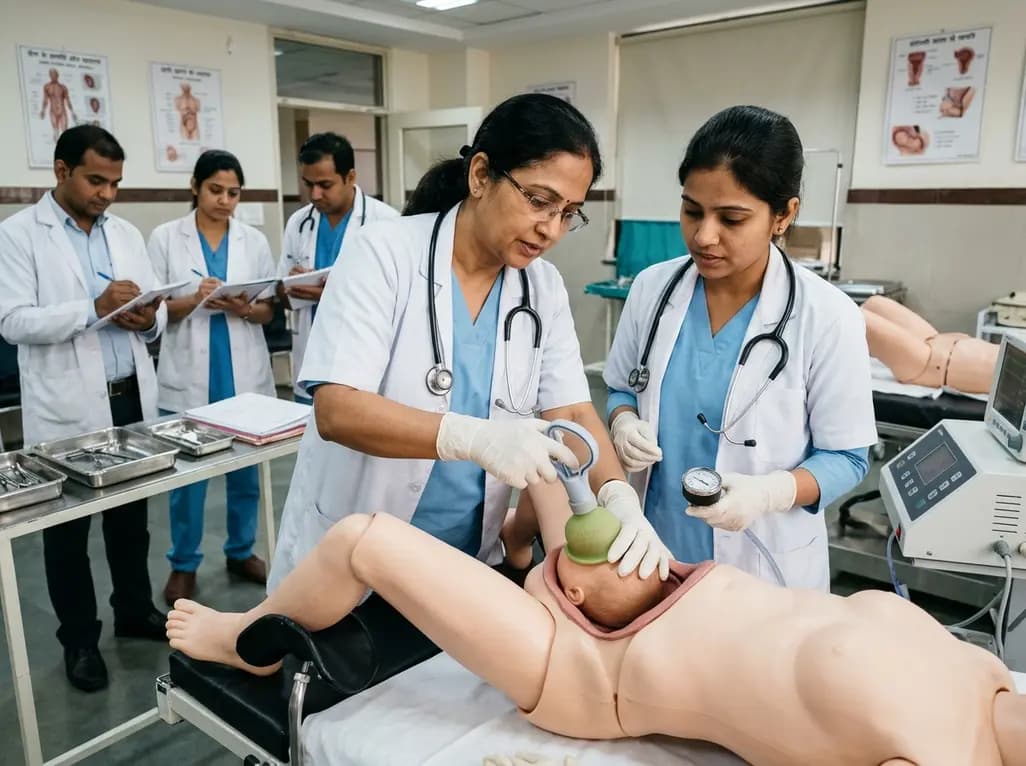
Operative vaginal delivery remains an indispensable clinical skill in modern labor wards worldwide. Clinicians frequently perform a vacuum-assisted vaginal birth to expedite delivery during prolonged second-stage labor or acute fetal compromise. However, suboptimal cup placement and excessive traction often cause accidental cup detachment, commonly known as a pop-off. A multicenter Spanish study across nineteen maternity hospitals now examines whether standardized simulation training directly reduces cup detachment rates in routine practice.
Vacuum extraction safely assists delivery when operators satisfy strict pelvic and cephalic prerequisites. Nevertheless, unexpected cup detachment represents a serious technical complication during instrumental labor. When a cup dislodges under strong negative pressure, rapid shear forces can injure fragile neonatal scalp tissues. Consequently, infants face elevated risks of cephalhematoma, subgaleal hemorrhage, and cranial abrasions. Furthermore, detachment frequently undermines maternal confidence and triggers emergency conversions to cesarean section. Most pop-offs do not reflect mechanical equipment malfunction. Instead, they typically arise from human technical error. Placing the traction cup away from the flexion point prevents the fetal head from flexing smoothly through the birth canal. Additionally, pulling obliquely rather than strictly along the pelvic curve creates uneven traction forces. Clinicians who fail to coordinate traction with maternal pushing efforts also experience higher failure rates. Therefore, improving procedural technique through structured education represents an urgent clinical priority.
To address this clinical dilemma, investigators launched a prospective multicenter quasi-experimental before-and-after protocol in nineteen Spanish maternity units. The comprehensive educational package blends rigorous preparatory theory with a standardized one-hour practical workshop. During these sessions, obstetricians and trainees practice operative techniques on high-fidelity PROMPT FLEX birthing simulators using clinical vacuum devices. Crucially, the training employs objective checklist-based assessments to evaluate every step of the procedure. Participants receive real-time supervised practice, personalized performance feedback, and structured debriefing. The curriculum emphasizes identifying the exact flexion point, which sits three centimeters anterior to the posterior fontanelle along the sagittal suture. Moreover, instructors train clinicians to apply axis traction strictly perpendicular to the cup face. Trainees also practice nonpulling hand stabilization, placing a thumb on the cup dome to feel tissue resistance. Consequently, this hands-on model builds tactile memory and corrects common handling errors before clinicians manage critical labor scenarios.
Evaluating clinical outcomes following medical simulation often presents methodological hurdles. Many earlier educational studies evaluated only trainee satisfaction or simulated dummy performance rather than verified patient outcomes. In contrast, this Spanish protocol designates clinical cup detachment as its primary clinical outcome measure. The study design establishes a robust preintervention observation period capturing 1,143 eligible instrumental deliveries across nineteen tertiary hospitals. Following a structured washout period, the researchers collect prospective postintervention delivery records. The statistical analysis plan utilizes modified Poisson regression models to estimate adjusted risk ratios and ninety-five percent confidence intervals. Furthermore, this analytic framework controls for institutional clustering and secular background trends over time. In addition to primary detachment events, investigators monitor secondary clinical endpoints, including sequential instrument use and conversion to emergency cesarean birth. By finalizing all statistical plans before unblinding data, the researchers ensure rigorous scientific transparency.
Hands-on simulation alters procedural behavior through several measurable clinical mechanisms. First, repeated tactile drill teaches obstetricians to recognize deflexing cup applications immediately. Correcting cup position before initiating negative suction ensures that traction exerts the smallest possible cranial diameter through the maternal pelvis. Second, simulated scenarios teach clinicians to coordinate traction seamlessly with uterine contractions and maternal expulsive efforts. Pulling during resting intervals increases shear stress without producing progressive descent. Third, simulation reinforces disciplined tractive force limits. Operators learn that finger-tip traction generates adequate force, whereas brute pulling indicates unrecognized fetopelvic disproportion. Furthermore, simulation curricula establish clear boundaries for timely procedural abandonment. Guidelines recommend abandoning vacuum extraction if the cup detaches repeatedly or if descent fails after three consecutive contractions. Clinicians who internalize these rules during debriefing abandon futile attempts early, thereby avoiding catastrophic fetal trauma.
The findings from this multicenter trial will provide essential guidance for institutional credentialing and residency education. Modern obstetric trainees encounter fewer operative vaginal births due to rising cesarean delivery rates and legal concerns. Consequently, junior doctors often lack clinical confidence during difficult second-stage emergencies. Implementing mandatory simulation workshops bridges this experiential deficit effectively. Brief, focused simulation modules fit easily into busy hospital rosters without disrupting routine labor ward coverage. Moreover, multidisciplinary simulation fosters better communication between obstetricians, midwives, and neonatologists during assisted births. Standardizing technique across entire obstetric departments prevents idiosyncratic practice variations that jeopardize maternal safety. Ultimately, mastering vacuum application under safe simulated conditions ensures consistent, gentle, and successful operative deliveries in daily practice.
The flexion point lies along the sagittal suture, approximately three centimeters anterior to the posterior fontanelle. Placing the vacuum cup precisely over this landmark promotes fetal head flexion during descent. Flexion presents the smallest cephalic diameter to the birth canal, which minimizes required traction force and drastically lowers the risk of accidental cup detachment during operative delivery.
Standard obstetric guidelines advise reevaluating or completely abandoning vacuum extraction if a cup detaches twice. If a detachment occurs alongside lack of fetal descent, clinicians must stop immediately. Persisting after multiple pop-offs markedly increases the risk of severe neonatal scalp trauma, subgaleal hemorrhage, and permanent intracranial injury.
Simulation provides repetitive hands-on practice in an environment free from clinical pressure. Clinicians master pelvic axis traction, proper finger positioning, and precise device orientation on anatomical mannequins. Furthermore, structured debriefing teaches providers to recognize early warning signs of technical difficulty, preventing inappropriate traction vectors and reducing maternal-fetal procedural complications.
Disclaimer: This content is for informational and educational purposes only and should not be considered medical advice. Always consult a qualified healthcare professional regarding any medical condition or treatment. Refer to the latest local and national guidelines for clinical practice.
References
Hernandez MRV et al. Impact of a Simulation-Based Training Program on Cup Detachment During Vacuum-Assisted Vaginal Birth: Protocol for a Multicenter Quasi-Experimental Before-and-After Study. JMIR Res Protoc. 2026 Oct 23. doi: 10.2196/100242. PMID: 42913463.
Mannella P, et al. Simulation training program for vacuum application to improve technical skills in vacuum-assisted vaginal delivery. BMC Pregnancy Childbirth. 2021;21(1):338.
Royal College of Obstetricians and Gynaecologists. Assisted Vaginal Birth: Green-top Guideline No. 26. BJOG. 2020;127(9):e70-e112.

Read summarized clinical updates, watch expert medical content, and earn CME certifications right from your smartphone.
Open your smartphone camera to scan and install.





A multicenter study evaluates whether standardized simulation training reduces cup detachment during vacuum-assisted vaginal birth. Evidence-based simulation equips obstetricians to improve cup placement, reduce maternal-fetal trauma, and optimize clinical decision-making during operative deliveries.
Today
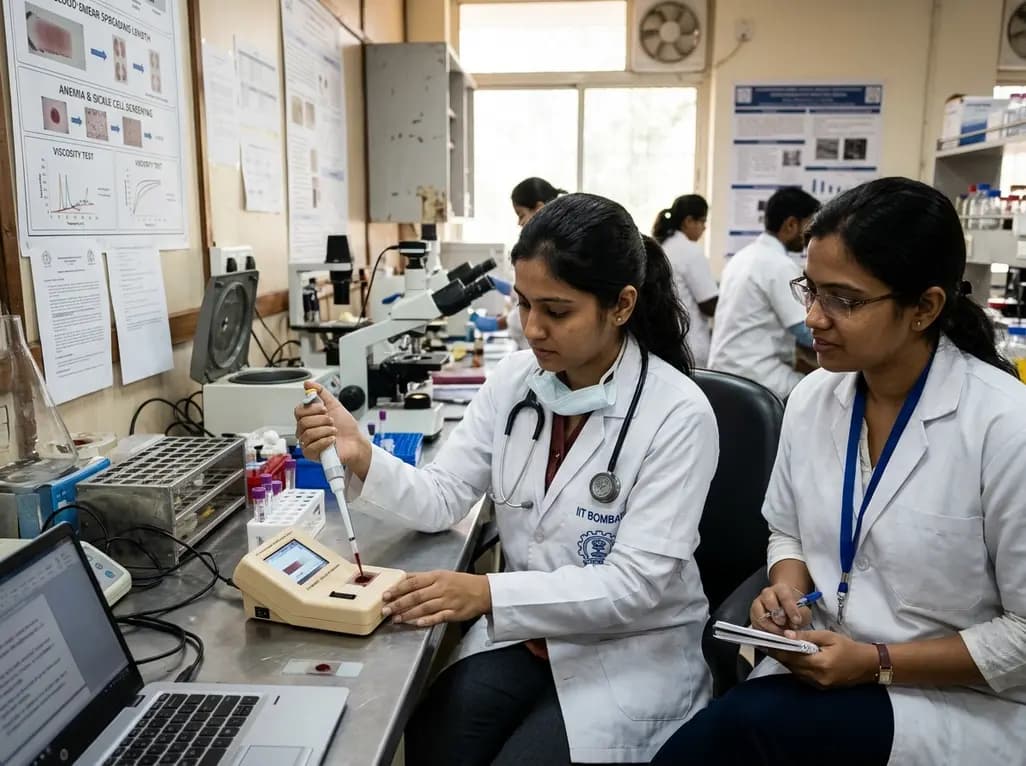
Researchers at IIT Bombay have engineered an automated, cost-effective point-of-care device that diagnoses anaemia and sickle cell disease from a single drop of blood. By measuring blood smear spreading length, this portable tool assesses blood viscosity to offer rapid screening in resource-limited healthcare centers.
Today
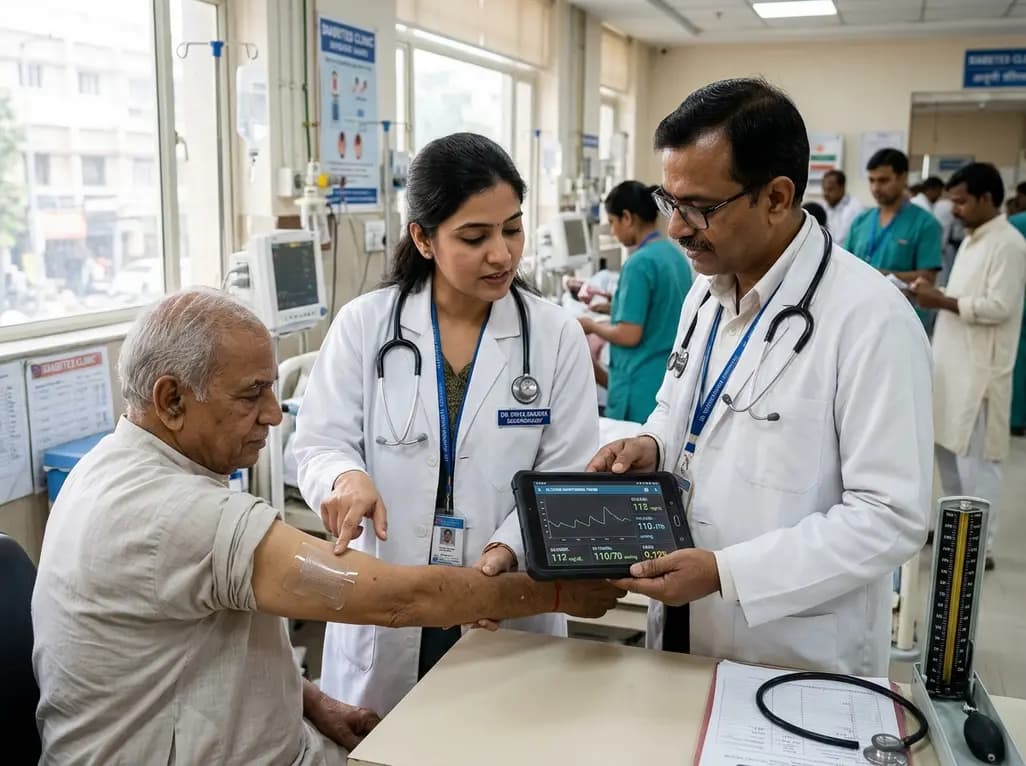
A breakthrough ultrathin multimodal sensor decouples physical hemodynamic monitoring from disposable electrochemical calibration, achieving long-term wearable glucose prediction with 81.36% accuracy and a 9.12% MARD. This offers a robust, drift-free solution for outpatient metabolic surveillance.
Today
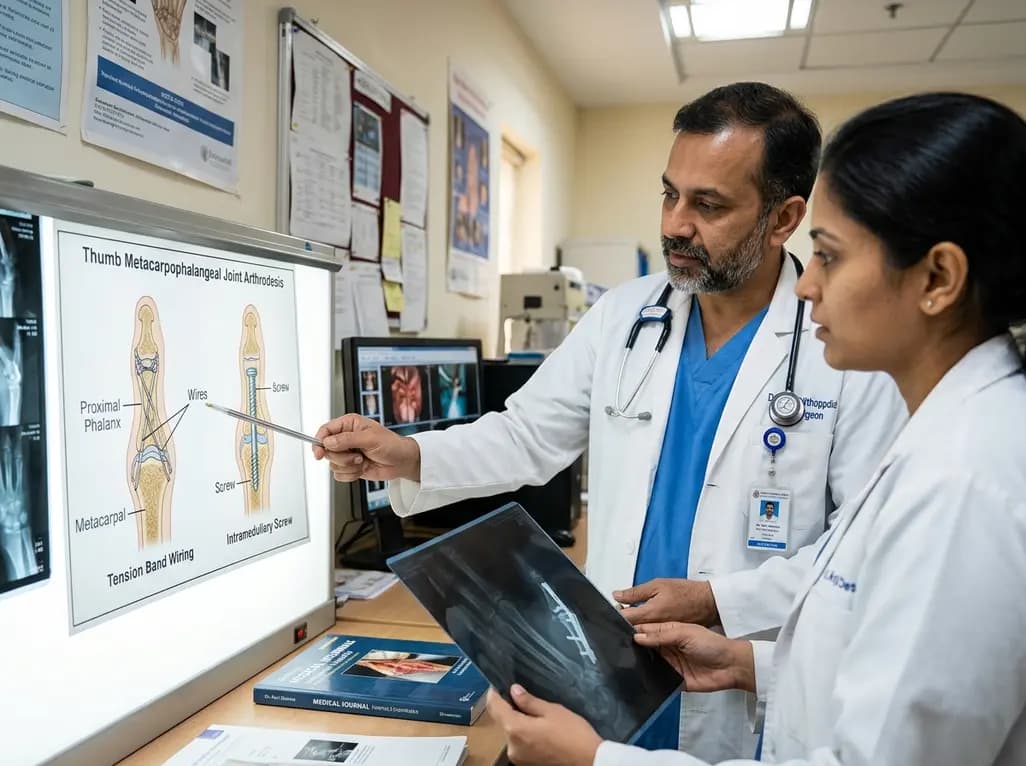
A comparative review of tension band wiring and intramedullary screw fixation in thumb metacarpophalangeal arthrodesis, evaluating union rates, hardware complications, and clinical outcomes.
Today
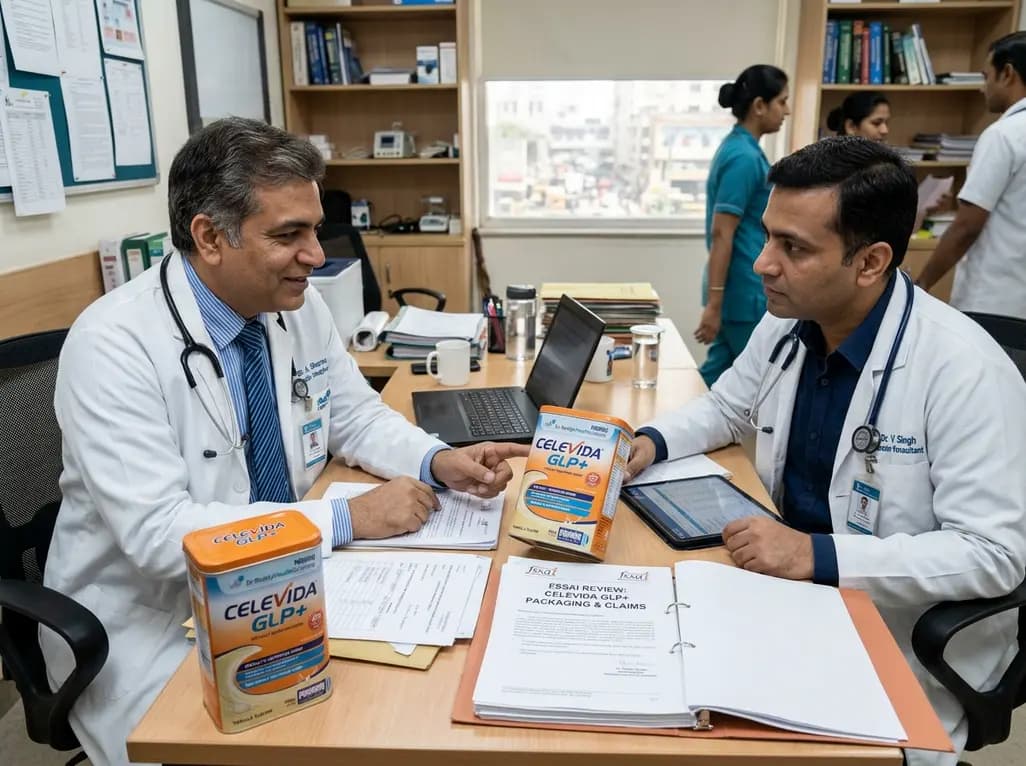
Following regulatory scrutiny from FSSAI regarding promotional representations and lean muscle preservation claims, Dr. Reddy's Laboratories and Nestlé Health Science are currently reviewing the branding and marketing strategy for their joint nutritional supplement Celevida GLP+.
Today
