.webp&w=384&q=75)

Loading, please wait...
Loading, please wait...

Researchers are increasingly focused on optimizing digital health study attendance to ensure the success of longitudinal research projects. The recent American Women Assessing Risk Epidemiologically (AWARE) study provides critical insights into why participants may miss virtual appointments. Consequently, understanding these patterns allows for better study design and more effective resource allocation in clinical settings.
The study found that age and timing significantly influence engagement levels. Specifically, women aged 50 and older were more likely to miss baseline visits compared to younger participants in their 20s. Furthermore, researchers observed that appointments scheduled at 8:00 am, 2:00 pm, and 4:00 pm had the highest no-show rates. On the other hand, Friday appointments and visits during March or June showed the best attendance figures. Therefore, researchers should consider these temporal trends when planning participant outreach and scheduling calendars.
The research identified appointment confirmations as one of the most effective interventions for maintaining digital health study attendance. When the study team confirmed appointments 24 hours in advance, no-show rates dropped from 51.6% to just 19.0%. This evidence suggests that simple digital reminders can drastically improve retention. Additionally, the study highlighted that structural vulnerabilities, such as a history of physical harm or incarceration, link directly to lower attendance. As a result, providing tailored support for these participants is vital for fostering inclusive and representative research.
According to recent research, confirming appointments 24 hours in advance is highly effective. Additionally, choosing specific days like Friday and avoiding mid-afternoon slots may help improve overall participation.
Older participants, particularly those over 50, showed higher odds of missing visits in the AWARE study. This may be due to technological barriers or different daily routines that require more personalized digital access support.
Disclaimer: This content is for informational and educational purposes only. It does not constitute medical advice or a professional recommendation. Refer to the latest local and national guidelines for clinical practice.
References
1. Schnall R et al. Optimizing participation in digital health studies: understanding appointment attendance. J Am Med Inform Assoc. 2026 Apr 25. doi: undefined. PMID: 42035294.
2. Gurol-Urganci I et al. Mobile phone messaging reminders for attendance at healthcare appointments. Cochrane Database Syst Rev. 2013.
3. Nelson LA et al. Barriers and Facilitators to Engagement in Digital Health Interventions. World J Diabetes. 2022.

Read summarized clinical updates, watch expert medical content, and earn CME certifications right from your smartphone.
Open your smartphone camera to scan and install.





A study on the AWARE cohort identifies key factors influencing appointment attendance in digital health research, emphasizing the value of confirmations....
5 months ago
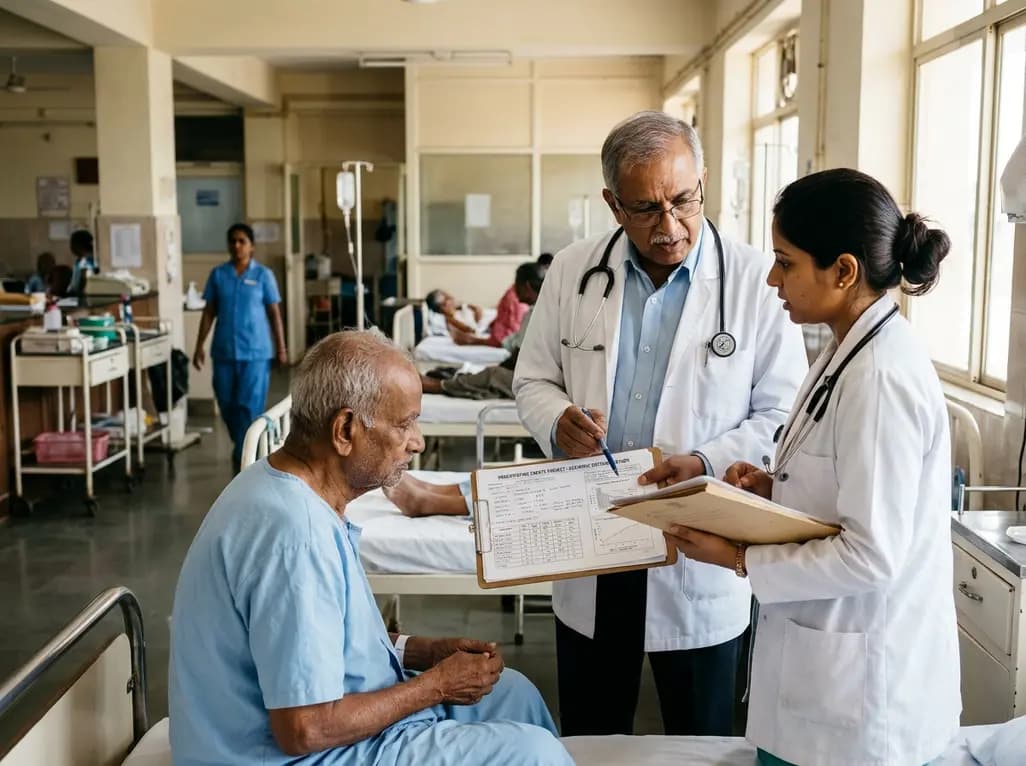
Failing to account for competing events like mortality in longitudinal geriatric studies produces biased risk estimates and misleading inferences. This review highlights key methodological principles, insights from the Precipitating Events Project, and practical approaches for clinical research appraisal.
Today
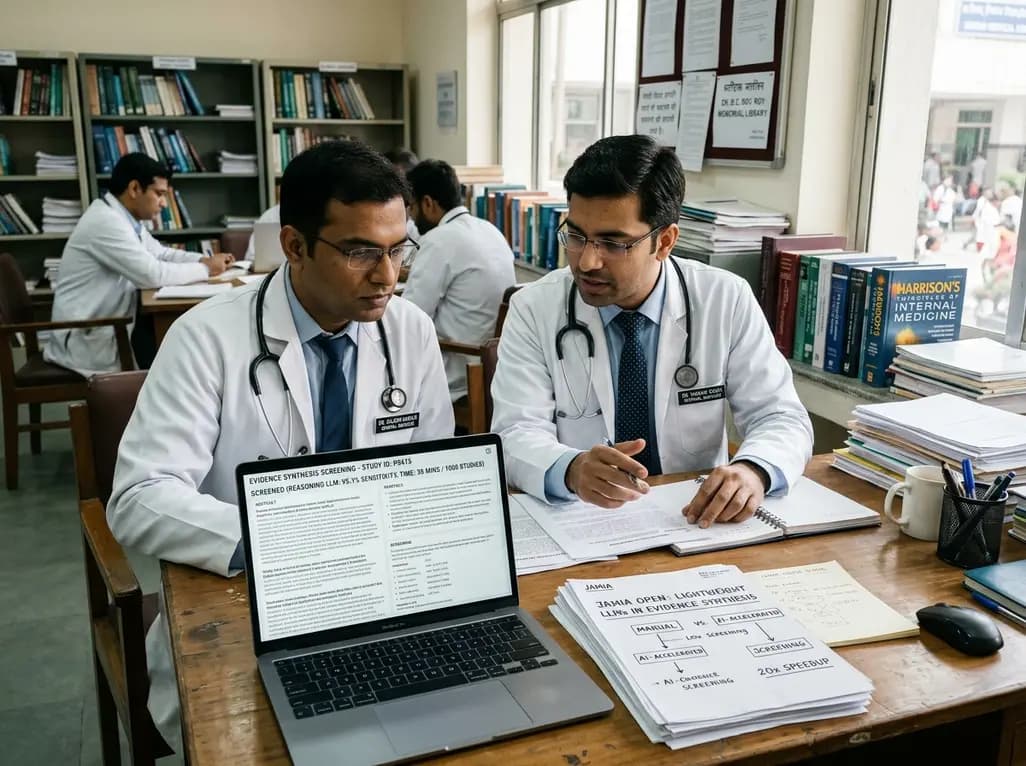
A study in JAMIA Open shows lightweight open-source reasoning LLMs achieve up to 95% sensitivity and accelerate evidence synthesis screening by nearly twentyfold, presenting a cost-effective, scalable AI solution for biomedical research and systematic reviews.
Today
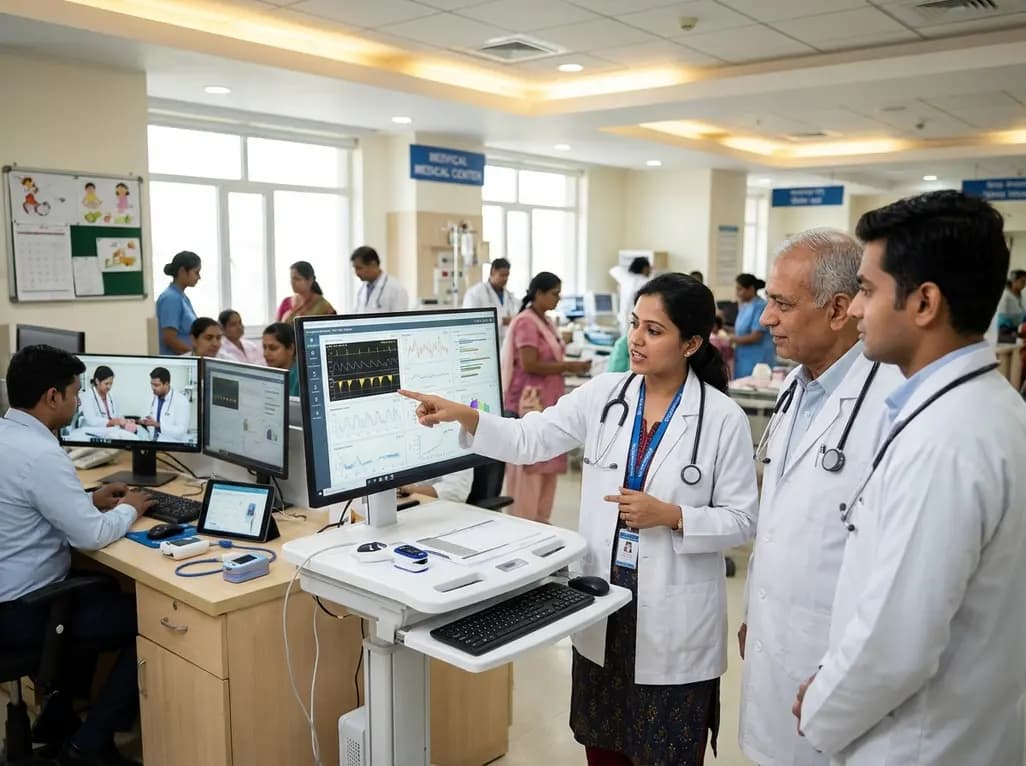
A landmark study details how an enterprise pediatric remote patient management model expanded from a single cardiology pilot to 16 diverse specialty programs by combining centralized digital operations with specialty clinical leadership.
Today
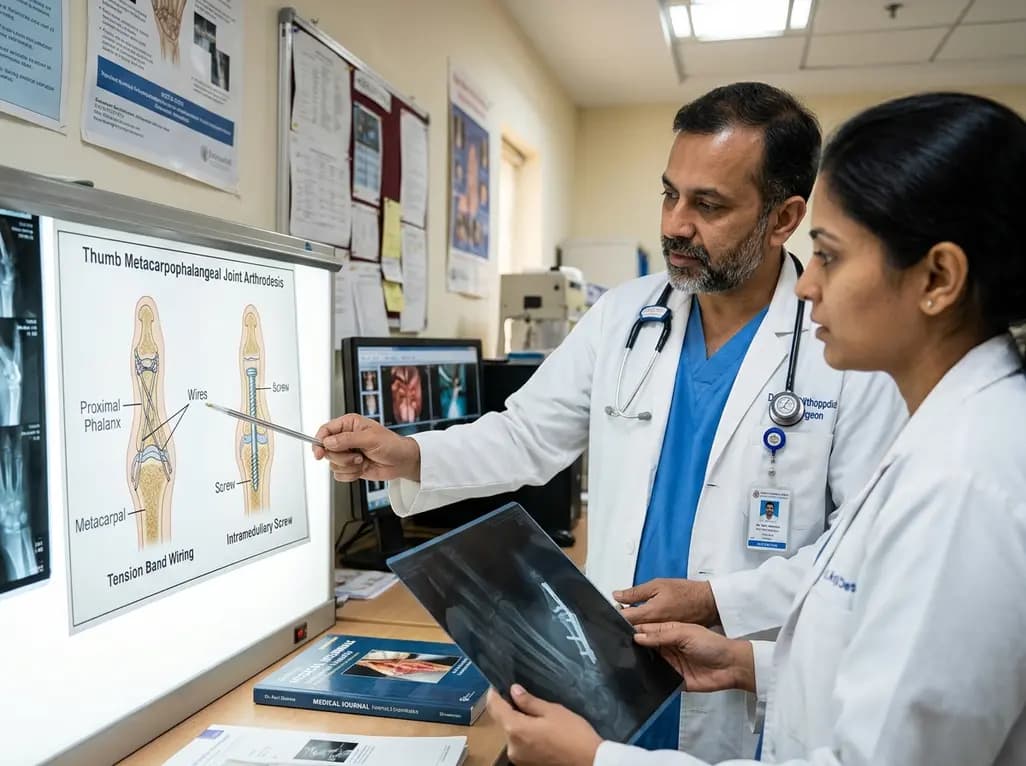
A comparative review of tension band wiring and intramedullary screw fixation in thumb metacarpophalangeal arthrodesis, evaluating union rates, hardware complications, and clinical outcomes.
Yesterday
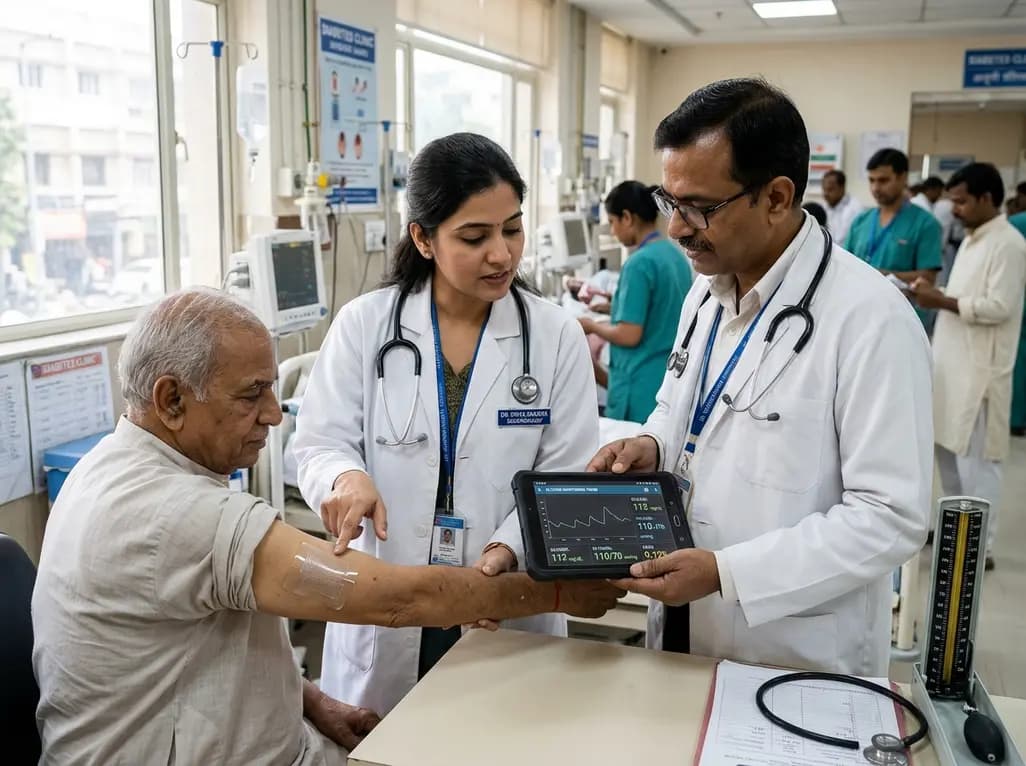
A breakthrough ultrathin multimodal sensor decouples physical hemodynamic monitoring from disposable electrochemical calibration, achieving long-term wearable glucose prediction with 81.36% accuracy and a 9.12% MARD. This offers a robust, drift-free solution for outpatient metabolic surveillance.
Today
