.webp&w=384&q=75)

Loading, please wait...
Loading, please wait...
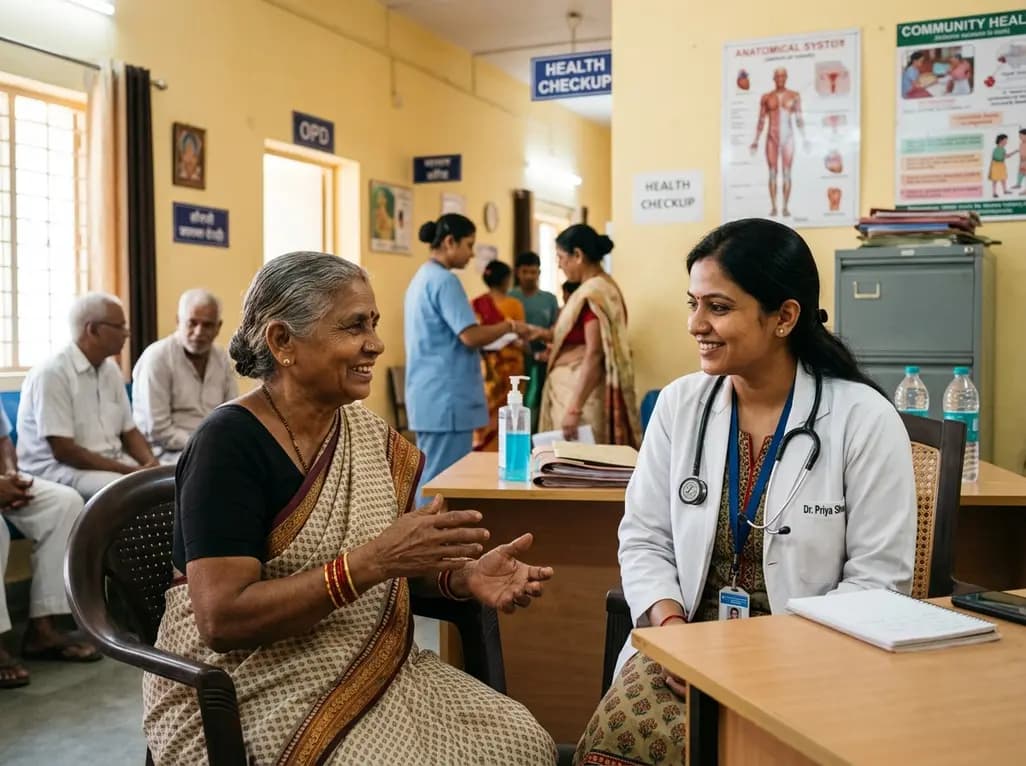
Maintaining robust engagement in community life serves as a cornerstone of healthy aging and functional preservation. Consequently, investigating older adult social participation has emerged as an essential priority for clinicians, public health researchers, and policymakers worldwide. When older individuals remain actively involved in community networks, they experience lower rates of cognitive decline and depression. However, functional impairment, systemic neglect, and physical barriers often restrict these meaningful social interactions. A recent mixed-methods study evaluates how multiple interconnected layers influence communal engagement among seniors. By examining data from both older residents and community workers, researchers highlighted how individual capacities interact with structural environments. Therefore, understanding these complex dynamics enables healthcare providers to design holistic geriatric care plans that promote long-term vitality.
The Social Ecological Model provides an exceptional framework for dissecting the diverse elements that govern communal engagement in later life. Historically, clinical assessments frequently focused solely on individual deficits such as chronic illness or physical weakness. In contrast, ecological perspectives recognize that human behavior stems from continuous transactions between individuals and their surrounding environments. Furthermore, this recent investigation enrolled 641 community-dwelling older adults and gathered qualitative narratives from both seniors and grassroots workers. Through a convergent parallel mixed-methods design, the study successfully triangulated statistical trends with real-world lived experiences. As a result, the authors demonstrated that social engagement represents far more than an individual choice or isolated health outcome. Instead, it reflects a continuous interplay involving personal motivation, interpersonal networks, neighborhood infrastructure, and overarching societal policies. Consequently, healthcare practitioners must broaden their diagnostic lens beyond biological markers to evaluate social determinants effectively.
At the individual level, biological aging and physiological reserve significantly determine whether an individual participates in neighborhood life. Specifically, the quantitative findings revealed that older age, cognitive impairment, and compromised activities of daily living directly predicted reduced engagement. Moreover, seniors with poor self-rated health demonstrated substantial withdrawal from routine social activities. Conversely, higher educational attainment and consistent weekly exercise served as protective factors that sustained active participation. Regular exercise preserves physical mobility and stamina, thereby empowering older adults to navigate community spaces with confidence. In addition, education frequently equips individuals with greater health literacy and proactive coping mechanisms. When clinicians encounter geriatric patients presenting with progressive functional limitations, they must proactively screen for escalating social disengagement. Interventions aimed at optimizing physical rehabilitation, managing sensory deficits, and stabilizing chronic ailments directly protect social connectivity. Therefore, individual clinical management remains a critical baseline for sustaining community interaction.
Interpersonal relationships operate as powerful conduits that either foster or constrain community involvement among seniors. Qualitative analyses revealed that family members, peers, and neighbors profoundly shape an older person's daily schedule. For example, strong emotional and instrumental support from adult children provides seniors with the logistical reassurance needed to attend local gatherings. Furthermore, peers serve as vital motivational anchors, because shared activities cultivate a sense of belonging and mutual validation. When older adults lose their close peers to illness or relocation, their motivation to engage often declines sharply. However, family overprotectiveness can occasionally impede independence, as overly cautious relatives might discourage outdoor movement due to fear of falls. Thus, geriatric healthcare professionals should actively engage family caregivers during counseling sessions. By fostering balanced support systems that encourage autonomy, families can help older adults maintain active social roles without compromising safety.
Community environments serve as the immediate physical and relational stage for daily socialization. The study demonstrated that active community encouragement and tailored outreach markedly increase participation rates among community-dwelling seniors. Additionally, qualitative data revealed key subthemes, highlighting activity design, accessibility, communication channels, and local resource availability. If community centers schedule programs that disregard older adults' specific cultural or artistic preferences, attendance drops rapidly. Furthermore, physical barriers such as steep stairs, broken sidewalks, and inadequate rest areas severely restrict mobility-impaired individuals from participating. Conversely, proactive community workers who establish reliable communication networks and accessible venues significantly boost collective involvement. Community-based organizations must therefore design diverse, inclusive programs that accommodate varying functional capabilities. When local facilities offer barrier-free access and structured peer groups, older individuals participate more consistently and reap sustained emotional benefits.
Beyond local neighborhoods, broader societal structures and institutional policies establish the macro-level foundation for healthy aging. The investigation highlighted that municipal resource allocation and formal institutional support dictate the sustainability of community programs. When public health policies prioritize age-friendly urban planning, older populations enjoy safer transportation, well-maintained parks, and dedicated community hubs. Moreover, institutional funding directly influences whether grassroots workers have adequate resources to organize regular wellness initiatives and social events. In contrast, underfunded programs struggle with staff burnout and inconsistent activity scheduling, which ultimately alienates vulnerable seniors. Policy frameworks must also incentivize intersectoral collaboration between primary healthcare centers, social welfare departments, and local civic bodies. By standardizing community outreach guidelines and expanding public investments in eldercare infrastructure, societies can create sustainable environments that nurture active social inclusion.
Integrating social ecological findings into routine clinical practice allows medical providers to deliver truly comprehensive geriatric care. Clinicians frequently encounter older patients whose physical symptoms worsen due to loneliness, social isolation, and sedentary habits. Therefore, physicians should incorporate rapid assessments of social support and daily communal engagement into standard geriatric evaluations. When identifying vulnerable patients, practitioners can initiate social prescribing initiatives that link individuals directly to local community programs. Furthermore, multidisciplinary collaboration involving general practitioners, physiotherapists, social workers, and nurses ensures that physical and environmental barriers are systematically addressed. Recommending tailored physical activity regimens alongside community-based social participation produces synergistic benefits for metabolic, cardiovascular, and cognitive health. Ultimately, viewing the patient through a multi-tiered ecological lens empowers healthcare professionals to address the multifaceted drivers of healthy aging effectively.
Active social participation stimulates neural pathways, enhances cognitive reserve, and reduces depressive symptoms among older adults. Regular engagement also encourages physical movement and routine daily activities, which preserves musculoskeletal function and cardiovascular endurance. Consequently, socially connected seniors experience slower rates of functional decline, retain greater independence in daily living activities, and report significantly higher self-rated health compared to socially isolated individuals.
Key barriers span multiple ecological levels, including advanced age, cognitive impairment, mobility limitations, and poor self-rated health at the individual level. Additionally, interpersonal barriers include inadequate social support and caregiver overprotection. At the environmental and institutional levels, inaccessible physical infrastructure, poorly designed community activities, lack of transportation, and insufficient municipal funding severely restrict older adults from engaging in community life.
Clinicians can implement social prescribing by routinely evaluating social isolation and functional capacity during standard geriatric visits. Medical providers then collaborate with community navigators, social workers, and local organizations to connect patients with structured social, cultural, or physical activities. This holistic approach directly addresses loneliness, reinforces medical adherence, and improves overall functional independence through structured community integration.
Disclaimer: This content is for informational and educational purposes only and is not intended as a substitute for professional medical advice, diagnosis, or treatment. Always seek the advice of your physician or another qualified healthcare provider with any questions you may have regarding a medical condition. Refer to the latest local and national guidelines for clinical practice.
References

Read summarized clinical updates, watch expert medical content, and earn CME certifications right from your smartphone.
Open your smartphone camera to scan and install.





A mixed-methods study evaluates individual, interpersonal, community, and societal factors influencing older adult social participation and healthy aging.
last month
Discover a synchronized faculty and fellow quality improvement curriculum designed for geriatric and palliative care, strengthening institutional mentorship and clinical outcomes.
Today

Postoperative adhesions cause severe complications, including bowel obstruction and infertility. This review highlights functional biomaterials, evaluating polysaccharide films and hydrogels while addressing retention, tissue conformability, and translational hurdles in clinical surgery.
Today
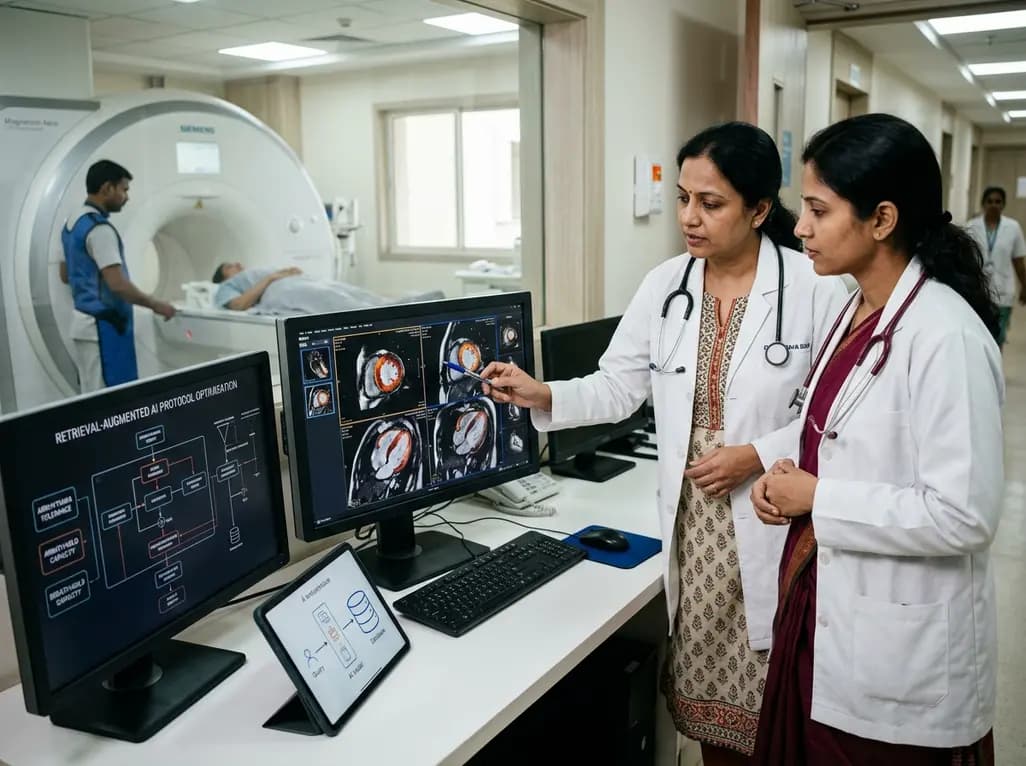
A prospective study demonstrates that an AI framework utilizing a retrieval-augmented LLM personalizes cine cardiac MRI protocols with diagnostic accuracy noninferior to experienced technologists, even in complex clinical scenarios involving arrhythmia and limited breath-holding capacity.
Today
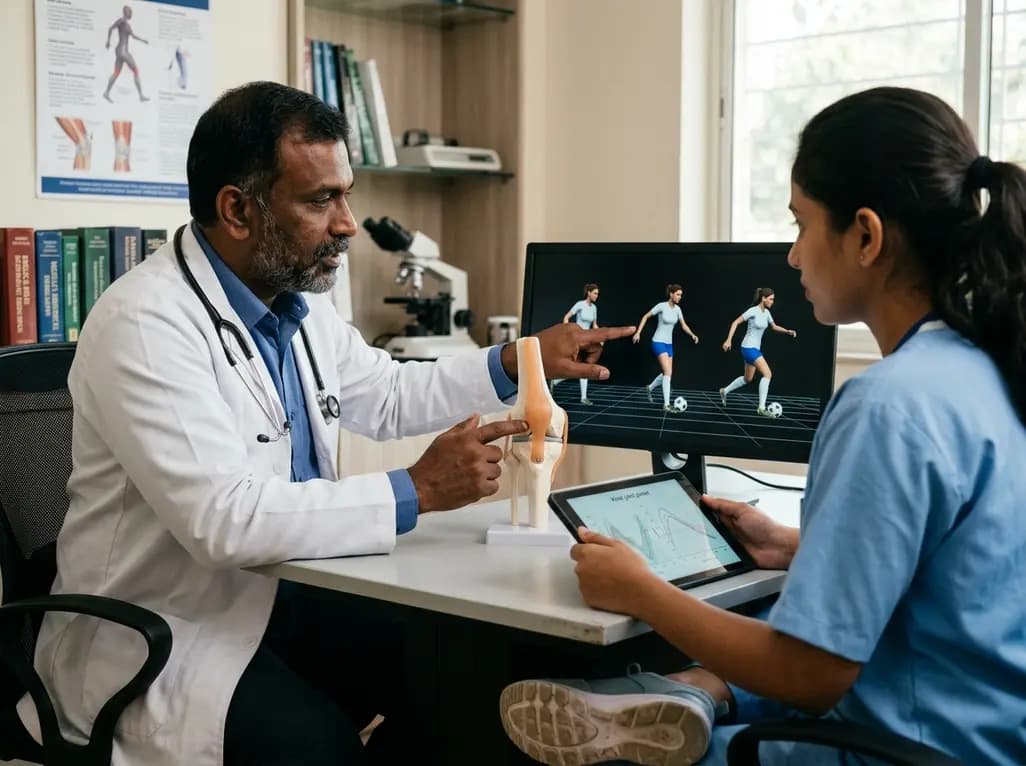
New biomechanical research reveals that foot-strike angle significantly influences knee energy absorption during cutting tasks in female soccer players. Understanding these kinematic patterns offers clinicians valuable pathways for targeted ACL injury prevention and athletic retraining.
Today
A cross-sectional study demonstrates that increased BMI in adolescents significantly enhances mandibular length and alters salivary adipokines like adiponectin and resistin, providing novel insights into craniofacial growth and orthodontic planning.
Today
