.webp&w=384&q=75)

Loading, please wait...
Loading, please wait...

Postoperative adhesions represent a pervasive clinical challenge across general surgery, gynecology, and orthopedics. These pathological fibrous bands form after surgical trauma, frequently triggering serious complications such as adhesive intestinal obstruction, chronic pelvic discomfort, and acquired infertility. Consequently, post-surgical adhesions generate enormous socioeconomic burdens due to extended hospital stays and re-explorations. Although meticulous tissue handling and laparoscopy mitigate surgical trauma, they cannot prevent fibrous band formation entirely. Therefore, surgical teams require reliable strategies for postoperative adhesion prevention to improve patient recovery. Bioengineers currently focus on developing innovative biomaterials that provide dependable physical separation while modulating cellular repair pathways.
Tissue injury triggers a complex biological cascade within the peritoneal cavity. Initially, mechanical incisions, tissue desiccation, or thermal electrocautery disrupt the single-cell mesothelial lining. Consequently, vascular permeability rises rapidly, releasing plasma proteins and abundant fibrinogen into the peritoneal cavity. Local clotting pathways promptly convert fibrinogen into insoluble fibrin, creating a provisional gel matrix across opposing injured organs. Under normal conditions, native tissue plasminogen activators drive efficient fibrinolysis, dissolving this fibrinous bridge within a few days. However, surgical trauma, persistent ischemia, and foreign particulate matter elevate plasminogen activator inhibitors, suppressing endogenous fibrinolytic activity. Because fibrinolysis falters, the temporary fibrin matrix persists and invites migrating inflammatory cells. Subsequently, activated macrophages release influential cytokines, including transforming growth factor-beta and vascular endothelial growth factor. These molecular signals stimulate fibroblast migration, proliferation, and collagen deposition. Over the following weeks, abundant extracellular matrix components turn these fibrinous strands into permanent, vascularized fibrous bands. Thus, therapeutic interventions must interrupt this cascade before irreversible structural remodeling begins.
Because peritoneal re-epithelialization generally concludes within five to seven days, physical barriers provide an effective strategy for postoperative adhesion prevention. These biomaterials physically segregate denuded tissue surfaces, preventing abnormal tissue contact while mesothelial monolayers heal independently. Researchers design diverse natural and synthetic biomaterials to satisfy this essential barrier function. An optimal anti-adhesion material must demonstrate biocompatibility, support mesothelial migration, and degrade non-toxically after tissue repair concludes. Furthermore, the barrier must withstand shear stresses from visceral peristalsis without eliciting adverse inflammatory reactions. Historically, clinicians utilized non-absorbable synthetic sheets to isolate vulnerable sites. Although these sheets physically prevented organ tethering, they provoked persistent foreign body responses and necessitated secondary surgical retrieval. In contrast, modern bioengineering utilizes resorbable polymers, including hyaluronic acid, carboxymethyl cellulose, and aliphatic polyesters. These degradable biomaterials create a transient physical shield that gradually dissolves through enzymatic or hydrolytic breakdown. Additionally, advanced barriers can release anti-inflammatory agents locally to suppress fibrotic cascades. Consequently, material design has shifted from inert mechanical shielding toward proactive, regenerative tissue protection.
Although several commercial polymer films have attained clinical clearance, their therapeutic performance remains inconsistent. Traditional barrier films, such as oxidized regenerated cellulose and hyaluronate-carboxymethylcellulose sheets, offer demonstrable barrier action in standardized settings. However, surgeons encounter significant mechanical difficulties when applying these delicate products during actual operations. Specifically, solid films tear easily upon handling and adhere prematurely to wet surgical gloves or instruments. Furthermore, rigid films lack elasticity, preventing them from conforming to irregular anatomical contours or deep pelvic recesses. Liquid instillates and polymer solutions offer simpler administration; however, rapid clearance through lymphatic drainage substantially shortens their local residence time. Consequently, liquid barriers often clear before mesothelial healing concludes, leaving tissue surfaces unprotected. In addition, existing solid membranes demonstrate poor wet-tissue adherence, which frequently causes post-implantation displacement or complete dislodgement under gravity and organ motion. In minimally invasive surgery, delivering fragile films through narrow trocars creates severe technical hurdles. Therefore, these translational limitations highlight an urgent requirement for pliable, robust, and easily deployable anti-adhesion biomaterials.
To overcome the physical deficiencies of traditional films, bioengineers formulate advanced hydrogels with superior handling and protective properties. Polysaccharide hydrogels, derived from biopolymers such as hyaluronic acid, alginate, and dextran, exhibit high hydrophilicity and mimic extracellular matrix mechanics. In addition, researchers can engineer hydrogel crosslinking networks to provide shear-thinning and rapid self-healing capabilities. These adaptable rheological properties allow surgeons to inject hydrogels effortlessly through laparoscopic catheters directly onto irregular tissue beds. Upon contact with wet tissue, these formulations undergo rapid in situ gelation, establishing strong interfacial adhesion without requiring suture fixation. Consequently, conformable hydrogels stay firmly anchored to the damaged mesothelium throughout healing. Moreover, bioengineers incorporate therapeutic agents to create multifunctional anti-adhesion platforms. By releasing anti-inflammatory compounds, free radical scavengers, or fibrinolytic modulators, these smart hydrogels attenuate local oxidative stress and inhibit excessive fibroblast activation. Similarly, asymmetric bilayer hydrogels combine a non-adhesive outer surface with a tissue-adherent inner surface. Thus, next-generation hydrogels deliver both physical shielding and localized pharmacotherapy to suppress adhesion development.
Despite remarkable preclinical progress, several major translational hurdles prevent the widespread adoption of next-generation anti-adhesion biomaterials. First, matching biomaterial degradation rates to tissue healing remains exceedingly difficult. If a hydrogel degrades too quickly, tissues regain contact before remesothelialization concludes; conversely, overly durable materials trigger chronic foreign body reactions. Second, developers must ensure that anti-adhesion barriers do not disrupt physiological healing or compromise surgical anastomoses. Because powerful anti-fibrotic drugs suppress cellular proliferation, unintended leakage into suture lines could cause anastomotic failure. Third, scaling up bioengineered hydrogels under good manufacturing practice presents significant regulatory and technical hurdles. Manufacturers must guarantee consistent polymer purity, extended shelf life, and reliable sterilization without altering crosslinking behavior. Furthermore, evaluating anti-adhesion performance in human clinical trials remains challenging because non-invasive imaging techniques cannot visualize delicate peritoneal bands accurately. Consequently, clinical verification often requires second-look laparoscopy. Future efforts must focus on standardizing trial methodologies, optimizing stimuli-responsive biomaterials, and creating intuitive delivery devices compatible with robotic and laparoscopic surgical equipment.
Postoperative adhesions represent a major clinical hazard that can cause acute small bowel obstruction, demanding emergency surgical intervention. Furthermore, dense pelvic adhesions frequently distort reproductive anatomy, leading to chronic pelvic pain and acquired female infertility. During subsequent re-explorations, dense adhesions obscure anatomical planes, thereby prolonging operative times, escalating blood loss, and markedly increasing the risk of accidental iatrogenic enterotomy or vessel perforation.
Conventional solid films present notable technical challenges because they lack flexibility and become excessively sticky upon contact with bodily fluids. Consequently, surgeons struggle to position these brittle sheets across irregular or recessed anatomical contours. In addition, existing solid barriers frequently migrate or detach completely due to gravitational forces and continuous bowel peristalsis. In minimally invasive surgery, delivering fragile films through narrow trocars without tearing remains exceptionally cumbersome.
Injectable in situ forming hydrogels offer remarkable advantages because they can be delivered laparoscopically as low-viscosity liquid solutions. Upon encountering the injured tissue surface, dynamic crosslinking transforms them into resilient, conformal barriers that adhere firmly to complex wound topographies. Moreover, hydrogels resist dislodgement from natural organ movement while maintaining protective spatial separation throughout the critical mesothelial re-epithelialization phase before safely degrading via hydrolytic pathways.
Disclaimer: This content is for informational and educational purposes only... Refer to the latest local and national guidelines for clinical practice.
References
Wei Y et al. Engineering Functional Biomaterials for the Effective Prevention of Postoperative Adhesion: Strategies, Mechanisms, and Future Perspectives. ACS Appl Bio Mater. 2026 Oct 04. doi: 10.1021/acsabm.6c01322. PMID: 42829960.
Ten Broek RPG, et al. Benefits and harms of adhesion barriers for abdominal surgery: a systematic review and meta-analysis. Lancet. 2014;383(9911):48-59.
Inoue M, et al. Biomaterials to Prevent Post-Operative Adhesion. Materials (Basel). 2020;13(14):3056.

Read summarized clinical updates, watch expert medical content, and earn CME certifications right from your smartphone.
Open your smartphone camera to scan and install.





Postoperative adhesions cause severe complications, including bowel obstruction and infertility. This review highlights functional biomaterials, evaluating polysaccharide films and hydrogels while addressing retention, tissue conformability, and translational hurdles in clinical surgery.
Today
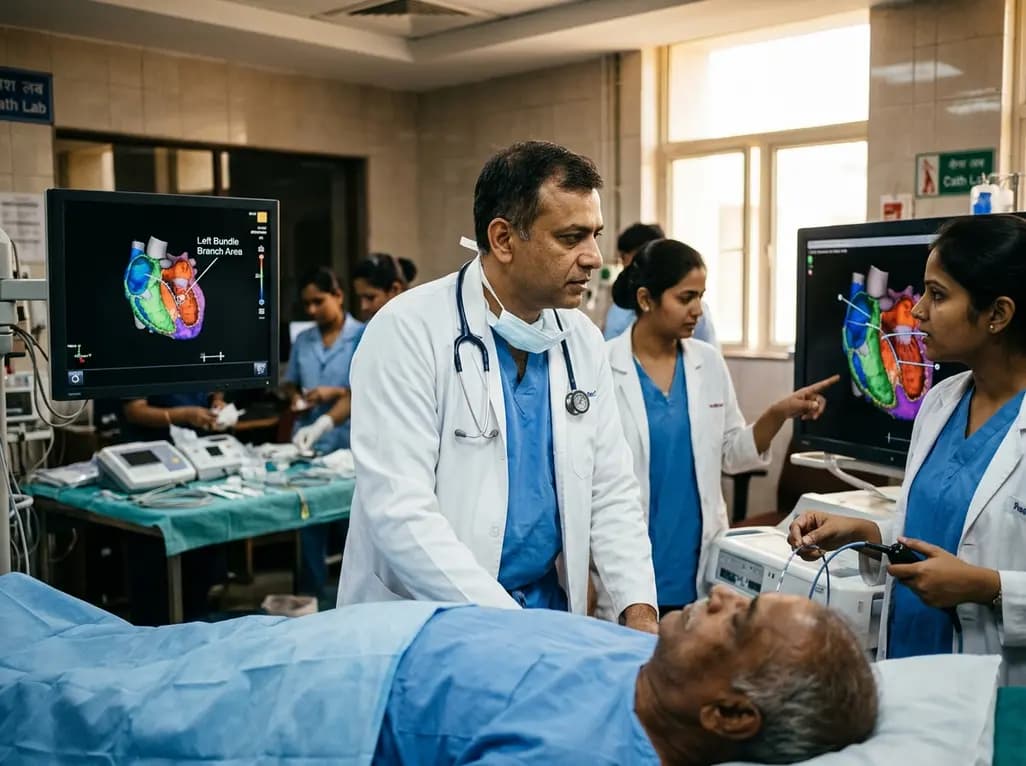
Left bundle branch pacing is an emerging physiological resynchronization strategy for heart failure. While observational data and some trials show benefits over biventricular pacing, divergent trial outcomes highlight the importance of confirmed conduction capture and specialized operator technique.
Today
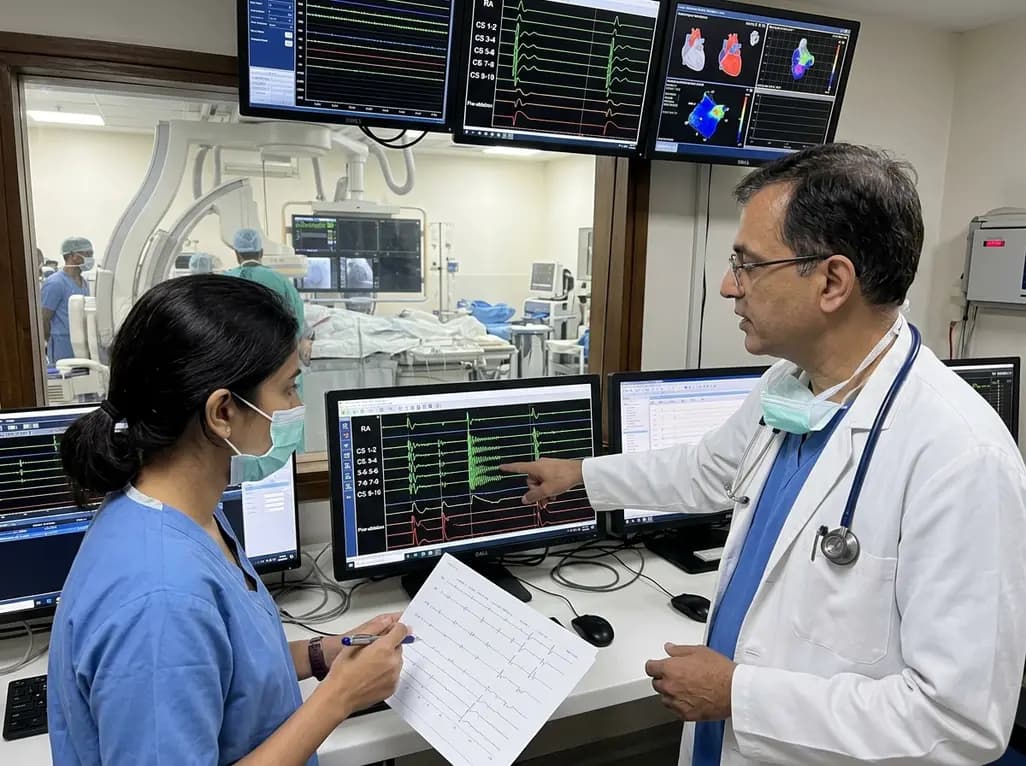
Radiofrequency catheter ablation of the cavotricuspid isthmus successfully terminates typical atrial flutter. This article reviews the mechanisms driving coronary sinus electrogram changes, wavefront activation pathways, and clinical criteria to verify bidirectional block during electrophysiology studies.
Today
New biomechanical research reveals that foot-strike angle significantly influences knee energy absorption during cutting tasks in female soccer players. Understanding these kinematic patterns offers clinicians valuable pathways for targeted ACL injury prevention and athletic retraining.
Today

A cross-sectional study demonstrates that increased BMI in adolescents significantly enhances mandibular length and alters salivary adipokines like adiponectin and resistin, providing novel insights into craniofacial growth and orthodontic planning.
Today
