.webp&w=384&q=75)

Loading, please wait...
Loading, please wait...

Haemophilia care is currently undergoing a transformative shift as nurses in gene therapy take on expanded roles in clinical management. Consequently, this rare bleeding disorder now moves toward viral-vector gene transfer. This shift allows many adults to stop regular prophylaxis with minimal bleeding. Moreover, as gene therapy becomes a standard option, nursing responsibilities must grow to encompass complex multidisciplinary care. Therefore, nurses now act as the primary bridge between advanced genetic technology and patient-centered outcomes.
Nurses play a central role throughout the treatment pathway. Specifically, they guide shared decision-making and prepare patients for the infusion process. During the infusion, they provide vigilant observation to ensure patient safety. In addition, they deliver safe peri-infusion care and coordinate extensive monitoring after the procedure. Furthermore, they are responsible for the early detection of adverse events. Their clinical duties also include the long-term follow-up of liver function, factor levels, and treatment durability. Thus, they ensure that clinical benefits remain sustainable over time.
Education remains a cornerstone of the nursing profession. In the context of genetic treatments, nurses must explain complex uncertainties and ethical considerations. For instance, they provide lifestyle counseling and support psychosocial adjustment after treatment. Additionally, they ensure continuity of care across various hub-and-spoke networks. Consequently, patients feel more empowered to manage their health in this new therapeutic era. Importantly, nurses also contribute to registries and research. By generating real-world evidence, they help evaluate the long-term safety and effectiveness of these therapies.
Nurses ensure safe delivery by observing patients for immediate adverse reactions and maintaining precise infusion rates through specialized equipment.
They coordinate frequent testing for factor levels and liver enzymes while providing the psychosocial support needed to manage long-term treatment expectations.
Disclaimer: This content is for informational and educational purposes only and does not constitute medical advice. It is not intended to be a substitute for professional medical advice, diagnosis, or treatment. Always seek the advice of your physician or other qualified health provider with any questions you may have regarding a medical condition. Refer to the latest local and national guidelines for clinical practice.
References
Mulders G et al. Defining the Role of Nurses in Gene Therapy for Haemophilia. Haemophilia. 2026 May 21. doi: 10.1111/hae.70317. PMID: 42165220.
Srivastava A, Santagostino E, Dougall A, et al. WFH Guidelines for the Management of Hemophilia, 3rd edition. Haemophilia. 2020;26 Suppl 6:1-158. doi: 10.1111/hae.14046.
Abu-Riash M, Ahmed SO, Al-Zahrani H. The role of nursing in gene therapy for haemophilia. Lancet Haematol. 2020 Dec;7(12):e860. doi: 10.1016/S2352-3026(20)30372-0.
"
Read summarized clinical updates, watch expert medical content, and earn CME certifications right from your smartphone.
Open your smartphone camera to scan and install.





Nurses are essential in haemophilia gene therapy, managing education, peri-infusion safety, and long-term monitoring within multidisciplinary care teams....
5 months ago
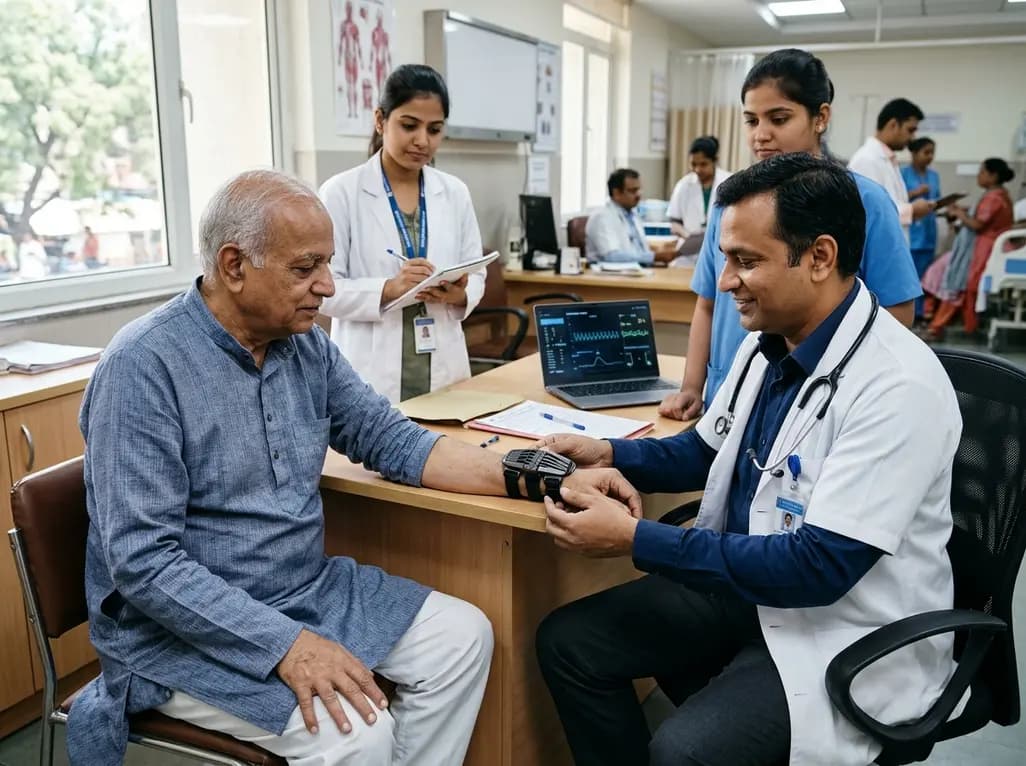
The TREM-AB open-label pilot study evaluated a wearable passive nonlinear vibration absorber for essential tremor. The Nonlinear Energy Sink bracelet reduced clinical Fahn-Tolosa-Marin tremor scores by 32.1% and electrophysiological tremor power by 49.2% with no adverse effects reported.
Today
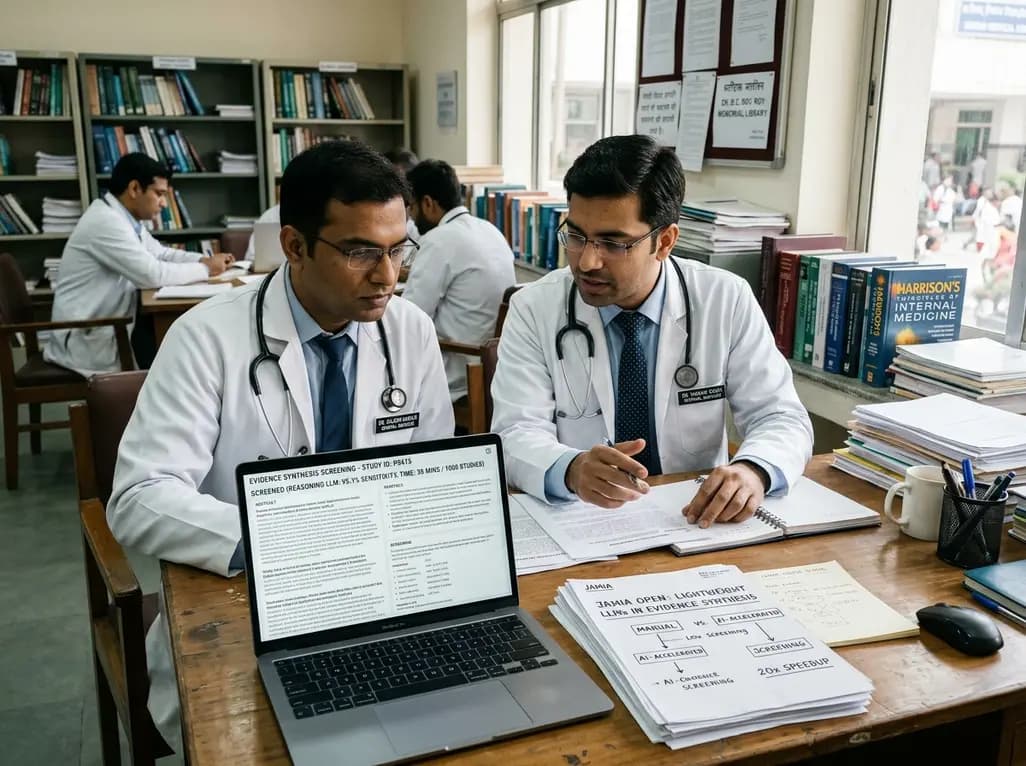
A study in JAMIA Open shows lightweight open-source reasoning LLMs achieve up to 95% sensitivity and accelerate evidence synthesis screening by nearly twentyfold, presenting a cost-effective, scalable AI solution for biomedical research and systematic reviews.
Today
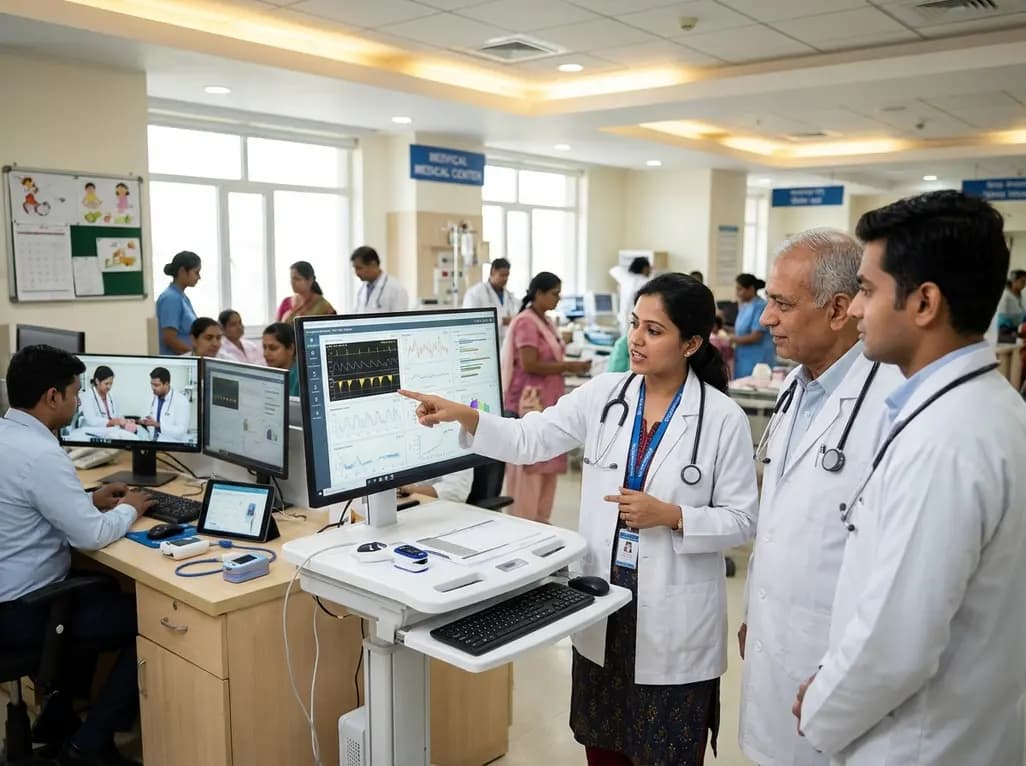
A landmark study details how an enterprise pediatric remote patient management model expanded from a single cardiology pilot to 16 diverse specialty programs by combining centralized digital operations with specialty clinical leadership.
Today
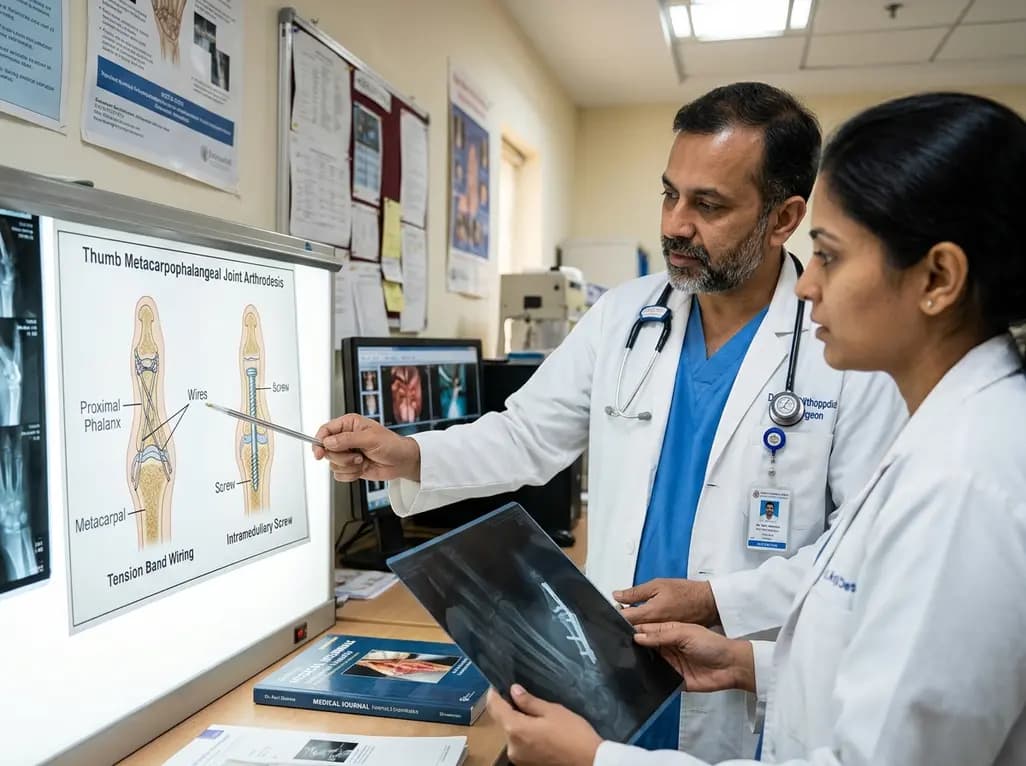
A comparative review of tension band wiring and intramedullary screw fixation in thumb metacarpophalangeal arthrodesis, evaluating union rates, hardware complications, and clinical outcomes.
Today
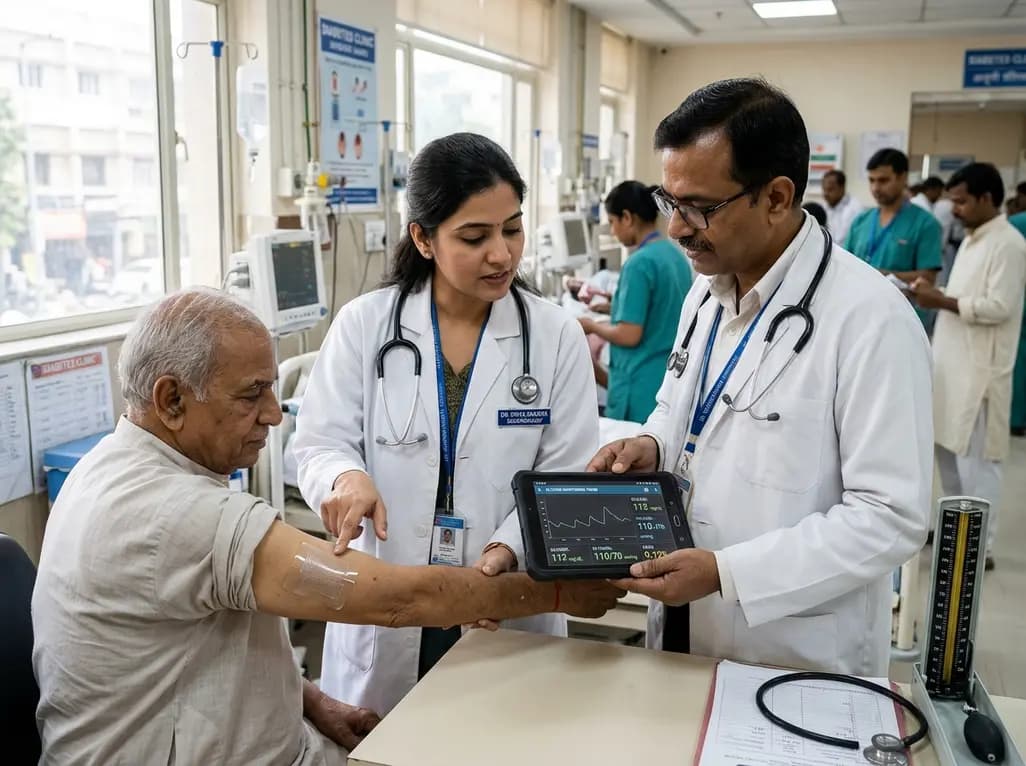
A breakthrough ultrathin multimodal sensor decouples physical hemodynamic monitoring from disposable electrochemical calibration, achieving long-term wearable glucose prediction with 81.36% accuracy and a 9.12% MARD. This offers a robust, drift-free solution for outpatient metabolic surveillance.
Today
