.webp&w=384&q=75)

Loading, please wait...
Loading, please wait...

A recent clinical report highlights the diagnostic complexity of neurosarcoidosis mimicking meningiomas in a 64-year-old male patient. Initially, the man reported blurred vision in his left eye. Subsequently, gadolinium-enhanced MRI showed multiple extra-axial lesions. Because these lesions enhanced uniformly, the clinical team strongly suspected multiple meningiomas. Consequently, the patient underwent a craniotomy for tumor resection. However, postoperative histopathology revealed noncaseating granulomatous inflammation instead of the expected neoplasm.
Identifying this condition preoperatively remains difficult because its clinical manifestations are often nonspecific. Furthermore, intraoperative frozen sections can occasionally provide misleading results. In this specific case, the frozen section initially suggested meningioma, leading the surgeons to attempt maximal resection. Notably, certain T2-weighted imaging findings, such as signal hypointensity, may offer clues for differentiation. Additionally, physicians should consider steroid-responsive dural inflammation when multi-focal extra-axial masses appear. Therefore, physicians must maintain a high index of suspicion to minimize unnecessary surgical invasiveness.
Following the final diagnosis, the patient started corticosteroid therapy. This treatment led to a significant reduction in the remaining lesions. Although the patient experienced a transient oculomotor nerve palsy, he showed gradual improvement over nine months. Surgeons should prioritize biopsy for multifocal lesions to avoid the complications of radical resection. Ultimately, early recognition of sarcoidosis allows for more targeted, less invasive medical management.
Neurosarcoidosis often presents as extra-axial, dural-based lesions that enhance uniformly with gadolinium. These features closely resemble the typical appearance of meningiomas, making radiological differentiation highly challenging.
Clinicians should consider neurosarcoidosis when multifocal dural lesions are present, especially if T2-weighted MRI sequences show characteristic signal hypointensity. Biopsy remains the gold standard for confirmation.
Yes, dural inflammation in neurosarcoidosis typically shows a robust response to corticosteroid therapy. In this case, the patient experienced marked lesion reduction on follow-up MRI after initiating steroids on postoperative day 18.
Disclaimer: This content is for informational and educational purposes only. It does not constitute professional medical advice, diagnosis, or treatment. Always seek the advice of your physician or other qualified healthcare provider with any questions you may have regarding a medical condition. Refer to the latest local and national guidelines for clinical practice.
References
Suetsugu H et al. Neurosarcoidosis mimicking multiple meningiomas: illustrative case. J Neurosurg Case Lessons. 2026 Apr 06. doi: undefined. PMID: 41941841.
Ko TM et al. Dural-Based Neurosarcoidosis with Cortical Vessel Involvement Mimics Atypical Meningioma with Brain Invasion on Imaging. ClinMed International Library. 2022.
Jackson R et al. Parafalcine and Bilateral Convexity Neurosarcoidosis Mimicking Meningioma: Case Report and Review of the Literature. Neurosurgery. 1998.

Read summarized clinical updates, watch expert medical content, and earn CME certifications right from your smartphone.
Open your smartphone camera to scan and install.





A case report details neurosarcoidosis presenting as multiple meningiomas, highlighting the importance of MRI differentiation and biopsy-driven management....
6 months ago

Failing to account for competing events like mortality in longitudinal geriatric studies produces biased risk estimates and misleading inferences. This review highlights key methodological principles, insights from the Precipitating Events Project, and practical approaches for clinical research appraisal.
Today

A study in JAMIA Open shows lightweight open-source reasoning LLMs achieve up to 95% sensitivity and accelerate evidence synthesis screening by nearly twentyfold, presenting a cost-effective, scalable AI solution for biomedical research and systematic reviews.
Today
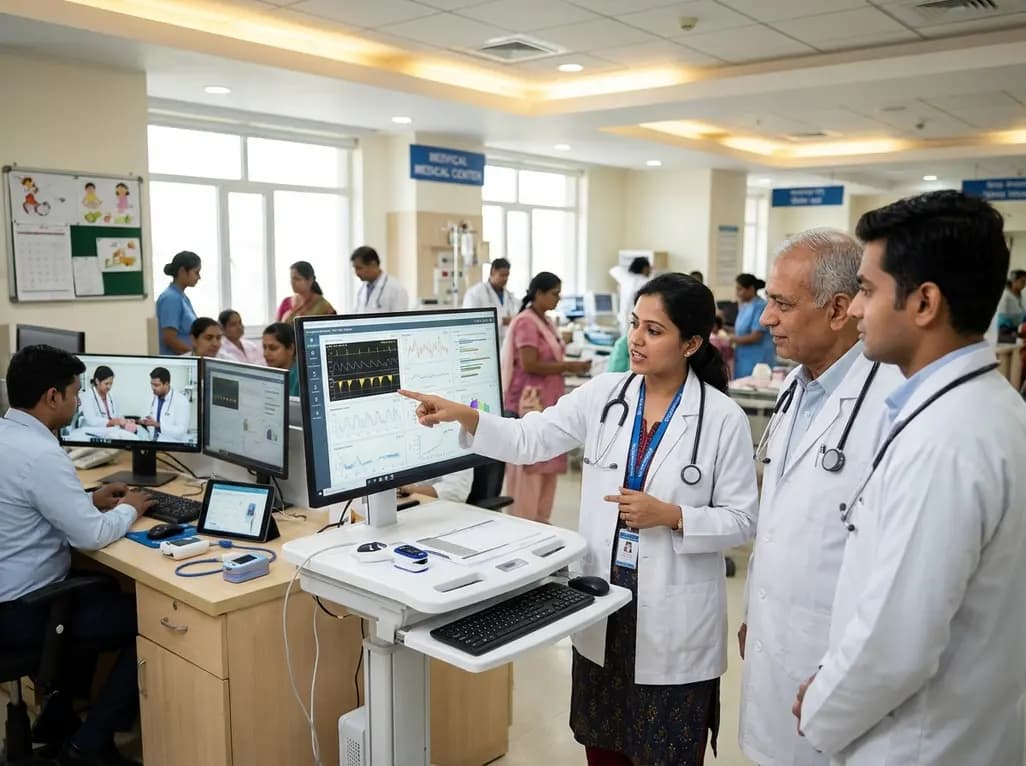
A landmark study details how an enterprise pediatric remote patient management model expanded from a single cardiology pilot to 16 diverse specialty programs by combining centralized digital operations with specialty clinical leadership.
Today
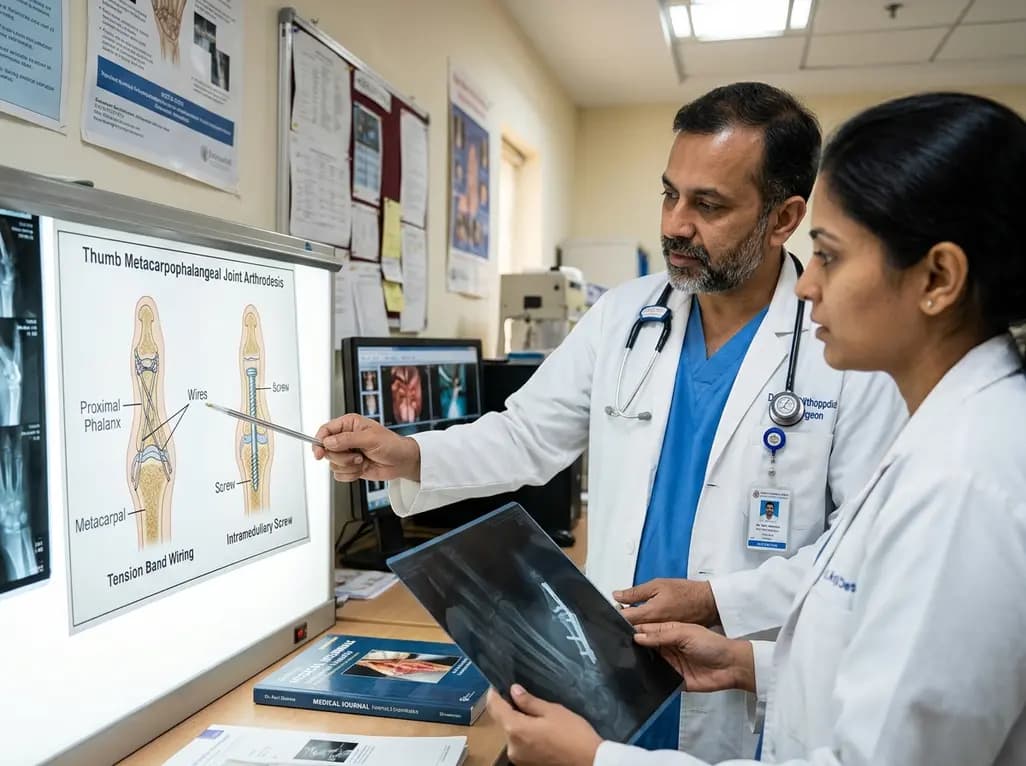
A comparative review of tension band wiring and intramedullary screw fixation in thumb metacarpophalangeal arthrodesis, evaluating union rates, hardware complications, and clinical outcomes.
Yesterday
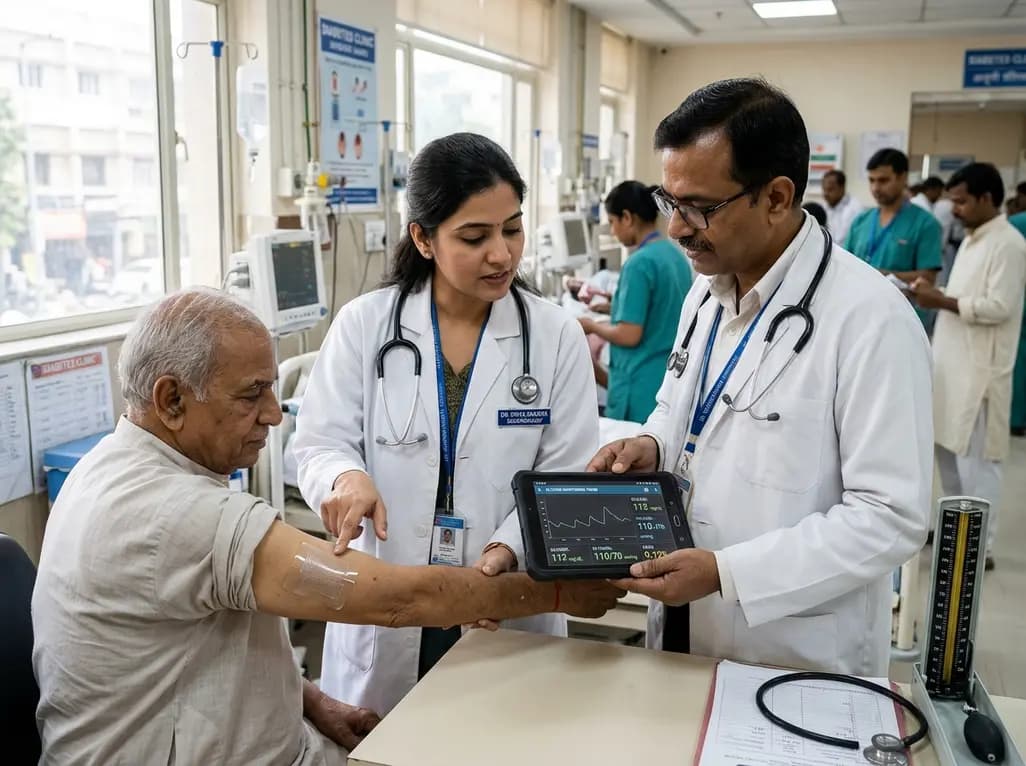
A breakthrough ultrathin multimodal sensor decouples physical hemodynamic monitoring from disposable electrochemical calibration, achieving long-term wearable glucose prediction with 81.36% accuracy and a 9.12% MARD. This offers a robust, drift-free solution for outpatient metabolic surveillance.
Today
