.webp&w=384&q=75)

Loading, please wait...
Loading, please wait...

Steroid hormones play a critical role in establishing the neuroendocrine affective behavior of individuals throughout their lifespan. Researchers often find it difficult to distinguish between the organizational effects of hormones and postnatal social influences. However, studying differences in sex development (DSD) provides a unique window into these complex processes. Conditions such as congenital adrenal hyperplasia (CAH) and complete androgen insensitivity syndrome (CAIS) serve as natural models. These conditions allow us to examine how prenatal hormone exposure shapes neural networks and human emotional responses.<\/p>
Individuals with CAH experience excess prenatal androgen exposure due to genetic enzymatic deficiencies. Conversely, those with CAIS possess a total lack of androgen receptor function despite having male-typical hormone levels. By observing these groups, scientists can better understand the organizational role of steroids. Consequently, these clinical models help determine the extent to which prenatal androgens influence gendered behaviors and emotional regulation. Although current evidence remains limited, it highlights the importance of timing and dosage in hormonal exposure.<\/p>
Recent neuroimaging research provides deeper insights into how hormonal variability alters the structural and functional architecture of the brain. Studies frequently show that variations in prenatal androgen levels correlate with differences in emotion-processing circuits. Specifically, these findings suggest that steroids interact with chromosomal sex and developmental stages to influence outcomes. Furthermore, psychosocial factors often modulate these biological predispositions, creating a complex web of interactions. Therefore, an integrated perspective is essential for managing the long-term well-being of patients with DSD.<\/p>
In addition to structural changes, experimental psychology reveals how hormone-driven neural development affects social behaviors. Standardized paradigms are currently helping researchers specify the mechanistic pathways involved. This progress will likely lead to more targeted clinical interventions. Ultimately, supporting the quality of life for individuals with CAH and CAIS requires a nuanced understanding of their neuroendocrine history. Clinicians must consider both the biological and psychological dimensions of care for optimal patient support.<\/p>
These conditions offer natural experiments where prenatal androgen exposure is significantly higher (CAH) or virtually absent at the receptor level (CAIS). By studying these variations, clinicians can isolate the organizational effects of hormones on the brain from social and environmental factors.<\/p>
Prenatal androgens are thought to permanently organize neural circuits during sensitive developmental periods. This influence impacts later affective outcomes, including how an individual processes emotions, engages in social play, and develops interests.<\/p>
While steroid hormones set a biological foundation for the neuroendocrine affective behavior, psychosocial factors and rearing also play significant roles. Brain development is a dynamic process where biology and environment continuously interact to shape the final behavioral phenotype.<\/p>
Disclaimer:<\/strong> This content is for informational and educational purposes only. It does not constitute medical advice or a substitute for professional healthcare. Always consult a qualified medical professional for diagnosis and treatment. Refer to the latest local and national guidelines for clinical practice.<\/p>
References<\/strong><\/p> Verde V et al. Neuroendocrine basis of affective behavior: what we can learn from differences in sex development (DSD). Horm Behav. 2026 Jun 09. doi: undefined. PMID: 42263357.<\/p> Witchel SF. Congenital Adrenal Hyperplasia. J Pediatr Adolesc Gynecol. 2017;30(5):520-534.<\/p> Hughes IA, et al. Androgen insensitivity syndrome. Lancet. 2012;380(9851):1419-1428.<\/p>"

Read summarized clinical updates, watch expert medical content, and earn CME certifications right from your smartphone.
Open your smartphone camera to scan and install.





A clinical review exploring how prenatal androgen variability in CAH and CAIS helps shape brain development and long-term affective behavior in humans....
4 months ago
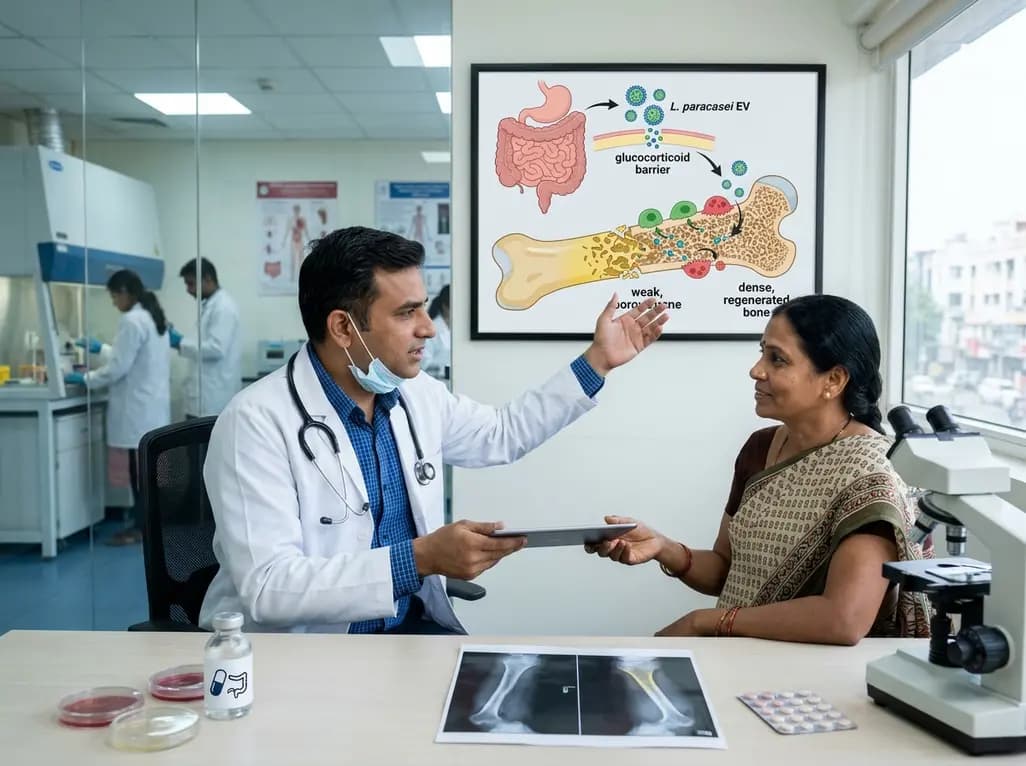
A novel oral nanoplatform using Lacticaseibacillus paracasei-derived extracellular vesicles delivers alendronate, reversing glucocorticoid-induced bone loss and restoring gut-immune-bone homeostasis.
Today

A study in JAMIA Open shows lightweight open-source reasoning LLMs achieve up to 95% sensitivity and accelerate evidence synthesis screening by nearly twentyfold, presenting a cost-effective, scalable AI solution for biomedical research and systematic reviews.
Yesterday
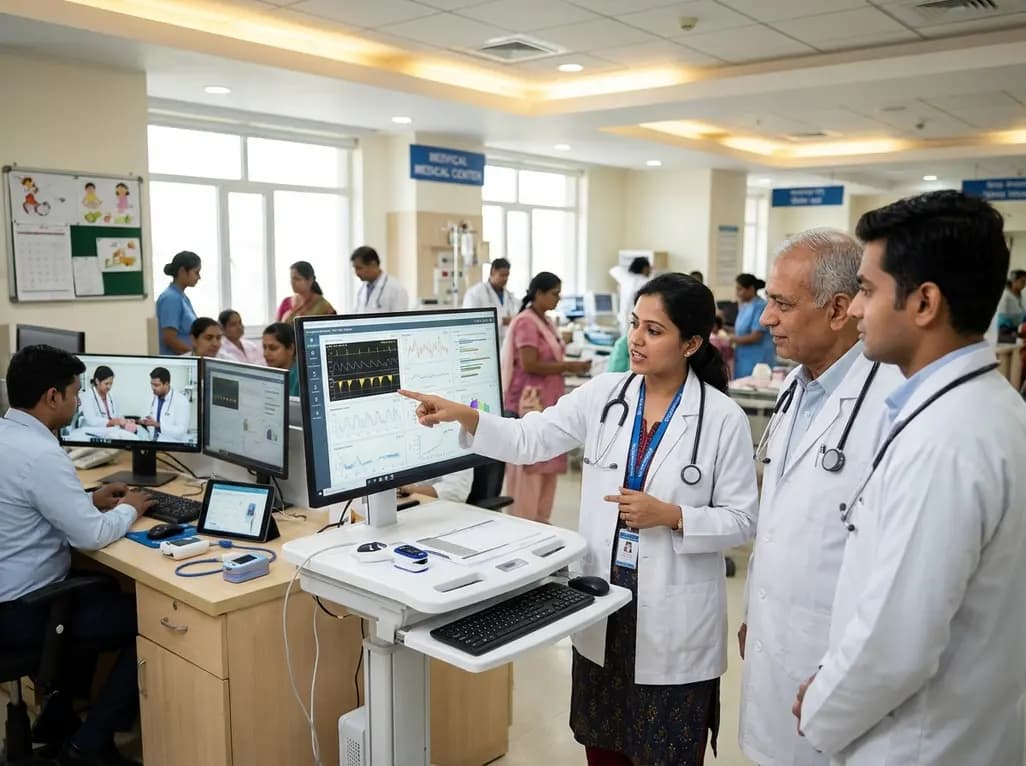
A landmark study details how an enterprise pediatric remote patient management model expanded from a single cardiology pilot to 16 diverse specialty programs by combining centralized digital operations with specialty clinical leadership.
Yesterday
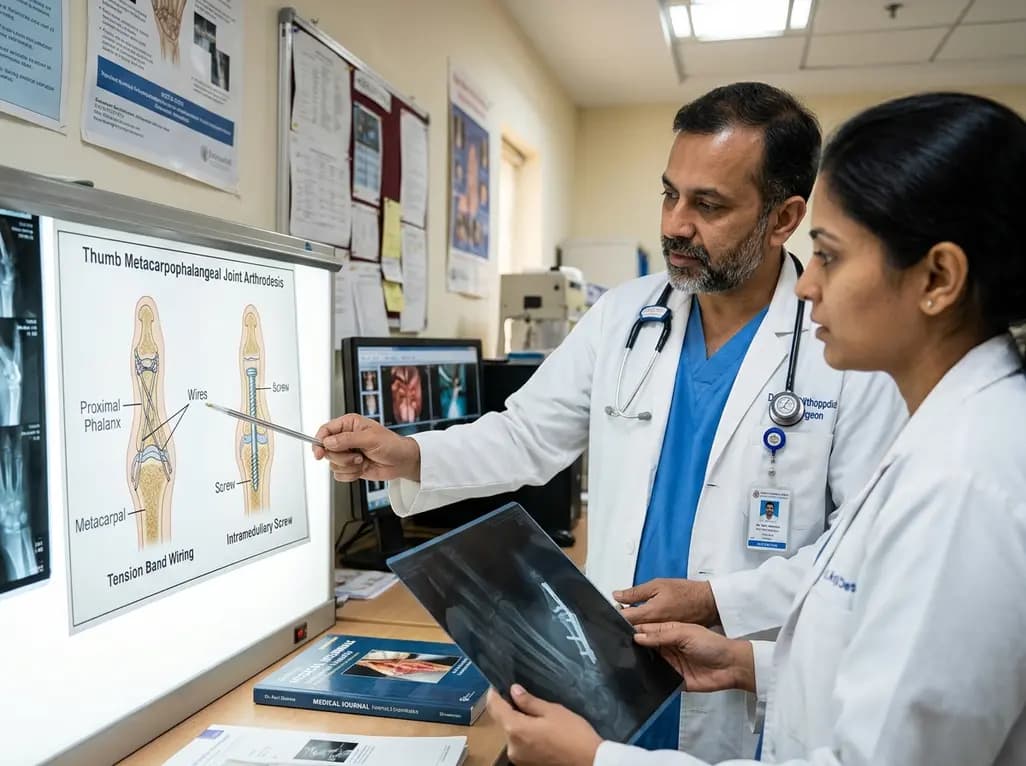
A comparative review of tension band wiring and intramedullary screw fixation in thumb metacarpophalangeal arthrodesis, evaluating union rates, hardware complications, and clinical outcomes.
Yesterday
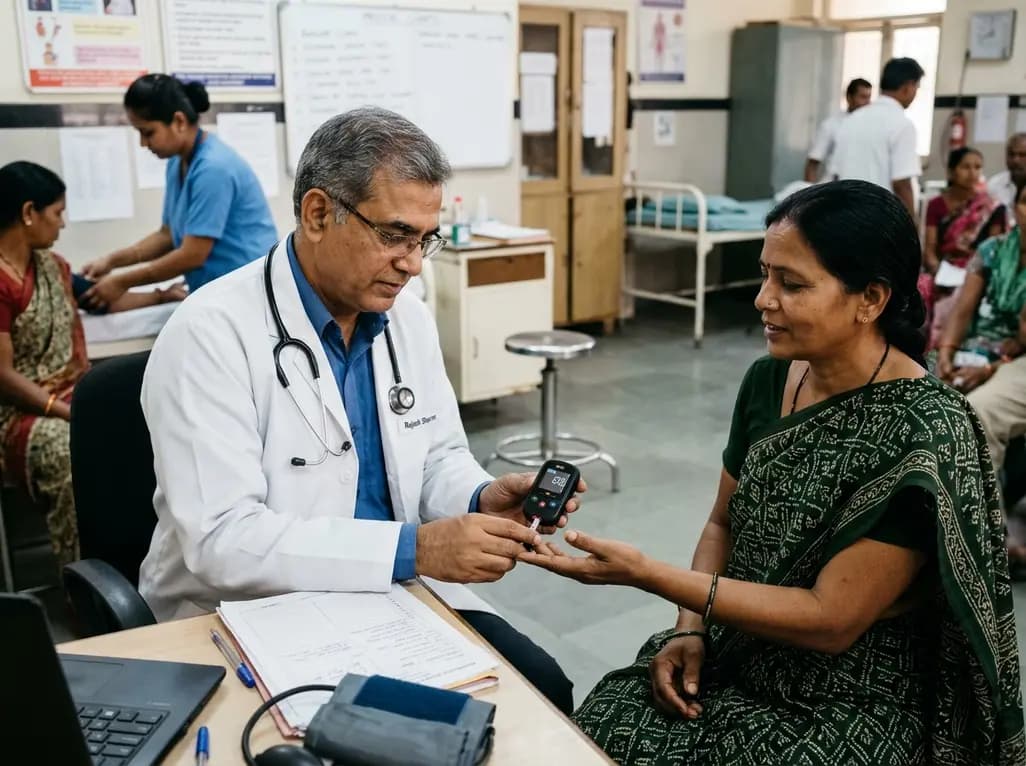
A real-world trial evaluating a near-infrared spectroscopy noninvasive glucose monitoring device in adults with type 2 diabetes demonstrated a combined MAD/MARD of 16.3 across 2,616 paired readings, highlighting its clinical feasibility.
Today
