.webp&w=384&q=75)

Loading, please wait...
Loading, please wait...
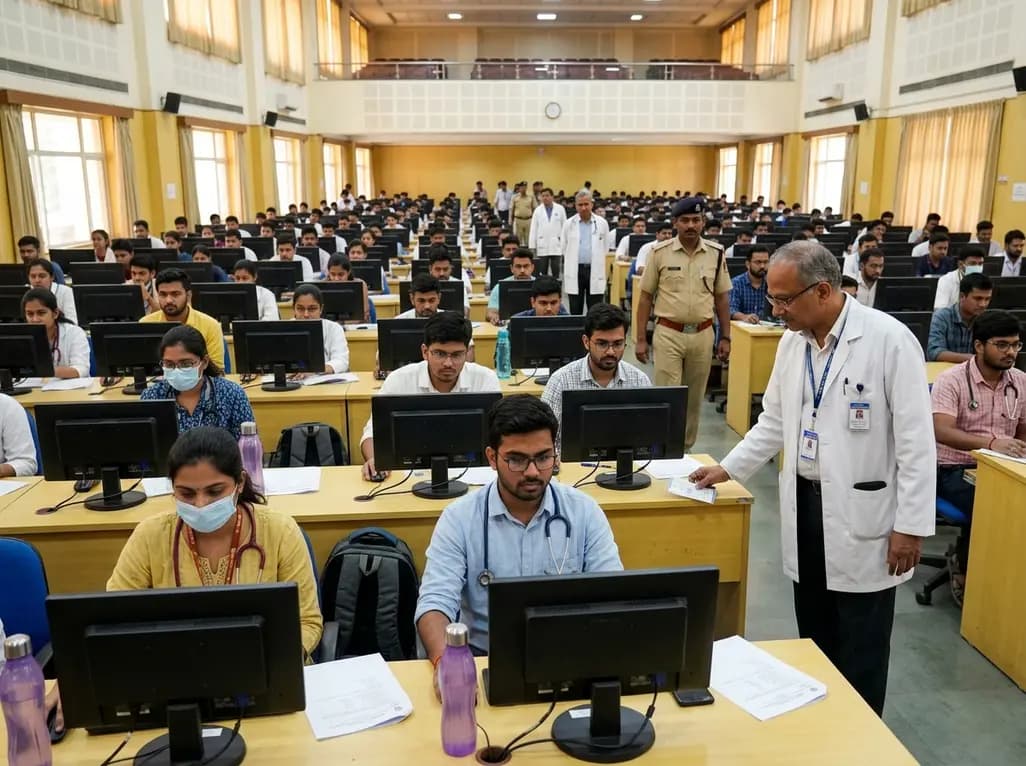
The nationwide conduct of NEET PG 2026 marks a major milestone for thousands of medical graduates across India. On Sunday, more than 2.73 lakh candidates appeared for the country's flagship postgraduate medical entrance examination. Organized by the National Board of Examinations in Medical Sciences (NBEMS), the assessment took place in a single computer-based shift. Consequently, aspiring specialists reported early to designated examination centres across urban and rural testing hubs.
The NBEMS scheduled the computer-based examination from 9:00 AM to 12:30 PM in a single nationwide morning shift. Therefore, testing authorities coordinated extensive logistical arrangements to manage over 2.73 lakh registered applicants simultaneously. Test venues spanned major metropolitan centres such as Chennai and Delhi alongside key tier-two cities including Agra and Kanchipuram. In addition, officials opened registration desks early at 7:00 AM to facilitate identity checks and security verification.
Furthermore, standardizing the test into a single shift eliminated the need for complex inter-session percentile score normalization. As a result, every candidate across all designated centres answered the same question set under identical testing conditions. Invigilators also enforced strict reporting deadlines, closing entry gates promptly at 8:30 AM to preserve test integrity. Overall, the standardized operational framework provided an organized and efficient test environment for all participating medical graduates nationwide.
Graduating doctors experienced significant anticipation as they arrived at their assigned test centres on Sunday morning. For instance, candidates in Agra noted understandable feelings of nervousness right before entering the security enclosures. Nevertheless, most doctors expressed genuine confidence in their intensive preparation spanning clinical rotations, test series, and dedicated coaching modules. In fact, many candidates balanced demanding MBBS internship duties while simultaneously revising core subject concepts.
Moreover, modern postgraduate aspirants utilize comprehensive digital question banks alongside standard medical textbooks during their revision periods. Candidate Kirti explained that thorough preparation involved structured coaching alongside systematic reviews of foundational MBBS materials. Similarly, peer study groups and full-length timed mock tests played pivotal roles in building clinical stamina. Consequently, medical graduates approached the computer-based assessment with practical familiarity regarding complex clinical case vignettes and image-based diagnostic problems.
To uphold exam credibility, NBEMS deployed multi-tiered electronic surveillance and identity verification protocols across every testing centre. Specifically, biometric fingerprint scans and Aadhaar-based candidate authentication prevented impersonation attempts at entry points. Additionally, command control hubs in New Delhi monitored live CCTV feeds from examination halls nationwide in real time. Independent faculty appraisers and flying squad inspectors also conducted random spot visits during the testing window.
Furthermore, technical administrators implemented digital firewalls, dynamic workstation assignments, and advanced network monitoring software. Consequently, unauthorized wireless communications and external data transmissions were successfully blocked within test labs. TCS technical support personnel collaborated closely with medical faculty coordinators to ensure uninterrupted power supply and system stability. Thus, robust electronic infrastructure safeguarded fairness across all participating states and union territories throughout the testing session.
The smooth execution of the postgraduate exam provides vital relief to the Indian medical education community. Earlier this season, the undergraduate counterpart NEET UG 2026 faced severe operational disruptions and paper leak allegations. Specifically, the National Testing Agency conducted that pen-and-paper examination for nearly 22.8 lakh applicants on May 3. However, subsequent investigative findings forced testing authorities to cancel initial results and organize a dedicated re-examination on June 21.
In contrast, the digital CBT architecture of NBEMS significantly reduces paper-leak vulnerabilities and logistical supply chain hazards. Because questions remain fully encrypted until delivery, centralized electronic tests offer superior security over conventional physical question booklets. Therefore, the successful completion of the postgraduate session restores institutional trust among aspiring resident doctors and academic faculty. Meanwhile, regulatory authorities continue refining digital safeguards across all national entrance frameworks.
Following the successful conclusion of the examination, candidates eagerly anticipate the release of answer keys and merit ranks. In due course, the NBEMS will publish individual scorecards and all-India rank lists on its official portal. Subsequently, the Medical Counselling Committee (MCC) and state admission authorities will initiate centralized seat allocation rounds. These formal counseling sessions govern admission to Doctor of Medicine (MD), Master of Surgery (MS), and DNB specialty programmes.
Additionally, participating doctors must keep their statutory internship completion certificates and council registration documents verified and accessible. Merit rank, category reservations, and candidate choice preferences will jointly determine final seat distribution in top teaching hospitals. Furthermore, clinical specialties such as General Medicine, Radiodiagnosis, Paediatrics, and Orthopaedics consistently attract high competition among top-ranking candidates. Ultimately, securing a residency seat marks the beginning of rigorous clinical training for young medical professionals.
Q1: Who conducts the NEET PG 2026 examination in India?
The National Board of Examinations in Medical Sciences (NBEMS) conducts the nationwide entrance examination. This autonomous body operates under the Ministry of Health and Family Welfare to standardize postgraduate medical assessments. NBEMS oversees candidate registration, computer-based testing, result declarations, and merit list preparation for subsequent counselling rounds across India.
Q2: How many candidates registered for the NEET PG 2026 examination?
Over 2.73 lakh medical graduates registered for the national entrance test across various states and union territories. These candidates competed for postgraduate medical seats in government medical colleges, private institutions, deemed universities, and recognized DNB hospitals across India.
Q3: What medical courses are offered through NEET PG scores?
NEET PG scores serve as the mandatory qualifying criteria for admission into Doctor of Medicine (MD), Master of Surgery (MS), PG Diploma, and Diplomate of National Board (DNB) broad specialty courses across accredited medical institutions in India.
Disclaimer: This content is for informational and educational purposes only. It does not constitute medical advice or replace professional judgment. Refer to the latest local and national guidelines for clinical practice.
References

Read summarized clinical updates, watch expert medical content, and earn CME certifications right from your smartphone.
Open your smartphone camera to scan and install.





The National Board of Examinations in Medical Sciences (NBEMS) conducted the nationwide postgraduate medical entrance test with over 2.73 lakh registered candidates. Medical graduates across numerous exam centres completed the single-shift computer-based assessment for admission to MD, MS, and diploma seats.
4 weeks back

A bioengineered oral nanozyme microsupplement converts pathological ROS into a protective polydopamine hydrogel shield. By curbing neutrophil extracellular traps and balancing T cells, this platform outperforms standard 5-ASA in preclinical colitis models, opening new paths for sustained remission.
Today
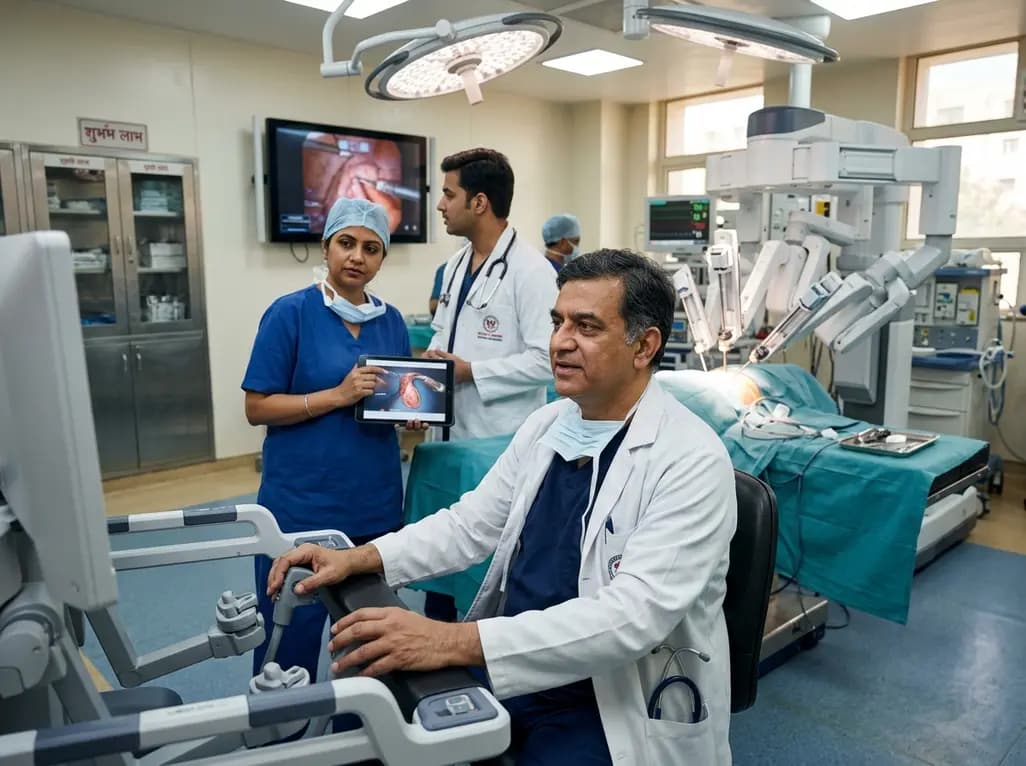
India experiences an exponential rise in robotic-assisted procedures, with Delhi NCR leading system installations and clinical volume. Discover how multidisciplinary surgical adoption, remote telesurgery breakthroughs, and standardized international consensus guidelines are shaping surgical care nationwide.
Today
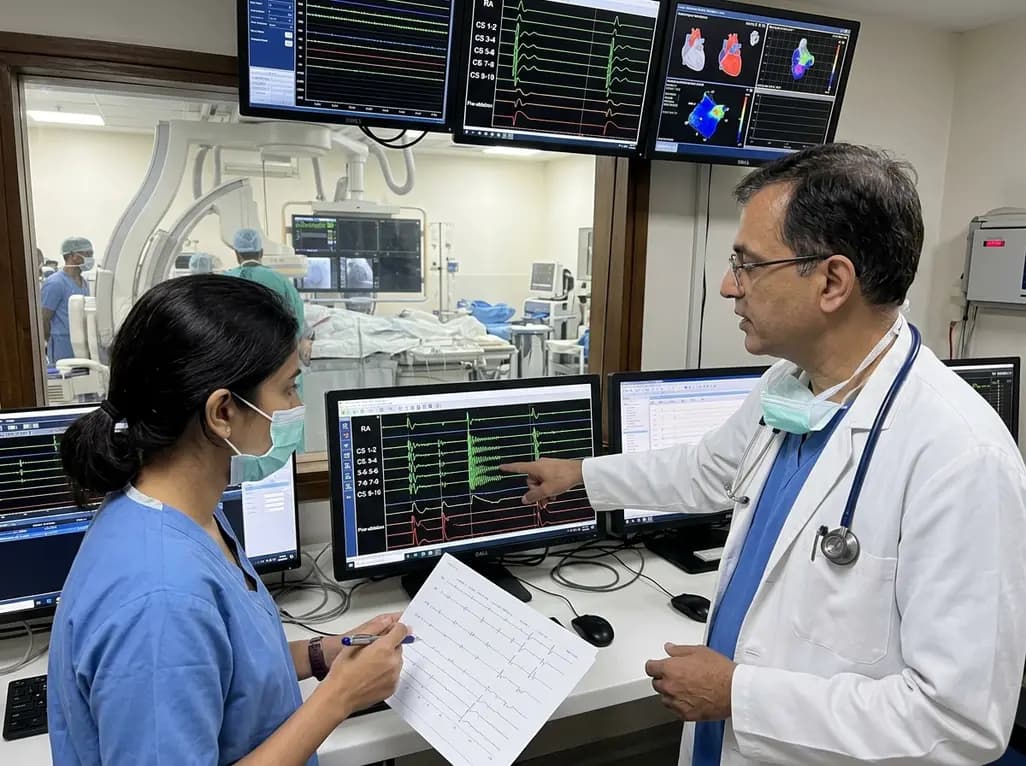
Radiofrequency catheter ablation of the cavotricuspid isthmus successfully terminates typical atrial flutter. This article reviews the mechanisms driving coronary sinus electrogram changes, wavefront activation pathways, and clinical criteria to verify bidirectional block during electrophysiology studies.
Today
A study comparing four knee flexion strength tests after ACL reconstruction using hamstring tendon autografts reveals marked variability in limb symmetry indices. Clinicians must recognize that different strength testing modalities yield divergent return-to-sport clearance rates.
Today
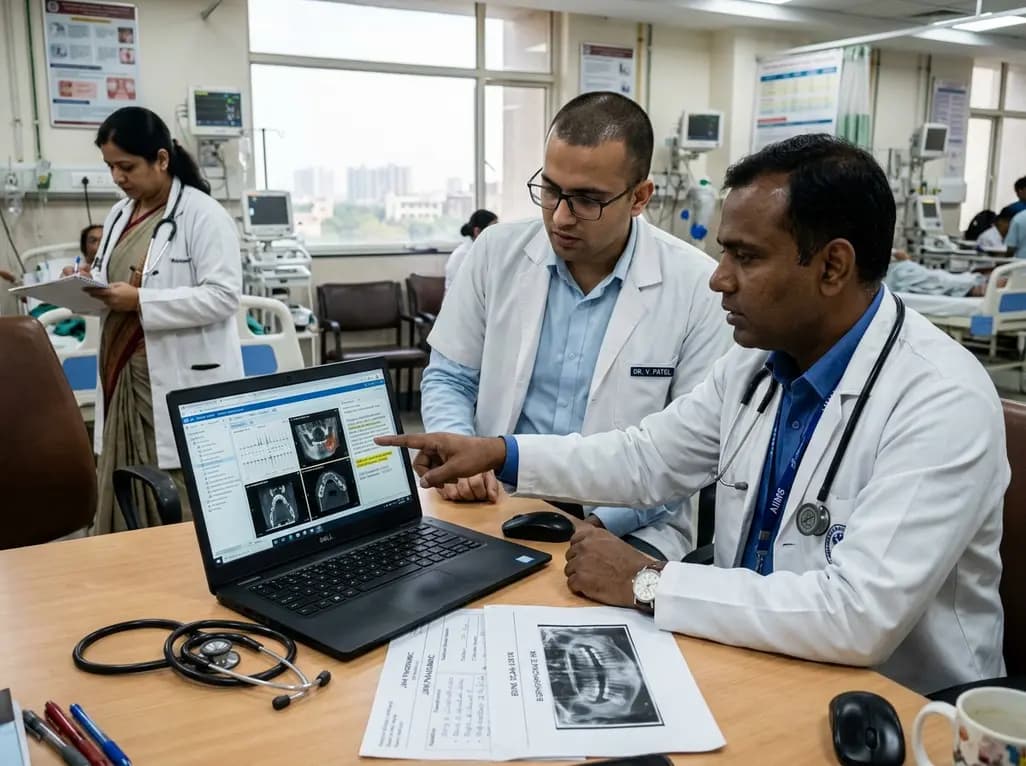
A breakthrough study leverages natural language processing to accurately identify incident medication-related osteonecrosis of the jaw and track antiresorptive drug holidays from clinical narratives in electronic health records, advancing osteoporosis pharmacovigilance and dental safety.
Yesterday
