.webp&w=384&q=75)

Loading, please wait...
Loading, please wait...
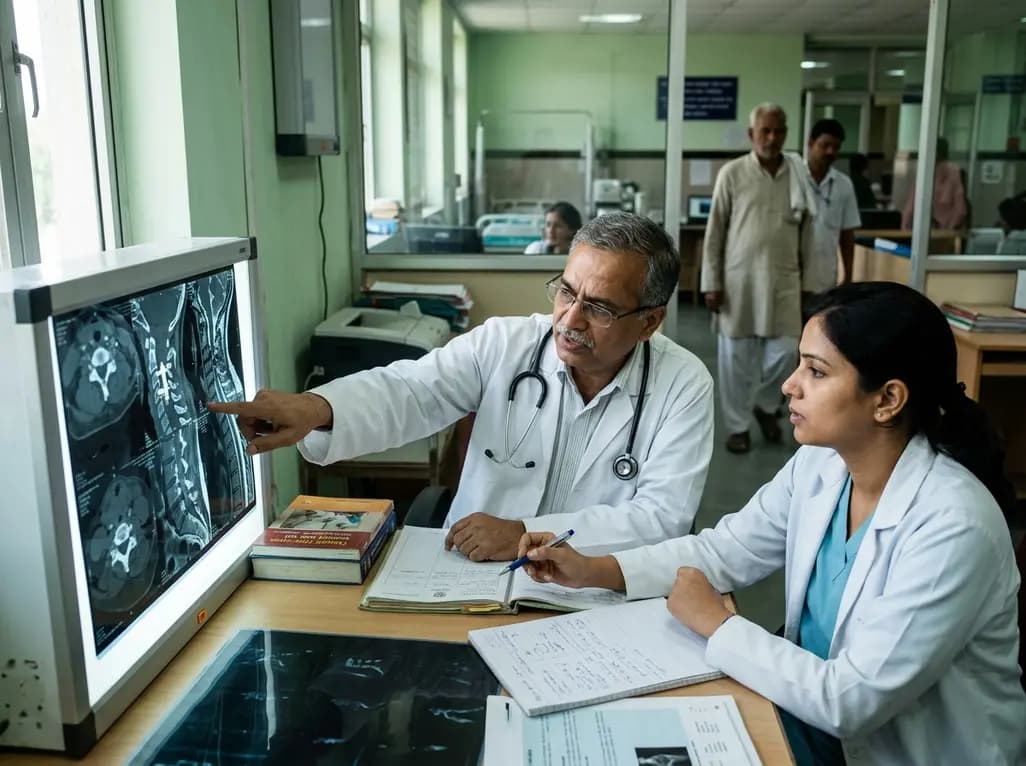
Anterior cervical discectomy and fusion remains the standard surgical management for symptomatic cervical spondylotic radiculopathy and myelopathy. Although most patients experience substantial neurological relief and functional recovery, a subset requires subsequent revision cervical surgery. While primary failure rates are well documented, longitudinal data tracking multiple sequential revisions remain sparse. Consequently, a comprehensive cohort investigation evaluated five-year reoperation risks following single-level procedures.
Anterior cervical discectomy and fusion (ACDF) reliably addresses neural compression and mechanical instability. Surgeons perform thousands of single-level procedures each year with high rates of successful fusion. However, biomechanical alterations at adjacent vertebral segments can trigger progressive degeneration over time. In addition, pseudoarthrosis and hardware-related complications may compromise initial construct stability. Therefore, understanding real-world revision rates is essential for patient counseling and surgical planning. A major investigation utilized the MarketScan private insurance database from 2010 to 2020 to capture longitudinal clinical trajectories. The study identified 42,845 adult patients aged 65 years or younger who underwent primary single-level ACDF. Notably, the cohort presented a mean age of 48.9 years, and 52.8% were female. Patients with trauma, spinal infections, or neoplasms were excluded. This strict methodology ensured a clean assessment of degenerative spinal pathologies.
Longitudinal tracking demonstrated distinct escalation patterns in reoperation hazards following initial interventions. Specifically, 2,374 patients underwent a first revision cervical surgery within the follow-up window. Furthermore, 195 patients advanced to a second revision procedure during the five-year timeframe. The mean revision-free follow-up duration showed subtle yet statistically significant differences across cohorts. Primary patients maintained revision-free survival for an average of 2.2 years. In comparison, patients undergoing first and second revisions demonstrated an average revision-free period of 2.0 years. At five years postoperatively, the cumulative incidence of revision surgery reached notable thresholds. The risk of requiring a second revision after an initial reoperation was substantially higher than the primary revision rate. Thus, surviving the first surgical failure does not guarantee subsequent construct stability.
Sequential surgical failures stem from interconnected biological and biomechanical mechanisms. First, rigid arthrodesis alters normal cervical kinematics by increasing intradiscal pressures at adjacent levels. Consequently, adjacent segment pathology develops rapidly, producing recurrent radiculopathy or spinal cord compression. Second, nonunion remains a persistent challenge in revision environments. Revision anterior approaches encounter scarred tissue beds, altered vascularity, and compromised bone quality. As a result, achieving solid osseous fusion becomes progressively more difficult with each subsequent operation. Third, sagittal alignment parameters play a pivotal role. Failure to restore adequate cervical lordosis increases shear stress across instrumentation. Furthermore, persistent cervical kyphosis accelerates adjacent motion segment breakdown. Therefore, biomechanical decompensation often drives the cascading cycle of repeat surgeries.
Clinicians must identify specific patient characteristics that elevate reoperation vulnerability. Multivariable Cox proportional hazards regression models adjusted for critical baseline covariates. These included patient age, biological sex, geographic region, and the Charlson Comorbidity Index. Chronic medical comorbidities significantly impaired bone healing dynamics. In addition, metabolic disorders like diabetes mellitus and active tobacco use consistently correlated with nonunion. Younger patients often placed higher mechanical demands on spinal constructs, leading to accelerated wear. Conversely, poor bone mineral density in older adults heightened graft subsidence and screw loosening risks. Incomplete initial decompression also contributed to early revision requests. Therefore, thorough preoperative evaluation must guide patient selection and risk stratification before primary and secondary interventions.
Spine surgeons can employ targeted strategies to mitigate repeat surgical failure. Meticulous endplate preparation facilitates robust fusion while preserving structural cortical bone integrity. Additionally, choosing appropriate interbody spacer materials, such as porous titanium or bioactive synthetics, enhances osteoinduction. Surgeons must also prioritize restoring physiological cervical lordosis during the primary index operation. When managing an initial failure, clinicians should critically evaluate the primary approach. Posterior cervical fusion or circumferential stabilization often provides superior rigidity for revision cases with anterior pseudoarthrosis. Furthermore, postoperative metabolic optimization, including smoking cessation and bone health management, remains paramount. By addressing structural and systemic factors, surgeons can effectively disrupt the revision cascade.
These findings provide clear quantitative benchmarks for routine clinical practice. Surgeons must communicate realistic long-term expectations during preoperative informed consent discussions. Patients should understand that needing an initial reoperation increases their statistical likelihood of subsequent interventions. Consequently, structured long-term postoperative surveillance is vital for early detection of adjacent segment disease. Clinicians should educate patients on warning symptoms, including recurrent neck pain, radiating arm paresthesias, and gait changes. Furthermore, active rehabilitation and postural physical therapy can protect adjacent motion segments. Implementing coordinated multidisciplinary care ultimately improves survivorship and quality of life.
The most frequent indications for revision include adjacent segment disease and pseudoarthrosis. Adjacent segment breakdown occurs due to altered cervical biomechanics. Meanwhile, pseudoarthrosis results from failed bone healing across the fusion site, leading to persistent mechanical neck pain or hardware loosening.
Yes. Clinical data demonstrate that patients undergoing an initial revision experience a significantly higher relative risk of requiring a subsequent reoperation. Altered local vascularity, extensive scar tissue, and persistent mechanical stress contribute to this elevated reoperation hazard.
Surgeons should optimize sagittal alignment, ensure thorough decompression, and achieve rigid fixation during primary procedures. In revision scenarios, selecting circumferential or posterior stabilization often improves fusion rates. Additionally, optimizing bone health and enforcing smoking cessation are critical preventive steps.
Disclaimer: This content is for informational and educational purposes only. It is not intended to provide medical advice or substitute for professional medical assessment, diagnosis, or treatment. Always seek the advice of your physician or other qualified healthcare provider with any questions you may have regarding a medical condition. While the authors strive to present accurate and current information, they make no warranties regarding completeness or accuracy. Relying on this information is solely at your own risk. Refer to the latest local and national guidelines for clinical practice.
References

Read summarized clinical updates, watch expert medical content, and earn CME certifications right from your smartphone.
Open your smartphone camera to scan and install.





A 10-year retrospective study of over 42,000 patients reveals the 5-year incidence and cascading risks of multiple revision cervical surgeries following primary single-level anterior cervical discectomy and fusion (ACDF). Learn key findings, risk factors, and preventative strategies.
4 weeks back

A bioengineered oral nanozyme microsupplement converts pathological ROS into a protective polydopamine hydrogel shield. By curbing neutrophil extracellular traps and balancing T cells, this platform outperforms standard 5-ASA in preclinical colitis models, opening new paths for sustained remission.
Today
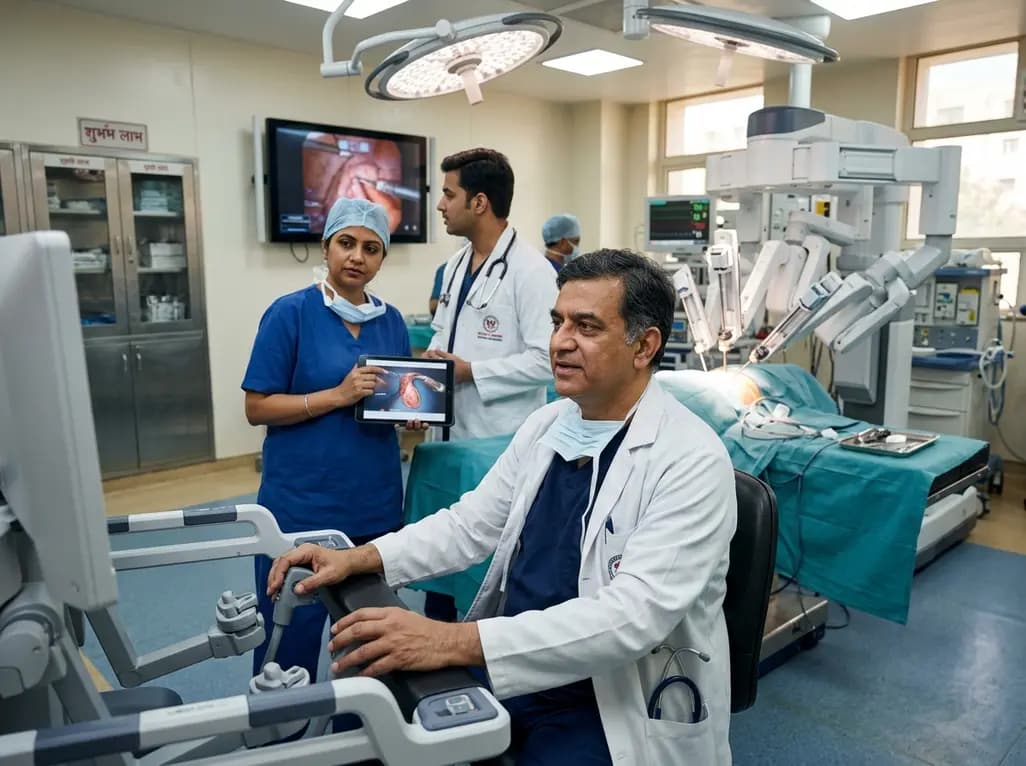
India experiences an exponential rise in robotic-assisted procedures, with Delhi NCR leading system installations and clinical volume. Discover how multidisciplinary surgical adoption, remote telesurgery breakthroughs, and standardized international consensus guidelines are shaping surgical care nationwide.
Today
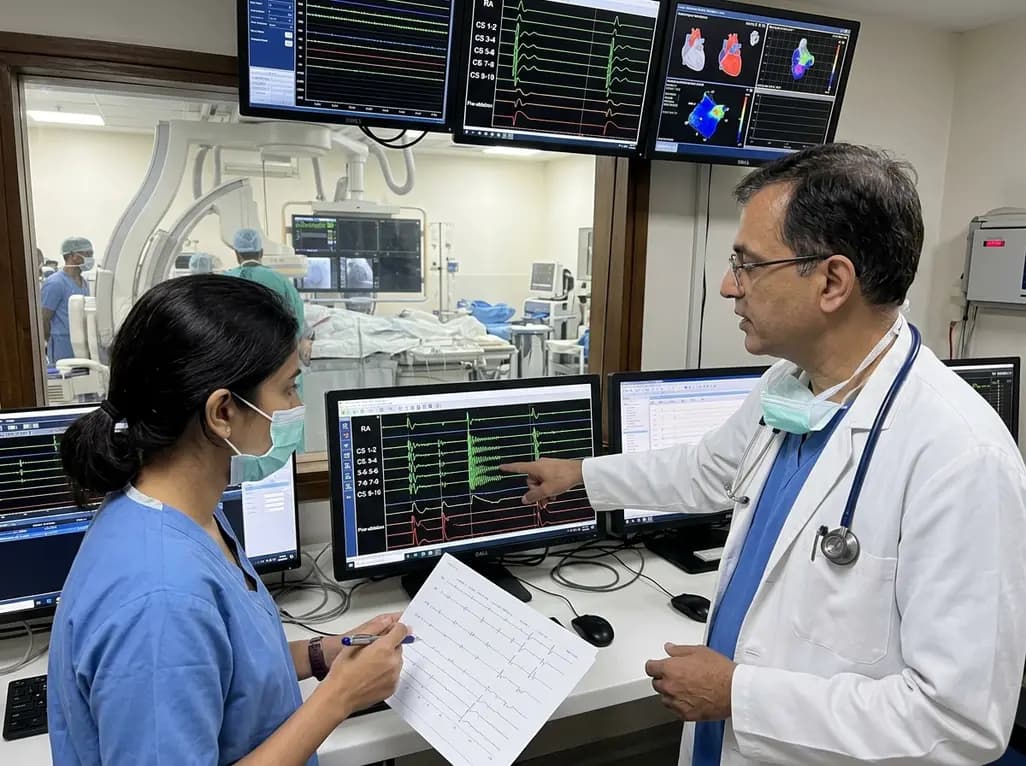
Radiofrequency catheter ablation of the cavotricuspid isthmus successfully terminates typical atrial flutter. This article reviews the mechanisms driving coronary sinus electrogram changes, wavefront activation pathways, and clinical criteria to verify bidirectional block during electrophysiology studies.
Today
A study comparing four knee flexion strength tests after ACL reconstruction using hamstring tendon autografts reveals marked variability in limb symmetry indices. Clinicians must recognize that different strength testing modalities yield divergent return-to-sport clearance rates.
Today
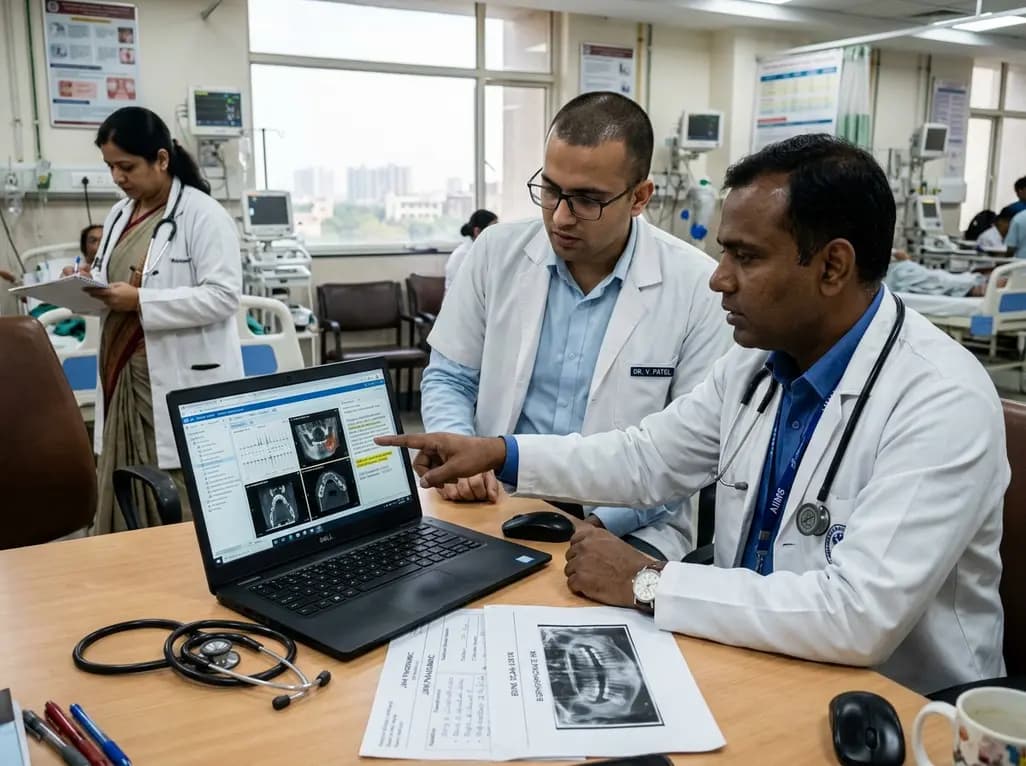
A breakthrough study leverages natural language processing to accurately identify incident medication-related osteonecrosis of the jaw and track antiresorptive drug holidays from clinical narratives in electronic health records, advancing osteoporosis pharmacovigilance and dental safety.
Yesterday
