India is experiencing a massive demographic transition as its elderly population expands rapidly. Consequently, healthcare providers must prepare for an unprecedented rise in the numbers of older adults. Experts project that citizens aged 60 and above will reach 347 million by the year 2050, representing nearly one in five individuals. Because of this dramatic shift, the traditional, fragmented medical system must undergo a significant reform. Clinicians should prioritize
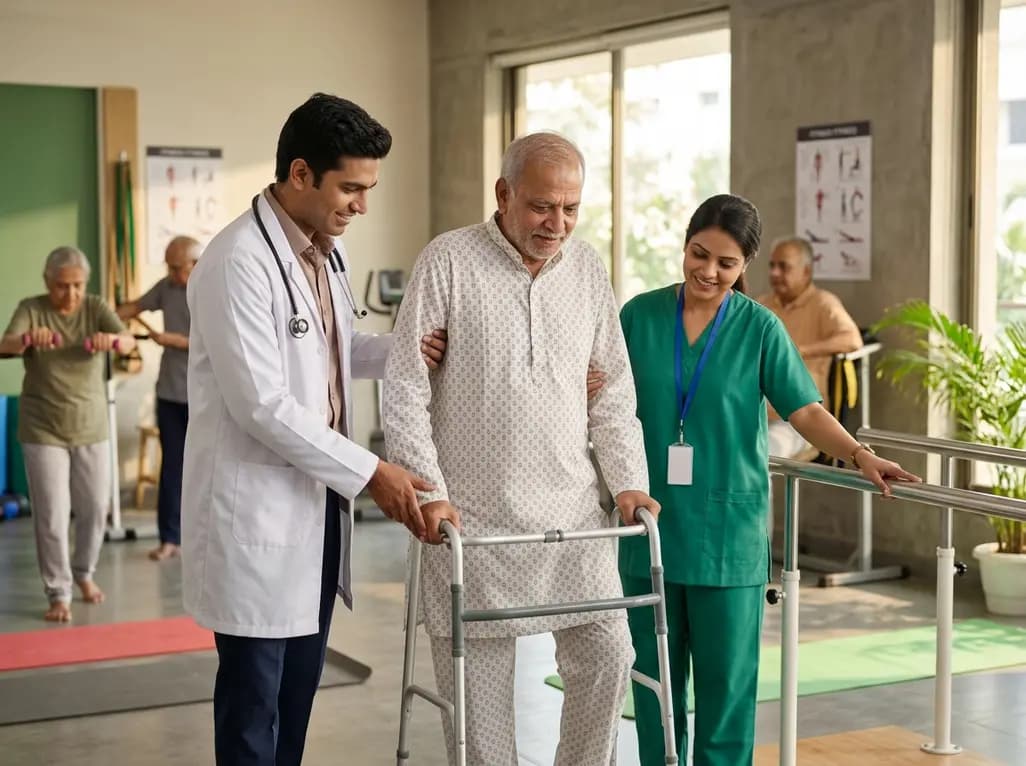
mobility-focused care instead of focusing solely on treating isolated chronic illnesses. This approach ensures senior citizens maintain their functional independence, prevent debilitating falls, and enjoy a much higher quality of life.
The Demographics of Ageing in India
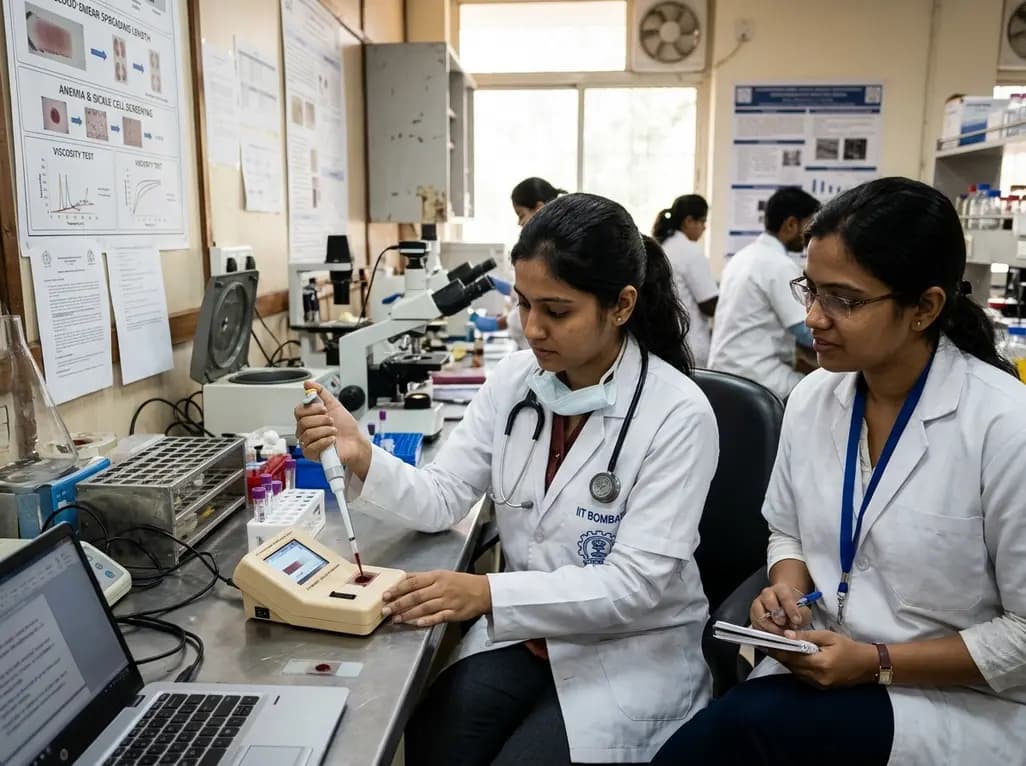
India faces a unique public health challenge due to its accelerating demographic shift. Specifically, the country's senior citizen population is growing at an unprecedented rate, making up an increasingly large share of the total citizenry. However, the unique challenge in India is that chronic diseases like diabetes and hypertension often manifest a decade earlier than in Western nations. Many adults show early signs of cardiovascular issues or severe joint degradation by the age of 50. Consequently, extending life expectancy is no longer the sole clinical goal for medical practitioners. Instead, healthcare providers must focus on extending 'healthspan,' which represents the total years people spend in good health. If we do not address these chronic conditions early, the burden on tertiary systems will become unsustainable. Therefore, preventive healthcare and continuous assessment are critical components of modern geriatric management. By taking a proactive approach, clinicians can successfully mitigate early-onset frailty and maintain the physical vitality of patients. Ultimately, this demographic transition requires a complete restructuring of our primary care protocols to support healthy ageing.
The Limitations of Disease-Centric Treatment
Currently, healthcare delivery in India remains largely disease-centric and fragmented. For example, an older adult with multiple chronic conditions typically consults several specialists independently. This fragmented approach often leads to disjointed management, where physicians overlook critical aspects like overall physical strength and nutrition. Moreover, isolated consultations fail to address the core components of functional decline, such as muscle loss and chronic pain. As a result, patients may receive excellent treatment for individual illnesses but still suffer from a rapid loss of independence. Therefore, we must transition to a unified care model that treats the patient as a whole. Coordinated interventions can prevent the downward spiral of physical frailty and subsequent disability. Clinicians must actively collaborate with other allied healthcare professionals to bridge these gaps in patient management. Ultimately, treating a disease without maintaining a patient's physical capacity does not constitute successful medical care. By shifting away from this isolated, disease-focused mindset, we can better protect the daily autonomy of our elderly population.
Core Components of Mobility-Focused Care
Implementing
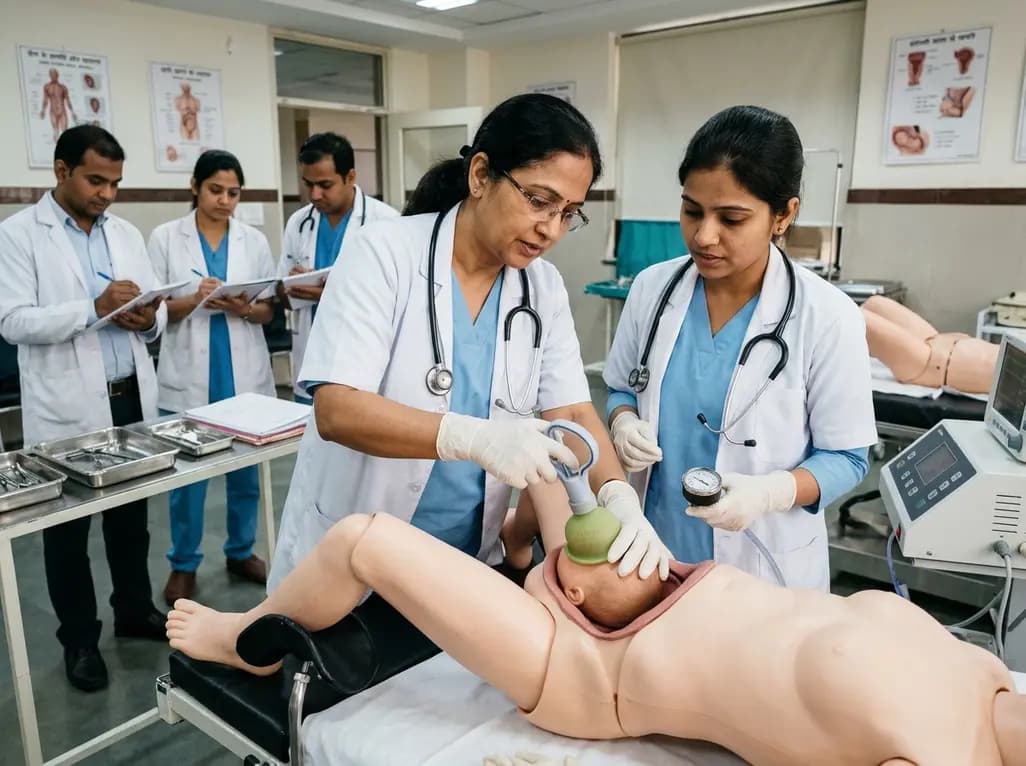
mobility-focused care requires a coordinated effort across multiple healthcare disciplines. Indeed, maintaining strength and balance requires a specialized team including physicians, physical therapists, and clinical nutritionists. Regular assessments must evaluate muscle mass, gait, and balance before a major health crisis occurs. For instance, many older adults lose confidence and muscle strength silently until they suffer a devastating fall or fracture. However, early interventions and targeted rehabilitation can successfully delay the onset of physical frailty. Additionally, nutritional counseling plays a major role by ensuring adequate protein intake to prevent age-related muscle wasting. Physiotherapy programs further enhance joint stability and cardiovascular endurance in senior patients. Thus, integrated care plans that prioritize physical function are vital to preserving daily independence. By addressing these factors collectively, healthcare teams can help seniors lead more active, fulfilling lives. This interdisciplinary approach transforms geriatric care from a passive reaction to an active preservation of human movement and dignity.
Addressing the Burden of Musculoskeletal Disorders
Musculoskeletal conditions represent a major barrier to healthy ageing for millions of older citizens in India. Specifically, industry estimates suggest that over 60 million Indians above the age of 50 live with osteoporosis. Furthermore, more than 50 million seniors suffer from osteoarthritis, which significantly restricts their daily activities and independence. These conditions dramatically increase the risk of debilitating falls and permanent physical disability. Therefore, early screening and aggressive management of bone and joint health are critical for the elderly. Clinicians should recommend regular physical exercise, appropriate medical therapies, and structured mobility exercises. Additionally, ancient practices like yoga can significantly improve flexibility, balance, and general wellbeing. By proactively addressing musculoskeletal issues, medical teams can prevent the rapid loss of physical autonomy. Consequently, seniors can remain active and engaged with their communities for much longer. Ensuring that older patients receive timely musculoskeletal care must become a priority in every clinical practice across the nation.
Adapting to Changing Indian Family Structures
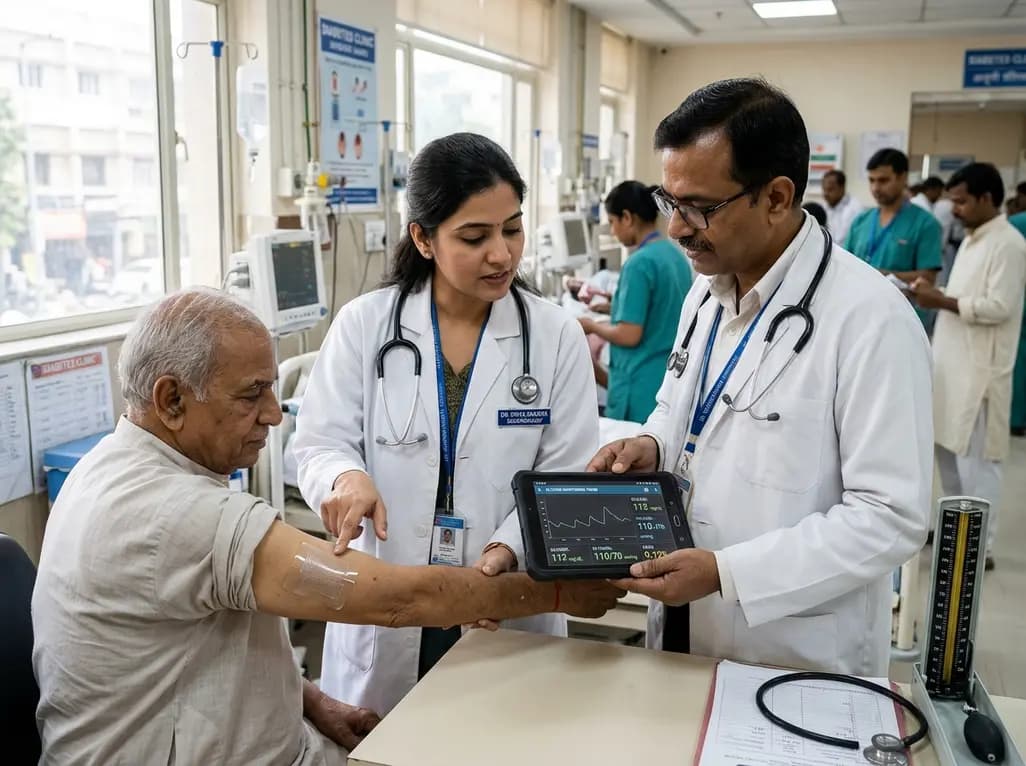
Rapidly changing family structures are also transforming the landscape of elderly care across India. Traditional joint family systems are declining, and younger generations are increasingly relocating to different cities or countries. Consequently, older adults often face solo ageing, which complicates the coordination of medical appointments and follow-up care. Long-distance caregiving has become more common, creating significant challenges for continuous healthcare monitoring. To address this social shift, healthcare models must become more integrated and accessible at the community level. For instance, regular remote monitoring and community-based support teams can provide a vital safety net. Furthermore, integrated clinics that offer multiple services under one roof reduce the logistics burden on solitary seniors. Therefore, medical systems must adapt to provide not only clinical treatment but also robust social coordination. This holistic support is essential to ensure that isolated seniors do not fall through the healthcare cracks. By integrating medical expertise with local social support, we can create a sustainable ecosystem for the elderly.
Frequently Asked Questions
Q1: What is mobility-focused care and why is it important?
Mobility-focused care is an integrated healthcare approach that prioritizes preserving physical movement, strength, and independence in older adults. It is vital because conventional disease-focused models often overlook functional capabilities. By combining the expertise of physicians, physical therapists, and nutritionists, this holistic strategy effectively prevents physical frailty. Consequently, it reduces dangerous fall risks and ensures senior citizens enjoy a longer, healthier healthspan.
Q2: Why do Indian seniors face chronic illnesses earlier than Western populations?
Evidence shows that chronic illnesses like diabetes and cardiovascular diseases develop nearly a decade earlier in Indian adults, often by age 50. This premature onset results from a complex combination of genetic factors, lifestyle transitions, and metabolic predispositions. Therefore, early functional screening and proactive management are absolutely essential to prevent premature disability and help seniors maintain their physical autonomy.
Q3: How can families manage clinical care for elderly relatives from a distance?
Families can effectively coordinate long-distance geriatric care by utilizing integrated medical models and digital monitoring platforms. Selecting a clinic that offers coordinated multidisciplinary services is highly recommended. These platforms handle medical appointments, facilitate regular home monitoring, and organize continuous communication among specialists. Consequently, this continuous oversight ensures that isolated seniors receive comprehensive, seamless healthcare support.
Disclaimer: This content is for informational and educational purposes only. It does not constitute medical advice or replace professional judgment. Refer to the latest local and national guidelines for clinical practice.
References
- India's elderly need mobility-focused care, not disease-centric treatment:Experts - ETHealthworld
- Challenges of Elderly Caregiving in the Indian Subcontinent: A Scoping Review - PMC
- Senior Care Reforms in India - NITI Aayog
.webp&w=384&q=75)