.webp&w=384&q=75)

Loading, please wait...
Loading, please wait...

The choice between primary and secondary microvascular bony jaw reconstruction remains a pivotal decision in treating oral squamous cell carcinoma (OSCC). Surgeons often weigh the benefits of immediate restoration against the potential complications during adjuvant therapy. A recent retrospective cohort study has shed light on this debate by comparing 191 patients. Consequently, clinical data now suggests that primary reconstruction offers several functional advantages without compromising survival.
The study analyzed 133 patients who underwent primary reconstruction and 58 who had secondary procedures. Notably, the primary reconstruction group experienced a significantly shorter time to dental rehabilitation compared to the secondary group. Additionally, the overall costs associated with primary reconstruction were significantly lower. This efficiency is vital in resource-constrained environments like India, where treatment speed affects long-term quality of life.
Regarding oncological safety, researchers found no significant differences in five-year disease-free survival or overall survival between the two groups. Although the primary reconstruction group showed a higher rate of postoperative complications, these did not affect the final reconstructive success. Furthermore, recent advancements in computer-aided surgery (CAS) have further improved margin integrity. This technology ensures that reconstruction does not interfere with the precision of tumor resection.
Successful dental rehabilitation depends heavily on the timing of adjuvant radiotherapy. While primary reconstruction speeds up the process, radiation exposure to the bone flap can still pose risks to dental implant survival. Recent evidence suggests that approximately half of patients with malignant diseases achieve complete prosthetic restoration. Therefore, multidisciplinary teams must coordinate closely to manage the effects of radiation on the reconstructed jaw.
No, recent studies found no significant difference in five-year overall survival or disease-free survival between primary and secondary reconstruction cohorts.
The primary advantage is a significantly faster time to dental rehabilitation and lower overall treatment costs compared to delayed procedures.
Radiotherapy can increase the risk of complications and potentially lower dental implant survival rates, requiring careful individualized planning and follow-up.
Disclaimer: This content is for informational and educational purposes only. It is not intended as a substitute for professional medical advice, diagnosis, or treatment. Always seek the advice of your physician or other qualified healthcare provider with any questions you may have regarding a medical condition. Refer to the latest local and national guidelines for clinical practice.
References
Bleymehl M et al. Primary versus secondary microvascular bony jaw reconstruction in patients with oral squamous cell carcinoma and adjuvant therapy - a retrospective cohort study. J Craniomaxillofac Surg. 2026 May 20. doi: undefined. PMID: 42160798.
Nguyen TT et al. Oncological Outcomes Following Computer-Aided Reconstructive Jaw Surgery. MDPI J. Clin. Med. 2025 Jan 5.
Schultze-Mosgau S et al. Dental Rehabilitation After Microvascular Reconstruction of Segmental Jaw Defects: A Ten-Year Follow-Up. NIH PMC. 2025 Jan 19.

Read summarized clinical updates, watch expert medical content, and earn CME certifications right from your smartphone.
Open your smartphone camera to scan and install.





A study compares primary and secondary microvascular jaw reconstruction in OSCC patients, highlighting faster dental rehabilitation and no survival impact....
5 months ago
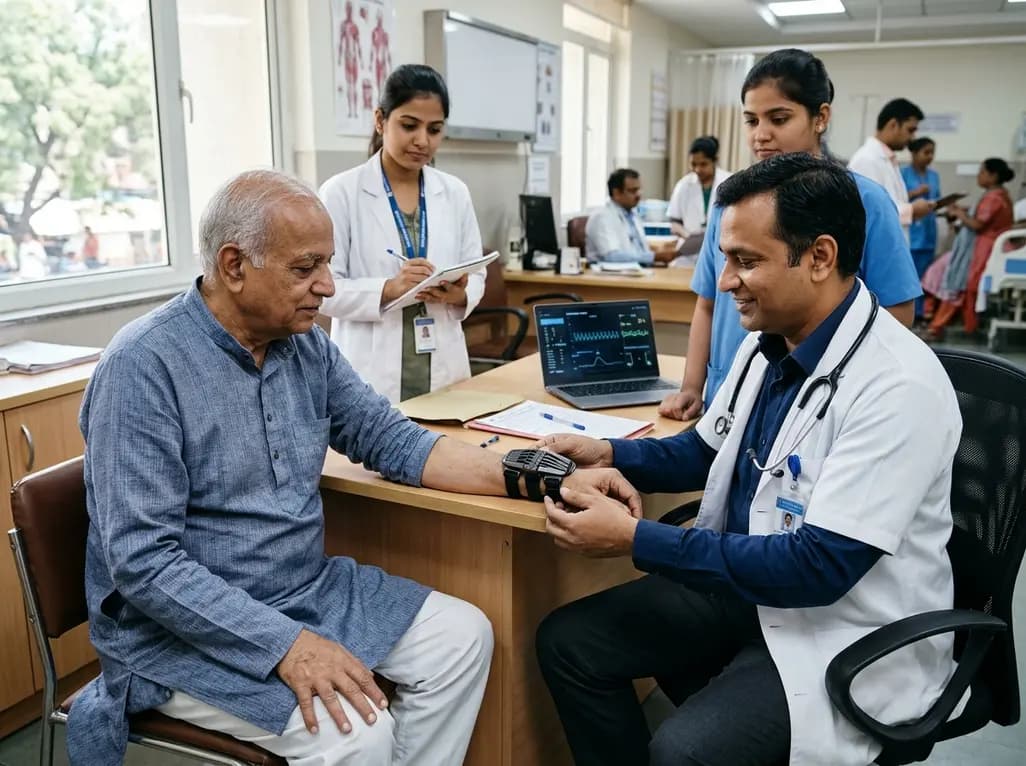
The TREM-AB open-label pilot study evaluated a wearable passive nonlinear vibration absorber for essential tremor. The Nonlinear Energy Sink bracelet reduced clinical Fahn-Tolosa-Marin tremor scores by 32.1% and electrophysiological tremor power by 49.2% with no adverse effects reported.
Today
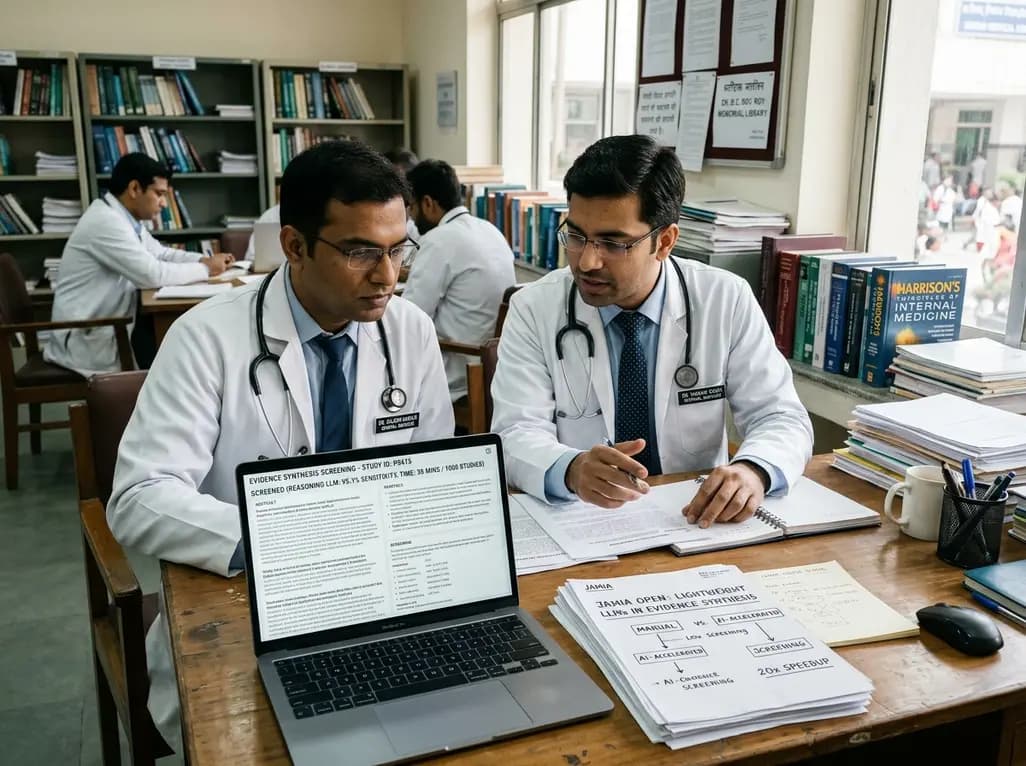
A study in JAMIA Open shows lightweight open-source reasoning LLMs achieve up to 95% sensitivity and accelerate evidence synthesis screening by nearly twentyfold, presenting a cost-effective, scalable AI solution for biomedical research and systematic reviews.
Today
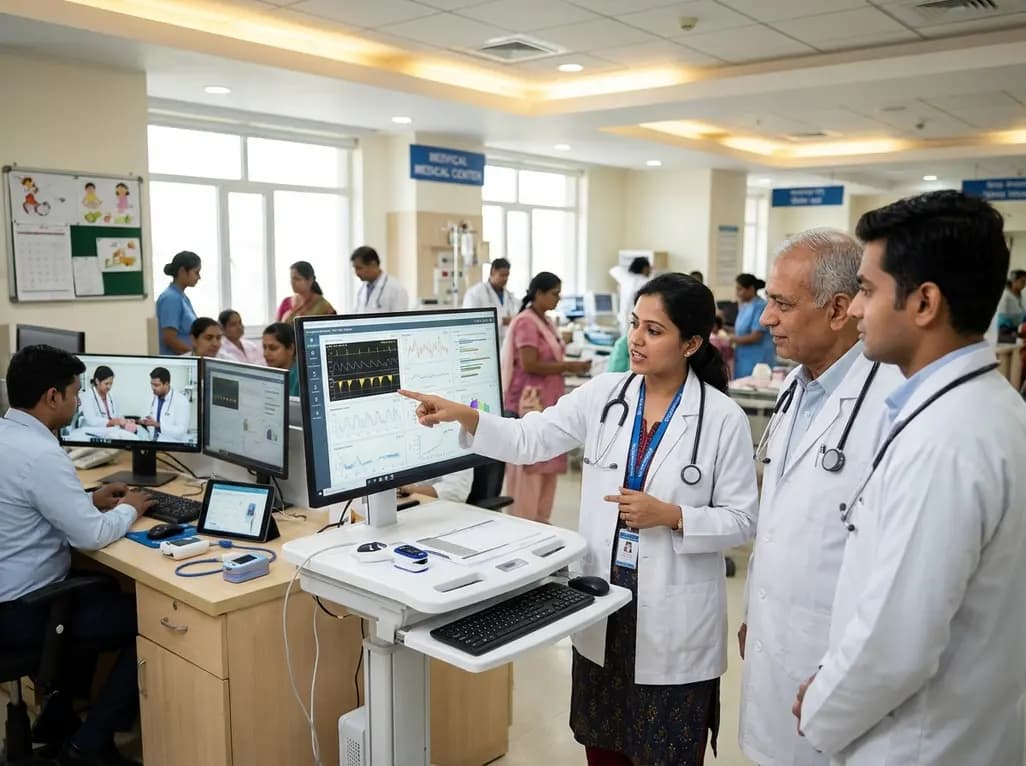
A landmark study details how an enterprise pediatric remote patient management model expanded from a single cardiology pilot to 16 diverse specialty programs by combining centralized digital operations with specialty clinical leadership.
Today
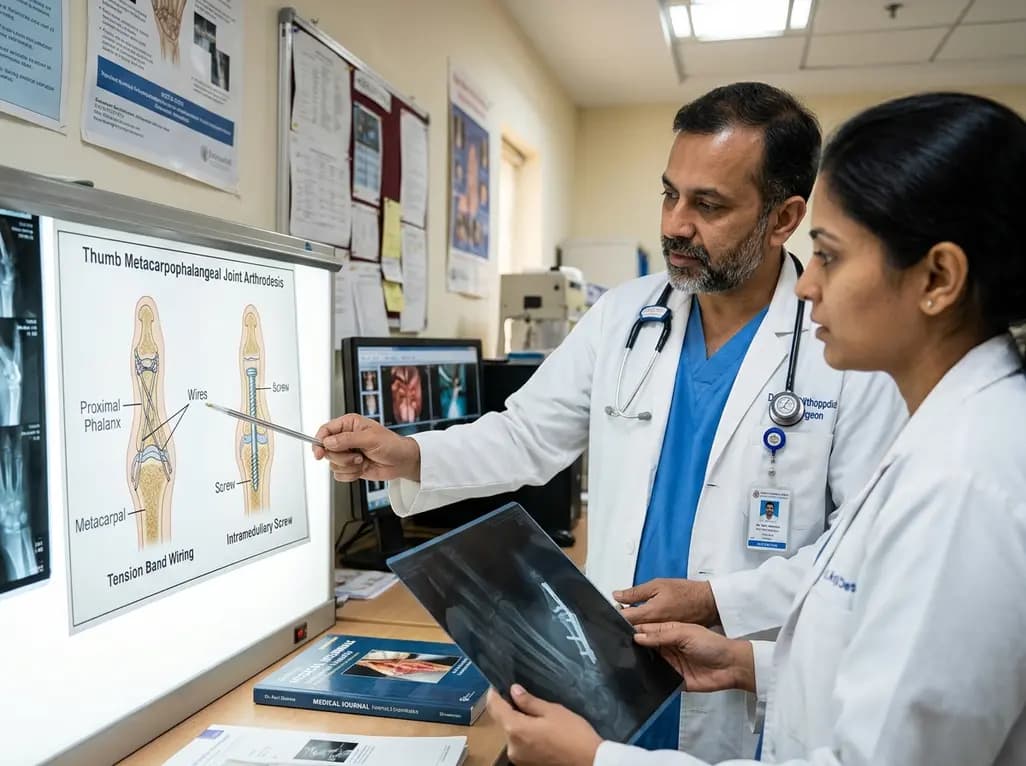
A comparative review of tension band wiring and intramedullary screw fixation in thumb metacarpophalangeal arthrodesis, evaluating union rates, hardware complications, and clinical outcomes.
Today
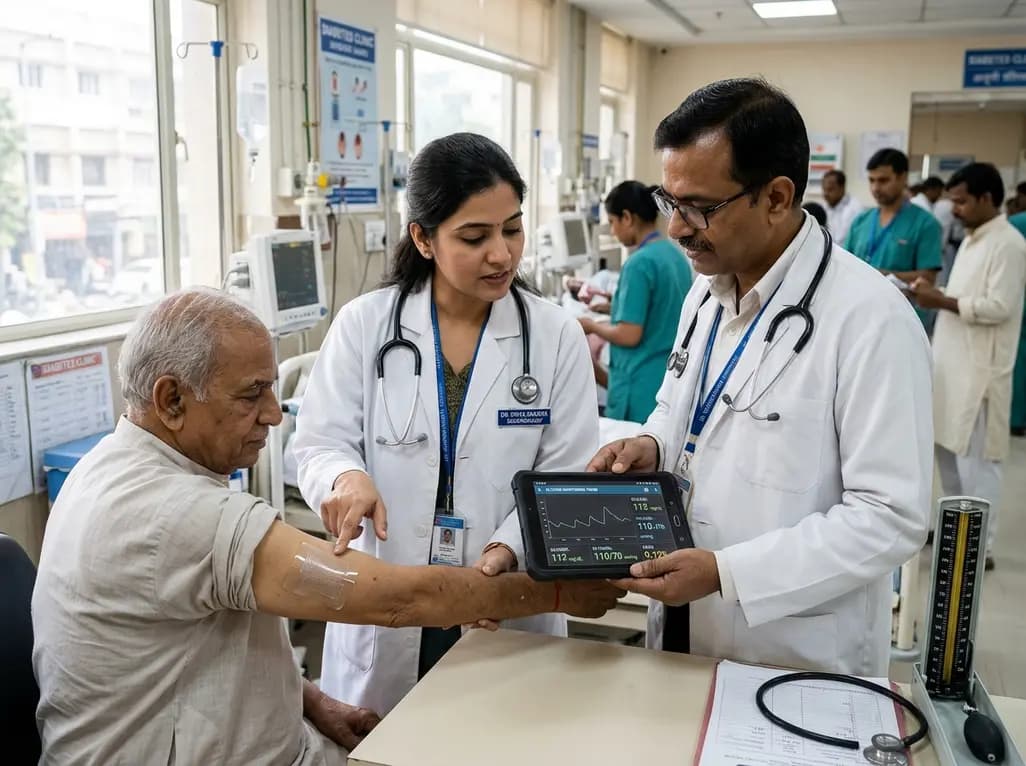
A breakthrough ultrathin multimodal sensor decouples physical hemodynamic monitoring from disposable electrochemical calibration, achieving long-term wearable glucose prediction with 81.36% accuracy and a 9.12% MARD. This offers a robust, drift-free solution for outpatient metabolic surveillance.
Today
