.webp&w=384&q=75)

Loading, please wait...
Loading, please wait...
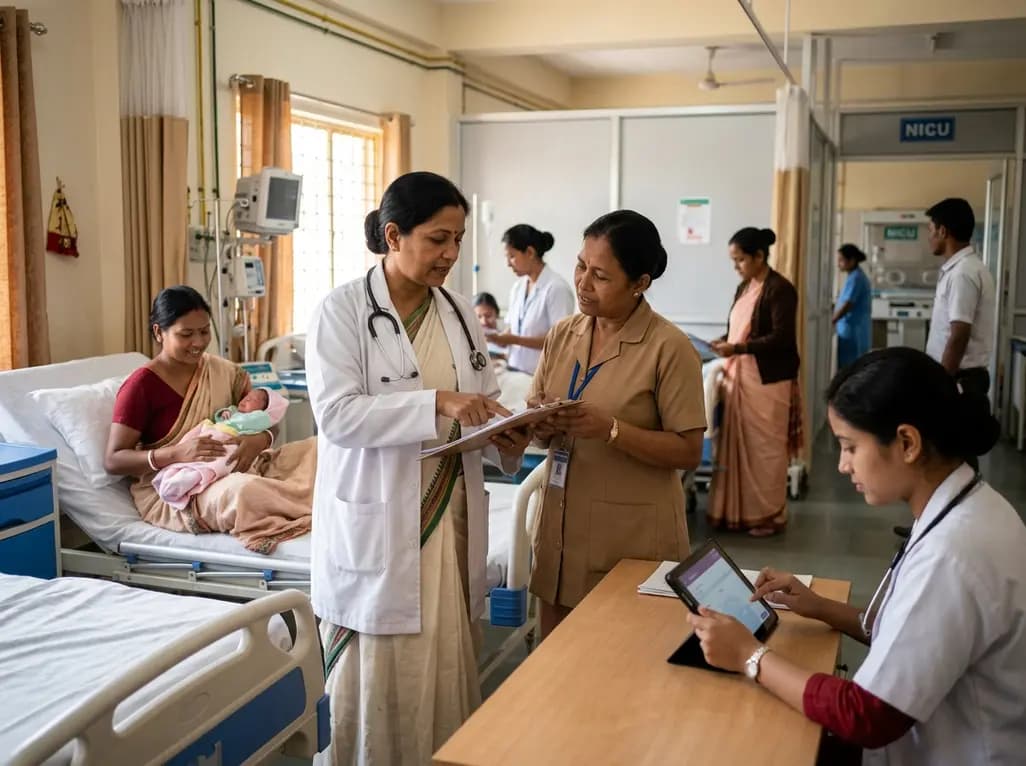
Meghalaya has achieved an extraordinary public health milestone by slashing maternal fatalities by more than 55% over the past five years. Chief Minister Conrad K. Sangma announced these transformative results during the inauguration of an expanded maternity facility in West Garo Hills. Specifically, annual maternal deaths fell sharply from 244 to 107 cases statewide. This steep drop highlights the tangible impact of systematic healthcare interventions across difficult hill terrains. Consequently, Meghalaya maternal mortality has shifted from an intractable challenge into a model of data-driven maternal health governance. Furthermore, infant mortality declined by over 40%, and childhood stunting dropped by nearly 10 percentage points. Healthcare professionals across India now regard these achievements as proof of how focused political leadership and decentralized clinical monitoring can alter reproductive health outcomes.
Historically, the state faced severe systemic obstacles that hampered obstetric safety and emergency maternal services. Rugged topography, dispersed rural settlements, and heavy monsoon rains created substantial geographic barriers for pregnant women seeking institutional delivery. Therefore, expectant mothers often reached primary health centres late, resulting in preventable maternal and neonatal complications. Additionally, earlier administrative reviews viewed these tragic losses as inevitable geographic consequences rather than solvable healthcare failures. However, state authorities instituted weekly audit meetings during the COVID-19 pandemic to examine every maternal death meticulously. Consequently, senior administrators and medical officers identified systemic gaps in referral chains, blood availability, and critical care access. Furthermore, the administration initiated rigorous frontline tracking to identify high-risk pregnancies early in gestation. Clinicians established personalized birth plans for women living in remote hamlets. In addition, rural health centers expanded their emergency transport networks through partnerships with local vehicle operators. As a result of these concerted steps, healthcare facilities witnessed a decisive shift toward institutional deliveries. This collective institutional mobilization decisively reversed the state's historical mortality trends. Moreover, clinical teams received specialized training in emergency obstetric and neonatal care protocols. District task forces conducted regular reviews to ensure rapid response times during postpartum hemorrhage and hypertensive emergencies. Thus, health workers dismantled the delay in seeking, reaching, and receiving critical maternal healthcare.
To sustain this clinical momentum, the Meghalaya government recently inaugurated a major 50-bed expansion at the District Maternity and Child Hospital in Tura. This development elevates the facility's total bed strength to 150 beds, directly mitigating severe overcrowding in the Garo Hills region. Importantly, the newly expanded wing houses the first public neonatal intensive care unit in the entire Garo Hills district. Furthermore, the upgraded facility incorporates a strengthened special newborn care unit, dedicated accommodation for clinical specialists, and an on-site medical oxygen plant. Historically, doctors had to refer critically ill neonates and complicated maternal cases to distant secondary or tertiary facilities over hours of rough terrain. Consequently, fragile newborns frequently deteriorated during long transit times. With this modern pediatric and obstetric infrastructure in place, resident clinicians can now manage acute respiratory distress, severe neonatal jaundice, and extreme prematurity locally. Additionally, the availability of specialized staff quarters ensures round-the-clock coverage by pediatricians, obstetricians, and critical care nurses. Therefore, the hospital now functions as a resilient clinical hub for maternal emergencies across Western Meghalaya. This physical upgrade guarantees timely, life-saving interventions for thousands of underprivileged mothers and newborns every year.
Technological innovation plays an indispensable role in Meghalaya's reproductive healthcare transformation. In 2019, the state government launched the MOTHER programme, representing Measurable Outcomes in Transforming Health Sector through a Holistic Approach with a Focus on Women Empowerment. Under this statewide initiative, authorities introduced a dedicated digital tracking portal and the MOTHER mobile application. Consequently, Auxiliary Nurse Midwives and Accredited Social Health Activists register every pregnancy within their assigned catchment areas during the first trimester. Furthermore, the digital system automatically flags clinical danger signs, including severe maternal anemia, gestational hypertension, and abnormal fetal presentation. Therefore, medical officers receive automated alerts for high-risk pregnancies, allowing them to schedule targeted antenatal reviews without delay. In addition, the platform tracks routine immunization schedules and postnatal visits with high precision. Community Gender Health Activists from local Self-Help Groups actively mobilize families, generating consistent community demand for institutional care. Moreover, the state links targeted financial incentives to verified digital health milestones. As a direct result, routine childhood immunization coverage climbed to 90% across the state. This real-time digital architecture ensures that health workers never lose track of vulnerable mothers throughout their pregnancy cycle.
Administrative leadership reinforced digital innovations through structural policy interventions known as the Rescue Mission and the Chief Minister's Safe Motherhood Scheme. Initiated in late 2020, the Rescue Mission mandated weekly death audits across village, block, and district health tiers. Consequently, health officials transformed maternal deaths from unexamined statistics into immediate administrative priorities. Whenever a death occurred, multidisciplinary teams investigated clinical bottlenecks, transport delays, and referral breakdowns to formulate corrective actions. Meanwhile, the Chief Minister's Safe Motherhood Scheme established transit homes near primary healthcare facilities for expectant mothers from hard-to-reach hamlets. Pregnant women residing in remote hills can stay in these transit accommodations alongside family members prior to their expected delivery date. Furthermore, the scheme established dedicated public-private vehicle partnerships to provide assured pick-up and drop services for rural mothers. Therefore, financial barriers and transport shortages no longer prevent timely hospital admissions. Additionally, healthcare providers distribute comprehensive Mother and Child Care Kits immediately following delivery, promoting hygienic postpartum recovery and neonatal thermal protection. Thus, the administration eliminated physical isolation as a leading cause of preventable obstetric complications.
The state's clinical vision extends beyond intrapartum survival toward long-term developmental wellness through Mission 1,000 Days. This flagship strategy concentrates on optimizing nutrition, cognitive development, and pediatric health from conception through a child's second birthday. Consequently, frontline workers deliver synchronized nutritional counseling, iron-folic acid supplementation, and micronutrient support to expectant mothers and infants. In addition, Meghalaya prepares to receive substantial capital assistance of approximately 750 to 800 crore rupees under the central PM-DevINE scheme. The Chief Minister confirmed that the state will channel the majority of these upcoming developmental resources straight into the public healthcare sector. Specifically, major hospital infrastructure investments will target key healthcare hubs including Tura, Shillong, and Jowai. State planners intend to expand existing civil hospitals and create dedicated mother-and-child wings capable of handling advanced obstetric subspecialties. Moreover, administrative leadership reaffirmed an ambitious roadmap to reduce maternal and infant mortality rates into single digits, matching the benchmark set by Kerala. Accordingly, sustained fiscal allocations and integrated service delivery will continue safeguarding reproductive health across northeastern communities. Ultimately, this comprehensive public health approach ensures that remote communities receive high-quality, continuous obstetric and pediatric care.
Q1: What specific factors drove the 55% decline in maternal mortality in Meghalaya?
The reduction stems from an integrated health strategy that combines granular digital tracking, weekly maternal death reviews, and targeted transport interventions. The MOTHER application enables frontline workers to identify high-risk pregnancies early. Concurrently, the Rescue Mission and Chief Minister's Safe Motherhood Scheme established transit homes and dedicated rural ambulances. These clinical and logistical measures dramatically increased institutional deliveries across difficult terrain, effectively preventing severe obstetric emergencies.
Q2: How does the new Tura District Maternity and Child Hospital expansion improve neonatal outcomes?
The newly inaugurated 50-bed annex expands the hospital's capacity to 150 beds and introduces the first public Neonatal Intensive Care Unit in the Garo Hills region. Accompanied by a dedicated oxygen generation plant and an upgraded Special Newborn Care Unit, this facility allows local clinicians to treat extreme prematurity, neonatal sepsis, and birth asphyxia without subjecting vulnerable infants to perilous journeys to distant regional tertiary centers.
Q3: What clinical objectives does Meghalaya target through Mission 1,000 Days?
Mission 1,000 Days targets maternal and pediatric health from conception through the child's first two years of life. By coordinating antenatal care, maternal nutrition, institutional delivery, exclusive breastfeeding, and timely childhood immunizations, the initiative seeks to prevent chronic undernutrition and developmental delays. Consequently, the program has already contributed to a notable 10 percentage point reduction in childhood stunting across the state.
Disclaimer: This content is for informational and educational purposes only. It does not constitute medical advice or replace professional judgment. Refer to the latest local and national guidelines for clinical practice.
References

Read summarized clinical updates, watch expert medical content, and earn CME certifications right from your smartphone.
Open your smartphone camera to scan and install.





Meghalaya recorded a historic 55% reduction in maternal deaths, dropping from 244 to 107 over five years. Through the MOTHER app, dedicated transit homes, and expanded infrastructure like the 150-bed Tura Maternity Hospital with its first public NICU, the state demonstrates an effective public health model.
Today
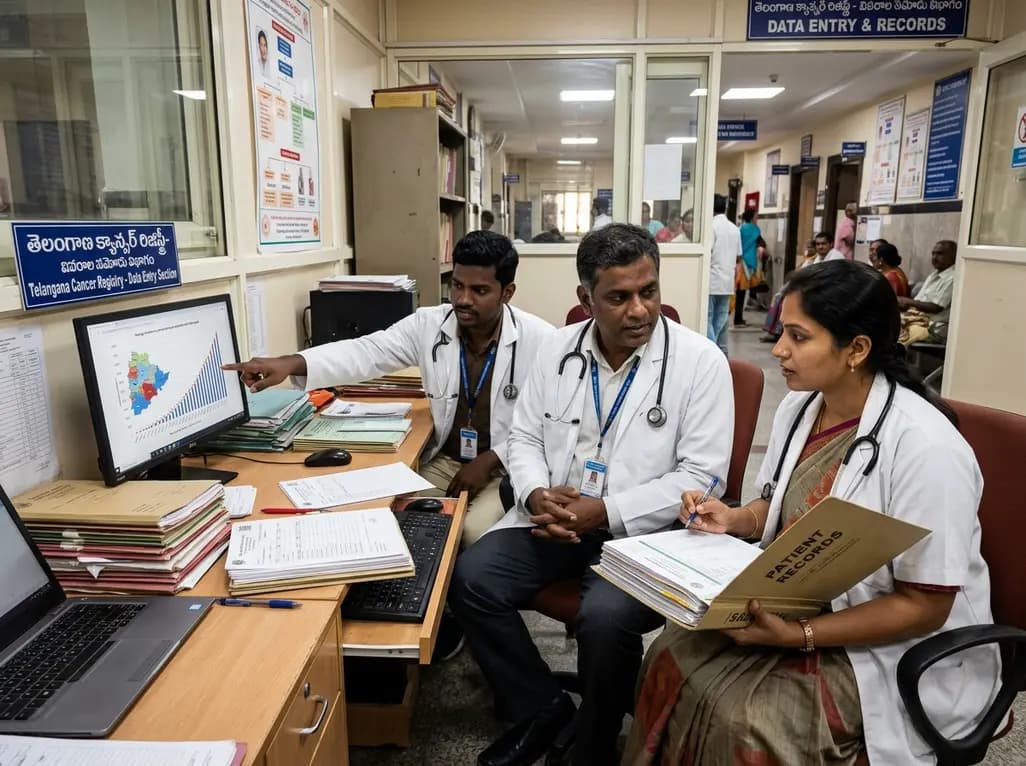
Telangana's statewide cancer registry faces delays due to data entry and verification challenges across private and public centres. Clinicians examine how reporting bottlenecks, deduplication efforts, rising incidence rates, and low baseline screening affect regional oncology surveillance and healthcare delivery.
Today
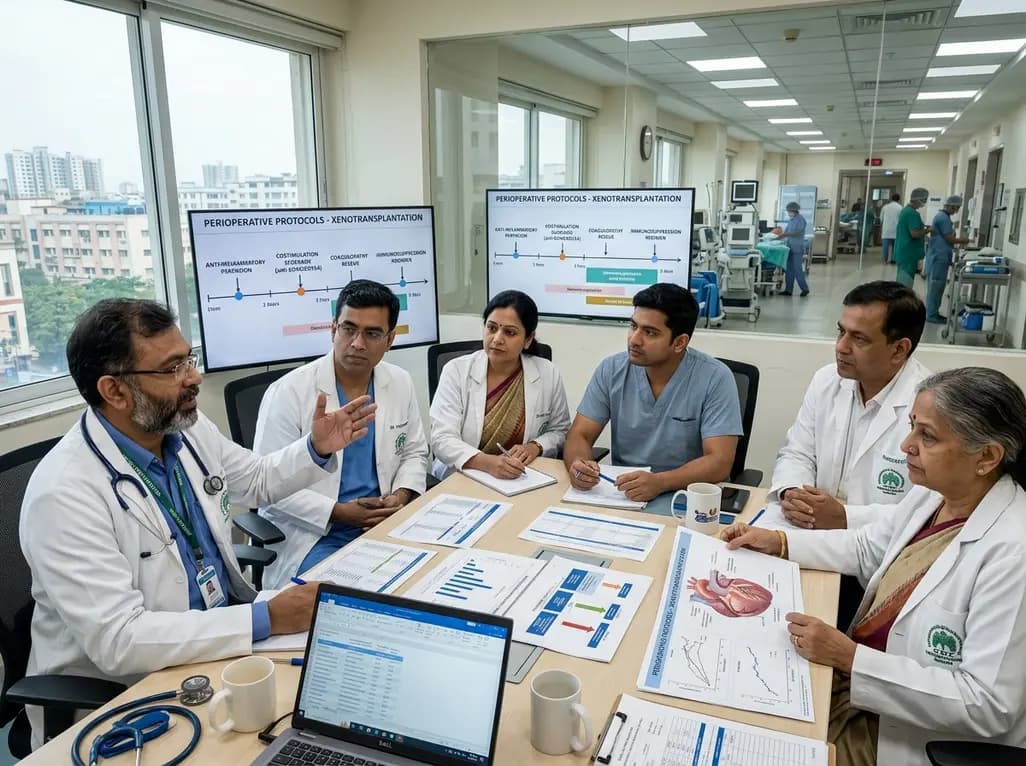
Explore modern perioperative management protocols for clinical xenotransplantation. Learn how costimulation blockade, anti-inflammatory perfusion, and coagulopathy rescue overcome interspecies hurdles.
Today
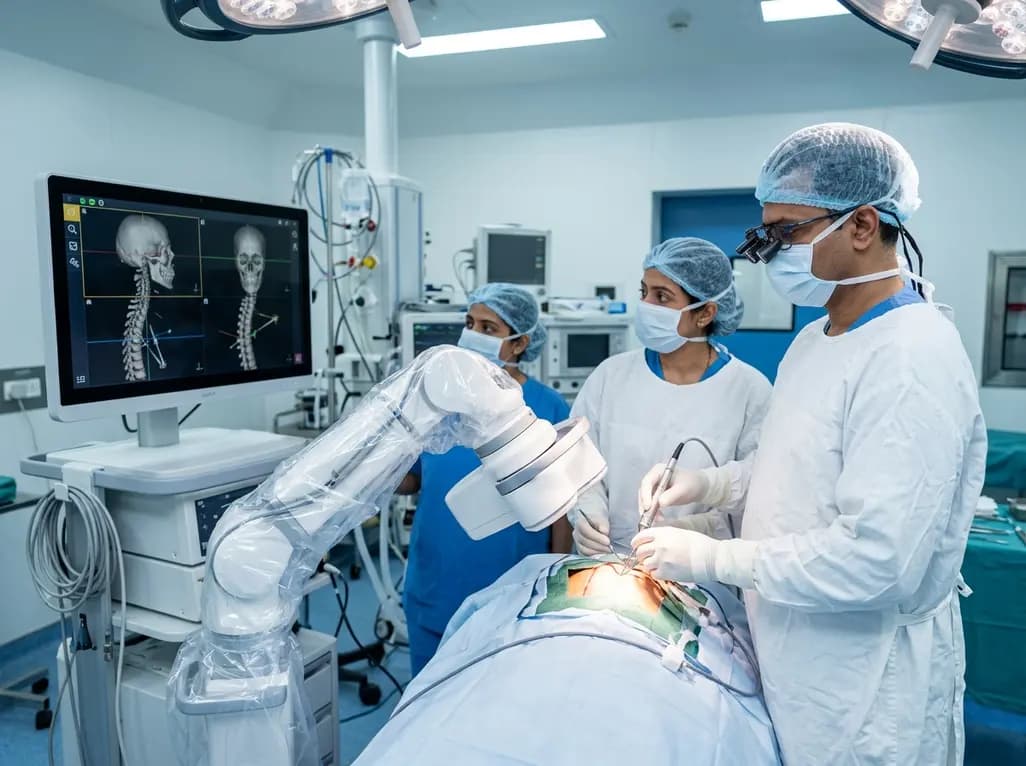
North India's first Centre of Excellence for Brain and Spine at Amrita Hospital Faridabad integrates Brainlab's Loop-X mobile robot. This landmark facility combines cone-beam computed tomography with surgical navigation to elevate precision, optimize operative workflows, and enhance specialized clinician training.
Today
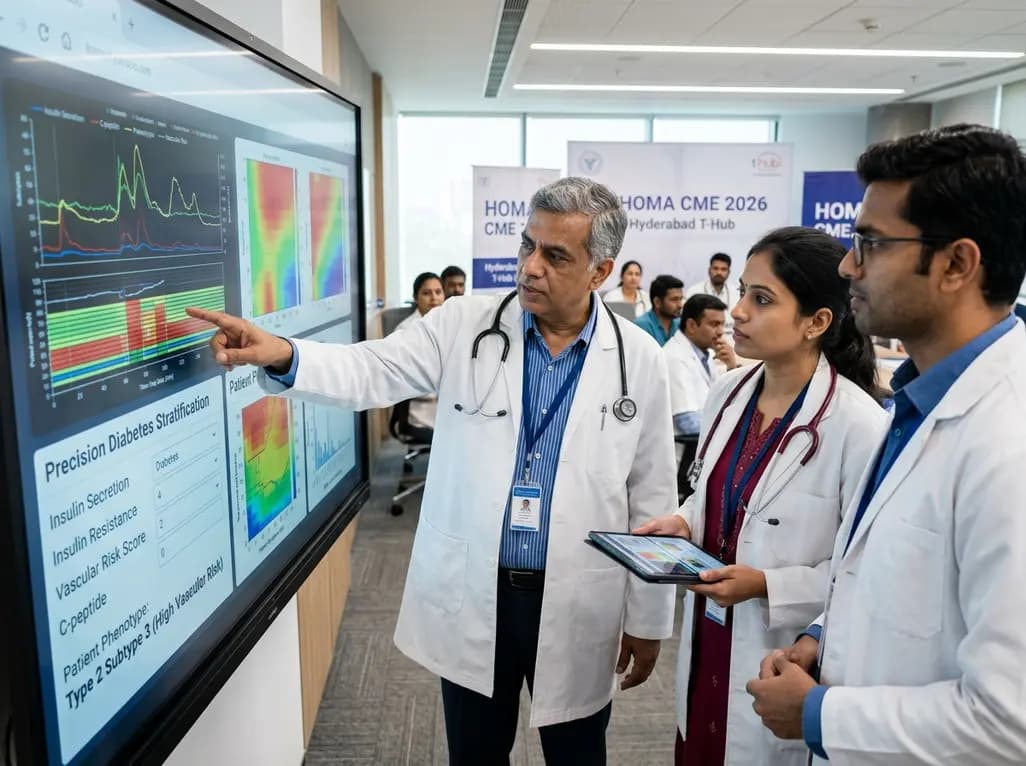
At Homa CME 2026 at Hyderabad's T-Hub, healthcare leaders emphasized moving beyond routine metrics through digital calculators and precision stratification. Discover why characterizing individual insulin secretion, resistance patterns, and vascular risks transforms chronic metabolic care in India.
Today
