

Loading, please wait...
Loading, please wait...
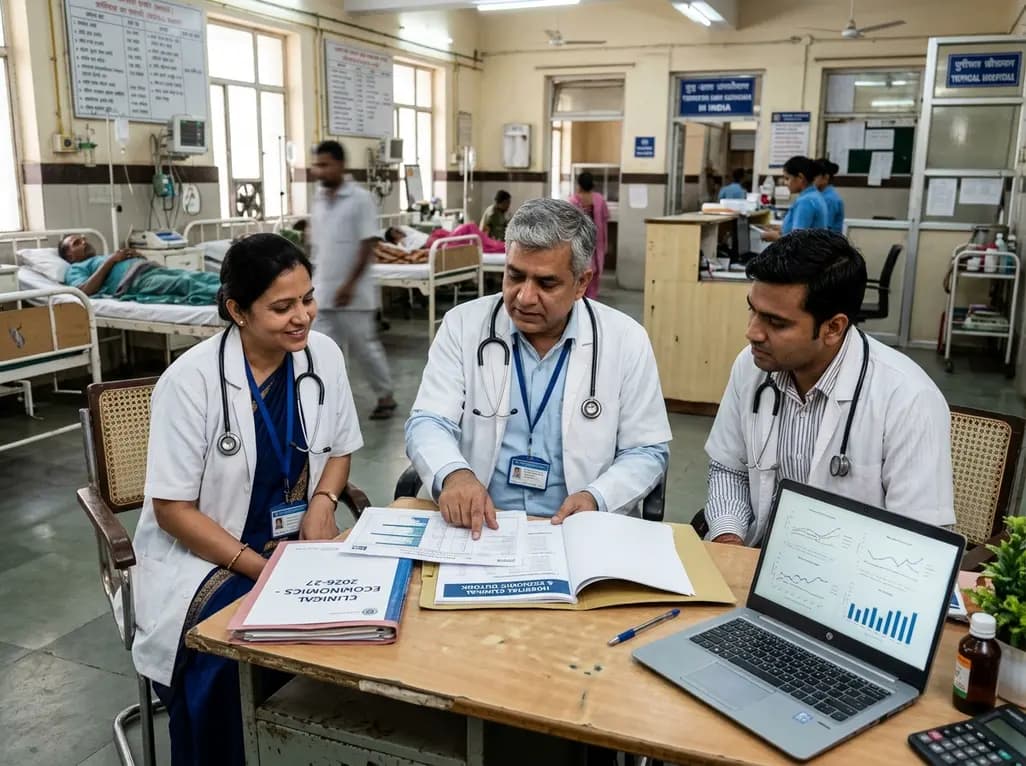
The global healthcare economy is experiencing noticeable shifts as post-pandemic volatility stabilizes into predictable systemic patterns. According to the 2027 Global Medical Trend Rates Report by Aon, medical cost growth in India is projected to slow to 10.1% in 2027. This anticipated figure marks an encouraging deceleration from the 11.5% rate documented in 2026. However, healthcare expenditures continue to escalate materially faster than general inflation. Consequently, medical professionals and health administrators must navigate persistent fiscal pressures while upholding clinical quality. Understanding these economic shifts helps clinicians adapt their practices to support long-term patient wellbeing.
Macroeconomic stability often fails to shield individual patients from mounting clinical care expenses. While overall Indian consumer price inflation remains anchored near 4%, medical costs continue to rise at more than double that pace. Therefore, the net medical trend rate stands at approximately 6.1% for 2027 after adjusting for general inflation. Although this net figure shows an easing trend from 7.4% in 2026, healthcare inflation remains stubbornly elevated across both inpatient and outpatient domains.
Furthermore, this gap highlights a persistent structural disparity within modern health financing systems. General consumer price indices track everyday commodities, whereas medical trend rates reflect specialized clinical equipment, advanced pharmaceuticals, and hospital overheads. Consequently, corporate benefits budgets face severe strain as employee coverage renewal demands climb steadily year after year. In addition, private out-of-pocket spending places an acute financial burden on uninsured and underinsured families. Clinicians regularly witness how rising procedural charges directly influence therapeutic compliance, diagnostic follow-through, and follow-up schedules. For this reason, medical practitioners must appreciate broader economic forecasts to deliver clinically sound yet financially practical treatment plans. Ultimately, slowing cost momentum will not spontaneously translate into clinical affordability without coordinated health system interventions.
Chronic non-communicable diseases represent the principal catalyst accelerating medical cost growth across Indian healthcare systems today. The Aon survey identifies cardiovascular disease as the primary contributor to medical claims by volume and cumulative financial value. Furthermore, oncological disorders and chronic respiratory conditions represent the next largest drivers of claims across insured populations.
In addition, clinicians recognize that modifiable behavioral risk factors drive these chronic disease epidemics among diverse patient demographics. Essential hypertension, widespread physical inactivity, tobacco exposure, and poor nutritional choices persistently fuel new cardiometabolic presentations. For example, early-onset coronary artery disease and complicated type 2 diabetes mellitus now routinely appear in younger corporate cohorts. Consequently, emergency coronary interventions, intensive care admissions, and life-long pharmacotherapies substantially inflate total healthcare expenditure. Moreover, delayed diagnoses often convert manageable chronic illnesses into catastrophic inpatient emergencies requiring advanced supportive technology. Therefore, systematic screening protocols and proactive disease control must become clinical priorities across primary and secondary healthcare settings. When physicians emphasize early risk mitigation, they actively reduce downstream hospitalization costs for complex multi-organ pathology.
Cross-border analysis reveals intriguing patterns regarding health system utilization throughout Asia-Pacific economies. The regional gross medical trend rate is expected to moderate from 11.3% in 2026 down to 9.7% in 2027. Consequently, India's projected rate of 10.1% places the nation slightly above the regional continental benchmark.
Nevertheless, India demonstrates more favorable cost moderation than several other major regional markets. For instance, projected medical trend rates in Singapore reach 14.7%, while Thailand anticipates 11.7% and Indonesia faces an extraordinary 17.3%. Conversely, China projects a much lower medical trend rate of approximately 6.0%. These notable variations stem from contrasting demographic aging profiles, public payer mechanisms, and domestic regulatory frameworks. Moreover, differing healthcare infrastructure and clinical adoption rates directly influence inpatient unit pricing. In India, rapid private hospital network expansion alongside specialized tertiary care maintains persistent upward price pressures. However, domestic generic manufacturing and competitive procedural pricing partially temper even higher escalations. Therefore, understanding regional benchmarks helps healthcare leaders assess clinical procurement, institutional resource allocation, and cross-border medical tourism dynamics effectively.
Technological innovation expands clinical therapeutic horizons while simultaneously escalating individual procedure expenditures across specialties. Modern tertiary medical centers across India increasingly integrate robotic-assisted surgical systems, targeted oncology therapies, and sophisticated biologics. Furthermore, specialized diagnostic imaging platforms and next-generation genetic sequencing now routinely guide personalized therapeutic decision-making.
Consequently, while these cutting-edge innovations improve long-term clinical outcomes, they dramatically raise baseline episode costs. For instance, novel monoclonal antibodies and specialized immunotherapy regimens impose formidable financial burdens upon corporate health plans and individual families. In addition, new therapeutic agents such as GLP-1 receptor agonists are expanding rapidly from metabolic management into preventive cardiology. Although these medications offer profound clinical benefits, their sustained expense challenges conventional insurance coverage limits. Therefore, clinicians must carefully evaluate therapeutic cost-effectiveness alongside standard clinical indications during routine practice. Moreover, hospital administrators must balance capital investment in advanced surgical platforms with accessible community service pricing. Ultimately, technological advancement demands rigorous health technology assessment to prevent care fragmentation and inequitable access among socioeconomically diverse patient cohorts.
Practicing physicians play an indispensable role in curbing unnecessary clinical spending without compromising treatment safety or quality. First, medical practitioners can champion early risk stratification protocols in busy outpatient clinics. By identifying hypertension, prediabetes, and dyslipidemia during routine consultations, doctors can prevent catastrophic cerebrovascular and coronary events. Furthermore, comprehensive lifestyle modification counseling serves as the most economical and durable intervention for metabolic syndrome.
In addition, rational prescribing practices substantially lower out-of-pocket patient spending across therapeutic areas. When physicians prescribe bioequivalent generic formulations and avoid unindicated diagnostic laboratory panels, treatment compliance improves dramatically. Similarly, timely transition from acute inpatient monitoring to structured ambulatory care minimizes expensive facility fees. Hospital departments can also partner with employer wellness initiatives to deliver targeted workplace health screenings. Consequently, structured chronic disease management pathways allow clinicians to detect progressive complications before costly tertiary interventions become unavoidable. Therefore, physician leadership in value-based care represents the most sustainable pathway to contain rising healthcare costs while preserving superior clinical outcomes for every patient.
Q1: Why is medical cost growth in India outpacing general economic inflation?
Medical expenses outpace general inflation primarily because healthcare involves specialized clinical labor, imported biomedical technology, and rising chronic disease incidence. Furthermore, routine consumer price indices monitor everyday retail items, whereas healthcare indices capture advanced tertiary treatments, expensive specialty drugs, and modern hospital overheads. Consequently, health services face unique operational pressures that sustain elevated pricing regardless of broader consumer market trends.
Q2: Which medical specialties generate the largest volume of insurance claims in India?
Cardiology generates the largest volume and highest financial value of corporate insurance claims across India. Following cardiovascular conditions, oncology, pulmonology, and otolaryngology represent major expenditure drivers due to protracted therapeutic regimens and complex surgical interventions. In addition, chronic metabolic disorders like diabetes mellitus frequently trigger downstream multisystem complications that require prolonged hospitalizations and specialized multidisciplinary care.
Q3: How can physicians assist patients in managing high medical trend expenses?
Physicians can actively assist patients by promoting rigorous lifestyle modifications to prevent chronic disease escalation. Additionally, prescribing affordable, quality-assured generic drugs and ordering strictly evidence-based diagnostic tests prevents unnecessary out-of-pocket spending. Finally, doctors can guide vulnerable patients toward integrated outpatient disease management programs, which reliably reduce avoidable emergency room visits and costly inpatient hospital admissions.
Disclaimer: This content is for informational and educational purposes only. It does not constitute medical advice or replace professional judgment. Refer to the latest local and national guidelines for clinical practice.
References

Read summarized clinical updates, watch expert medical content, and earn CME certifications right from your smartphone.
Open your smartphone camera to scan and install.





Aon forecasts India's healthcare inflation will ease to 10.1% in 2027 from 11.5% in 2026. Despite moderation, healthcare expenses continue to outpace general inflation, propelled by non-communicable diseases, advanced medical therapeutics, and expanding utilization patterns across diverse patient populations.
Today
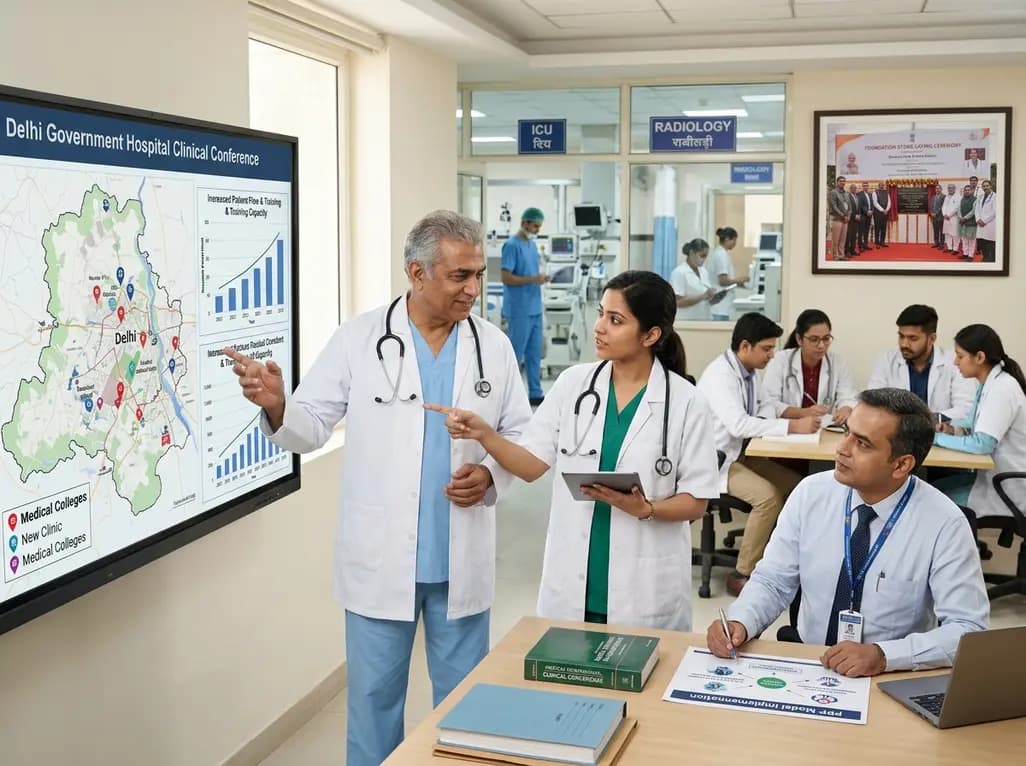
Delhi is undergoing a major healthcare overhaul with enhanced Ayushman Bharat insurance up to ₹10 lakh, increased MBBS and PG medical training seats, expanded primary network mandirs, new tertiary neuro-ICUs, and public-private reproductive technology initiatives to build a resilient, preventative healthcare model.
Today
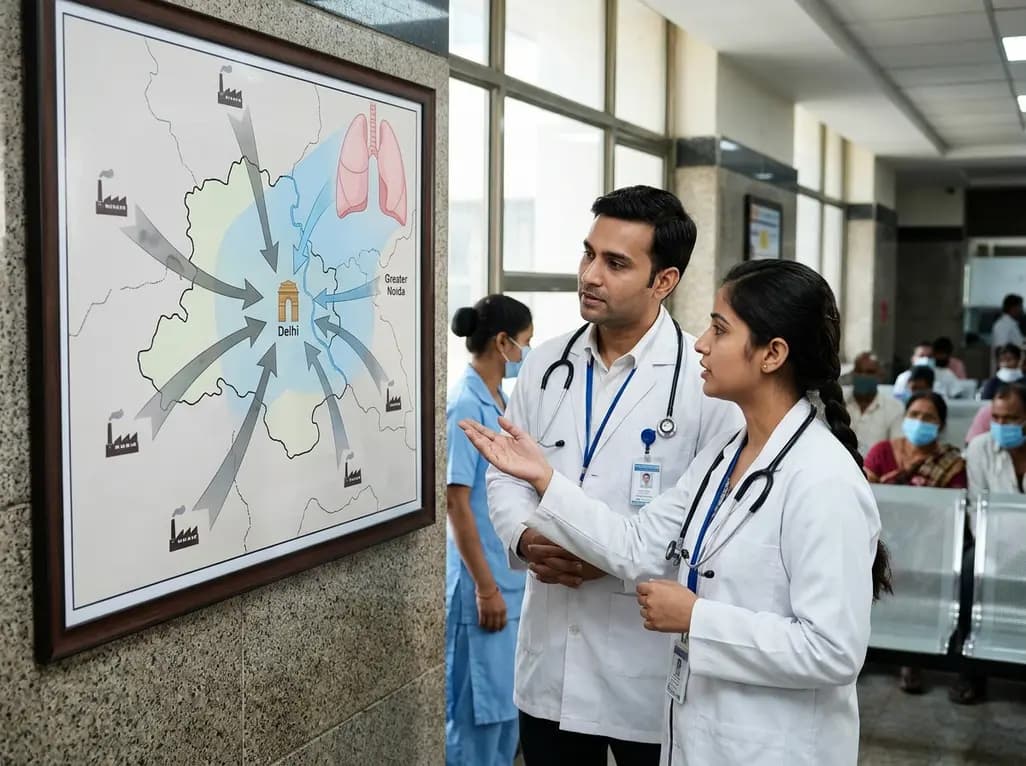
A landmark NIAS study reveals that regional airshed interventions can slash northern India's fine particulate levels by up to 60%. Discover the profound clinical implications of targeted emission curbs on cardiopulmonary health, chronic respiratory diseases, and population-level preventative strategies.
Today
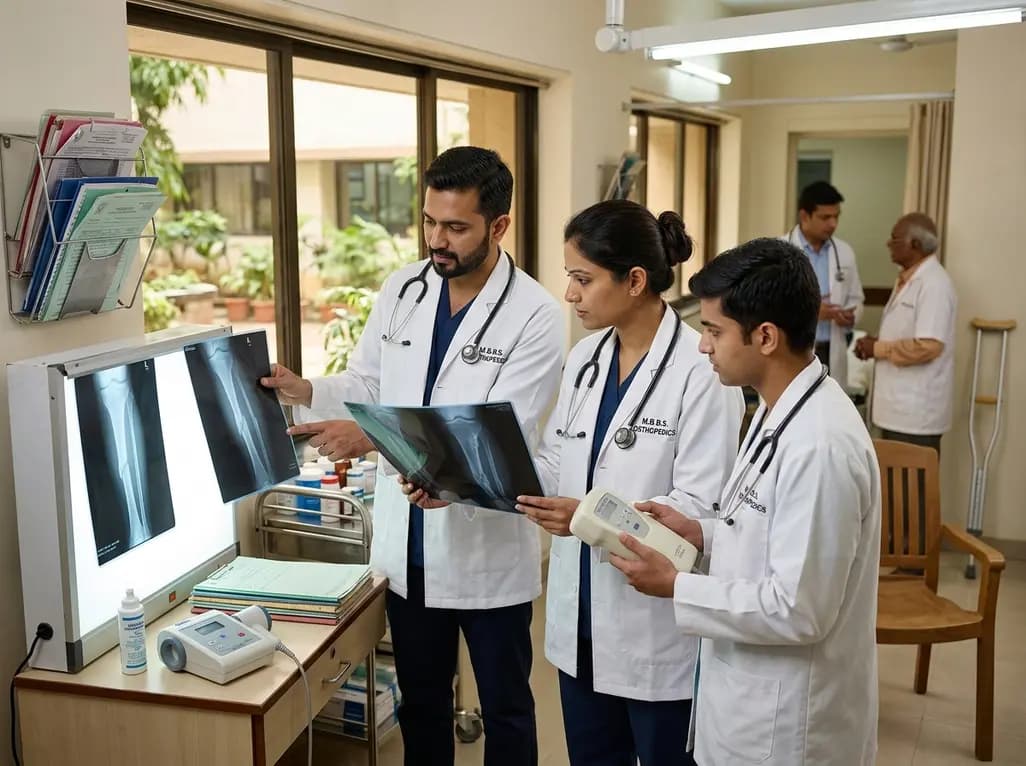
Non-union fractures occur in 2-5% of cases, causing significant disability and cost. Conservative modalities such as LIPUS, PEMF, and focused ESWT offer non-surgical healing options for defects up to 5-10 mm when adequate mechanical stability exists without infection.
Today
A Brazilian birth cohort reveals significant sex-specific associations between preterm birth and adolescent adiposity, underscoring the urgent need for targeted long-term cardiometabolic surveillance and tailored clinical monitoring.
Today
