

Loading, please wait...
Loading, please wait...
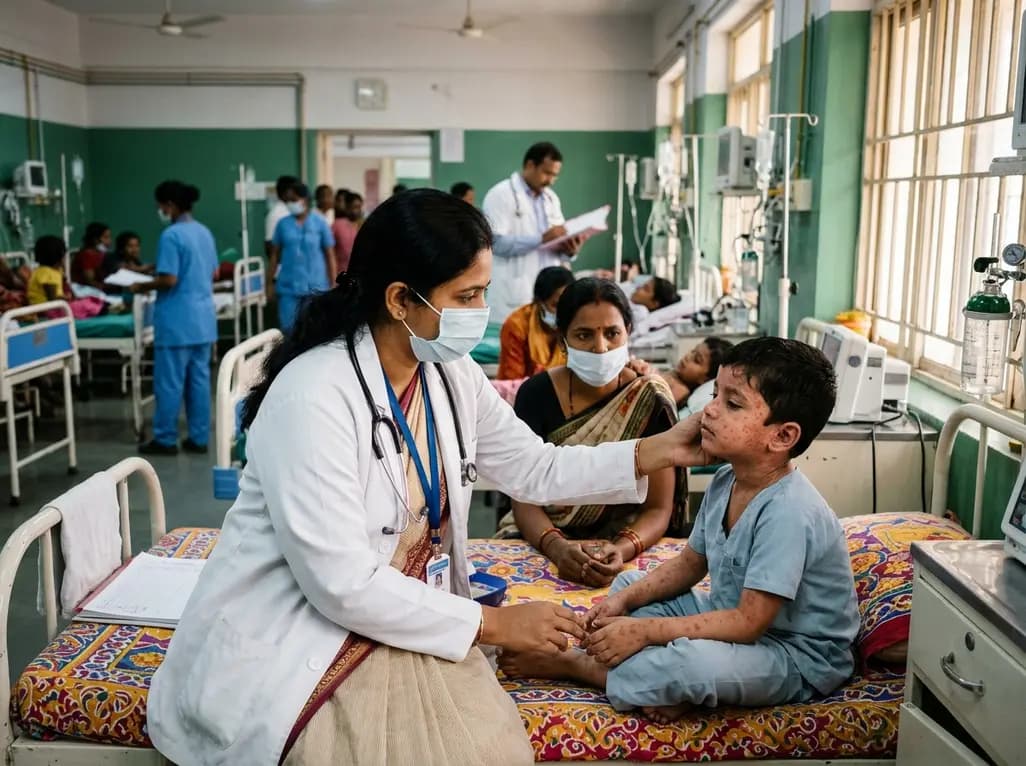
The recent global measles outbreak resurgence highlights a critical vulnerability in modern infectious disease control. Public health agencies recently recorded nearly 6,000 confirmed cases, which demonstrates rapid viral dissemination across undervaccinated pockets. Consequently, healthcare providers must re-examine this acute pathogen with heightened diagnostic vigilance. Early detection remains paramount to prevent localized clusters from evolving into sustained public health crises.
Recent epidemiological data reveal an alarming escalation of measles infections across several previously well-protected territories. For example, federal surveillance reports recorded nearly 6,000 confirmed cases within a single calendar year. As a result, authorities revoked national elimination status after more than two decades of sustained containment. This dramatic epidemiological shift stems largely from declining childhood vaccination coverage in several communities. Furthermore, localized pockets of vaccine hesitancy have steadily eroded communal herd immunity. Heavily impacted regions, such as Pennsylvania and Wisconsin, have recorded numerous hospitalizations and severe fatalities. In addition, international travel continues to introduce virulent viral lineages into receptive populations. Because measles virus possesses a basic reproduction number exceeding twelve, even marginal coverage drops create catastrophic transmission chains. Consequently, public health agencies now report widespread community transmission rather than sporadic imported cases. Clinicians must therefore understand that herd immunity thresholds require at least ninety-five percent population coverage. Ultimately, these shifts illustrate how quickly preventable viral pathogens can re-establish endemic footholds when public immunization targets falter. Healthcare facilities must actively anticipate incoming exposures. Therefore, triage teams must flag febrile individuals immediately. Prompt notification protocols ensure rapid regional containment.
Measles presents as an acute febrile illness characterized by distinct phases of systemic infection. Initially, patients experience an intense prodrome that typically lasts two to four days. Early on, patients exhibit high spiking fevers that frequently exceed forty degrees Celsius. In addition, the classic triad of cough, coryza, and conjunctivitis emerges prominently. Notably, clinicians should inspect the oral cavity during the late prodromal phase for pathognomonic Koplik spots. These small, irregular, bluish-white lesions appear on an erythematous buccal background opposite the lower molars. Consequently, identifying Koplik spots confirms clinical suspicion before the general rash manifests. Following the prodrome, an erythematous maculopapular exanthem erupts around two weeks post-exposure. The rash classically begins at the hairline and behind the ears. Subsequently, the lesions spread cephalocaudally over three days to involve the neck, trunk, and lower extremities. As the eruption progresses, individual lesions often become confluent on the face and torso. Conversely, the rash remains discrete on distal extremities. Because measles virus causes profound systemic immune suppression, patients often display pronounced lymphopenia during acute illness. Therefore, physicians must carefully distinguish measles from other viral exanthems, including rubella, roseola, and dengue.
Although measles is frequently regarded as a benign childhood illness, it can produce devastating complications. For instance, respiratory tract involvement represents the primary driver of disease-related mortality. Severe viral pneumonia or secondary bacterial superinfections frequently trigger rapid clinical deterioration. Furthermore, acute otitis media occurs in approximately one in every ten pediatric infections, risking permanent hearing loss. Neurological sequelae also pose profound threats to patient survival. Specifically, acute post-infectious encephalitis develops in roughly one out of every one thousand cases, frequently leaving permanent neurological deficits. Additionally, subacute sclerosing panencephalitis represents a fatal, progressive degenerative neurological condition that manifests years after primary infection. Certain patient demographics face extraordinarily heightened vulnerability to these severe adverse outcomes. In particular, infants younger than twelve months lack mature immune defenses and routine vaccine eligibility. Similarly, pregnant individuals who contract measles encounter severe hazards, including maternal mortality, spontaneous abortion, and preterm labor. Congenital measles in neonates can cause severe systemic collapse and fatal respiratory distress. Severely immunocompromised patients and malnourished children also face exceptionally high case-fatality rates. Prompt administration of therapeutic vitamin A reduces pediatric morbidity substantially. Thus, early hospital referral and vigilant supportive care remain crucial to mitigate life-threatening organ dysfunction in susceptible cohorts.
Accurate laboratory confirmation and swift containment protocols prevent healthcare facilities from amplifying community transmission. Clinicians must establish a provisional diagnosis based on clinical symptoms and travel history. However, laboratory testing remains indispensable for definitive confirmation and epidemiological tracing. Specifically, clinicians should collect throat or nasopharyngeal swabs for RT-PCR testing during the acute phase. In addition, serum measles-specific IgM antibody testing provides valuable diagnostic confirmation when collected within appropriate timeframes. When encountering suspected patients, healthcare facilities must enforce strict airborne transmission precautions immediately. Measles virus remains viable in suspended aerosol droplets for up to two hours after an infectious person departs. Therefore, staff must isolate suspected cases in negative-pressure airborne isolation rooms without delay. If such rooms are unavailable, clinicians must place a surgical mask on the patient in a closed room. Furthermore, attending medical personnel must wear properly fitted N95 respirators regardless of past vaccination. Health workers must also document all exposed contacts across outpatient waiting areas. Unvaccinated contacts should receive post-exposure prophylaxis with the MMR vaccine within seventy-two hours of exposure. Alternatively, susceptible high-risk individuals require intramuscular immunoglobulin within six days. These rigorous measures effectively truncate secondary nosocomial transmissions. Rapid administrative reporting to surveillance authorities facilitates wider community tracing.
Robust vaccination coverage forms the cornerstone of measles elimination and community protection. The live attenuated MMR vaccine delivers exceptional efficacy against viral transmission. For example, a single dose confers roughly ninety-three percent protection, whereas two doses provide ninety-seven percent long-term immunity. In India, public health programs deliver the measles-rubella vaccine at nine months and sixteen to twenty-four months of age. Maintaining coverage above ninety-five percent across all administrative districts prevents indigenous transmission. Nevertheless, vaccine misinformation and logistical disruptions continuously threaten coverage benchmarks. Clinicians play an indispensable frontline role in combating vaccine hesitancy through evidence-based dialogue. When parents express skepticism, physicians must clearly explain that vaccination prevents lethal encephalitis and pulmonary damage. In addition, healthcare providers should audit pediatric immunization records during routine visits to identify missed opportunities. For international travelers visiting outbreak regions, doctors must recommend pre-travel MMR doses for infants aged six to eleven months. Older individuals with incomplete records require catch-up vaccination before departure. Furthermore, robust disease surveillance systems must track sporadic infections to intercept emerging outbreaks rapidly. Sustained clinical vigilance remains our most potent defense against preventable outbreaks. By championing high vaccine uptake, medical practitioners safeguard communal herd immunity and prevent catastrophic disease resurgence.
Q1: What are the primary pathognomonic clinical signs that distinguish measles from other viral rashes?
Measles initially presents with high spiking fevers accompanied by the classic triad of cough, coryza, and conjunctivitis. During the late prodrome, clinicians can identify pathognomonic Koplik spots, which appear as tiny bluish-white ulcerations on an erythematous buccal mucosa. Subsequently, a characteristic maculopapular rash begins at the hairline and spreads cephalocaudally across the body over several days, unlike the milder, non-confluent exanthems typically observed in rubella or roseola infections.
Q2: What immediate post-exposure prophylaxis options exist for unvaccinated individuals exposed to measles?
Clinicians can administer the live measles vaccine within seventy-two hours of initial exposure to susceptible, immunocompetent individuals aged six months and older. Alternatively, vulnerable populations who cannot receive live vaccines, such as pregnant women, infants under six months, and severely immunocompromised patients, should receive intramuscular or intravenous immunoglobulin within six days of exposure. This passive immunization provides immediate neutralizing antibodies, thereby preventing clinical disease or significantly attenuating symptom severity in high-risk hosts.
Q3: Why are infants and pregnant individuals particularly vulnerable during widespread measles outbreaks?
Infants younger than routine vaccination age lack endogenous cellular immunity and may possess declining maternal antibodies, leaving them exceptionally susceptible to severe complications such as viral pneumonia and fatal acute encephalitis. Similarly, pregnant individuals experience altered cell-mediated immune responses, which dramatically amplifies their risk of hospitalization, respiratory failure, spontaneous pregnancy loss, and preterm delivery. In severe cases, maternal viremia transmits the virus transplacentally, resulting in congenital measles and severe neonatal morbidity.
Disclaimer: This content is for informational and educational purposes only. It does not constitute medical advice or replace professional judgment. Refer to the latest local and national guidelines for clinical practice.
References

Read summarized clinical updates, watch expert medical content, and earn CME certifications right from your smartphone.
Open your smartphone camera to scan and install.





With global measles transmission accelerating and elimination status threatened, healthcare providers must reinforce diagnostic acumen, recognize early pathognomonic signs, manage severe respiratory complications, and champion prompt childhood immunization to protect vulnerable populations.
Today

Mayo Clinic trials and real-world datasets show GLP-1 receptor agonists improve left ventricular remodeling, reduce intracardiac filling pressures, decrease hospitalizations by 34%, and lower geriatric fall risks in patients with obesity and heart failure, delivering notable clinical and economic benefits.
Today

A usability study evaluated CareCheck, an mHealth caregiver risk screening tool for gynecologic oncology settings. Demonstrating high usability with a MAUQ score of 6.49 out of 7, the digital tool helps clinicians identify physical, psychological, and social risks among family caregivers to improve support.
Today
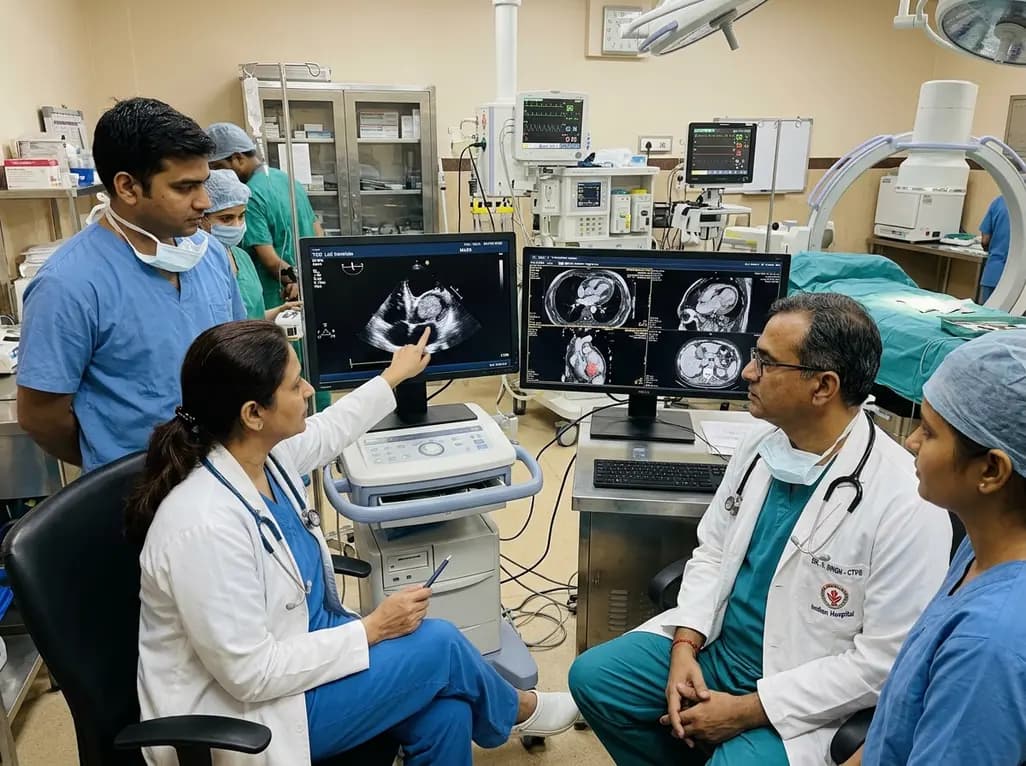
A rare case of an asymptomatic left ventricular hemangioma highlights the vital role of multimodal imaging in differentiating vascular tumors from thrombus. Complete surgical resection under transesophageal echocardiography guidance prevents thromboembolism and delivers optimal outcomes.
Today

A landmark study evaluates long-term quality of life in adolescents and adults with brachial plexus birth injury. Severe functional limitation and limited access to care significantly worsen outcomes, underscoring the urgent need for persistent, multidisciplinary management across adult healthcare transitions.
Today

An analysis of 1,000 posts by macro- and mega-influencers on Instagram and TikTok revealed that 78.5% contained nutrition misinformation, while only 24% of creators held valid credentials. This article examines the clinical risks of viral dietary fads and provides actionable guidance for healthcare professionals.
Today
