.webp&w=384&q=75)

Loading, please wait...
Loading, please wait...
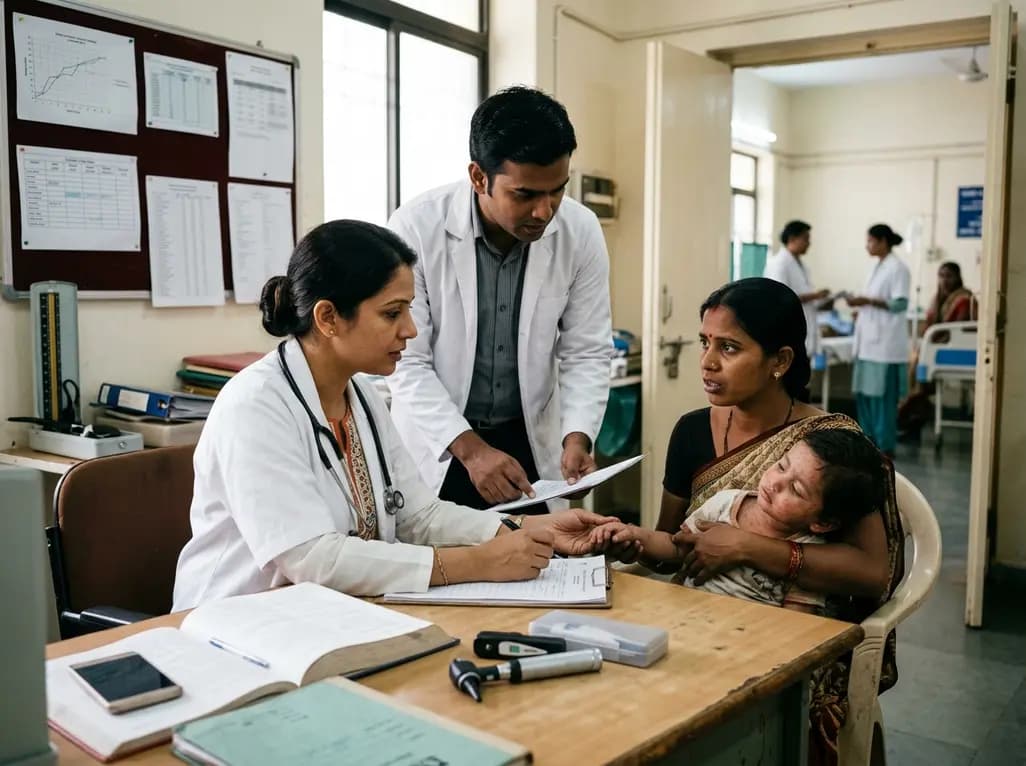
The alarming resurgence of measles underscores critical vulnerabilities in population immunity across modern healthcare systems. Recent surveillance reports confirm that Pennsylvania recorded over 700 measles cases, including 141 hospitalizations and four fatalities. This severe outbreak demonstrates how rapidly paramyxovirus spreads across unimmunized communities. Clinicians must maintain high clinical suspicion during acute patient assessments. Consequently, effective measles outbreak management demands immediate clinical vigilance, rigorous diagnostic protocols, and decisive interventions. Healthcare professionals worldwide must understand these outbreak dynamics to protect vulnerable patient populations.
Measles remains one of the most contagious human pathogens known to medical science. The virus exhibits an airborne basic reproduction number between twelve and eighteen. Historically, widespread childhood immunization established robust herd immunity, keeping secondary transmission chains exceedingly rare. However, declining vaccination uptake has gradually eroded this essential immunological shield. Unvaccinated pockets create fertile grounds for explosive viral propagation. In Pennsylvania, Lancaster County became the focal epicenter of transmission, illustrating how quickly localized clusters can overwhelm regional medical infrastructure.
Furthermore, clinical surveillance data reveal that unvaccinated individuals bear the vast majority of disease morbidity. The recorded fatalities demonstrate that uncontained transmission imperils the entire community. These deaths included infants too young for routine immunization and individuals with underlying health conditions. Therefore, clinicians must emphasize that vaccination functions as a critical collective barrier. When community vaccine coverage falls below ninety-five percent, transmission chains easily penetrate fragile cohorts. Consequently, systematic immunization tracking and proactive community engagement remain foundational measures for preventing localized outbreaks from escalating into regional public health emergencies.
The measles virus belongs to the Paramyxoviridae family and infects hosts via respiratory droplets or aerosols. Initially, the pathogen enters through upper respiratory tract epithelial cells and adjacent alveolar macrophages. Subsequently, it disseminates into regional lymphoid tissues and circulating lymphocytes, producing widespread viremia. Notably, this systemic viral replication induces an intense, transient immunosuppression known as immune amnesia. As a result, affected patients experience marked depletion of memory lymphocytes, rendering them exceptionally vulnerable to secondary infections for months following clinical recovery.
Furthermore, serious organ-specific complications frequently develop during acute infection, particularly among malnourished or unvaccinated individuals. While typical presentations include cough, coryza, conjunctivitis, and maculopapular rash, hospitalized patients often experience dangerous extra-pulmonary pathology. Common severe manifestations include giant-cell pneumonia, acute viral hepatitis, secondary bacterial sepsis, and severe enteritis with profound dehydration. Additionally, bacterial superinfections such as otitis media and tracheobronchitis frequently complicate recovery in pediatric patients. Rarely, the pathogen triggers acute disseminated encephalomyelitis or fatal subacute sclerosing panencephalitis. Because the virus causes profound endothelial inflammation, physicians must carefully monitor infected patients for signs of respiratory distress, altered consciousness, and hemodynamic instability.
Implementing structured measles outbreak management protocols allows outpatient clinics and acute care centers to prevent catastrophic nosocomial transmission. Because measles viral particles remain viable in ambient air for up to two hours, healthcare facilities must establish strict airborne infection precautions. Therefore, primary triage staff should screen all presenting febrile patients with respiratory symptoms or rash before they enter shared waiting rooms. If staff suspect measles, they must immediately mask the patient and transfer them directly into a negative-pressure airborne isolation room.
Additionally, medical teams must expedite laboratory confirmation using appropriate diagnostic modalities. Providers should collect a nasopharyngeal or oropharyngeal swab for real-time reverse transcription polymerase chain reaction alongside serum measles-specific IgM and IgG antibodies. Meanwhile, clinicians must institute comprehensive supportive therapies without awaiting laboratory verification. The World Health Organization recommends administering two age-appropriate doses of oral Vitamin A to all diagnosed pediatric patients. This vital intervention accelerates mucosal epithelial restoration, reduces secondary ophthalmic complications, and significantly decreases overall mortality. Furthermore, healthcare teams must report suspected cases immediately to local public health authorities to activate contact tracing.
Post-exposure prophylaxis serves as a decisive clinical intervention to halt secondary viral transmission following confirmed exposures. When susceptible, unvaccinated individuals encounter a confirmed measles case, clinicians should administer the measles, mumps, and rubella vaccine within 72 hours of contact. This rapid vaccination strategy frequently aborts clinical illness or substantially mitigates disease severity. Moreover, completing the two-dose immunization series provides robust, durable immunological protection against subsequent exposures.
However, specific vulnerable populations cannot safely receive live attenuated viral vaccines. These high-risk groups include pregnant women, severely immunocompromised individuals, and infants under six months of age. In these clinical scenarios, providers should administer human normal immunoglobulin within six days of exposure. Intravenous or intramuscular immunoglobulin delivers immediate passive neutralizing antibodies, halting viral dissemination before widespread tissue replication occurs. Moreover, clinicians must report adverse events and maintain comprehensive documentation to optimize post-exposure tracking. Furthermore, healthcare institutions must audit the immune status of all clinical personnel. Hospital leadership must ensure that all frontline healthcare workers possess documented proof of two MMR doses or laboratory-confirmed measles IgG seropositivity to eliminate nosocomial transmission risks.
The resurgence of measles in developed regions highlights universal vulnerabilities that directly concern global healthcare providers. For physicians in India, where national public health initiatives vigorously pursue measles and rubella elimination, these overseas outbreaks offer vital clinical reminders. Frequent international travel rapidly introduces infectious pathogens across borders, allowing imported cases to seed localized transmission in under-immunized pockets. Consequently, sustaining high routine immunization coverage exceeding ninety-five percent remains imperative for national health security.
Moreover, primary care clinicians serve as the first line of defense against emerging epidemics. Physicians must maintain active clinical surveillance for hallmark prodromal findings, including pathognomonic Koplik spots on the buccal mucosa, which appear before generalized exanthems erupt. Additionally, clinicians should proactively counter vaccine hesitancy during routine consultations, addressing caregiver apprehensions with clear, evidence-based reassurance regarding vaccine safety. Therefore, continuous medical education regarding atypical presentations remains crucial for timely diagnosis. Furthermore, interdisciplinary collaboration between infectious disease specialists, pediatricians, and public health officers ensures rapid reporting and containment. Ultimately, preventing fatal measles outbreaks requires seamless coordination between vigilant bedside clinicians, structured hospital infection control teams, and aggressive community immunization programs.
Q1: What are the primary presenting symptoms and diagnostic hallmarks of measles infection?
Measles typically begins with an intense prodrome characterized by high fever, malaise, cough, coryza, and conjunctivitis. Within two to three days, pathognomonic Koplik spots often appear on the buccal mucosa as small, bluish-white elevations with red bases. Subsequently, an erythematous maculopapular exanthem emerges, beginning at the hairline and spreading caudally to the trunk and extremities. Clinicians confirm the diagnosis using nasopharyngeal viral RT-PCR and serum measles IgM antibody testing.
Q2: How effective is the MMR vaccine, and who requires post-exposure prophylaxis?
The measles, mumps, and rubella vaccine demonstrates exceptional efficacy, providing approximately 93% protection after a single dose and 97% protection following two scheduled doses. Unvaccinated individuals exposed to measles should receive the MMR vaccine within 72 hours of contact as post-exposure prophylaxis. Alternatively, highly vulnerable cohorts unable to receive live vaccines, such as infants, pregnant women, and severely immunocompromised patients, should receive human normal immunoglobulin within six days of exposure.
Q3: Why is Vitamin A therapy routinely recommended during clinical measles management?
Acute measles infection severely depletes endogenous Vitamin A stores, even in well-nourished children, leading to mucosal barrier breakdown and impaired immune function. Administering two consecutive daily doses of oral Vitamin A accelerates epithelial regeneration, preserves corneal integrity, and enhances cell-mediated immunity. Clinical trials demonstrate that this safe, inexpensive intervention significantly reduces severe measles complications, including fatal pneumonia, severe diarrhea, and blindness, especially in hospitalized pediatric patients.
Disclaimer: This content is for informational and educational purposes only. It does not constitute medical advice or replace professional judgment. Refer to the latest local and national guidelines for clinical practice.
References

Read summarized clinical updates, watch expert medical content, and earn CME certifications right from your smartphone.
Open your smartphone camera to scan and install.





Recent surges in measles cases highlight critical vulnerabilities in community immunization and disease containment. Clinicians must maintain heightened vigilance for early prodromal signs, severe systemic complications, and rapid triage protocols to safeguard vulnerable populations and prevent preventable fatalities.
Today
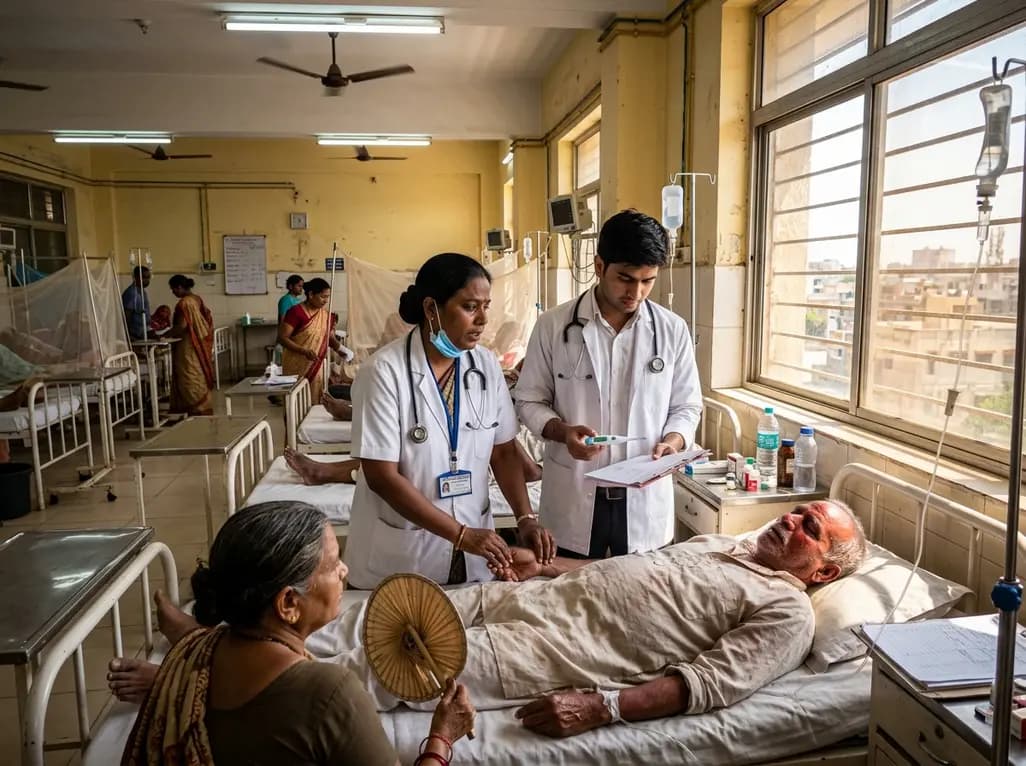
Recent data indicates over 117 million people in India faced prolonged periods of dangerous temperatures driven by climate change. As heatwaves become more frequent and intense, healthcare providers must strengthen clinical triage, manage severe hyperthermia promptly, and protect vulnerable patient populations.
Today
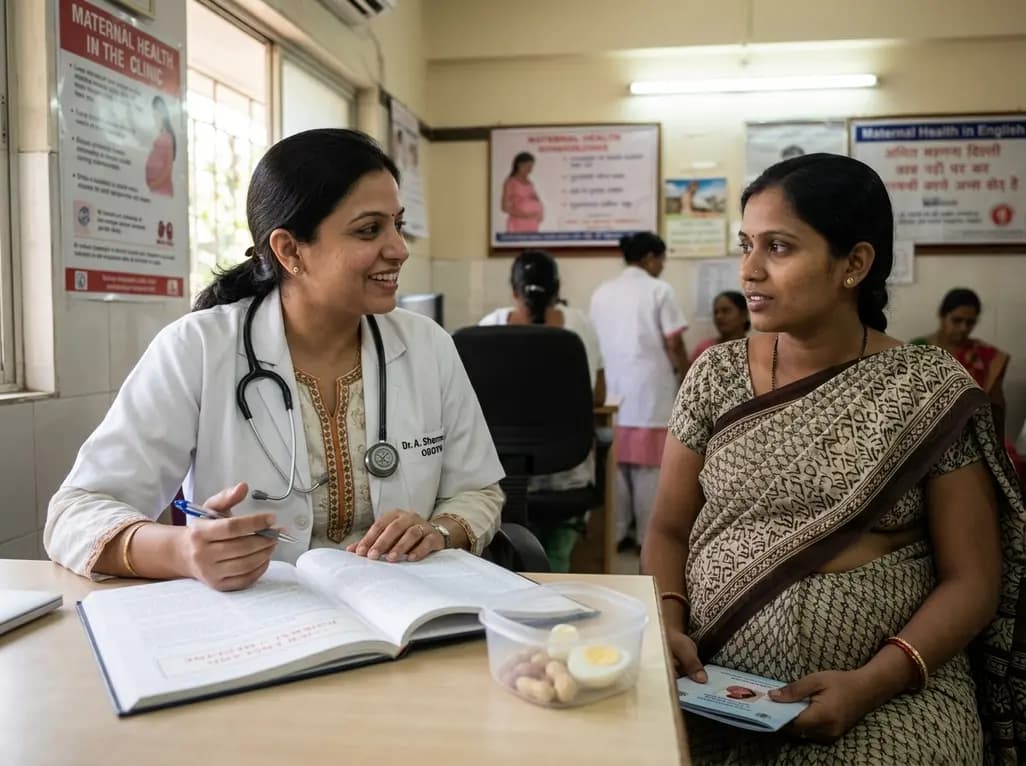
A landmark randomized clinical trial published in NEJM reveals that high maternal intake of eggs and peanuts during pregnancy and lactation does not lower the risk of infant egg or peanut allergy at one year of age, reinforcing existing dietary recommendations for balanced maternal nutrition without restrictions.
Today
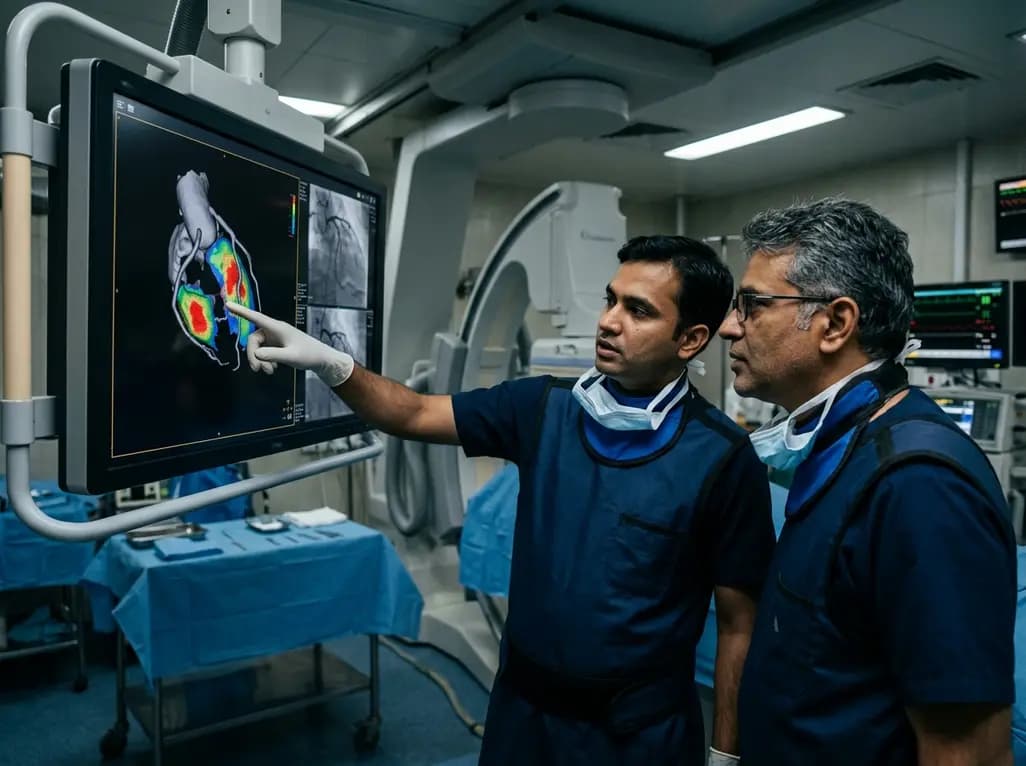
A groundbreaking study demonstrates that coronary angiography-derived radial wall strain reflects plaque morphology, predicting future rupture and erosion.
Today

Kerala is accelerating indigenous biomedical innovation by expanding dedicated infrastructure and single-window industrial clearances. The state aims to scale manufacturing output to over twenty-five thousand crore rupees by 2031, focusing on active medical electronics, in-vitro diagnostics, and orthopaedic implants.
Today

A landmark case demonstrates that favorable continuous glucose monitoring metrics cannot rule out SGLT2 inhibitor-associated euglycemic diabetic ketoacidosis. Clinicians must educate patients on symptom-based sick-day rules, uninterrupted basal insulin therapy, and proactive blood ketone testing.
Today
