.webp&w=384&q=75)

Loading, please wait...
Loading, please wait...

Pediatricians and obstetricians continually seek proven clinical interventions for infant food allergy prevention. Historically, experts hypothesized that maternal allergen consumption during pregnancy and lactation could induce early immune tolerance in offspring. However, robust data from large randomized controlled trials investigating maternal dietary modification have remained scarce. Recently, the landmark PrEggNut study evaluated whether consuming high amounts of eggs and peanuts protects infants against allergic diseases. Therefore, this trial provides essential clarity for evidence-based antenatal nutrition.
To evaluate maternal allergen exposure, researchers conducted the multisite PrEggNut randomized controlled trial. The study enrolled 2,137 pregnant women carrying singleton fetuses across Australian tertiary medical centers. Importantly, every unborn child possessed a high hereditary risk for atopic disease. Each infant had at least two first-degree biological relatives with diagnosed allergic disorders. Investigators randomly allocated mothers into two dietary groups before 23 weeks of gestation. Specifically, the high-intake group consumed at least six eggs and sixty peanuts weekly. In contrast, the standard-diet group consumed no more than three eggs and thirty peanuts weekly. Participants maintained these dietary protocols through delivery and during the first four months of lactation. Furthermore, clinical teams tracked maternal dietary compliance closely throughout the intervention period. The primary outcome measure was physician-diagnosed, IgE-mediated egg or peanut allergy at twelve months. Thus, the trial provided a robust framework to test maternal dietary influence on infant immunity.
The primary trial results demonstrated no significant benefit for infant food allergy prevention. Among 1,066 evaluated infants in the high-intake group, 7.8% developed IgE-mediated allergies. Similarly, 8.4% of 1,064 infants in the standard-diet group developed confirmed allergies. Consequently, the relative risk was 0.93, with a 95% confidence interval of 0.69 to 1.26. The resulting p-value of 0.65 confirmed a lack of statistical significance between the cohorts. Therefore, consuming high maternal quantities of eggs and peanuts failed to reduce infant allergy risk. In addition, researchers closely monitored maternal adherence and adverse events throughout the trial period. Reassuringly, the high-allergen maternal diet demonstrated an excellent safety profile without maternal or fetal complications. Moreover, secondary outcomes such as infantile eczema showed comparable incidence rates between both groups. These findings confirm that maternal allergen loading does not alter infant immunological outcomes. Accordingly, clinicians can conclude that maternal dietary modification cannot prevent offspring food allergies.
To contextualize these outcomes, clinicians must examine how infants develop immunological oral tolerance. Landmark pediatric trials established that direct infant consumption of allergenic foods prevents clinical food allergies. Specifically, introducing peanuts into an infant's weaning diet induces robust gut mucosal tolerance. In contrast, maternal ingestion does not deliver intact dietary antigens directly to the infant immune system. Maternal digestion breaks down dietary proteins into minor peptide fragments before entering maternal blood or breast milk. Consequently, circulating antigen levels remain too low to program definitive infant immune tolerance. Furthermore, transplacental transfer of maternal antibodies cannot replace active infant gut immune exposure. At the same time, environmental exposure through broken skin can drive allergic sensitization before oral intake. Therefore, direct oral feeding during early infancy remains the primary mechanism for establishing antigen tolerance. Ultimately, preventive efforts must concentrate on infant feeding timelines rather than maternal dietary manipulation.
The PrEggNut trial findings provide welcome reassurance for expectant mothers and healthcare practitioners. Historically, clinical guidelines often shifted between unnecessary food avoidance and demanding dietary regimens. For many years, clinicians feared that maternal allergen intake might sensitize the vulnerable fetus. However, extensive research confirmed that maternal food elimination fails to prevent pediatric atopic disorders. Elimination diets also expose pregnant and lactating women to serious nutritional deficiencies. Now, this latest randomized trial shows that forced high-dose allergen consumption offers no added benefit. Therefore, practitioners should advise pregnant women to follow standard, healthy dietary patterns. Mothers can freely consume eggs, peanuts, and other nutritious foods based on personal preference. Furthermore, women should never restrict foods unless they have a confirmed personal allergy. Consequently, obstetricians can relieve maternal anxiety and eliminate unhelpful dietary burdens during pregnancy. This evidence supports nutritional freedom and balanced dietary diversity for maternal well-being.
In India, healthcare professionals observe changing lifestyle factors and increasing rates of pediatric atopic conditions. Although food allergy rates have been historically modest in India, urbanization has increased atopic incidence. Additionally, cultural misconceptions frequently lead Indian families to restrict nutritious foods during pregnancy and lactation. Family members often advise pregnant women to avoid eggs or nuts due to traditional beliefs about body heat. However, doctors must actively debunk these restrictive practices during routine antenatal visits. Expectant mothers need wholesome, protein-rich diets to support optimal fetal growth and development. Furthermore, Indian pediatricians should educate parents regarding timely complementary feeding practices. Introducing cooked eggs, legumes, and ground nuts between six and twelve months supports healthy oral tolerance. Simultaneously, clinicians must manage infantile eczema aggressively with emollient therapy to protect the epidermal barrier. Therefore, evidence-based guidance empowers Indian clinicians to protect infant health while preserving maternal nutrition.
No, pregnant women should not avoid allergenic foods unless they have a medically diagnosed personal allergy. Extensive clinical evidence confirms that eliminating allergens such as eggs, peanuts, dairy, or wheat during pregnancy does not prevent allergic disease in offspring. In fact, maternal dietary restrictions can lead to maternal undernutrition and unnecessary stress. Obstetric guidelines strongly recommend consuming a well-balanced, diverse diet that naturally includes common food allergens to support optimal maternal and fetal health throughout gestation.
Current randomized clinical trial evidence demonstrates that consuming unusually large quantities of eggs and peanuts during lactation does not reduce infant allergy risk. Although small amounts of dietary food antigens transfer into human breast milk, this passive exposure is insufficient to generate robust oral tolerance. Therefore, nursing mothers should eat normally according to their appetite and preferences. They do not need to force extra allergen intake, as direct infant weaning provides the necessary immunological exposure.
The most proven intervention involves the direct, timely introduction of allergenic solid foods into the infant's diet around six months of age. For infants with severe eczema or pre-existing allergies, introducing age-appropriate peanut and well-cooked egg forms between four and eleven months substantially reduces subsequent allergy risk. Additionally, clinicians advise maintaining active skin barrier care with daily emollients to reduce cutaneously mediated allergic sensitization during early infancy.
Disclaimer: This content is for informational and educational purposes only... Refer to the latest local and national guidelines for clinical practice.
References

Read summarized clinical updates, watch expert medical content, and earn CME certifications right from your smartphone.
Open your smartphone camera to scan and install.





A landmark randomized clinical trial published in NEJM reveals that high maternal intake of eggs and peanuts during pregnancy and lactation does not lower the risk of infant egg or peanut allergy at one year of age, reinforcing existing dietary recommendations for balanced maternal nutrition without restrictions.
Today
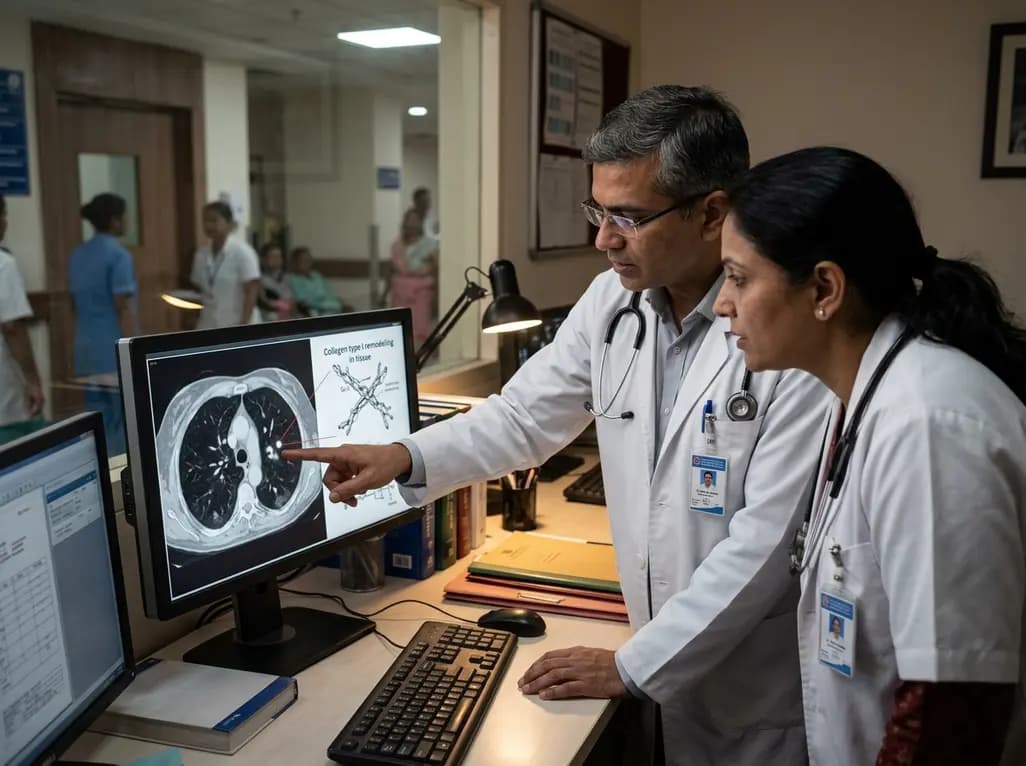
Preclinical findings demonstrate that hProCA32.Collagen, an innovative protein-based contrast agent, detects micro-metastases and aggressive lung adenocarcinomas down to 1 mm on MRI. By targeting collagen type I remodeling, this technology provides radiation-free diagnostic and prognostic evaluation for clinicians.
Today

A comprehensive meta-analysis evaluates the association between Body Mass Index and outcomes following abdominal aortic aneurysm repair. Discover how overweight and obesity correlate with lower mortality while underweight status confers heightened risk, challenging conventional preoperative risk stratification.
Today

The SOLARIO trial shows that a short course (≤7 days) of systemic antibiotic therapy is noninferior to long courses (≥4 weeks) in orthopedic infections treated with local antibiotic carriers, with significantly fewer adverse events.
Today
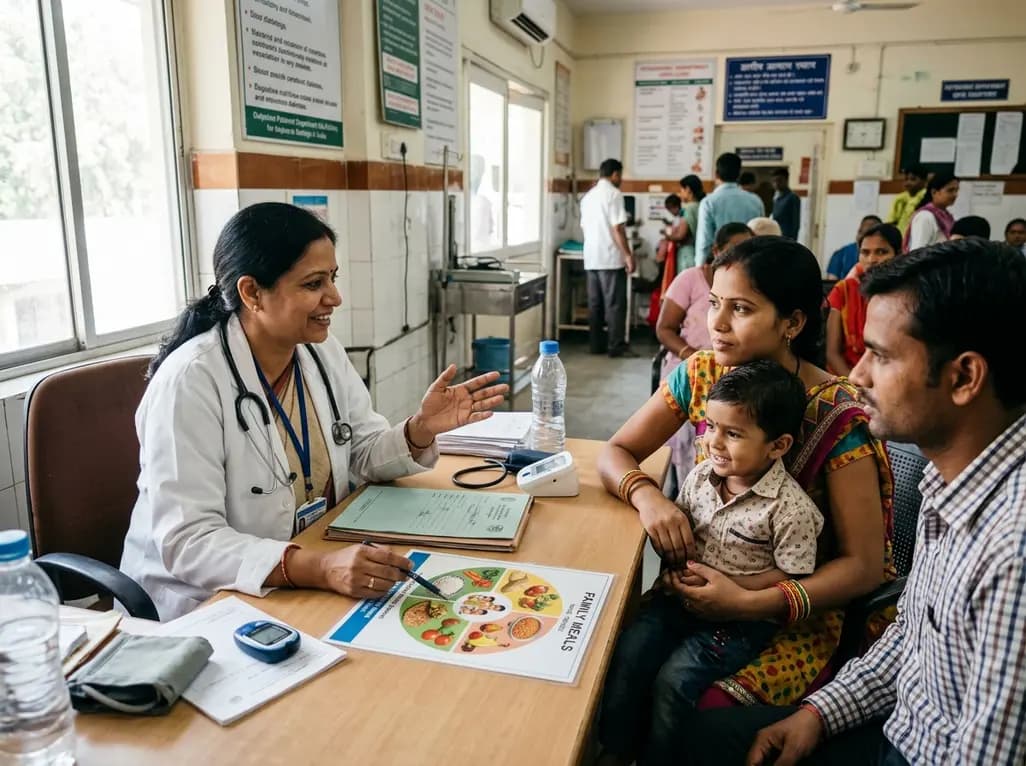
Gestational diabetes doubles the future risk of type 2 diabetes for mothers and offspring. Adopting a life-course approach centered on family meals and brief, supportive nutrition messaging empowers households to reduce metabolic risks and establish sustainable dietary habits across generations.
Today
