.webp&w=384&q=75)

Loading, please wait...
Loading, please wait...
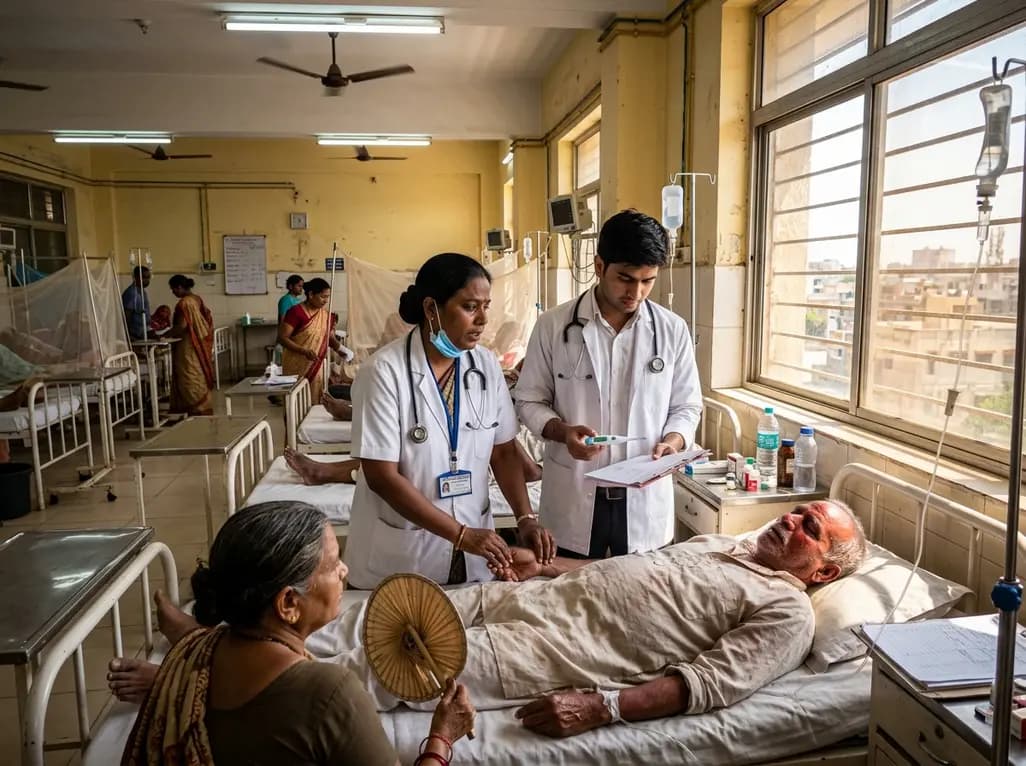
Climate change is accelerating temperature anomalies globally, creating serious public health crises across vulnerable regions. In India, recent scientific analyses indicate unprecedented heat stress during the summer months. Specifically, prolonged risky heat exposure affected approximately 117 million citizens between June and August. Nationally, average ambient temperatures climbed 0.7 degrees Celsius above historical baselines during this critical window. Consequently, healthcare practitioners encounter rising admissions for thermal injuries, multisystem organ dysfunctions, and chronic disease exacerbations. Clinicians must understand the underlying epidemiology to prepare for escalating surges in heat-related illnesses. Furthermore, proactive clinical vigilance can substantially reduce morbidity during sustained thermal spikes.
The latest analysis from Climate Central highlights an alarming geographic distribution of thermal risk across India. Researchers defined risky heat days as periods exceeding ninety percent of local temperatures recorded between 1991 and 2020. Importantly, this statistical threshold marks the exact point where population-level health dangers begin to climb. Srinagar recorded fifty-three risky heat days, which represents the highest burden among evaluated urban centers. Meanwhile, Chennai documented forty days of extreme thermal strain during the same three-month surveillance window. In Western India, Rajkot experienced twenty-nine risky heat days alongside Amritsar in the northern plains. Similarly, Lucknow registered twenty-seven perilous days, reflecting widespread vulnerability across diverse geographical terrains. Notably, Mumbai registered eighty-six days where anthropogenic climate change strongly influenced daily temperatures. Across Asia, approximately 2.8 billion individuals faced comparable environmental heat exposure during this extended summer season. Consequently, hospital networks in these heavily affected zones witnessed significant operational strain. Emergency physicians routinely evaluated complex presentations involving severe dehydration and electrolyte derangements. Furthermore, persistent night-time warming prevented nocturnal physiological recovery among urban dwellers. Urban heat island effects compounded ambient daytime spikes in densely built municipal environments. Therefore, Indian medical professionals must anticipate distinct regional variations when allocating clinical resources.
Sustained exposure to severe environmental heat overwhelms human thermoregulatory defenses through intricate biochemical pathways. Initially, the hypothalamus triggers autonomic adaptations, including cutaneous vasodilation and profuse diaphoresis to dissipate heat. However, extensive peripheral blood pooling places enormous demands upon the cardiovascular system. Cardiac output must double or triple to maintain vital organ perfusion while dissipating core heat. Consequently, patients with preexisting coronary disease experience rapid myocardial ischemia, arrhythmia, and acute decompensated heart failure. Moreover, excessive fluid depletion decreases intravascular volume, leading to pronounced hypotension and organ hypoperfusion. Cellular hyperthermia directly disrupts protein folding, activating cytotoxic heat-shock pathways and damaging vascular endothelial cells. As a result, systemic inflammatory response syndrome develops alongside microvascular thrombosis and disseminated intravascular coagulation. In addition, splanchnic hypoperfusion compromises the intestinal epithelial barrier, allowing enteric endotoxins into systemic circulation. This endotoxemia escalates multi-organ dysfunction, precipitating acute tubular necrosis and fulminant hepatic injury. Rhabdomyolysis frequently occurs when skeletal muscle architecture degrades, releasing toxic myoglobin into the circulation. Clinicians must recognize that hyperthermia quickly evolves from mild exhaustion into catastrophic multisystem collapse. Therefore, immediate physiologic stabilization remains the primary objective during early hospital admission.
Extreme temperatures do not affect all demographic groups equally across Indian communities. Older adults face heightened risk because aging diminishes autonomic sweat gland responsiveness and thirst perception. Similarly, pediatric patients absorb environmental heat rapidly due to high body surface area ratios. Furthermore, children produce metabolic heat faster while possessing immature thermoregulatory sweating mechanisms. Pregnant women also experience dangerous physiological vulnerability, with prolonged heat exposure precipitating preterm labor and preeclampsia. In addition, patients managing chronic medical conditions show pronounced susceptibility to thermal decompensation. Individuals with diabetes mellitus suffer from impaired vascular reactivity and autonomic neuropathy, limiting effective cooling. Likewise, patients with chronic kidney disease endure severe prerenal azotemia when dehydration accelerates baseline nephron loss. Pharmacological agents often worsen heat intolerance by interfering with fluid homeostasis or central temperature regulation. Specifically, diuretics exacerbate intravascular depletion, while beta-adrenergic antagonists blunt necessary compensatory cardiac tachycardia. Anticholinergic medications inhibit peripheral sweating, and renin-angiotensin inhibitors compromise renal hemodynamics during profound dehydration. Outdoor manual laborers, agricultural workers, and gig economy delivery riders endure continuous occupational exposure. Therefore, physicians must routinely review medication regimens and counsel vulnerable patients before peak heat intervals arrive.
Rapid diagnosis and immediate resuscitation determine survival in severe hyperthermic presentations. Emergency medical teams must differentiate heat exhaustion from classic or exertional heatstroke without unnecessary delay. Heatstroke features severe hyperpyrexia, with core temperatures exceeding forty degrees Celsius, alongside central nervous system alterations. Patients display delirium, seizures, combativeness, or coma, often accompanied by multiorgan dysfunction. Conversely, heat exhaustion presents with intact neurological status, headache, diaphoresis, nausea, and mild tachycardia. Clinicians must measure true core temperature using rectal probes rather than inaccurate tympanic or axillary devices. Once clinicians diagnose heatstroke, rapid active cooling constitutes the cornerstone of emergency intervention. Indeed, medical guidelines emphasize cooling the patient before executing protracted diagnostic imaging. Cold-water immersion represents the gold standard technique, rapidly reducing core temperatures through superior conductive heat transfer. Alternatively, clinicians can apply continuous cool water mists while directing large fans over exposed skin. Medical staff should place ice packs strategically over major superficial vessels within the neck, axillae, and groins. Moreover, clinicians must administer chilled isotonic saline intravenously to restore circulatory volume cautiously. However, aggressive fluid overload risks pulmonary edema when myocardial performance remains compromised. Therefore, diligent hemodynamic monitoring protects against iatrogenic complications during rapid resuscitation.
Health systems across India require robust institutional preparedness to withstand prolonged thermal emergencies. The National Programme on Climate Change and Human Health outlines comprehensive guidelines for hospital adaptation. Medical centers must establish designated heat wards equipped with active cooling units, ice baths, and specialized monitoring devices. Furthermore, pharmacies must maintain adequate reserves of cold intravenous fluids, oral rehydration solutions, and vital resuscitation medications. Facility administrators should ensure uninterrupted power supplies and backup generators to maintain climate-controlled patient areas during grid failures. In addition, hospitals must implement active heat-health surveillance systems tracking daily heatstroke admissions and all-cause mortality. Primary healthcare centers should train community health workers, including accredited social health activists, in early heat identification. Notably, early community detection prevents uncomplicated heat exhaustion from progressing into fatal systemic collapse. Healthcare systems must also establish coordinated links with meteorological agencies to receive timely early warning forecasts. Consequently, hospitals can adjust physician staffing rosters before severe heatwaves hit populated metropolitan zones. Public education campaigns should actively promote oral hydration, appropriate clothing, and scheduled rest breaks for outdoor workers. Ultimately, integrating climate resilience into regular clinical operations safeguards hospital infrastructure and preserves vulnerable human lives.
Q1: How do clinicians distinguish heat exhaustion from heatstroke during emergency triage?
Clinicians differentiate these conditions primarily by evaluating core temperature and neurological function. Heat exhaustion typically presents with core temperatures below forty degrees Celsius, heavy diaphoresis, headache, and preserved cognitive clarity. Conversely, heatstroke represents a medical catastrophe featuring core temperatures exceeding forty degrees Celsius and distinct neurocognitive dysfunction, including delirium, seizures, or coma. Immediate identification is critical because heatstroke carries high mortality without emergency active cooling.
Q2: Which chronic medications place cardiac and renal patients at increased thermal risk?
Several common pharmaceutical agents impair essential thermoregulatory adaptations during hot weather. Specifically, diuretics deplete intravascular volume and cause severe electrolyte imbalances. Beta-blockers blunt necessary compensatory tachycardia, thereby restricting heat dissipation through peripheral cutaneous circulation. Furthermore, angiotensin-converting enzyme inhibitors reduce renal perfusion during dehydration, increasing acute tubular injury risk. Additionally, anticholinergic therapies suppress eccrine sweating, while psychotropic drugs disrupt hypothalamic thermal setpoints. Physicians should actively adjust dosages during severe heatwaves.
Q3: What is the recommended first-line cooling technique for acute heatstroke?
Cold-water immersion serves as the undisputed gold standard for acute heatstroke management. This technique provides rapid conduction, dropping core temperatures far faster than passive room-temperature rest. However, if immersion tubs are unavailable, clinicians should implement evaporative and convective cooling immediately. Medical teams achieve this by continuously misting lukewarm water over stripped skin while directing high-speed fans across the patient. Ice packs over major superficial veins provide additional conductive cooling during stabilization.
Disclaimer: This content is for informational and educational purposes only. It does not constitute medical advice or replace professional judgment. Refer to the latest local and national guidelines for clinical practice.
References

Read summarized clinical updates, watch expert medical content, and earn CME certifications right from your smartphone.
Open your smartphone camera to scan and install.





Recent data indicates over 117 million people in India faced prolonged periods of dangerous temperatures driven by climate change. As heatwaves become more frequent and intense, healthcare providers must strengthen clinical triage, manage severe hyperthermia promptly, and protect vulnerable patient populations.
Today
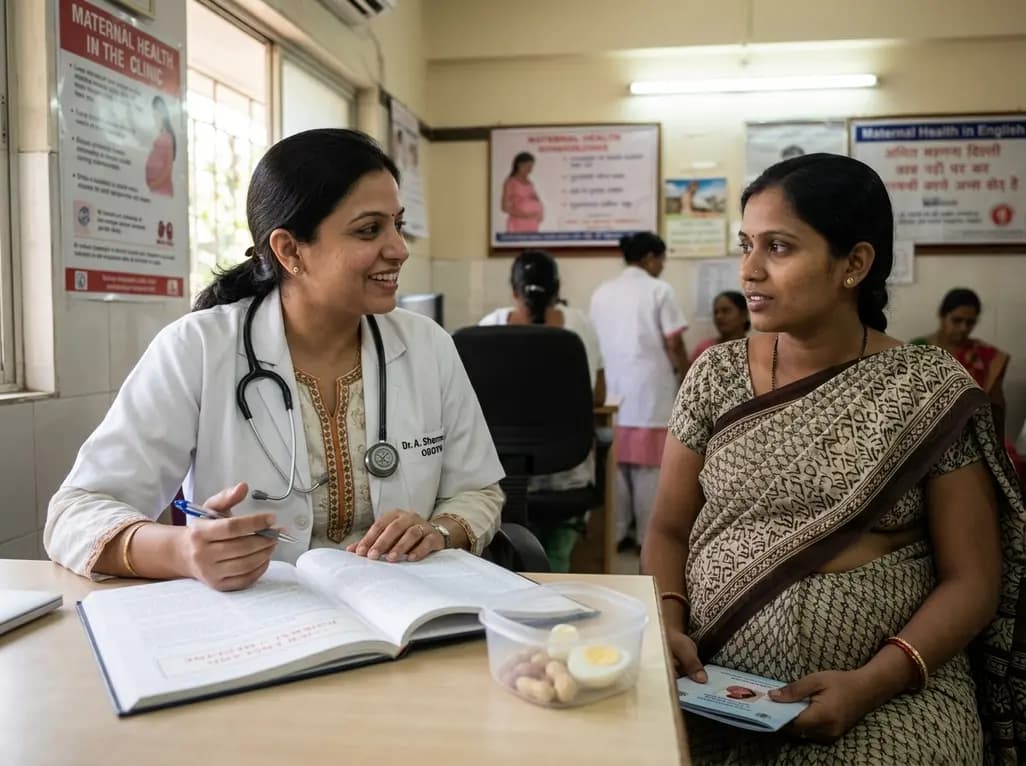
A landmark randomized clinical trial published in NEJM reveals that high maternal intake of eggs and peanuts during pregnancy and lactation does not lower the risk of infant egg or peanut allergy at one year of age, reinforcing existing dietary recommendations for balanced maternal nutrition without restrictions.
Today
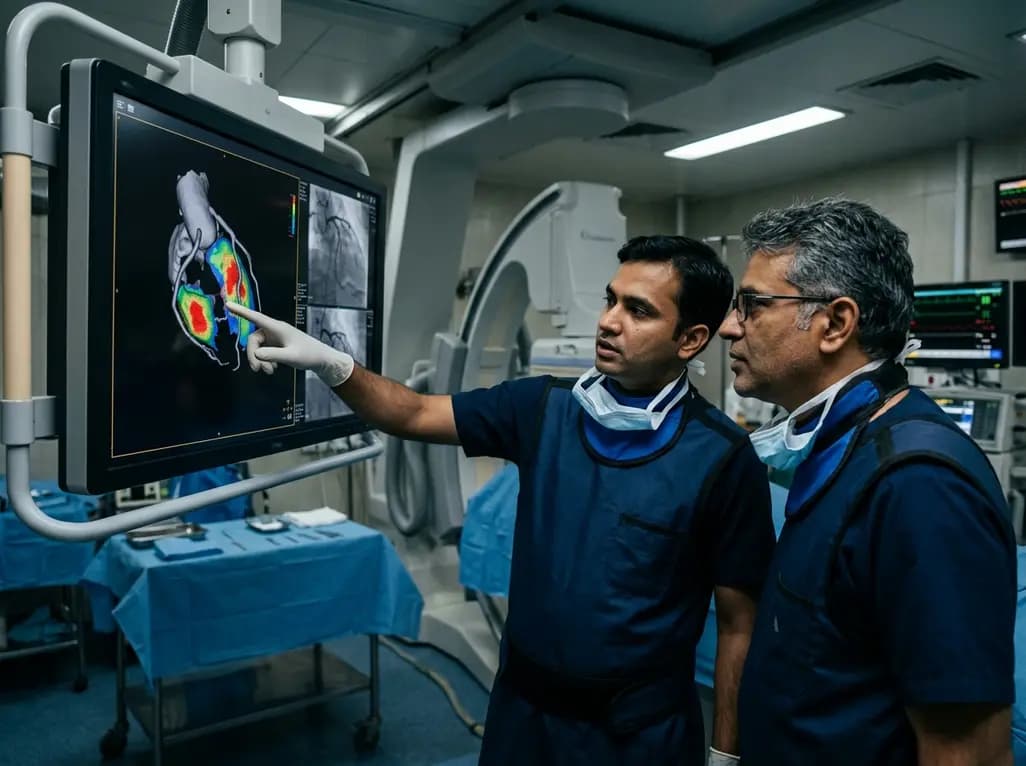
A groundbreaking study demonstrates that coronary angiography-derived radial wall strain reflects plaque morphology, predicting future rupture and erosion.
Today

Kerala is accelerating indigenous biomedical innovation by expanding dedicated infrastructure and single-window industrial clearances. The state aims to scale manufacturing output to over twenty-five thousand crore rupees by 2031, focusing on active medical electronics, in-vitro diagnostics, and orthopaedic implants.
Today

A landmark case demonstrates that favorable continuous glucose monitoring metrics cannot rule out SGLT2 inhibitor-associated euglycemic diabetic ketoacidosis. Clinicians must educate patients on symptom-based sick-day rules, uninterrupted basal insulin therapy, and proactive blood ketone testing.
Today
