.webp&w=384&q=75)

Loading, please wait...
Loading, please wait...
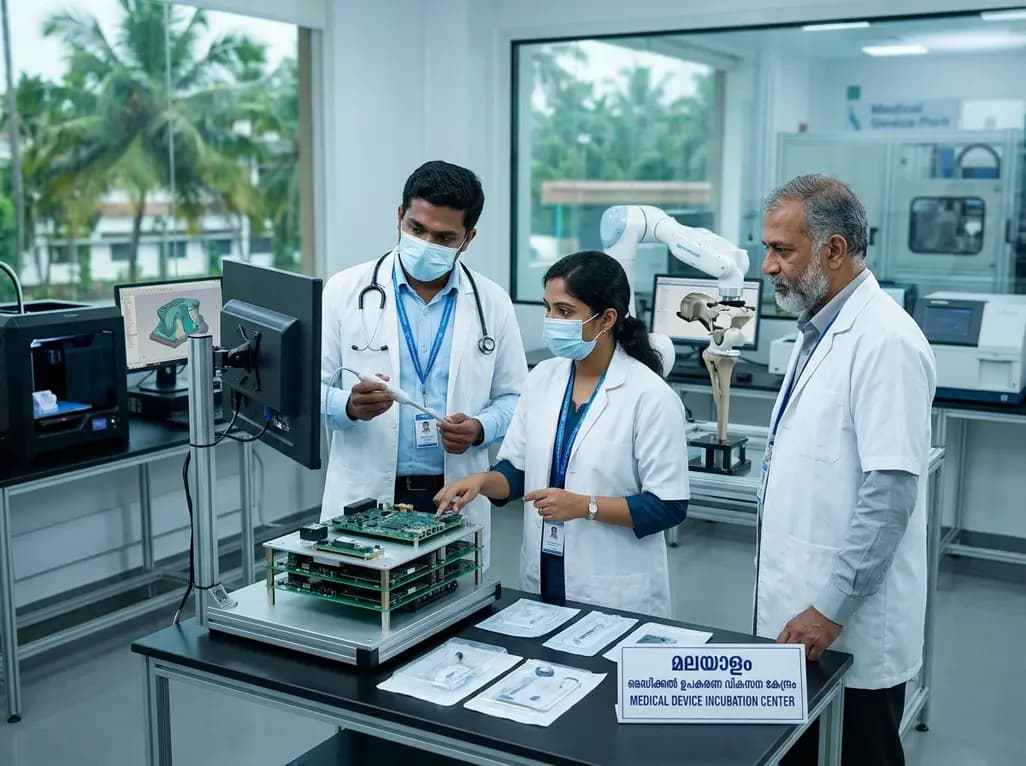
Healthcare delivery in India relies heavily on biomedical engineering and resilient domestic supply chains. Consequently, the rapid expansion of medical device parks represents a vital shift toward healthcare self-reliance. State authorities recently announced extensive administrative reforms to nurture indigenous MedTech manufacturing. By addressing structural bottlenecks, these strategic interventions promise to supply Indian clinicians with dependable, cost-effective therapeutic and diagnostic tools.
Dedicated industrial zones provide shared testing facilities, sterile packaging suites, and advanced prototyping laboratories. Therefore, medical device parks significantly lower the prohibitive capital expenditure that emerging biomedical startups traditionally confront. Currently, domestic healthcare facilities import nearly seventy to eighty percent of advanced medical machinery. However, establishing localized clusters can substantially mitigate these global supply disruptions. Furthermore, these clusters integrate academic biomedical centers directly with industrial production units. Such proximity accelerates the translation of laboratory discoveries into validated bedside instruments. For example, premier medical institutes frequently develop novel clinical devices that stall before commercial production. Structured industrial parks offer the precise testing infrastructure required to overcome these translation barriers. In addition, centralized facilities help manufacturers satisfy rigorous quality benchmarks set by the Central Drugs Standard Control Organisation. This regulatory alignment ensures that Indian hospitals obtain certified, dependable devices at accessible prices. Ultimately, domestic production hubs safeguard healthcare systems against international supply shocks. Consequently, clinicians gain predictable access to essential disposables, implants, and imaging systems. Moreover, clustering specialized manufacturers fosters collaborative vendor ecosystems for precision machining, medical-grade polymers, and microelectronics. Thus, regional ecosystems strengthen national healthcare.
Regulatory ambiguity and administrative delays have long deterred private investment in domestic medical device production. In response, policymakers are introducing a unified approval mechanism anchored by comprehensive legislative amendments. Specifically, the state government amended nineteen distinct industrial statutes to create a single-window clearance portal. Consequently, entrepreneurs can secure statutory permits and environmental clearances within clearly defined timelines. In addition, an apex Investment Promotion Council directly monitors high-value projects to resolve bureaucratic bottlenecks. This decisive oversight reduces red tape and establishes commercial predictability for biomedical developers. Furthermore, clinical researchers and device fabricators receive coordinated guidance regarding technical compliance. Standardizing these procedures encourages international investors to collaborate with domestic manufacturers. However, rapid approvals must never compromise clinical patient safety or scientific validation. Central regulatory frameworks demand rigorous verification of biocompatibility, electrical safety, and performance metrics. Therefore, streamlined administrative pathways ensure rapid commercialization while preserving absolute fidelity to the Medical Devices Rules. As a result, healthcare centers receive vetted equipment without enduring typical multi-year procurement lags. This structural synergy between government oversight and industrial agility establishes a reliable pipeline of domestic medical hardware. Accordingly, hospital leaders can modernize critical departments faster, enhancing acute care capabilities.
The newly unveiled strategic roadmap outlines an aggressive growth trajectory for biomedical manufacturing. Notably, the framework projects an output surge from seven thousand crore rupees to twenty-five thousand crore rupees by 2031. Furthermore, the plan aims to expand the regional market share to over twenty-five percent of national production. To achieve these benchmarks, the industry must transition from basic consumables to advanced high-value technologies. Specifically, targeted domains include active medical electronics, in-vitro diagnostics, and precision orthopaedic implants. These high-complexity segments currently drive the bulk of national hospital procurement expenditures. Consequently, local production will substantially reduce surgical costs for joint replacements and trauma interventions. Moreover, scaling diagnostic kit manufacturing enhances point-of-care disease surveillance across primary healthcare centers. The roadmap also establishes formal consortia to help smaller enterprises secure central Production Linked Incentive benefits. Similarly, establishing dedicated overseas advisory councils connects domestic innovators with global venture capital and distribution networks. Therefore, this comprehensive expansion model elevates regional manufacturing into a competitive global export powerhouse. Through these targeted initiatives, domestic healthcare ecosystems achieve remarkable financial and therapeutic resilience. Additionally, increased domestic output shields clinicians from currency fluctuations, preserving vital capital.
Academic research often produces innovative patents that fail to reach clinical adoption due to manufacturing gaps. Therefore, the strategic roadmap establishes strong institutional conduits to commercialize more than twenty clinical patents. Historically, research centers developed ground-breaking biomaterials, but lacked specialized facilities for commercial scale-up. In contrast, closer collaboration between practicing clinicians and engineering teams enables rapid prototype refinement. For example, surgeons can offer direct ergonomic feedback during the design of spinal implants and laparoscopic instruments. Similarly, clinical pathologists provide real-world performance validation for automated diagnostic assays. Furthermore, establishing a specialized NIPER MedTech Centre of Excellence will anchor advanced pharmacological and biomaterial research. This academic backbone trains specialized regulatory scientists and biomedical engineers tailored to industry requirements. Consequently, Indian healthcare facilities will adopt home-grown technologies designed specifically for local patient demographics. In addition, hospitals save considerable resources by avoiding expensive royalty payments attached to foreign technologies. Thus, active patent commercialization bridges the traditional disconnect between academic theory and practical clinical utility. This continuous translation cycle ultimately benefits vulnerable patients by expanding access to affordable, state-of-the-art medical interventions. Moreover, clinician-led innovations solve unique anatomical challenges, delivering superior outcomes.
Expanding regional MedTech production yields profound clinical benefits for hospitals and practicing physicians across the country. First, domestic fabrication drastically reduces lead times for specialized surgical hardware, patient monitors, and laboratory consumables. Consequently, operating theatres and intensive care units experience fewer disruptions during emergency clinical workflows. Furthermore, local manufacturing reduces overall capital acquisition costs for multi-specialty hospitals and tier-two nursing homes. As a result, healthcare administrators can invest surplus capital into expanding diagnostic radiology and intensive care infrastructure. In addition, domestic manufacturers can respond flexibly to localized clinician feedback and epidemiological demands. For instance, diagnostic developers can rapidly modify testing cartridges to detect regional infectious outbreaks or pathogen variants. Meanwhile, orthopedic device companies can manufacture implants matched to Indian anthropometric measurements. Such tailored hardware lowers implant revision rates and minimizes procedural complications for joint replacement candidates. Moreover, widespread domestic device availability supports national universal healthcare objectives by lowering out-of-pocket patient expenditures. Therefore, supporting domestic manufacturing parks creates a sustainable, resilient, and scientifically advanced healthcare system. Ultimately, clinicians and patients reap the long-term rewards of this visionary industrial transformation. This progress secures equitable clinical care.
Q1: How do medical device parks benefit practicing clinicians and surgical teams?
Medical device parks centralize specialized prototyping, testing, and cleanroom facilities for domestic biomedical manufacturers. Consequently, surgical teams gain rapid access to rigorously tested, affordable instruments and implants that comply with CDSCO standards. Furthermore, domestic manufacturing shortens supply chains, minimizing procedural cancellations caused by foreign shipping delays. Clinicians can also collaborate directly with local biomedical engineers to customize instruments for unique regional patient anatomies, improving surgical precision and overall clinical outcomes.
Q2: What high-value therapeutic areas does the KMDIA Strategic Roadmap prioritize?
The KMDIA Strategic Roadmap 2026-2031 specifically prioritizes active medical electronics, in-vitro diagnostics, and precision orthopaedic implants. Historically, Indian hospitals have relied heavily on imported hardware for these complex medical categories. By scaling indigenous production in these core disciplines, the framework directly reduces healthcare delivery costs. Additionally, it accelerates the commercialization of more than twenty clinical patents, transforming novel laboratory research into reliable diagnostic analyzers, robotic surgical tools, and durable joint prostheses.
Q3: How will single-window approvals impact medical device safety and regulatory compliance?
The single-window clearance model streamlines bureaucratic processes by amending nineteen commercial laws without diluting strict statutory health standards. The state's Investment Promotion Council expedites administrative permits, while technical safety evaluations remain firmly governed by the CDSCO Medical Devices Rules. Consequently, manufacturers clear infrastructure hurdles faster, allowing them to dedicate more time and financial resources to rigorous clinical trials, biocompatibility testing, electromagnetic compatibility verification, and patient safety protocols.
Disclaimer: This content is for informational and educational purposes only. It does not constitute medical advice or replace professional judgment. Refer to the latest local and national guidelines for clinical practice.
References

Read summarized clinical updates, watch expert medical content, and earn CME certifications right from your smartphone.
Open your smartphone camera to scan and install.





Kerala is accelerating indigenous biomedical innovation by expanding dedicated infrastructure and single-window industrial clearances. The state aims to scale manufacturing output to over twenty-five thousand crore rupees by 2031, focusing on active medical electronics, in-vitro diagnostics, and orthopaedic implants.
Today
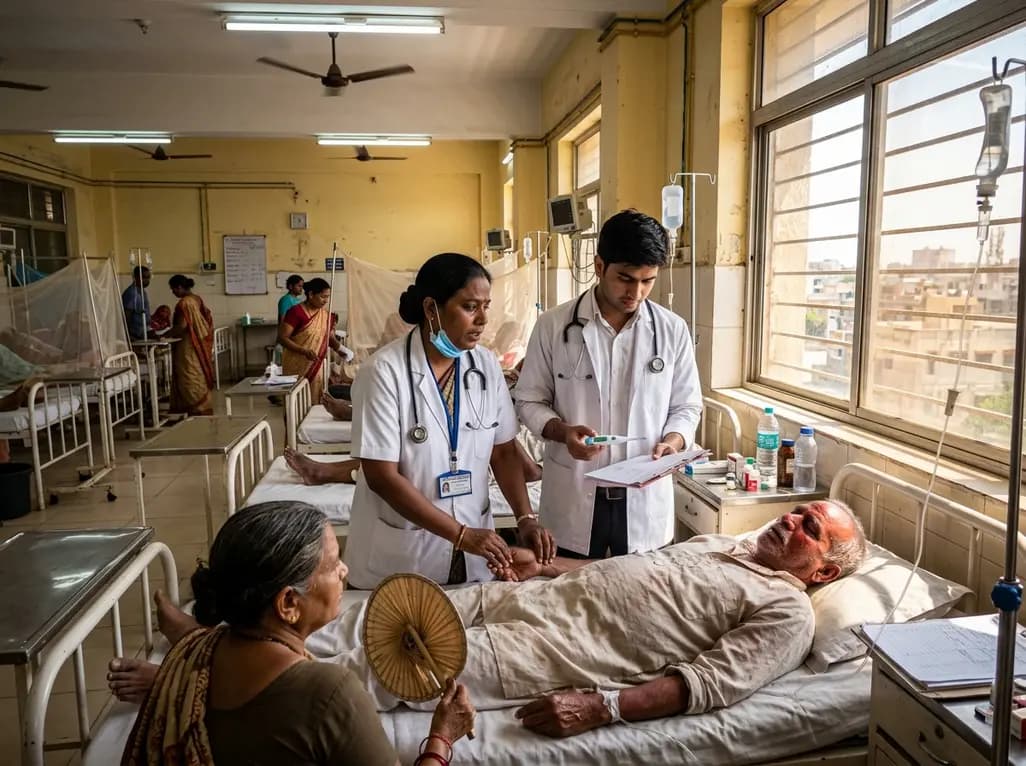
Recent data indicates over 117 million people in India faced prolonged periods of dangerous temperatures driven by climate change. As heatwaves become more frequent and intense, healthcare providers must strengthen clinical triage, manage severe hyperthermia promptly, and protect vulnerable patient populations.
Today
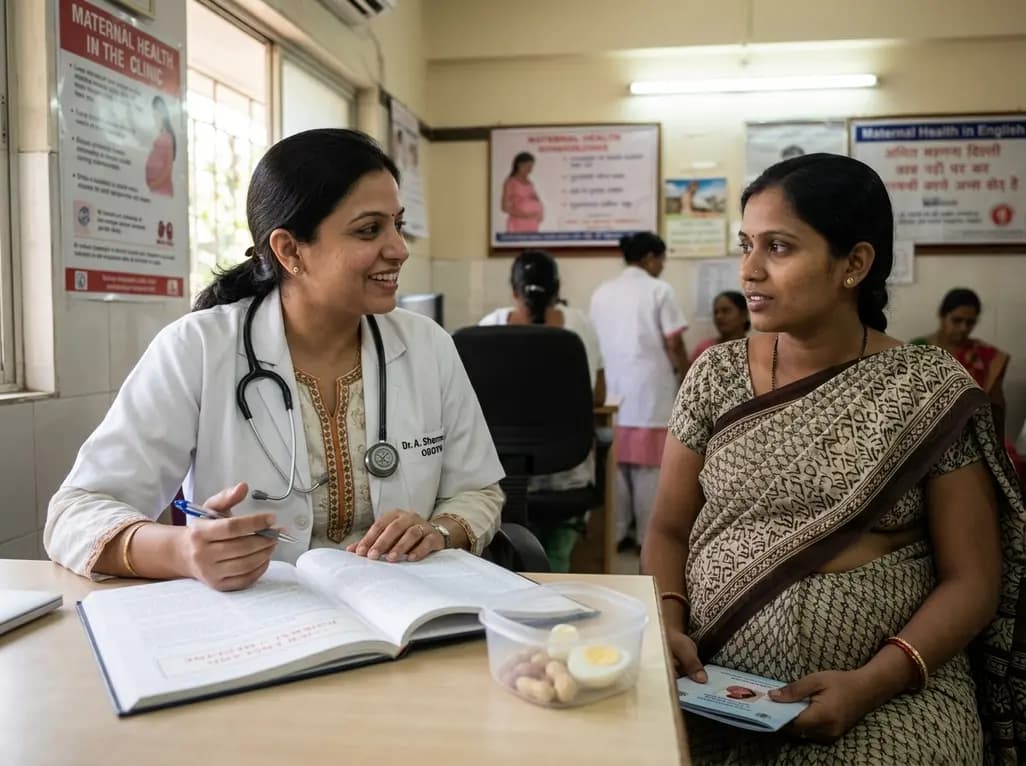
A landmark randomized clinical trial published in NEJM reveals that high maternal intake of eggs and peanuts during pregnancy and lactation does not lower the risk of infant egg or peanut allergy at one year of age, reinforcing existing dietary recommendations for balanced maternal nutrition without restrictions.
Today
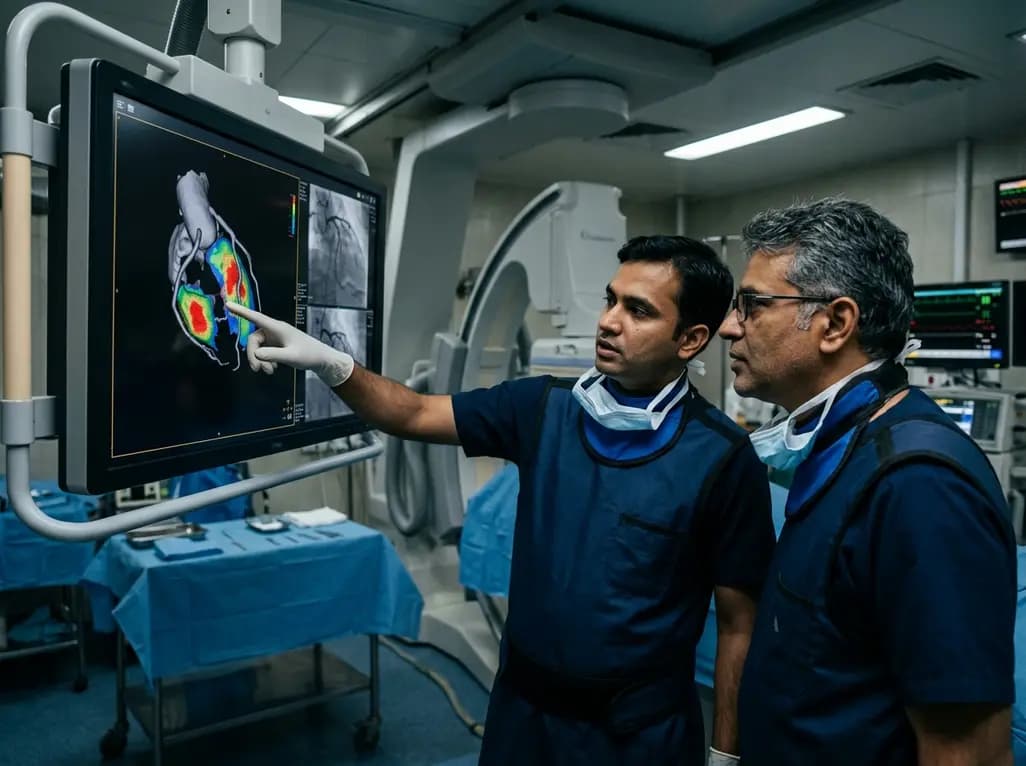
A groundbreaking study demonstrates that coronary angiography-derived radial wall strain reflects plaque morphology, predicting future rupture and erosion.
Today

A landmark case demonstrates that favorable continuous glucose monitoring metrics cannot rule out SGLT2 inhibitor-associated euglycemic diabetic ketoacidosis. Clinicians must educate patients on symptom-based sick-day rules, uninterrupted basal insulin therapy, and proactive blood ketone testing.
Today
