

Loading, please wait...
Loading, please wait...

Recent international surveillance data highlights an alarming surge in measles cases across multiple regions. The United States Centers for Disease Control and Prevention recently reported thousands of confirmed infections. Consequently, widespread hospitalizations remind clinicians worldwide that measles remains a virulent public health challenge. Adopting robust measles outbreak management strategies has become an urgent clinical priority for physicians in hospital and outpatient settings. Because transmission occurs rapidly through airborne nuclei, primary healthcare teams must maintain high clinical suspicion during patient evaluations.
Recent epidemiological reports confirm that the current outbreak affects diverse demographic cohorts rather than young children alone. Specifically, surveillance data indicates that older children and adults comprise the vast majority of documented infections. Therefore, physicians must abandon the outdated assumption that measles represents purely an early childhood infection. Instead, waning post-vaccination immunity and lingering gaps in adolescent immunization schedules drive secondary spread among older populations.
Moreover, measles virus possesses a reproductive ratio ranging between twelve and eighteen. Consequently, it represents one of the most communicable pathogens encountered in clinical practice. Secondary attack rates among susceptible contacts regularly exceed ninety percent. Furthermore, regional clusters often overwhelm local healthcare systems because acute respiratory complications require intensive inpatient care. As a result, hospitals experience significant bed shortages and triage bottlenecks during community surges. Additionally, population displacement and sporadic community gatherings amplify transmission events across geographic borders. When healthcare workers fail to identify index cases promptly, localized transmission chains quickly ignite substantial regional clusters. Therefore, early epidemiological containment remains paramount for health systems. Healthcare providers must recognize these evolving community transmission patterns to implement rapid containment measures before local outbreaks escalate.
Classic measles typically manifests with a high prodromal fever accompanied by cough, coryza, and conjunctivitis. Additionally, clinicians frequently detect Koplik spots on the buccal mucosa two to three days after symptom onset. However, these pathognomonic lesions often fade rapidly before the characteristic erythematous, maculopapular rash appears. The cutaneous eruption usually begins along the hairline and behind the ears. Afterward, it spreads downward across the neck, trunk, and lower extremities.
Nevertheless, clinicians must recognize that atypical presentations frequently occur among older adolescents and adults. For example, older patients often present with prolonged constitutional symptoms, severe gastrointestinal distress, and elevated transaminases. Conversely, infants younger than twelve months may demonstrate severe lethargy and atypical rash morphology due to incomplete immune maturation. Furthermore, immunocompromised individuals may fail to develop the classic rash altogether, presenting instead with acute respiratory distress. Therefore, doctors must combine careful exposure histories with comprehensive physical assessments to avoid dangerous diagnostic delays. Similarly, partially vaccinated individuals can present with modified measles, displaying milder symptoms, absent Koplik spots, and transient cutaneous eruptions. Because these subtle signs mimic common viral exanthems, clinicians frequently miss the true diagnosis without meticulous serial examinations.
Prompt measles outbreak management requires immediate case identification followed by rigorous laboratory confirmation. Clinicians should suspect measles in any patient presenting with fever and an acute maculopapular rash. Consequently, medical teams must collect both a nasopharyngeal swab and a blood sample. Specifically, reverse transcription polymerase chain reaction and measles-specific immunoglobulin M antibodies provide reliable diagnostic confirmation. Performing reverse transcription polymerase chain reaction within three days of rash onset yields the highest diagnostic sensitivity.
Additionally, clinicians should obtain baseline blood counts, liver function tests, and chest radiography in toxic patients. Because the measles virus causes transient immunosuppression, secondary bacterial infections frequently develop. Therefore, laboratory testing must screen for concurrent bacterial superinfections such as secondary staphylococcal or pneumococcal pneumonia. Furthermore, healthcare teams must immediately notify municipal public health authorities upon identifying any suspected case. Rapid reporting enables timely contact tracing, community quarantine enforcement, and targeted post-exposure prophylaxis. Moreover, clinicians must preserve diagnostic specimens under strict cold-chain conditions before transportation to reference laboratories. When serological results return indeterminate, performing paired acute and convalescent titers helps establish a definitive fourfold rise in specific antibodies.
Hospitalization rates during measles outbreaks often escalate rapidly due to severe respiratory and neurological complications. In particular, measles pneumonia represents the leading cause of virus-associated mortality among young infants. Furthermore, acute otitis media, tracheobronchitis, and severe diarrhea with dehydration frequently necessitate close inpatient observation. Consequently, clinicians must initiate aggressive supportive care, including fluid resuscitation and supplemental oxygen therapy, as soon as patients arrive.
Moreover, the World Health Organization strongly advises administering therapeutic vitamin A to all diagnosed pediatric patients. Specifically, doctors should prescribe age-appropriate oral doses for two consecutive days to restore epithelial integrity. This simple therapeutic intervention significantly halves measles-related mortality risks in hospitalized children. If acute neurological symptoms such as seizures or altered sensorium arise, clinicians must promptly evaluate patients for post-measles encephalitis. Although post-infectious encephalitis occurs in approximately one in one thousand cases, its long-term neurological morbidity remains devastating. Therefore, multidisciplinary critical care coordination is essential to optimize inpatient recovery. Additionally, attending intensivists must monitor patients for subacute sclerosing panencephalitis risk indicators and delayed immune paresis. Because measles damages cell-mediated immunity for months, vigilant follow-up prevents lethal secondary bacteremia following discharge.
Preventing sustained transmission hinges entirely on maintaining population-level herd immunity through high two-dose vaccine coverage. Specifically, the measles-containing vaccine provides approximately ninety-seven percent protection after two completed doses. However, vaccine hesitancy and operational disruptions have created expanding immunity gaps globally. Therefore, family practitioners and pediatricians must audit patient immunization records diligently at every clinical encounter. Clinicians must administer recommended catch-up doses whenever indicated without hesitation.
Additionally, healthcare facilities must enforce strict airborne infection control protocols to prevent institutional outbreaks. Because measles droplet nuclei remain suspended in ambient air for two hours, suspect patients require immediate placement into negative-pressure isolation. Furthermore, healthcare workers entering these rooms must wear properly fitted N95 respirators regardless of their personal vaccination history. For susceptible contacts exposed within seventy-two hours, clinicians should administer the measles vaccine as post-exposure prophylaxis. Alternatively, administering intramuscular immunoglobulin within six days of exposure offers critical protection for high-risk contacts. This intervention particularly protects vulnerable neonates, pregnant women, and severely immunocompromised individuals. Similarly, clinics must establish separate triage entry points during local surges to segregate febrile exanthematous patients from general waiting areas. By executing rigorous airborne precautions and environmental decontamination, facilities protect vulnerable cohorts from nosocomial transmission.
Q1: What are the primary clinical indications for hospitalizing a patient with measles?
Clinicians should hospitalize patients presenting with severe respiratory distress, secondary pneumonia, persistent high fever, or significant neurological alterations such as extreme lethargy or seizures. Additionally, individuals unable to maintain oral hydration or those experiencing intractable diarrhea require inpatient intravenous fluid management. Susceptible infants under one year, pregnant women, and severely immunocompromised patients also warrant admission because they face disproportionately high risks of life-threatening systemic complications.
Q2: How should clinicians administer vitamin A to children diagnosed with measles?
The World Health Organization recommends administering oral vitamin A immediately upon diagnosis to all children with measles. Specifically, clinicians prescribe two separate age-adjusted doses administered on consecutive days. Infants younger than six months receive 50,000 international units daily, children aged six to eleven months receive 100,000 international units daily, and children aged twelve months or older receive 200,000 international units daily. This intervention restores mucosal integrity and reduces mortality.
Q3: What immediate infection control steps must healthcare facilities implement for suspected cases?
Healthcare facilities must promptly isolate the patient in a negative-pressure airborne infection isolation room upon arrival. If such rooms are unavailable, staff must place the patient in a private room with a closed door while requiring surgical mask use. Furthermore, attending medical personnel must wear certified N95 respirators. Facilities should immediately disinfect room air and surfaces, avoiding using the examination room for at least two hours following patient discharge.
Disclaimer: This content is for informational and educational purposes only. It does not constitute medical advice or replace professional judgment. Refer to the latest local and national guidelines for clinical practice.
References

Read summarized clinical updates, watch expert medical content, and earn CME certifications right from your smartphone.
Open your smartphone camera to scan and install.





As measles outbreaks rise globally, clinicians face diagnostic and therapeutic challenges across varied demographics. This clinical overview outlines prompt identification, triage protocols, inpatient complication management, and essential immunization schedules to protect vulnerable pediatric and adult cohorts.
Today
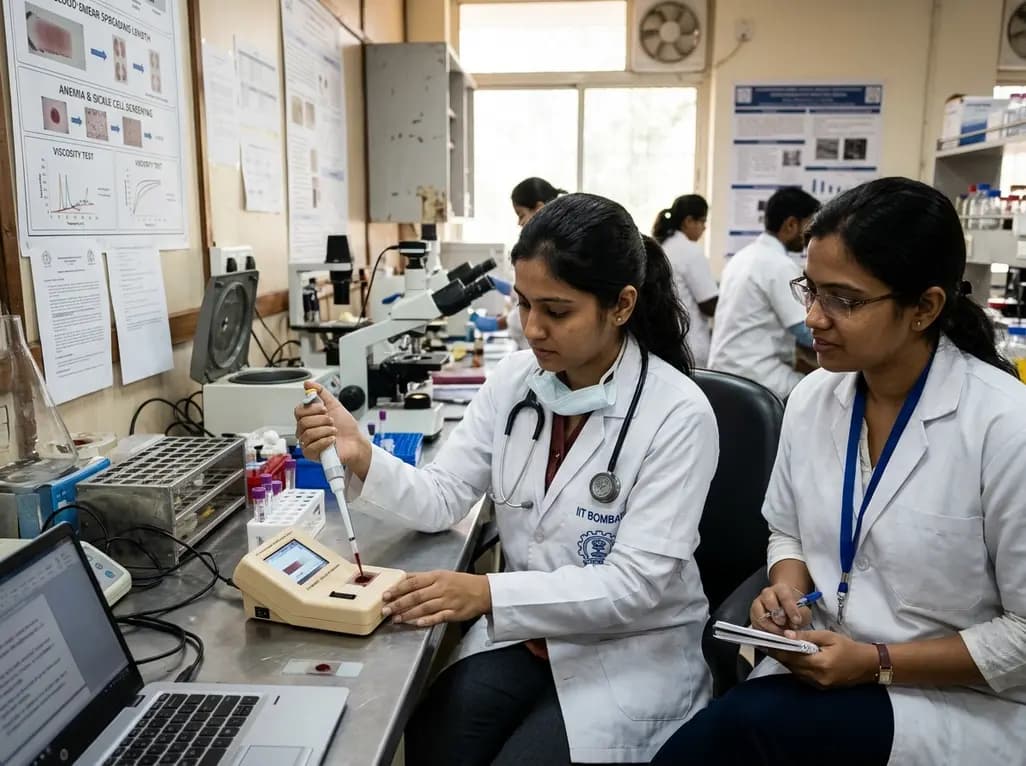
Researchers at IIT Bombay have engineered an automated, cost-effective point-of-care device that diagnoses anaemia and sickle cell disease from a single drop of blood. By measuring blood smear spreading length, this portable tool assesses blood viscosity to offer rapid screening in resource-limited healthcare centers.
Today
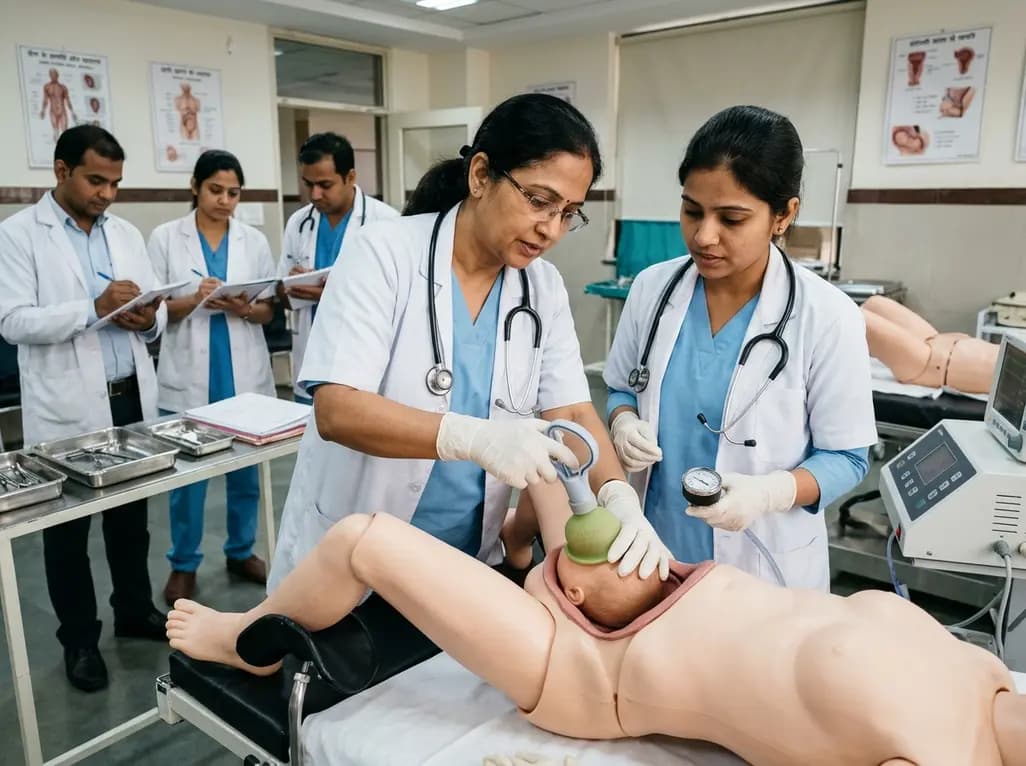
A multicenter study evaluates whether standardized simulation training reduces cup detachment during vacuum-assisted vaginal birth. Evidence-based simulation equips obstetricians to improve cup placement, reduce maternal-fetal trauma, and optimize clinical decision-making during operative deliveries.
Today
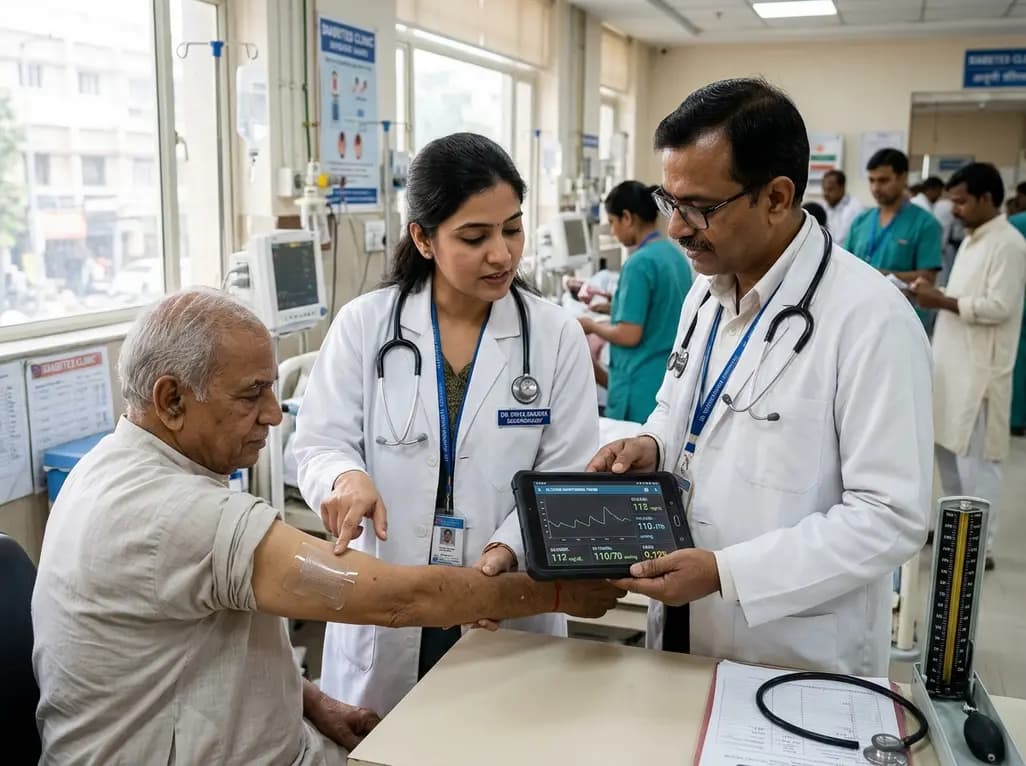
A breakthrough ultrathin multimodal sensor decouples physical hemodynamic monitoring from disposable electrochemical calibration, achieving long-term wearable glucose prediction with 81.36% accuracy and a 9.12% MARD. This offers a robust, drift-free solution for outpatient metabolic surveillance.
Today

A comparative review of tension band wiring and intramedullary screw fixation in thumb metacarpophalangeal arthrodesis, evaluating union rates, hardware complications, and clinical outcomes.
Today
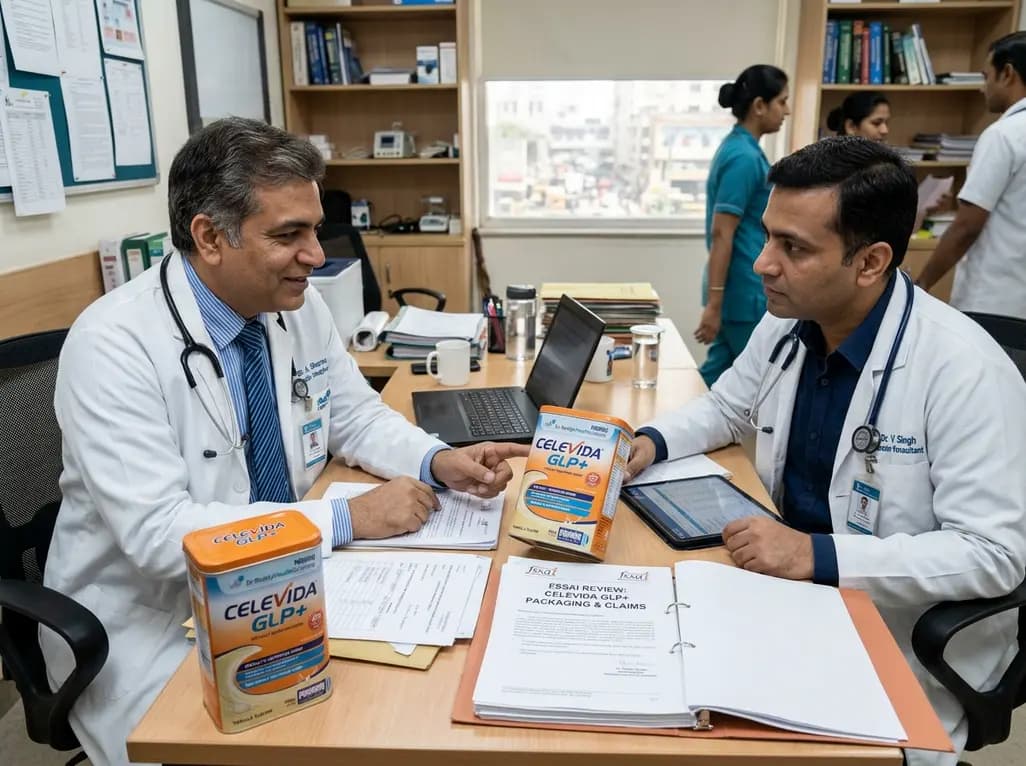
Following regulatory scrutiny from FSSAI regarding promotional representations and lean muscle preservation claims, Dr. Reddy's Laboratories and Nestlé Health Science are currently reviewing the branding and marketing strategy for their joint nutritional supplement Celevida GLP+.
Today
