.webp&w=384&q=75)

Loading, please wait...
Loading, please wait...
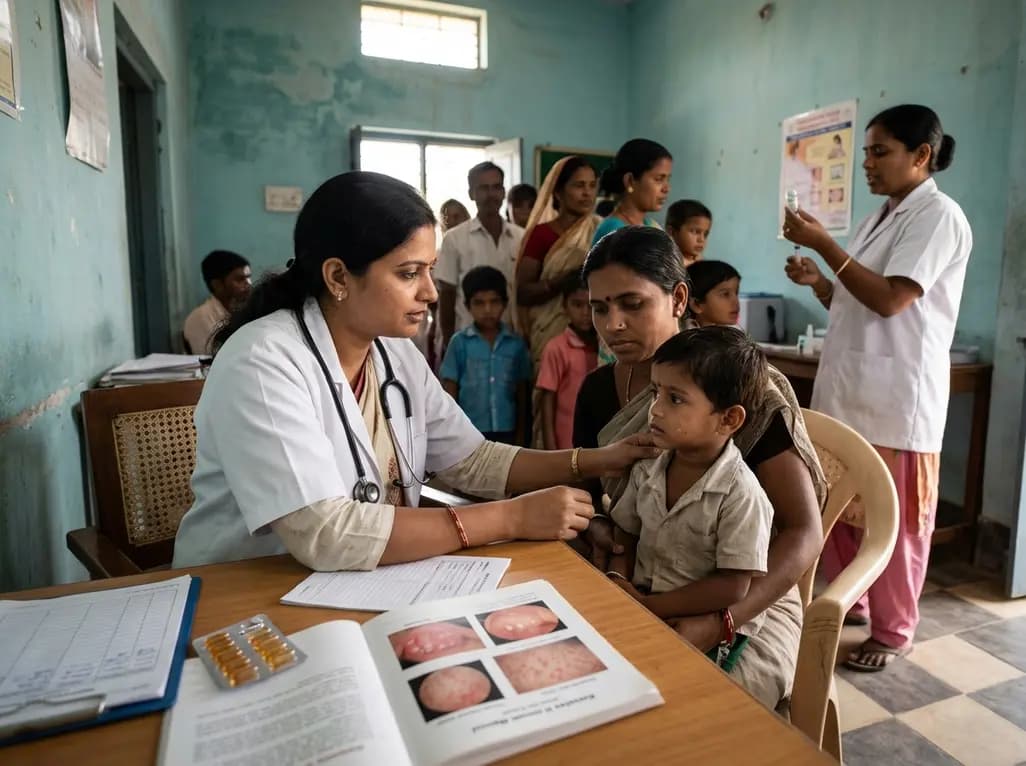
The emergence of a localized measles outbreak in Kerala highlights critical pediatric vulnerabilities for healthcare providers nationwide. Recently, district authorities in Malappuram reported nearly one hundred suspected cases alongside laboratory confirmations. Consequently, primary care clinicians and pediatricians must rapidly review diagnostic criteria, airborne precautions, and routine vaccination strategies.
Recent public health field reports from Malappuram emphasize a concerning resurgence of preventable viral exanthems. Specifically, the Valavannur health block and neighbouring rural pockets registered dozens of children presenting with high fevers and cutaneous eruptions. Public health officials documented that approximately seventy percent of infected pediatric patients had never received routine Measles-Rubella immunization. Therefore, persistent pockets of vaccine hesitancy continue to undermine herd immunity thresholds across select districts in northern Kerala. In addition, historical surveillance data reveals that this region weathered a substantial outbreak in 2023. This recurring vulnerability demonstrates that unimmunized birth cohorts accumulate rapidly over time. When population susceptibility crosses critical mathematical thresholds, newly introduced viral strains spark exponential transmission clusters. Furthermore, rapid domestic travel and crowded households accelerate exposure chains among unimmunized siblings and young neighbors. Local surveillance teams have subsequently expanded active fever tracking into Athavanad, Kalpakanchery, and Thanaloor. In response, healthcare administrators are coordinating targeted outreach to halt transmission. Clinicians in peripheral primary health centers must remain alert to rising case counts. Prompt triage ensures early containment before hospital emergency departments face preventable pediatric admission surges.
The measles virus belongs to the genus Morbillivirus within the Paramyxoviridae family. This single-stranded enveloped RNA pathogen spreads primarily through airborne droplet nuclei during coughing, sneezing, or conversation. Furthermore, infectious virions remain suspended in indoor airspace for up to two hours after an infected patient leaves. Consequently, secondary attack rates among susceptible household contacts routinely exceed ninety percent. Following inhalation, the virus infects regional alveolar macrophages and dendritic cells in the respiratory mucosa. Subsequently, infected immune cells migrate into regional bronchopulmonary lymph nodes, initiating widespread systemic viremia. The pathogen then disseminates to multiple organ systems, including the reticuloendothelial system, skin, conjunctiva, and lungs. Notably, measles produces pronounced temporary immunosuppression, commonly termed immune amnesia, which lasts for several months after acute recovery. This transient lymphocytic depletion erases pre-existing immune memory against unrelated bacterial and viral pathogens. As a result, affected pediatric patients face heightened susceptibility to secondary bronchopneumonia, persistent diarrhea, and otitis media. Understanding this destructive pathophysiology reminds clinicians why measles represents far more than an uncomplicated childhood rash. Rapid viral replication compromises respiratory barriers, while profound immune dysregulation invites fatal secondary microbial infections.
Physicians must maintain exceptional vigilance when evaluating pediatric patients presenting with acute febrile illnesses. Typically, prodromal symptoms manifest after an incubation period lasting seven to fourteen days following initial exposure. During this initial stage, children develop spiking fevers, marked malaise, persistent brassy cough, and prominent coryza. Additionally, bilateral photophobia and intense conjunctival suffusion frequently accompany these respiratory complaints. Experienced pediatricians specifically examine the buccal mucosa opposite the lower molars to detect Koplik spots. These tiny bluish-white ulcerations on an erythematous background appear roughly forty-eight hours before cutaneous lesions erupt. Because Koplik spots represent a definitive pathognomonic hallmark, their prompt identification enables immediate patient isolation. Following the prodrome, a characteristic maculopapular exanthem emerges along the hairline and retroauricular margins. Over the subsequent seventy-two hours, the rash progresses centrifugally down the neck, torso, and extremities. Eventually, the lesions become confluent across the chest and back before resolving in the same anatomical distribution with fine desquamation. Meanwhile, severe warning signs warranting urgent hospital admission include respiratory distress, altered consciousness, and severe dehydration. Timely diagnostic recognition prevents life-threatening clinical delays in fragile pediatric patients.
Healthcare facilities must institute strict airborne precautions immediately upon identifying febrile patients presenting with characteristic exanthems. Triage personnel must fit symptomatic children with protective masks and guide them directly into negative-pressure isolation rooms. When specialized suites remain unavailable, staff should place patients in dedicated consultation rooms with closed doors. Furthermore, hospital administrators must verify documented measles immunity among all attending healthcare workers to prevent nosocomial transmission. Outside clinics, health authorities mandate that symptomatic school children isolate at home until four days elapse after rash onset. Beyond physical isolation, evidence-based supportive care and complication monitoring remain paramount. Because no specific antiviral eradicates the measles virus, clinicians must ensure prompt oral rehydration and fever control with paracetamol, strictly avoiding aspirin. Most importantly, the World Health Organization mandates immediate high-dose oral vitamin A therapy for two consecutive days upon diagnosis. Administering 50,000 to 200,000 international units based on age preserves mucosal integrity and prevents severe ophthalmic complications. Additionally, physicians prescribe targeted antibiotics only when secondary bacterial infections like otitis media or pneumonia arise, avoiding routine prophylactic antimicrobials. Consequently, methodical supportive care substantially lowers overall pediatric mortality.
Community-wide immunization provides the only definitive barrier against recurring outbreaks in vulnerable regions. Under India's Universal Immunization Programme, health authorities schedule the first Measles-Rubella vaccine dose between nine and twelve months of age. Subsequently, children receive their second booster dose between sixteen and twenty-four months. Sustaining ninety-five percent population coverage with two doses establishes durable herd immunity. However, persistent localized skepticism, fueled by digital misinformation and social misperceptions, frequently disrupts coverage in specific rural communities. To dismantle these barriers, public health teams must partner directly with community leaders, faith-based institutions, and school authorities. For instance, district medical officers in Malappuram successfully engaged local mosque committees to endorse vaccination during Friday prayers. Similarly, headteachers convene specialized school assemblies to educate families on childhood immunizations and infection prevention. Pediatricians in private practice should systematically audit immunization cards during every pediatric consultation. Consequently, clinicians can promptly identify partially immunized children before broader exposure occurs. In addition, special catch-up immunization camps must offer convenient, non-judgmental vaccination services across remote hamlets. Ultimately, overcoming immunization gaps demands compassionate clinical counseling, robust intersectoral collaboration, and persistent field outreach.
Q1: What epidemiological factors contributed to the measles outbreak in Malappuram?
Public health authorities identified significant immunization gaps among young children as the primary driver behind the outbreak. Specifically, nearly seventy percent of affected pediatric patients had missed routine doses of the Measles-Rubella vaccine. Furthermore, localized vaccine hesitancy, geographic clustering of unvaccinated families, and dense living conditions facilitated rapid airborne transmission. Consequently, introduced viral strains spread swiftly through susceptible school cohorts and unimmunized siblings, prompting district health officials to enforce immediate containment.
Q2: How should clinicians differentiate early measles from other pediatric viral exanthems?
Clinicians should evaluate the classic prodromal triad comprising cough, coryza, and conjunctivitis alongside escalating fever spikes. Most importantly, inspecting the oral mucosa opposite the lower molars often reveals Koplik spots before cutaneous eruptions appear. These tiny bluish-white macules serve as pathognomonic diagnostic indicators. Additionally, the characteristic maculopapular rash begins at the hairline and spreads centrifugally downward over several days, unlike the diffuse, rapidly changing eruptions typical of enteroviral, rubella, or parvovirus B19 infections.
Q3: What specific clinical role does high-dose vitamin A administration play in acute measles care?
Measles infection depletes endogenous vitamin A reserves rapidly, which impairs cell-mediated immunity and damages mucosal epithelial tissues. Consequently, the World Health Organization recommends administering therapeutic oral vitamin A doses over two consecutive days immediately upon clinical diagnosis. This vital intervention preserves retinal epithelial integrity, prevents xerophthalmia, and accelerates mucosal recovery in the respiratory and gastrointestinal tracts. Furthermore, clinical trials confirm that prompt vitamin A supplementation substantially reduces secondary pneumonia complications and overall mortality.
Disclaimer: This content is for informational and educational purposes only. It does not constitute medical advice or replace professional judgment. Refer to the latest local and national guidelines for clinical practice.
References

Read summarized clinical updates, watch expert medical content, and earn CME certifications right from your smartphone.
Open your smartphone camera to scan and install.





Health authorities in Malappuram have escalated disease-control measures following rising measles infections among unvaccinated children. This guide outlines viral transmission dynamics, early diagnostic markers like Koplik spots, vitamin A treatment schedules, and public health immunization strategies.
Today

The Indian Government has approved the Biovigilance Programme of India, empowering the IPC to track adverse events in organ and tissue transplant procedures. This nationwide initiative unifies donor and recipient surveillance with established drug and medical device safety mechanisms to elevate clinical standards.
Today
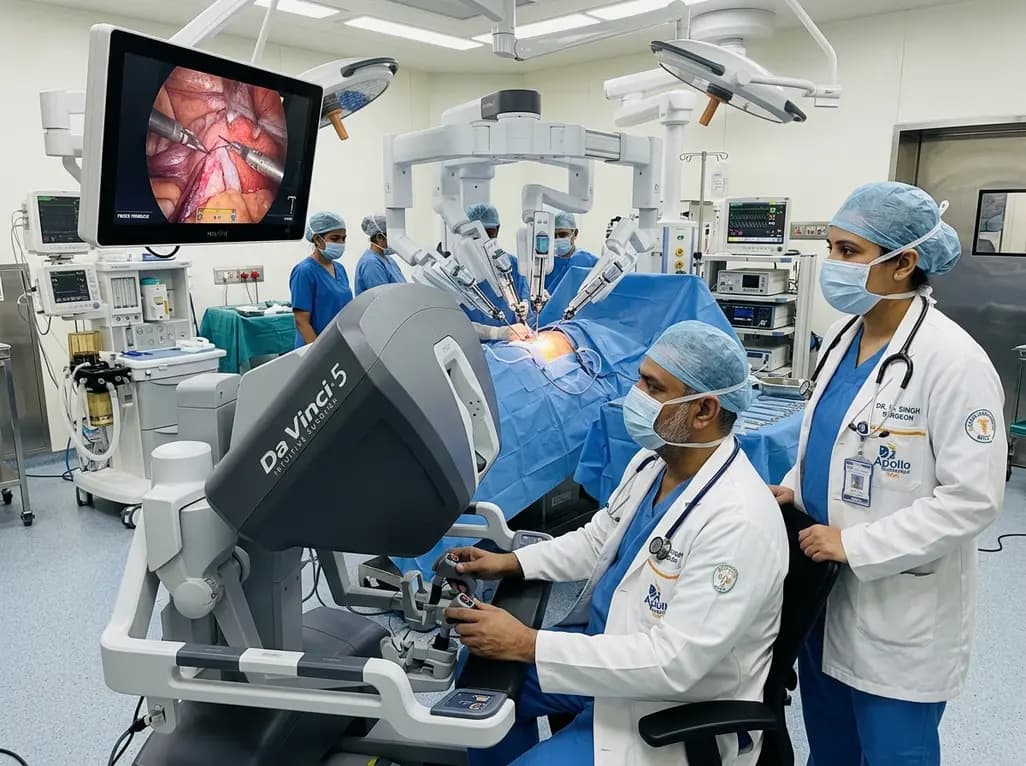
India expands its minimally invasive surgical landscape as Intuitive unveils its fifth-generation robotic platform. Equipped with real-time force feedback and immense computing performance, this innovation assists clinical specialists across urology, gynecology, and general surgery in optimizing operative care.
Today

Large-scale biobank research demonstrates that low-grade systemic inflammation quietly remodels ventricular architecture years before cardiovascular symptoms appear. Learn how emerging biomarkers like GlycA and targeted anti-inflammatory pathways could reshape preventive cardiovascular screening and clinical risk evaluation.
Today
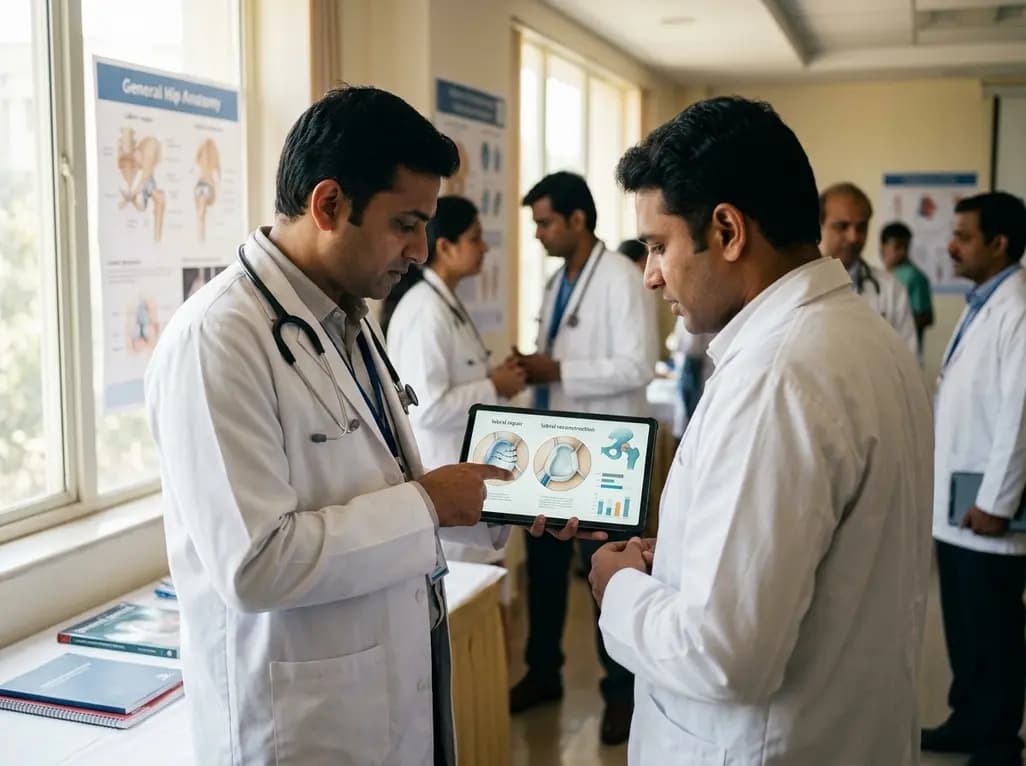
Systematic review comparing labral repair and reconstruction in primary hip arthroscopy shows comparable short- to mid-term patient-reported outcomes, with lower THA conversion after repair but superior outcomes for reconstruction in patients aged 40 and older.
Today

Diabetic peripheral neuropathy involves chronic neuroinflammation and blood-nerve barrier dysfunction. This review discusses advanced nanomedicine formulations, including nanoparticles and hydrogels, designed to overcome pharmacokinetic barriers and modulate the peripheral neuroimmune axis.
Today
