.webp&w=384&q=75)

Loading, please wait...
Loading, please wait...
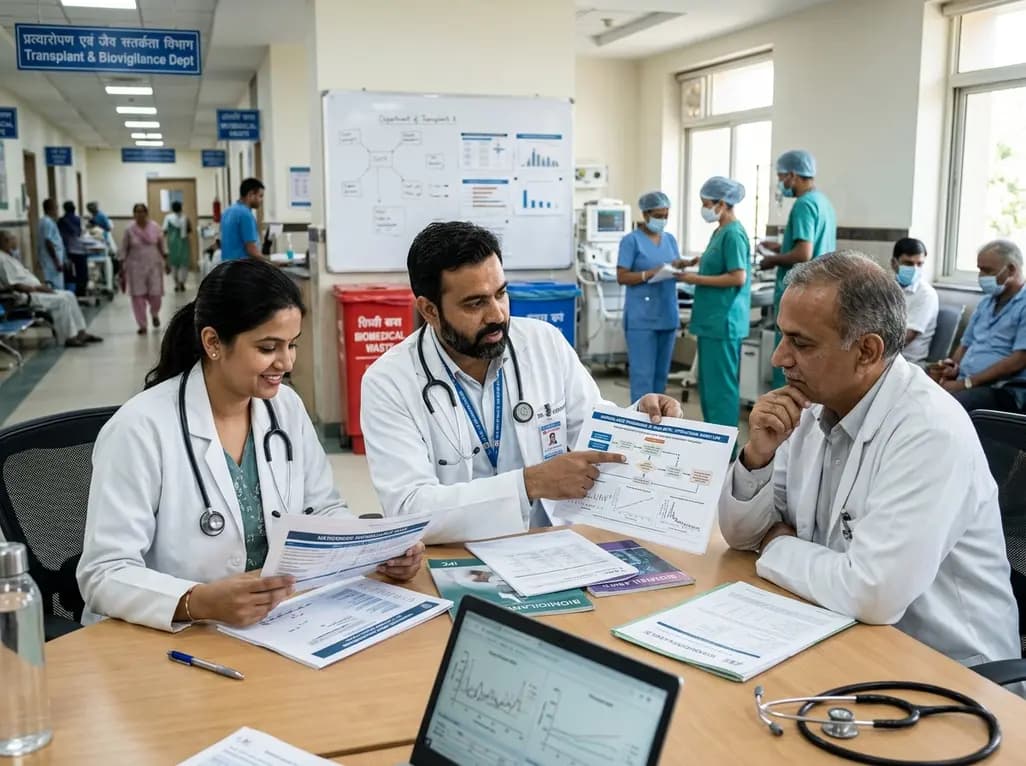
During the 6th National Pharmacovigilance Week, the Union Health Ministry officially approved the Biovigilance Programme of India. Consequently, the Indian Pharmacopoeia Commission will lead nationwide surveillance of adverse events linked to organ and tissue transplantation. India performs thousands of life-saving transplants annually. Therefore, establishing a systematic surveillance program safeguards both living donors and graft recipients across healthcare centers nationwide.
Transplantation medicine requires specialized biological materials, tissue preservation fluids, and potent immunosuppressive therapies. Until now, India lacked a unified national mechanism to track adverse events arising from graft handling or biological preservation solutions. However, the newly sanctioned framework bridges this vital gap by establishing comprehensive clinical monitoring protocols. Specifically, healthcare providers will report complications associated with allografts, corneal tissues, stem cells, and organ storage media.
Additionally, this surveillance model protects both donors and recipients throughout the entire clinical pathway. Living donors frequently receive specialized prophylactic medicines, contrast media, and surgical biologicals. Similarly, transplant recipients depend on induction biologics and maintenance therapies to prevent graft rejection. Consequently, unexpected toxicities, secondary infections, or biological incompatibilities can compromise patient survival. By establishing structured vigilance protocols, clinical teams can capture subtle warning signs before severe harm occurs.
Moreover, hospital transplant committees will gain direct access to standardized national reporting templates. Clinicians can analyze unexpected graft dysfunction, unusual tissue necrosis, or contaminated preservation agents with scientific rigor. Ultimately, this surveillance protects vulnerable surgical patients, elevates clinical standards, and promotes standardized therapeutic protocols across transplant centers nationwide.
Under the leadership of the Indian Pharmacopoeia Commission, the Biovigilance Programme of India establishes standardized methodologies for national data collection. Primarily, the commission aims to identify, evaluate, interpret, and mitigate adverse events linked to transplant biologicals. Regulatory officials emphasize that medicine safety requires active commitment from all clinical stakeholders. Therefore, the commission will publish actionable guidelines that define reportable events for transplant coordinators and surgical teams.
Furthermore, the program focuses on generating high-quality indigenous scientific evidence. India has historically relied on foreign registry data to assess biological risks in transplant settings. However, domestic clinical realities, genetic variations, and regional infection profiles necessitate indigenous safety parameters. Consequently, this initiative builds independent analytical capabilities to safeguard domestic patients effectively.
In addition, the framework establishes a rapid alert system for severe adverse occurrences. If a specific batch of organ preservation solution causes unexpected tissue toxicity, centers can broadcast alerts immediately. Thus, hospitals can quarantine compromised biological products before they harm other patients. Moreover, the commission will collaborate with academic centers to monitor donor outcomes. Through these rigorous methods, India will strengthen its reputation as a global leader in evidence-based transplant care.
For over a decade, India has successfully expanded the Pharmacovigilance Programme of India to track adverse drug reactions. Simultaneously, the Materiovigilance Programme of India has monitored untoward incidents associated with medical devices and surgical implants. Now, the biovigilance framework completes this essential regulatory trinity. Together, these three interrelated programs establish an unbroken continuum of healthcare quality across pharmaceuticals, medical technology, and biological interventions.
Consequently, multidisciplinary clinical teams will experience smoother workflows when addressing complex clinical complications. For instance, a transplant recipient developing sudden vascular graft thrombosis may face issues involving a vascular stent, an organ perfusion device, or an immunosuppressive medication. Previously, clinicians reported these distinct elements through fragmented, separate communication channels. In contrast, the harmonized tripartite framework under the IPC streamlines investigation and causality assessment.
Furthermore, India has made remarkable progress in global health databases. The country advanced from 123rd position during 2009–2014 to eighth globally in contributions to the World Health Organization patient safety repository. This impressive rise reflects a growing national commitment to proactive surveillance. Therefore, incorporating biovigilance data into this robust architecture will elevate India's international standing in surgical safety and regulatory science.
Currently, India operates approximately 1,150 Adverse Drug Reaction Monitoring Centres across government hospitals, private medical institutes, and academic institutions. Nevertheless, the central government intends to expand this surveillance network down to the primary healthcare level. Decentralization ensures that safety surveillance does not remain confined to urban tertiary centers. Instead, primary healthcare clinicians will actively detect delayed complications in post-transplant patients who return to rural communities.
Additionally, digital modernization plays a pivotal role in this expansion strategy. The health ministry launched the updated ADR-PvPI 2.0 mobile application for iOS devices, alongside the seventh edition of the National Formulary of India. This formulary is now digitally accessible through the NFI Online portal. Consequently, physicians can verify rational prescribing guidelines, dosing parameters, and contraindications directly at the bedside.
Moreover, health authorities are encouraging the integration of artificial intelligence and advanced predictive analytics into vigilance databases. Automated algorithms can identify subtle signal clusters across thousands of clinical entries. Furthermore, patient empowerment remains a crucial objective of these digital platforms. By enabling recipients and donors to report symptoms through user-friendly interfaces, authorities address historical gaps in patient-reported safety data.
This policy shift introduces meaningful operational responsibilities for surgeons, nephrologists, hepatologists, cardiologists, and allied medical specialists. Transplant teams must now institute routine surveillance for all biological substances administered during the perioperative period. Specifically, clinicians must document preservation fluid lot numbers, biological graft characteristics, and cellular therapy records with rigorous detail. Accordingly, institutional ethics committees and clinical quality departments must update their standard operating procedures.
Furthermore, medical educators must train junior residents and nursing staff to recognize atypical biological reactions. For example, acute graft-versus-host symptoms, unusual donor-derived viral transmissions, and novel hypersensitivity episodes require prompt formal reporting. Thus, clinicians should not view adverse event reporting as punitive paperwork. On the contrary, transparent reporting protects clinical teams by creating institutional accountability and scientific clarity.
Ultimately, doctors must communicate transparently with organ donors and transplant recipients regarding adverse event channels. When patients understand how their feedback enhances drug safety, compliance rates and mutual trust improve significantly. Therefore, Indian clinicians have an unprecedented opportunity to drive this transformation. By integrating vigilance into everyday bedside practice, physicians directly advance therapeutic safety and long-term graft survival across the nation.
Q1: What is the primary role of the Indian Pharmacopoeia Commission under this framework?
The Indian Pharmacopoeia Commission serves as the central coordinating body for the newly approved surveillance initiative. Specifically, the commission establishes national reporting protocols, standardizes adverse event definitions, and assesses causal relationships between biological products and patient complications. Furthermore, the commission collects nationwide clinical data, issues rapid safety alerts, and updates official guidelines to protect transplant donors and recipients across all participating healthcare facilities.
Q2: How does biovigilance differ from pharmacovigilance and materiovigilance?
Pharmacovigilance focuses strictly on monitoring adverse reactions related to pharmaceutical medicines and vaccines. In contrast, materiovigilance tracks adverse events and equipment failures involving medical devices and surgical implants. Biovigilance addresses the distinct biological domain. Specifically, it monitors untoward occurrences and adverse reactions linked to tissues, organs, cellular therapies, and biological preservation solutions administered to donors and recipients throughout transplantation procedures across Indian hospitals.
Q3: How will primary healthcare expansion improve patient safety?
Most organ transplant surgeries take place within urban tertiary hospitals. However, convalescent patients frequently return home to rural or semi-urban areas for long-term maintenance care. Consequently, expanding adverse event monitoring to primary health centres allows local medical officers to recognize delayed complications early. In addition, this decentralized reporting captures crucial real-world safety data from diverse rural populations, ensuring equitable and continuous patient monitoring nationwide.
Disclaimer: This content is for informational and educational purposes only. It does not constitute medical advice or replace professional judgment. Refer to the latest local and national guidelines for clinical practice.
References

Read summarized clinical updates, watch expert medical content, and earn CME certifications right from your smartphone.
Open your smartphone camera to scan and install.





The Indian Government has approved the Biovigilance Programme of India, empowering the IPC to track adverse events in organ and tissue transplant procedures. This nationwide initiative unifies donor and recipient surveillance with established drug and medical device safety mechanisms to elevate clinical standards.
Today
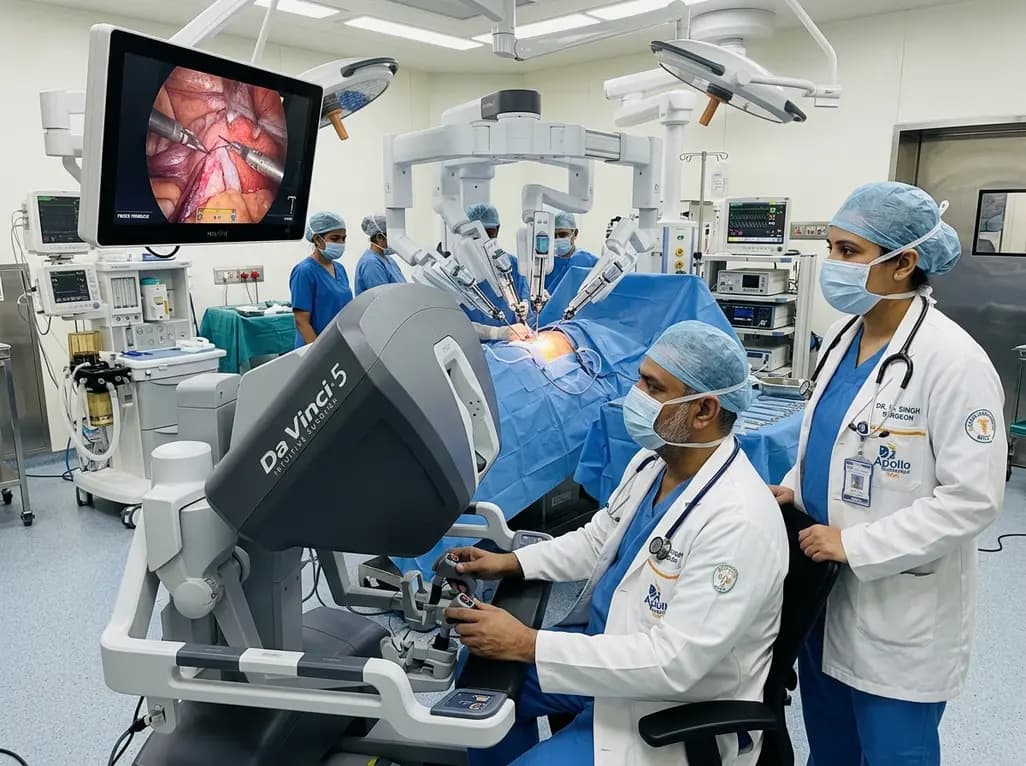
India expands its minimally invasive surgical landscape as Intuitive unveils its fifth-generation robotic platform. Equipped with real-time force feedback and immense computing performance, this innovation assists clinical specialists across urology, gynecology, and general surgery in optimizing operative care.
Today
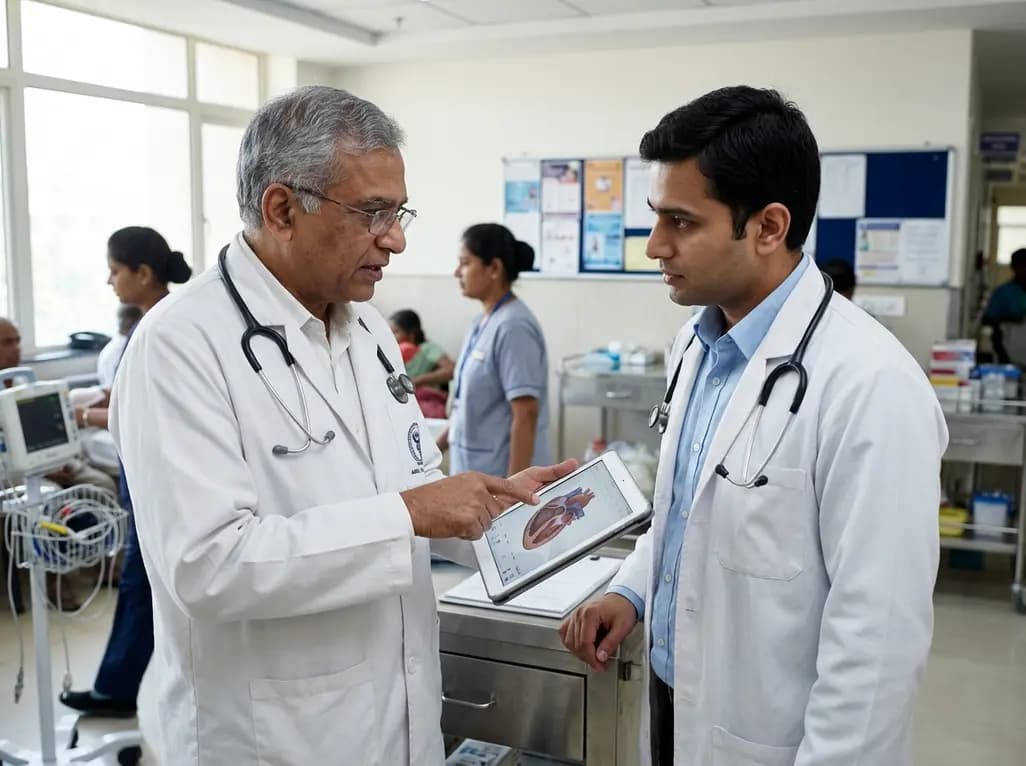
Large-scale biobank research demonstrates that low-grade systemic inflammation quietly remodels ventricular architecture years before cardiovascular symptoms appear. Learn how emerging biomarkers like GlycA and targeted anti-inflammatory pathways could reshape preventive cardiovascular screening and clinical risk evaluation.
Today
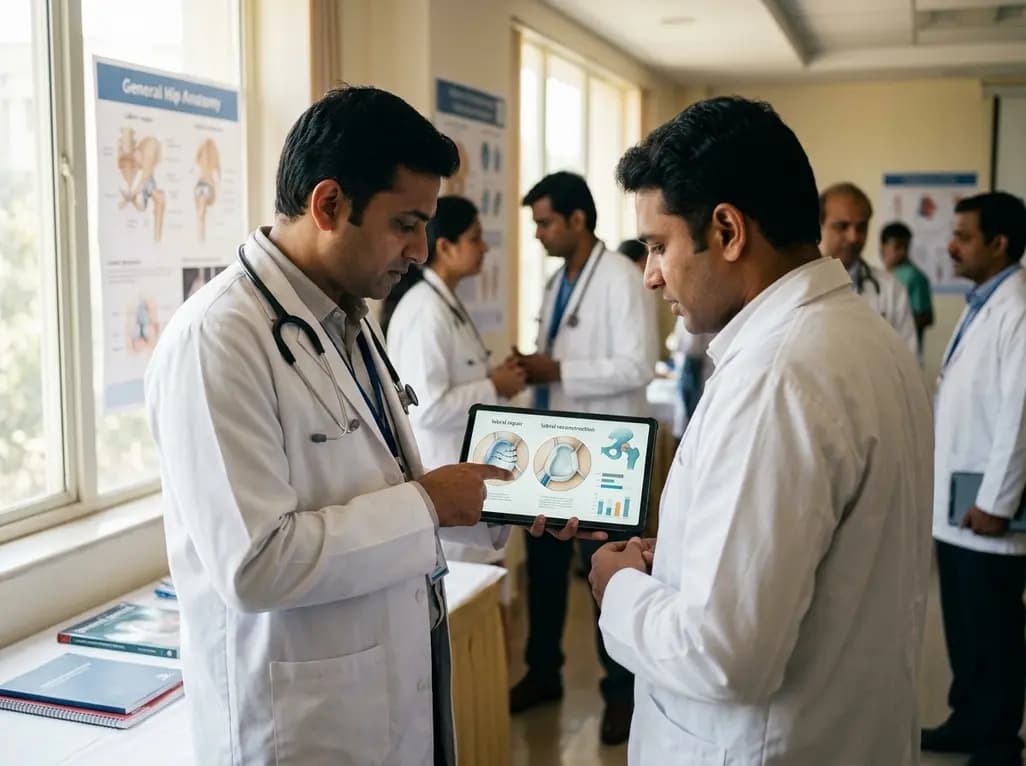
Systematic review comparing labral repair and reconstruction in primary hip arthroscopy shows comparable short- to mid-term patient-reported outcomes, with lower THA conversion after repair but superior outcomes for reconstruction in patients aged 40 and older.
Today

Diabetic peripheral neuropathy involves chronic neuroinflammation and blood-nerve barrier dysfunction. This review discusses advanced nanomedicine formulations, including nanoparticles and hydrogels, designed to overcome pharmacokinetic barriers and modulate the peripheral neuroimmune axis.
Today
