.webp&w=384&q=75)

Loading, please wait...
Loading, please wait...
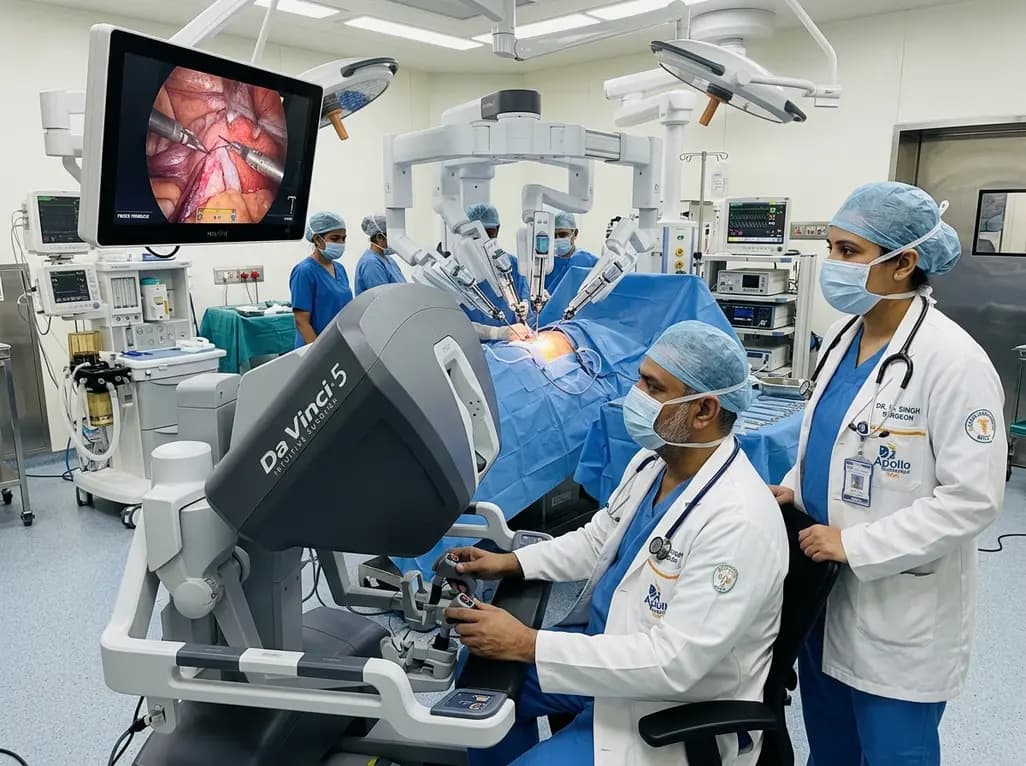
The global medical device company Intuitive has officially introduced the Da Vinci 5 system to the Indian healthcare market. This milestone marks a major turning point for minimally invasive surgery throughout the country. Robotic surgery has already gained significant traction in India, where surgeons have successfully completed more than two hundred thousand procedures. Consequently, this next-generation multiport surgical robot brings cutting-edge operational refinements to domestic operating theatres. Indian hospitals continue to demand higher clinical precision, enhanced ergonomics, and measurable patient safety. Therefore, the introduction of this advanced hardware underscores a profound transition toward data-driven robotic interventions across key metropolitan medical centers.
The Da Vinci 5 builds upon the proven architecture of its predecessor, the da Vinci Xi platform. However, the manufacturer integrated more than one hundred and fifty significant technical enhancements into this new hardware generation. These upgrades address practical feedback gathered from more than fifteen thousand robotic console operators across the globe. For example, the updated surgeon console provides improved ergonomic adjustability, reducing physical strain during prolonged operative sessions. In addition, the system incorporates an ultra-high-definition three-dimensional imaging module that renders anatomical planes with unmatched optical clarity. Furthermore, the redesigned console grants operating surgeons greater direct autonomy over theatre peripheral devices. Clinicians can control insufflation, energy delivery, and camera positions without diverting their attention from the sterile field. As a result, theatre workflow improves noticeably, reducing unnecessary procedural delays. Moreover, the console interface offers intuitive menu navigation that mirrors modern digital platforms. Hospital administrations benefit from this standardized hardware ecosystem because it preserves compatibility with existing surgical inventories. Consequently, operating teams can transition smoothly to the newer system without discarding their current institutional proficiencies.
A standout innovation in this surgical platform is the proprietary Force Feedback technology. Previously, robotic consoles relied solely on visual cues to help surgeons estimate tissue tension and instrument pressure. In contrast, this new system incorporates sensitive tactile feedback directly into the master hand grips. These specialized micro-sensors measure operational push and pull forces up to one thousand times every single second. Therefore, surgeons can feel physical resistance as their instruments manipulate delicate structures, dissect fascial planes, or place sutures. Clinical studies indicate that force-sensing instruments enable operators to apply up to forty-three percent less force on tissues. Consequently, this delicate tactile awareness significantly minimizes accidental tissue trauma and collateral shear injury during complex maneuvers. Furthermore, the console displays a real-time force indicator that gives operators continuous objective data alongside physical sensations. In addition, less mechanical strain preserves tissue vascularity and accelerates healing across delicate internal anastomoses. Operating teams can consequently navigate precarious anatomical zones with heightened surgical confidence. Ultimately, this haptic feedback addresses one of the longest-standing limitations of robotic-assisted operative intervention.
Digital architecture represents another transformative pillar of this next-generation surgical system. The hardware delivers ten thousand times greater computational processing capacity than previous robotic generations. Consequently, the console functions as an intelligent computational engine rather than a purely mechanical manipulator. Modern operating rooms require continuous data processing to support real-time procedural decision-making. Therefore, the system continuously analyzes instrument velocity, grip forces, and spatial trajectory throughout every single surgical case. Furthermore, these immense processing capabilities pave the path for automated video capture and integrated machine learning algorithms. Surgical departments can review synchronized telemetry to track technique variations and standardize clinical performance. In addition, the integrated software architecture connects seamlessly to cloud ecosystems for ongoing professional education. Trainees and experienced consultants alike can review objective operational analytics to identify areas for technical improvement. Meanwhile, hospital leaders gain unprecedented transparency into operating room throughput, turnover intervals, and instrument utilization patterns. Thus, computational expansion converts routine operative data into meaningful insights that elevate patient care standards across surgical disciplines.
Regulatory authorities in India have cleared this robotic platform for multiple complex surgical disciplines. Specifically, urologists can utilize the system for radical prostatectomies, partial nephrectomies, and reconstructive bladder interventions. In urologic oncology, tactile feedback helps protect delicate neurovascular bundles while achieving clean oncologic margins. Furthermore, gynecologic surgeons utilize the platform for complex hysterectomies, myomectomies, and radical endometriosis excisions. The improved visualization simplifies dissection within the crowded female pelvis, minimizing operative blood loss and tissue disturbance. In addition, general surgeons apply the robotic arms to complex abdominal wall reconstructions and colorectal resections. Thoracic teams also benefit significantly when resecting mediastinal masses and performing lung lobectomies near major pulmonary vessels. Cardiac surgeons can similarly leverage the platform's tremor filtration and microscopic dexterity for minimally invasive valve repairs. Notably, the versatile arm geometry accommodates diverse patient habitus without requiring extensive intraoperative repositioning. Consequently, multidisciplinary surgical departments can maximize console utilization across varied high-volume clinical programs. As a result, institutions can deliver uniform, reproducible minimally invasive care across their entire patient populations.
The rollout of this surgical platform establishes a solid foundation for future tele-mentoring and telesurgery across India. Currently, specialized surgical expertise concentrates heavily within tier-one metropolitan hubs. However, software-enabled tele-collaboration will soon empower seasoned specialists to assist remote surgeons across peripheral healthcare networks. In this collaborative model, an expert surgeon in New Delhi or Mumbai can guide regional colleagues through challenging operative steps. Furthermore, the system's high-speed data transmission capabilities ensure minimal latency during remote operative input. Therefore, community hospitals can undertake complex oncology procedures without transferring frail patients across long distances. In addition, the platform supports real-time anatomical overlays and augmented reality guidance to prevent accidental vascular injuries. Intuitive plans a phased introduction of these collaborative tele-capabilities to guarantee strict patient safety standards. Meanwhile, structured training curricula at dedicated academic institutes ensure that young Indian surgeons master these digital tools early. Ultimately, expanding robotic accessibility will democratize high-precision surgery, bridging the historic healthcare gap between metropolitan centers and rural communities.
Q1: What is the primary clinical advantage of Force Feedback in the Da Vinci 5?
The primary clinical advantage is genuine tactile sensation during tissue manipulation. Previously, robotic systems required surgeons to rely entirely on visual cues. In contrast, Force Feedback transmits real-time resistance directly to the console hand controls. Consequently, surgeons apply up to forty-three percent less force on tissues. This gentler handling reduces inadvertent tissue trauma, preserves critical blood supply, and accelerates postoperative recovery for patients.
Q2: Which surgical specialties are approved to use the Da Vinci 5 in India?
Regulatory authorities in India have cleared the platform for multiple surgical specialties. Specifically, clinicians can deploy the system for urologic, gynecologic, general surgical, thoracic, and cardiac procedures. For example, surgeons frequently perform robotic prostatectomies, hysterectomies, colorectal resections, and mediastinal dissections. In addition, its versatile multi-quadrant access allows multidisciplinary surgical teams to share a single console, optimizing hospital capital investment and patient throughput.
Q3: How does the increased computing power enhance operating room performance?
The system delivers ten thousand times more computing power than earlier generations. Consequently, this high-performance computing architecture processes massive amounts of sensor data in real time. The console tracks instrument trajectories, monitors grip forces, and integrates high-definition video feeds seamlessly. Furthermore, this computational foundation enables predictive analytics, workflow automation, and objective performance feedback. Ultimately, these digital capabilities empower operating room teams to refine techniques and elevate patient safety.
Disclaimer: This content is for informational and educational purposes only. It does not constitute medical advice or replace professional judgment. Refer to the latest local and national guidelines for clinical practice.
References

Read summarized clinical updates, watch expert medical content, and earn CME certifications right from your smartphone.
Open your smartphone camera to scan and install.





India expands its minimally invasive surgical landscape as Intuitive unveils its fifth-generation robotic platform. Equipped with real-time force feedback and immense computing performance, this innovation assists clinical specialists across urology, gynecology, and general surgery in optimizing operative care.
Today
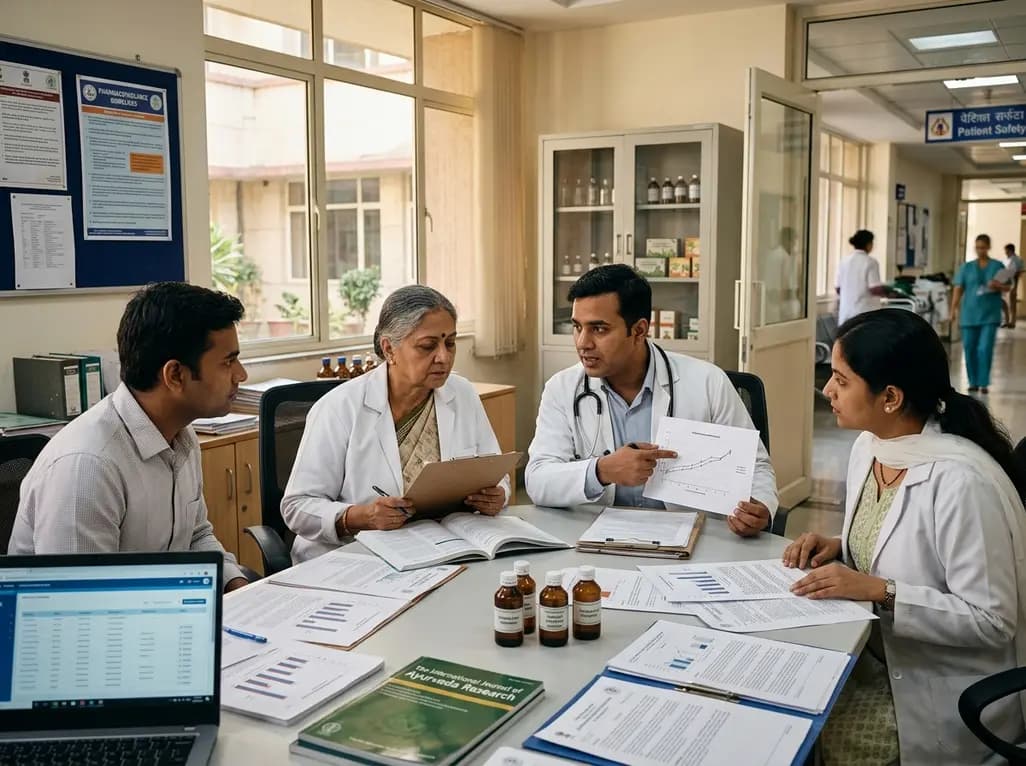
The Central Council for Research in Ayurvedic Sciences emphasizes that integrating traditional medicine with mainstream healthcare requires scientific rigor. Enhanced pharmacovigilance networks, adverse drug reaction monitoring, and validated clinical trials remain pivotal to elevating clinical credibility.
Today
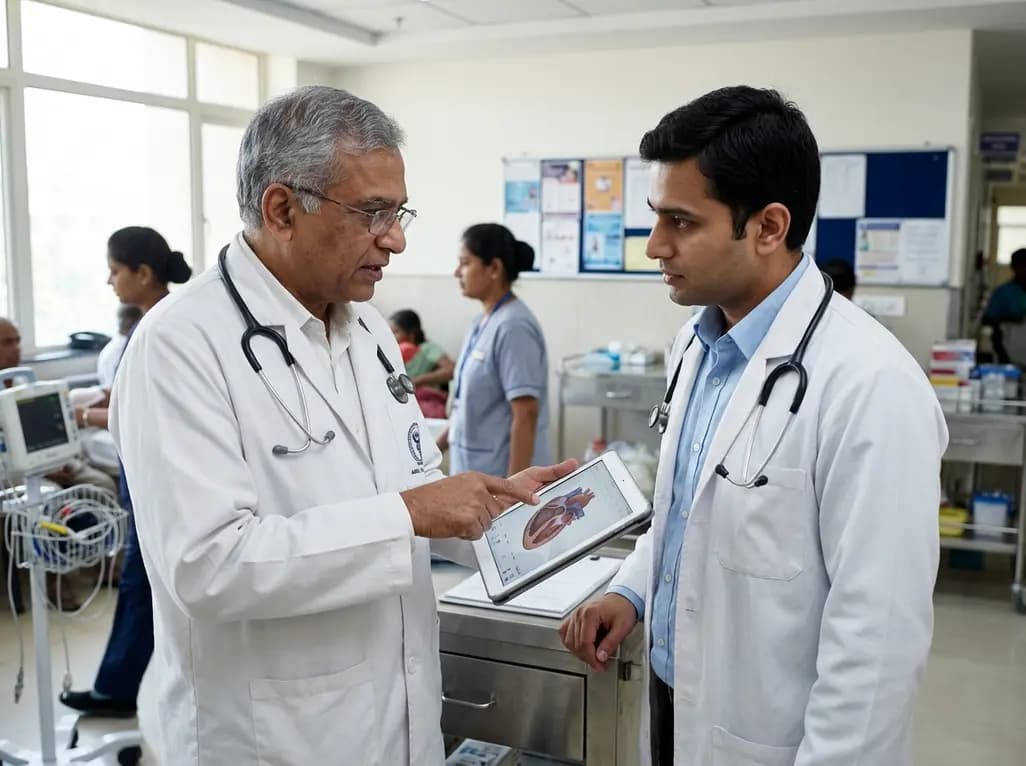
Large-scale biobank research demonstrates that low-grade systemic inflammation quietly remodels ventricular architecture years before cardiovascular symptoms appear. Learn how emerging biomarkers like GlycA and targeted anti-inflammatory pathways could reshape preventive cardiovascular screening and clinical risk evaluation.
Today
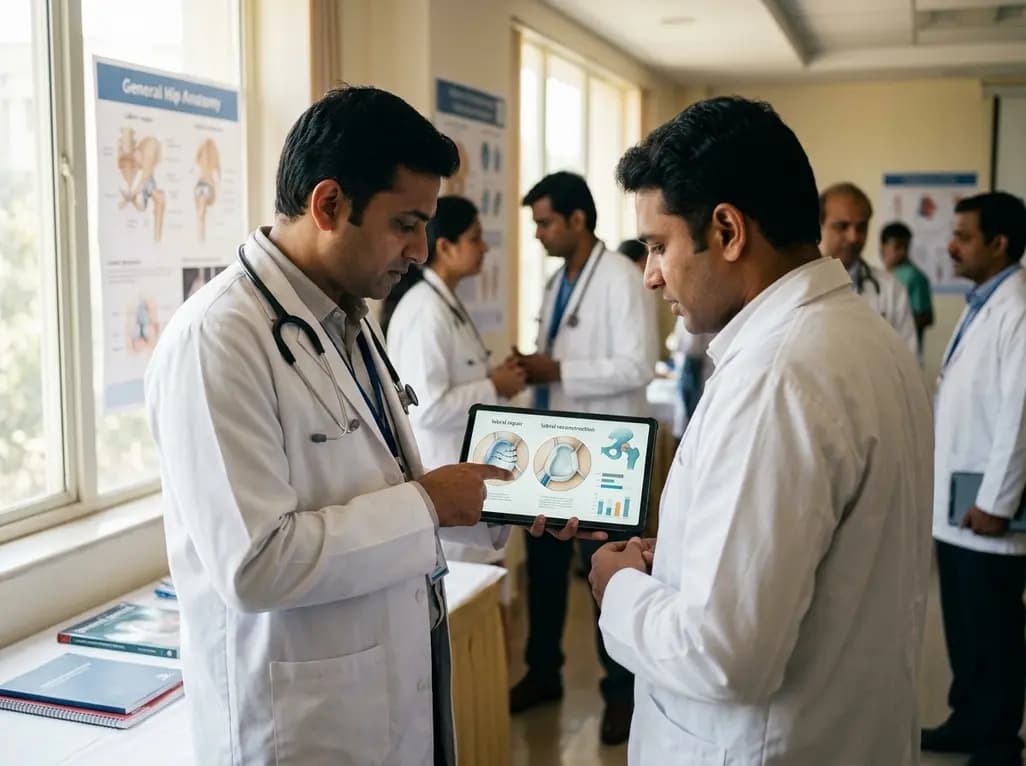
Systematic review comparing labral repair and reconstruction in primary hip arthroscopy shows comparable short- to mid-term patient-reported outcomes, with lower THA conversion after repair but superior outcomes for reconstruction in patients aged 40 and older.
Today
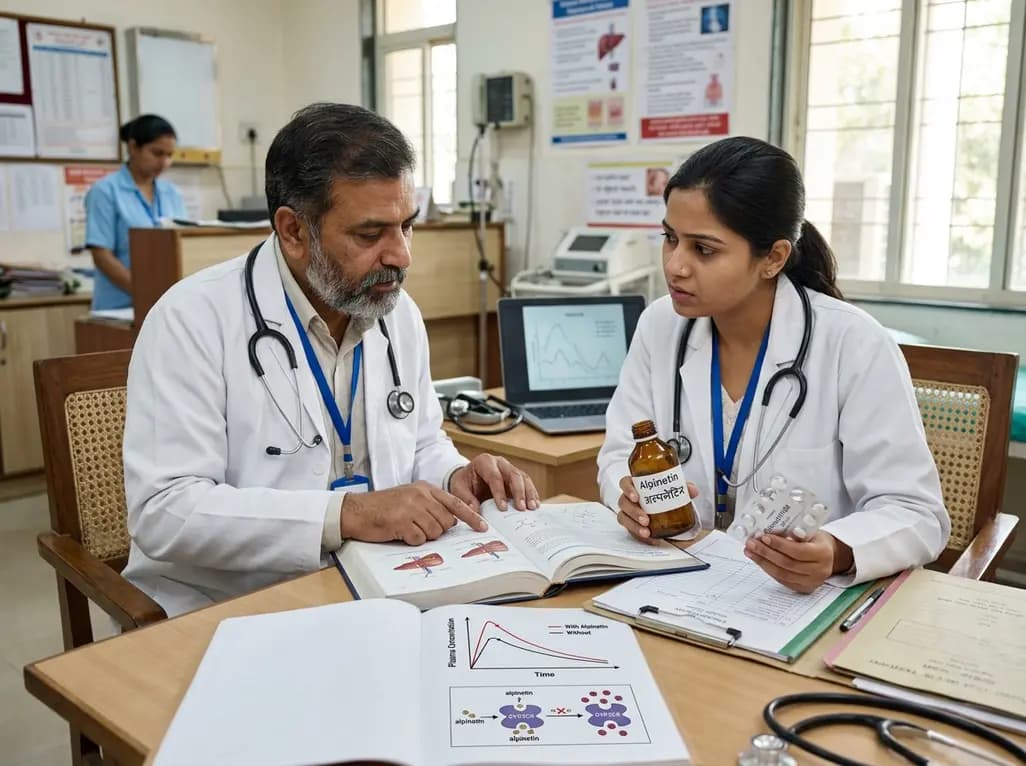
A preclinical study reveals that alpinetin significantly alters glimepiride pharmacokinetics by inhibiting CYP2C9. This drug-herb interaction enhances hypoglycemic potency and underscores critical safety concerns regarding severe hypoglycemia in diabetic management.
Today
