.webp&w=384&q=75)

Loading, please wait...
Loading, please wait...

Scientists have discovered human antibodies that neutralize the measles virus. Consequently, this breakthrough could lead to a novel measles antibody treatment for prophylaxis and therapy. Researchers from the La Jolla Institute for Immunology identified these specific antibodies. Specifically, they target the fusion and attachment proteins on the viral surface to stop infection. Moreover, these antibodies protect people both before and after exposure to the virus. This discovery is vital for protecting immunocompromised individuals and young children who lack immunity.
The research team utilized cryo-electron microscopy to visualize the interaction in high resolution. This imaging technique showed exactly how antibodies bind to vulnerable viral sites. Furthermore, a specific antibody called 3A12 proved remarkably effective in laboratory studies. It reduced the viral load 500-fold in rodent models of infection. Additionally, this antibody rendered the virus undetectable when given shortly after infection. Therefore, these molecules serve as promising templates for future medical interventions against measles.
Because vaccine skepticism is currently rising, many communities face a decline in herd immunity. However, monoclonal antibodies offer a direct way to provide protection during outbreaks. These treatments are particularly important for infants who are too young for their first vaccination. Also, immunocompromised patients often cannot receive live-attenuated vaccines safely. Thus, the development of an antibody-based therapy fills a critical gap in modern public health strategies.
In a separate significant study, scientists investigated the genetic basis of autoimmune diseases. They found that women possess genetic switches that increase baseline inflammatory activity. Specifically, the team analyzed over 1.25 million immune cells from 1,000 healthy individuals. In females, these switches drive higher activity in B cells and regulatory T cells. While this reactive profile helps fight viral infections, it also increases the risk of the body attacking itself.
Conversely, male immune cells focus more on basic cellular maintenance and protein production. They have higher proportions of monocytes, which act as initial immune responders. These biological differences explain why women suffer more frequently from lupus and rheumatoid arthritis. Therefore, medical experts suggest that future clinical research must account for sex-based immune differences. Understanding these pathways will lead to more personalized and effective treatments for diverse patient populations.
Q1: How do the new antibodies fight the measles virus?
The antibodies attach to the measles fusion and attachment proteins. By doing so, they prevent the virus from entering host cells and replicating.
Q2: Why are women more susceptible to autoimmune diseases than men?
Women have genetic switches that favor inflammatory pathways. While this provides an advantage against infections, it also makes the immune system more likely to attack healthy tissue.
Disclaimer: This content is for informational and educational purposes only. It does not constitute medical advice or replace professional judgment. Refer to the latest local and national guidelines for clinical practice.
References

Read summarized clinical updates, watch expert medical content, and earn CME certifications right from your smartphone.
Open your smartphone camera to scan and install.





Researchers identify human antibodies for measles treatment and uncover genetic switches that explain higher autoimmune risks in women....
5 months ago
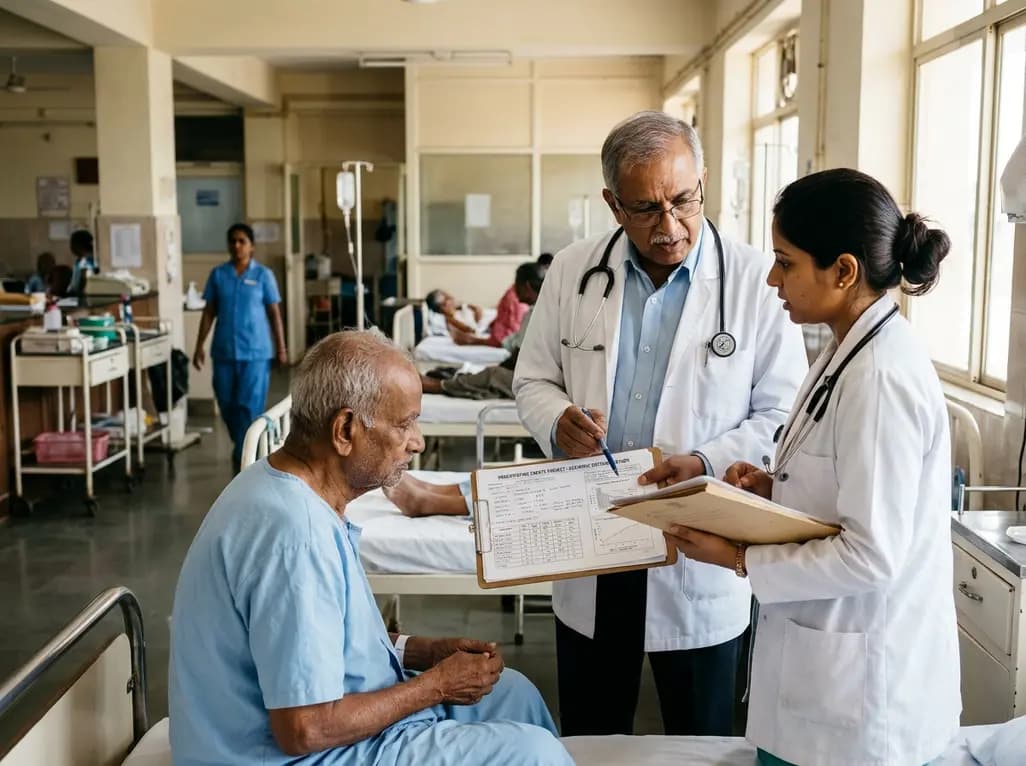
Failing to account for competing events like mortality in longitudinal geriatric studies produces biased risk estimates and misleading inferences. This review highlights key methodological principles, insights from the Precipitating Events Project, and practical approaches for clinical research appraisal.
Today

A study in JAMIA Open shows lightweight open-source reasoning LLMs achieve up to 95% sensitivity and accelerate evidence synthesis screening by nearly twentyfold, presenting a cost-effective, scalable AI solution for biomedical research and systematic reviews.
Today
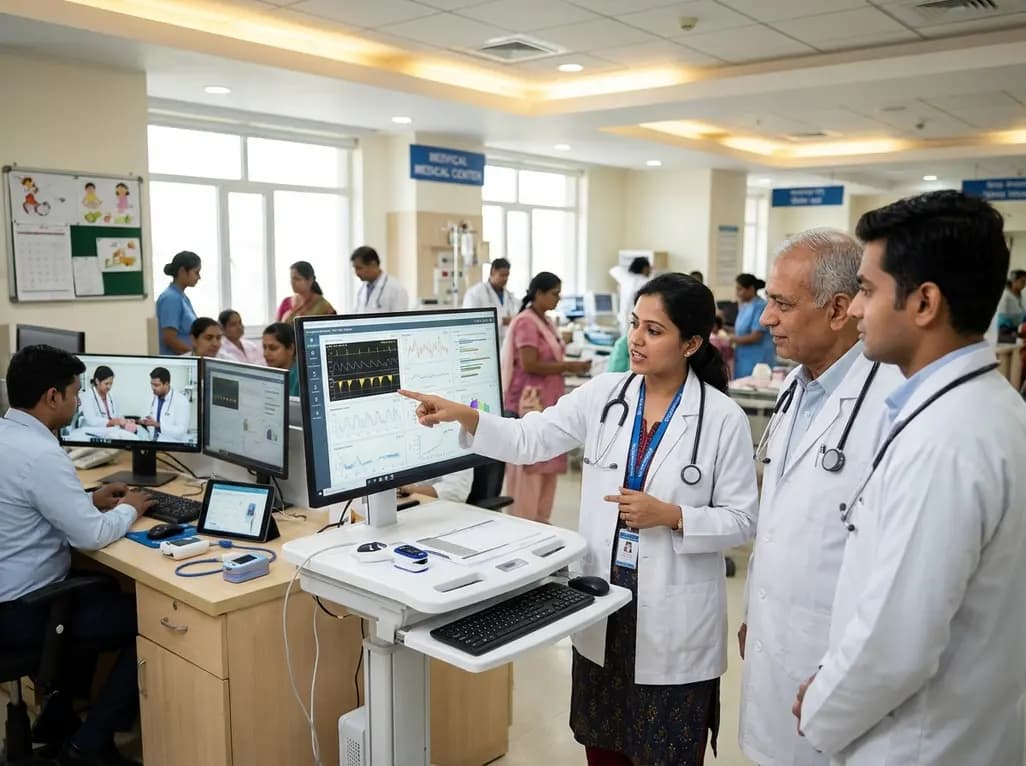
A landmark study details how an enterprise pediatric remote patient management model expanded from a single cardiology pilot to 16 diverse specialty programs by combining centralized digital operations with specialty clinical leadership.
Today

A comparative review of tension band wiring and intramedullary screw fixation in thumb metacarpophalangeal arthrodesis, evaluating union rates, hardware complications, and clinical outcomes.
Yesterday
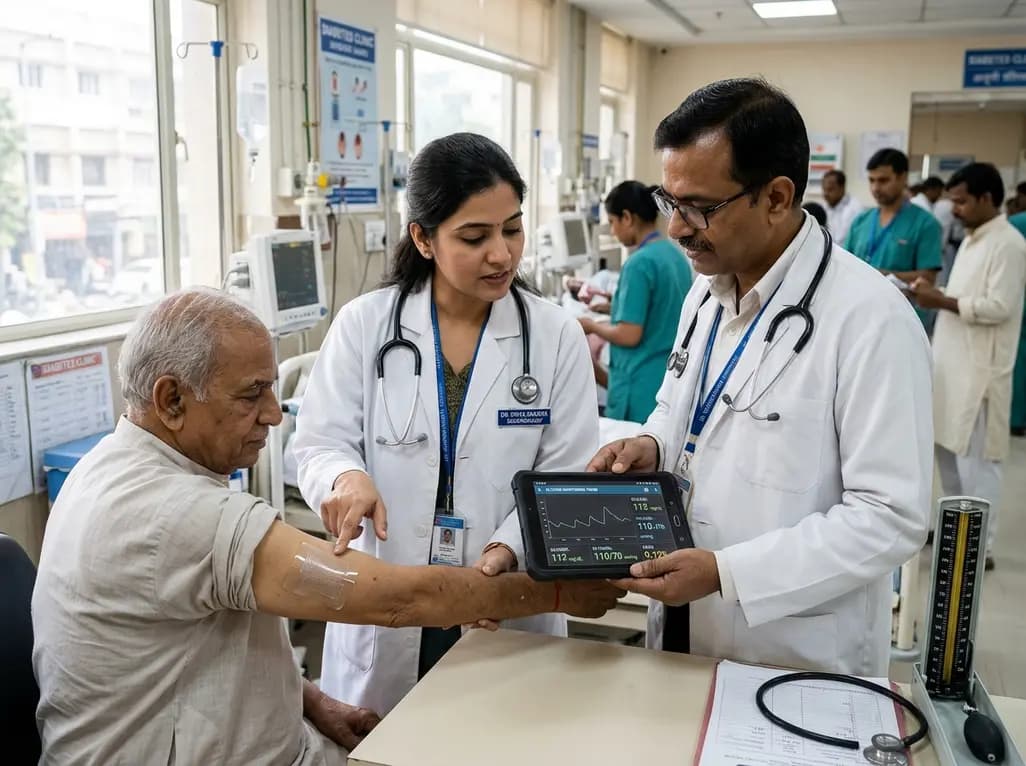
A breakthrough ultrathin multimodal sensor decouples physical hemodynamic monitoring from disposable electrochemical calibration, achieving long-term wearable glucose prediction with 81.36% accuracy and a 9.12% MARD. This offers a robust, drift-free solution for outpatient metabolic surveillance.
Today
