.webp&w=384&q=75)

Loading, please wait...
Loading, please wait...
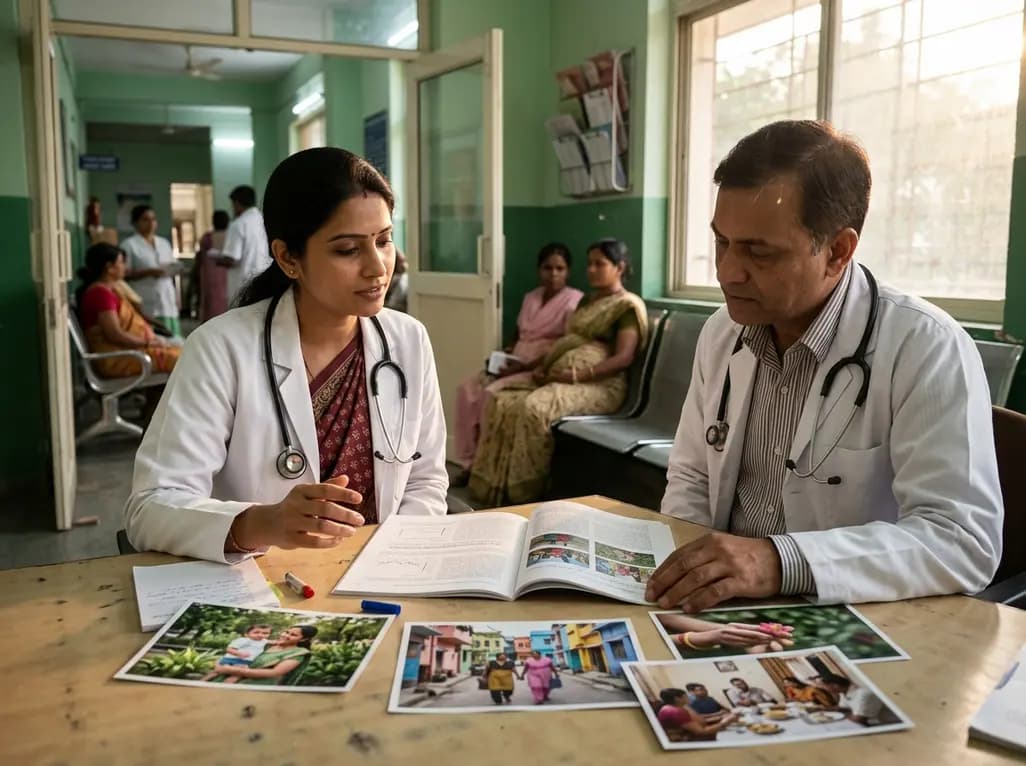
Maternal health research increasingly emphasizes protective factors alongside traditional clinical risk models. Understanding maternal resilience in pregnancy requires examining how women navigate complex urban environments during gestation. Furthermore, pregnant individuals in low-income, immigrant-dense neighborhoods face unique socioeconomic stressors. However, deficit-based research models frequently overlook the inherent strengths within these communities. To address this gap, researchers employed a photovoice methodology in Elmhurst, Queens. Ten pregnant English-speaking participants joined the Community and Household Infant-Maternal Exposures Study. Each participant captured ten to twelve photographs depicting daily resilience within their neighborhood. Subsequently, participants selected five key images for semi-structured follow-up interviews. The research team analyzed interview transcripts using Braun and Clarke’s six-phase thematic analysis framework. Consequently, inductive coding revealed that resilience is deeply rooted in social environments, community resources, and personal mindsets. Photovoice provided a participant-led platform that highlighted community-based assets. Therefore, healthcare providers must recognize these asset-focused perspectives when designing maternal interventions.
The first major theme from the study highlighted nature and outdoor spaces as vital sources of relief. Urban environments often impose high sensory stress and noise on pregnant residents. Consequently, access to local parks and green areas provides crucial mental restoration during pregnancy. Participants repeatedly photographed quiet park benches, green trees, and neighborhood gardens. Specifically, women described these outdoor spaces as calming refuges that significantly reduced daily psychological distress. In addition, spending time outdoors provided a welcome physical respite from cramped residential conditions. These green spaces encouraged gentle physical activity, such as daily walking, which supports cardiovascular health. Moreover, green environments fostered mindfulness and emotional regulation during stressful prenatal periods. Clinicians recognize that maternal anxiety directly affects both maternal and fetal outcomes. Therefore, integrating nature-based relief into lifestyle recommendations offers a practical coping strategy. Urban planners must prioritize accessible green space to promote maternal mental health.
The second key theme emphasized emotional strength derived through family connections during the perinatal period. Pregnant women in low-income immigrant neighborhoods rely heavily on family units for emotional and physical stability. Specifically, participants identified their existing children, spouses, and extended relatives as fundamental sources of resilience. Photographs frequently captured family gatherings, shared meals, and daily interactions with young children. Furthermore, caring for existing children motivated pregnant mothers to maintain optimism despite financial strain. Intergenerational support provided practical help with household chores, childcare, and transport to medical appointments. In addition, deep emotional bonds reduced feelings of social isolation among immigrant women living far from home. Positive family dynamics buffered against antenatal depression and chronic stress. Consequently, social support mechanisms significantly enhanced overall psychological resilience throughout pregnancy. Healthcare providers should assess social support networks during routine prenatal visits. Identifying family strengths helps clinicians better assist pregnant patients effectively.
Community resources emerged as the third primary theme supporting maternal well-being in urban settings. Neighborhood infrastructure plays a central role in mitigating daily stress for low-income pregnant women. Participants actively photographed essential local services, including neighborhood health clinics, public schools, libraries, and affordable grocery stores. Specifically, physical proximity to these vital resources created a sense of security and manageable daily routines. In addition, local clinics offered accessible prenatal care without requiring long travel times. Easy access to fresh produce stores enabled women to maintain proper maternal nutrition during gestation. Furthermore, community centers provided safe social spaces where pregnant women could connect with peers. Convenient transit options also allowed women to reach medical appointments and work efficiently. Consequently, robust neighborhood infrastructure serves as an essential external pillar of maternal resilience. Recognizing local assets helps health systems partner with neighborhood organizations. Collaborative care models bridge clinical medicine and community support effectively.
The final theme focused on emotional well-being and inner psychological strength among pregnant participants. Pregnancy in resource-limited environments requires continuous adaptive strategies and mental reframing. Participants described developing personal coping mechanisms, such as positive self-talk, prayer, and goal-setting. Specifically, women viewed pregnancy as a transformative period that inspired personal growth and perseverance. Photographs in this category often depicted personal quiet spaces, journals, or symbolic objects of hope. Furthermore, participants reframed daily socioeconomic challenges as temporary hurdles rather than insurmountable barriers. This cognitive flexibility fostered emotional stability and protected against feelings of helplessness. In addition, inner emotional resilience directly enhanced maternal self-efficacy and confidence regarding upcoming childbirth. Clinicians should validate these internal coping mechanisms during routine prenatal counseling sessions. Consequently, encouraging positive mental reframing empowers expectant mothers facing difficult life circumstances. Ultimately, promoting psychological well-being alongside physical health optimizes comprehensive maternal care.
Integrating community-based insights into clinical care represents a crucial step for maternal health providers. Traditional clinical models often focus predominantly on pathology, risk factors, and social deficits. However, asset-based approaches leverage existing community strengths to improve maternal health outcomes. Photovoice studies demonstrate that pregnant women actively cultivate resilience through local environments and social ties. Consequently, obstetricians and primary care clinicians should incorporate strengths-based questioning into prenatal intake assessments. Asking patients about their support systems, local green spaces, and personal coping tools fosters trust and rapport. Furthermore, healthcare organizations can collaborate with local community centers to expand psychosocial support networks. In addition, public health policies must protect urban green spaces and affordable neighborhood resources. By validating community strengths, medical providers can deliver culturally responsive, patient-centered prenatal care. Ultimately, supporting maternal resilience in pregnancy strengthens both maternal and infant health trajectories across diverse urban populations.
Photovoice is a qualitative, participatory research methodology where participants take photographs to document their lived daily experiences. In maternal health, photovoice enables pregnant women to highlight local community strengths, environmental barriers, and personal resilience factors. Subsequently, participants discuss selected photographs in semi-structured interviews. This participant-led approach provides clinicians and researchers with authentic, community-rooted insights into maternal well-being that traditional clinical surveys often overlook.
Urban green spaces, such as public parks and neighborhood gardens, provide essential psychological restoration for pregnant women. Visiting outdoor natural spaces significantly reduces stress, lowers anxiety levels, and promotes gentle physical activity like walking. Furthermore, green environments offer a quiet sanctuary from sensory overload in dense urban neighborhoods. Consequently, regular access to nature fosters mental well-being and strengthens emotional resilience throughout the gestational period.
Obstetricians can incorporate asset-based resilience by integrating strengths-based questions into routine prenatal visits. Instead of focusing solely on medical risks, clinicians should ask pregnant patients about their social support systems, local community resources, and stress-relief habits. Furthermore, care teams can connect patients with community centers, green spaces, and peer support groups. Validating a patient's inner strengths empowers expectant mothers and improves overall maternal health outcomes.
Disclaimer: This content is for informational and educational purposes only. It is not intended to be a substitute for professional medical advice, diagnosis, or treatment. Always seek the advice of your physician or other qualified health provider with any questions you may have regarding a medical condition. Refer to the latest local and national guidelines for clinical practice.
References

Read summarized clinical updates, watch expert medical content, and earn CME certifications right from your smartphone.
Open your smartphone camera to scan and install.





A photovoice study in Elmhurst, Queens explores how low-income immigrant pregnant women express maternal resilience through nature, family bonds, community resources, and psychological reframing, providing vital insights for strengths-based prenatal care.
last month
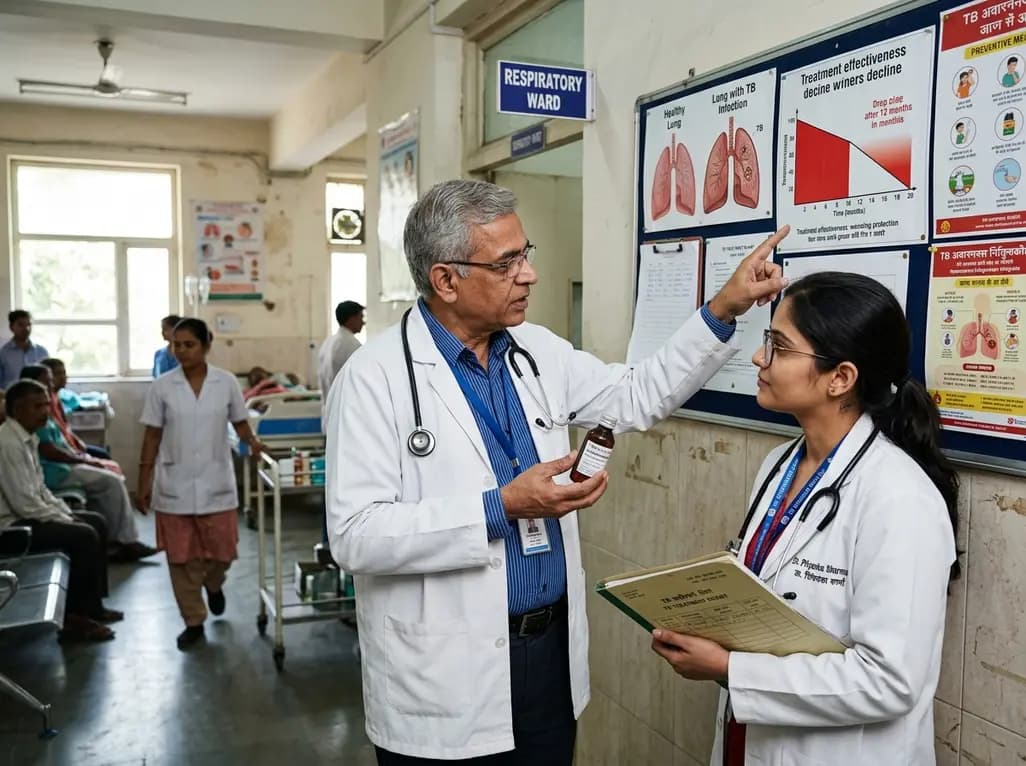
Recent findings in The Lancet Respiratory Medicine reveal that tuberculosis preventive treatment wanes after one year in high-burden settings, unlike the decade-long protection seen in low-burden regions. Clinicians in endemic nations must combine antibiotic chemoprophylaxis with active transmission control.
Today
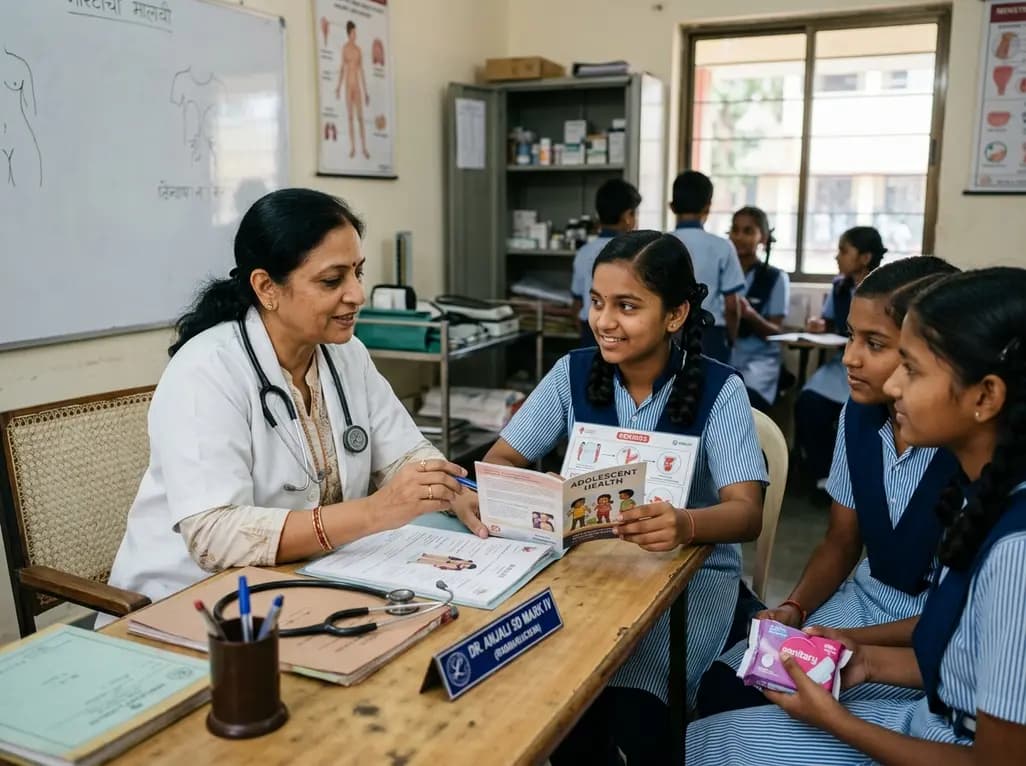
A school-based intervention using the Health Action Process Approach (HAPA) significantly enhanced adolescents' perceived benefits of consulting healthcare providers and promoted proactive menstrual health behaviors, offering key clinical insights for managing adolescent dysmenorrhea and endometriosis.
Today
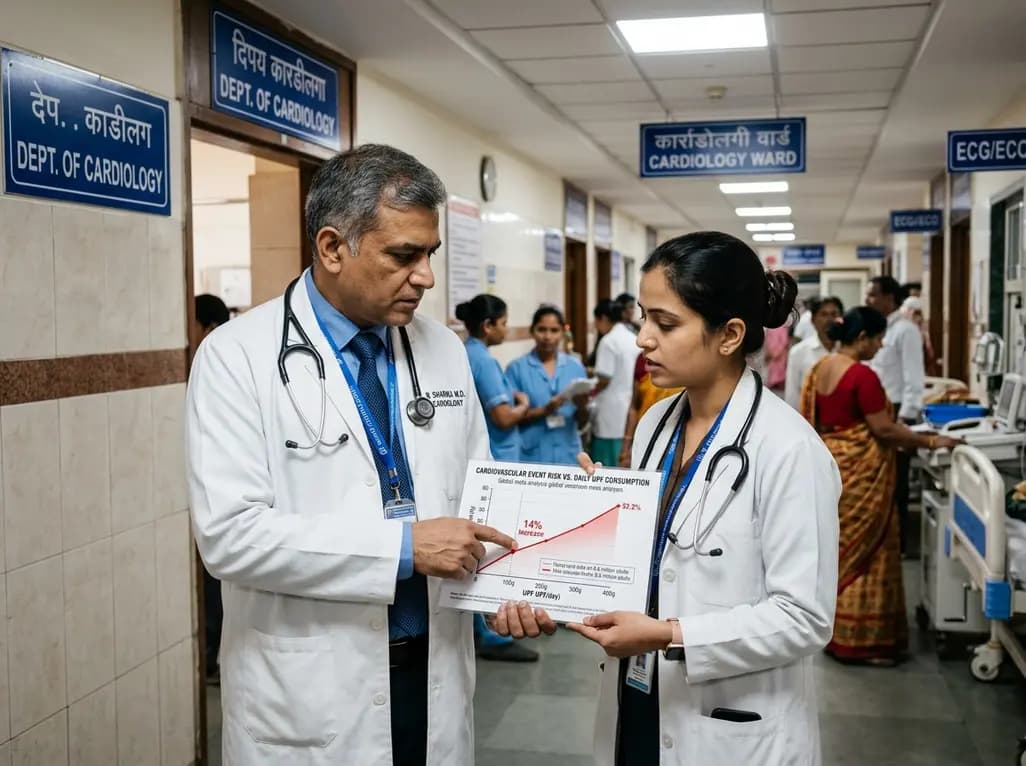
A global dose-response meta-analysis of 8.8 million adults reveals that consuming an extra 100 grams of processed food daily raises cardiovascular event risk by 14%. Explore how industrial additives, systemic inflammation, and metabolic disruption heighten long-term multimorbidity and cardiometabolic risks.
Today
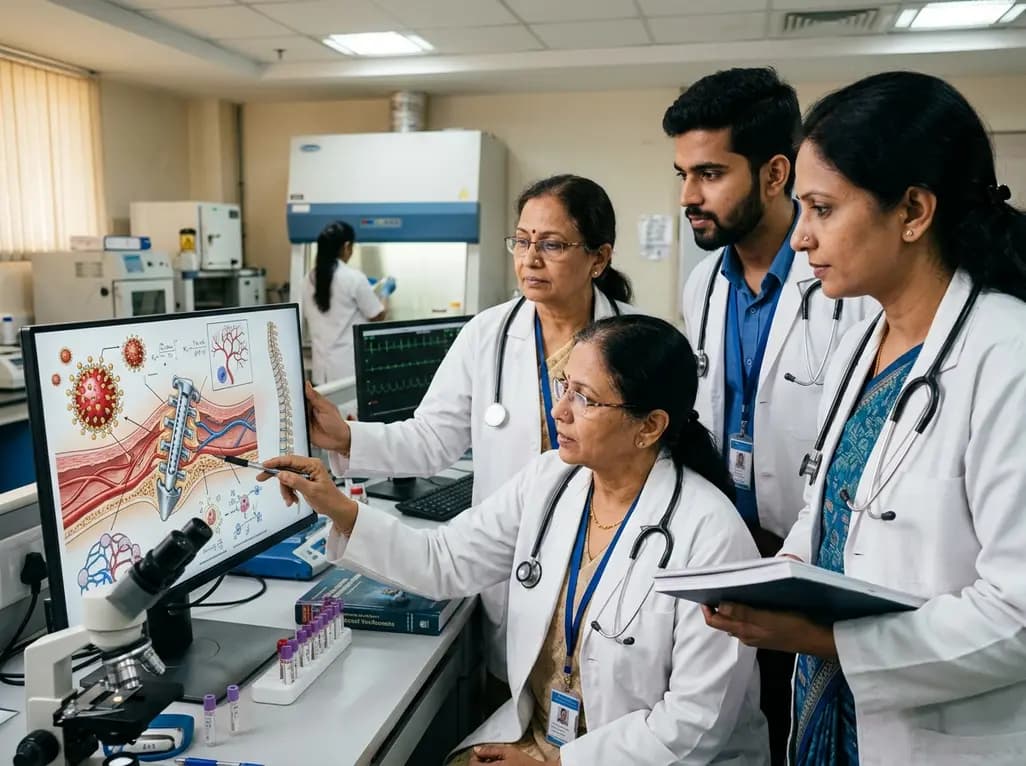
A comprehensive analysis of the Translational Maturity Framework for nanomedicine-device combination products, evaluating regulatory complexity, manufacturing hurdles, and clinical readiness across oncology, cardiology, and orthopedics.
Today
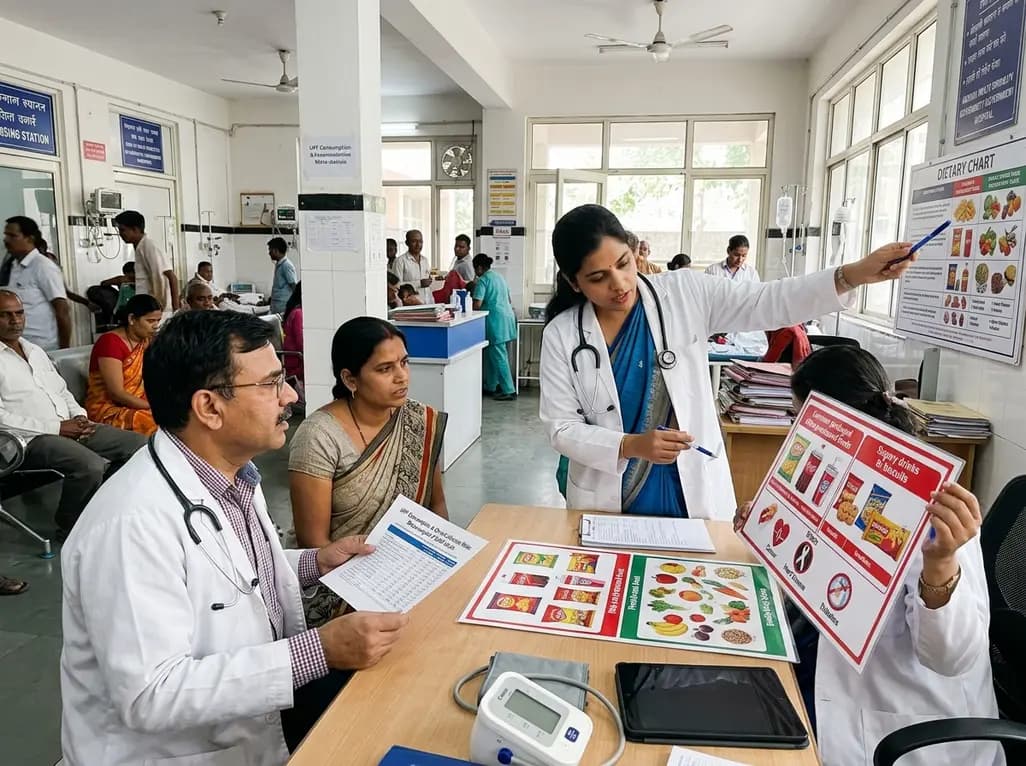
A landmark dose-response meta-analysis of 8.8 million adults reveals that high ultra-processed food intake significantly elevates risks for cardiovascular disease, cancer, diabetes, depression, and all-cause mortality, highlighting urgent needs for clinical lifestyle interventions.
Today
