.webp&w=384&q=75)

Loading, please wait...
Loading, please wait...

Researchers recently sequenced the high-quality genome of a marine cyanobacterium, Capilliphycus salinus ALCB114379. This specific strain, isolated from the south Atlantic Ocean in Brazil, produces various cyanobacteria secondary metabolites that offer promising applications in oncology and dermatology. The genome spans 7.7 Mb and reveals over 6,000 protein-coding genes. Interestingly, scientists identified gene clusters for nitrogen fixation and the biosynthesis of biotechnologically relevant compounds. These findings suggest that marine microorganisms remain an untapped reservoir for novel therapeutic agents.
The metabolic profile of C. salinus includes microcyclamide, a known cytotoxic cyanopeptide. Therefore, researchers believe this compound could serve as a lead molecule in developing targeted cancer therapies. Additionally, the strain produces mycosporine-like amino acids (MAAs), which function as natural sunscreens. Consequently, the high production of shinorine, palythine, and porphyra-334 makes this organism a prime candidate for pharmaceutical-grade photoprotective agents. Furthermore, these MAAs provide significant antioxidant benefits that could address oxidative stress in various skin conditions.
Modern medicine continuously searches for sustainable sources of bioactive molecules. Because C. salinus can fix nitrogen and produce complex peptides, it offers a versatile platform for metabolic engineering. Moreover, the study utilized advanced HPLC-MS/MS analysis to confirm the presence of these valuable metabolites. This genetic insight allows scientists to better understand microbial diversity. Ultimately, the discovery paves the way for new drug discovery pipelines targeting oncology and restorative dermatology.
Mycosporine-like amino acids (MAAs) serve as natural photoprotective and antioxidant agents. They are highly effective at absorbing UV radiation and preventing DNA damage in skin cells, making them ideal for natural sunscreens and anti-aging dermatological products.
Yes, microcyclamide is a cytotoxic cyanopeptide. Research indicates that such compounds can selectively inhibit tumor cell growth, providing a potential scaffold for developing new chemotherapeutic agents in the field of oncology.
This genome is significant because it highlights the metabolic versatility of marine cyanobacteria. It contains specific gene clusters for nitrogen fixation and the synthesis of bioactive metabolites that have immediate relevance to pharmacy and clinical medicine.
Disclaimer: This content is for informational and educational purposes only. It is not intended to provide any medical advice or be used as a substitute for professional medical advice, diagnosis, or treatment. Always seek the advice of your physician or another qualified health provider with any questions you may have regarding a medical condition. Refer to the latest local and national guidelines for clinical practice.
References
Passos GS et al. Genomic and secondary metabolites of the marine cyanobacterium Capilliphycus salinus ALCB114379. J Phycol. 2026 May 09. doi: 10.1111/jpy.70174. PMID: 42104842.
Singh SP et al. Mycosporine-like amino acids (MAAs): Nature's UV shield for biotechnology and skincare. Molecules. 2021 Apr 27. doi: 10.3390/molecules26092502.
Mondari SS et al. Cyanobacterial Peptides in Anticancer Therapy: A Comprehensive Review. Toxins. 2025 May 29. doi: 10.3390/toxins17060285.
"
Read summarized clinical updates, watch expert medical content, and earn CME certifications right from your smartphone.
Open your smartphone camera to scan and install.





Genomic analysis of Capilliphycus salinus reveals bioactive metabolites like MAAs and cytotoxic peptides with high potential for medical and biotech use....
5 months ago
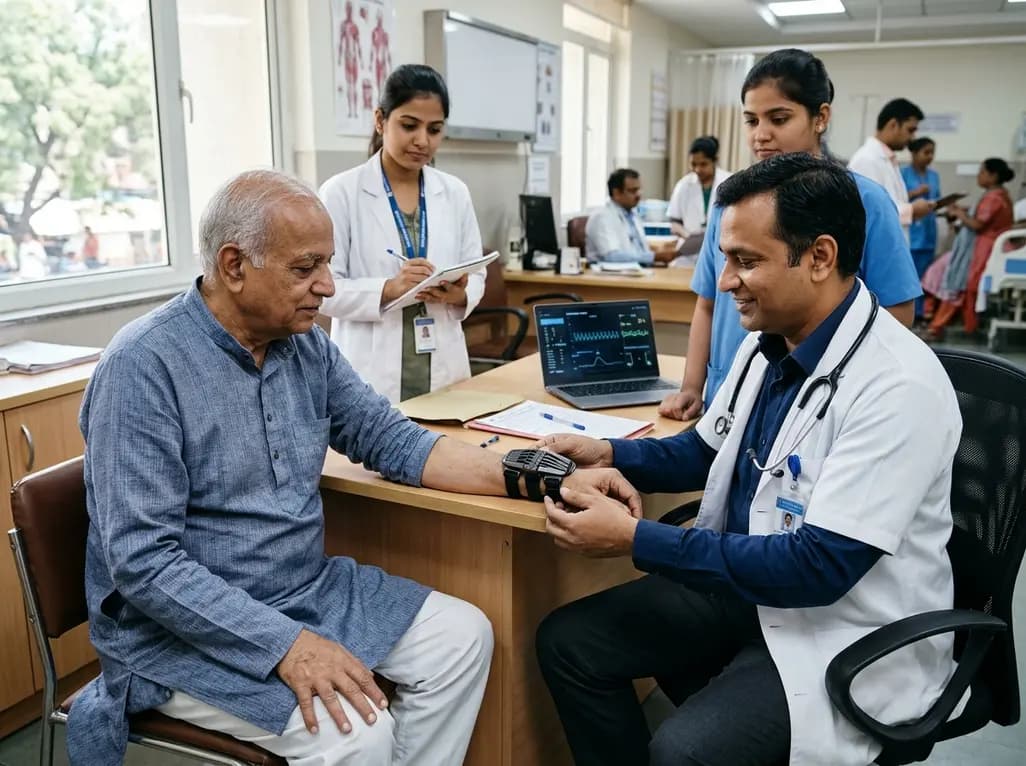
The TREM-AB open-label pilot study evaluated a wearable passive nonlinear vibration absorber for essential tremor. The Nonlinear Energy Sink bracelet reduced clinical Fahn-Tolosa-Marin tremor scores by 32.1% and electrophysiological tremor power by 49.2% with no adverse effects reported.
Today

A study in JAMIA Open shows lightweight open-source reasoning LLMs achieve up to 95% sensitivity and accelerate evidence synthesis screening by nearly twentyfold, presenting a cost-effective, scalable AI solution for biomedical research and systematic reviews.
Today
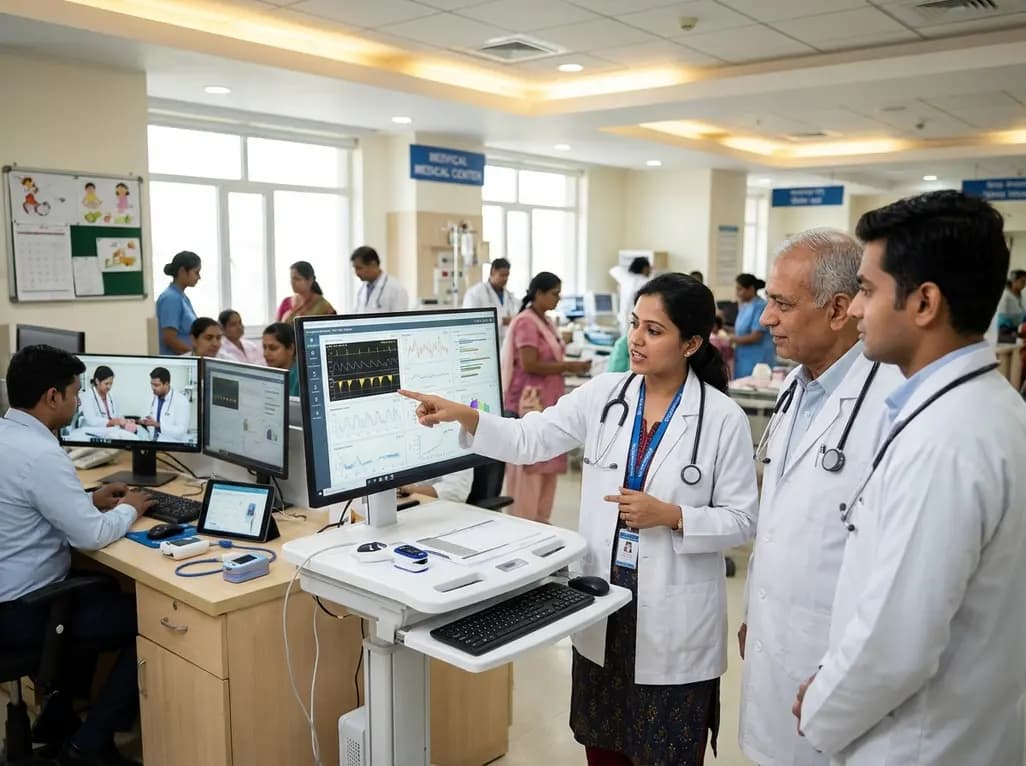
A landmark study details how an enterprise pediatric remote patient management model expanded from a single cardiology pilot to 16 diverse specialty programs by combining centralized digital operations with specialty clinical leadership.
Today

A comparative review of tension band wiring and intramedullary screw fixation in thumb metacarpophalangeal arthrodesis, evaluating union rates, hardware complications, and clinical outcomes.
Today

A breakthrough ultrathin multimodal sensor decouples physical hemodynamic monitoring from disposable electrochemical calibration, achieving long-term wearable glucose prediction with 81.36% accuracy and a 9.12% MARD. This offers a robust, drift-free solution for outpatient metabolic surveillance.
Today
