.webp&w=384&q=75)

Loading, please wait...
Loading, please wait...

The Maharashtra government recently signed a memorandum of understanding (MoU) with AIIMS Nagpur to improve regional healthcare. This partnership focuses primarily on enhancing childhood NCD management across the state. Consequently, the collaboration aims to strengthen both the prevention and treatment of non-communicable diseases in children and adolescents.
This new initiative specifically targets six priority health conditions. These include type 1 diabetes, asthma, obesity, mental health conditions, congenital heart disease, and sickle cell disease. Furthermore, the government plans to develop evidence-based standard operating protocols (SOPs) for these conditions. As a result, healthcare providers will have clearer guidelines for clinical practice. These standardized protocols ensure that children receive uniform and high-quality medical care across the region.
Additionally, the plan includes establishing paediatric NCD clinics in 10 district hospitals. These clinics will significantly improve access to specialized care for rural populations. Meanwhile, the project will also focus on capacity building for public health workers. Therefore, community-level screening and referral systems will become more robust and effective. Early detection remains a vital component in managing chronic pediatric conditions successfully.
AIIMS Nagpur will serve as a technical centre of excellence for this project. Simultaneously, UNICEF will provide strategic support by convening partners and co-developing health solutions. This collaborative effort ensures that the initiative can scale effectively within existing government systems. Moreover, the focus remains on building sustainable healthcare infrastructure. This partnership represents a holistic approach to tackling the rising burden of chronic diseases in the younger population.
Q1: Which diseases does the Maharashtra childhood NCD initiative cover?
The initiative prioritizes six specific conditions: type 1 diabetes, asthma, obesity, mental health conditions, congenital heart disease, and sickle cell disease.
Q2: What is the role of AIIMS Nagpur in this MoU?
AIIMS Nagpur acts as the technical centre of excellence, leading the development of standard operating protocols and providing expert guidance for clinical implementation.
Q3: How will the initiative improve local healthcare access?
The government will establish specialized paediatric NCD clinics in 10 district hospitals and strengthen community-level screening and referral systems.
Disclaimer: This content is for informational and educational purposes only. It does not constitute medical advice or replace professional judgment. Refer to the latest local and national guidelines for clinical practice.
References

Read summarized clinical updates, watch expert medical content, and earn CME certifications right from your smartphone.
Open your smartphone camera to scan and install.





Maharashtra signs MoU with AIIMS Nagpur and UNICEF to improve childhood NCD management through specialized clinics and SOPs for six priority health conditio...
6 months ago
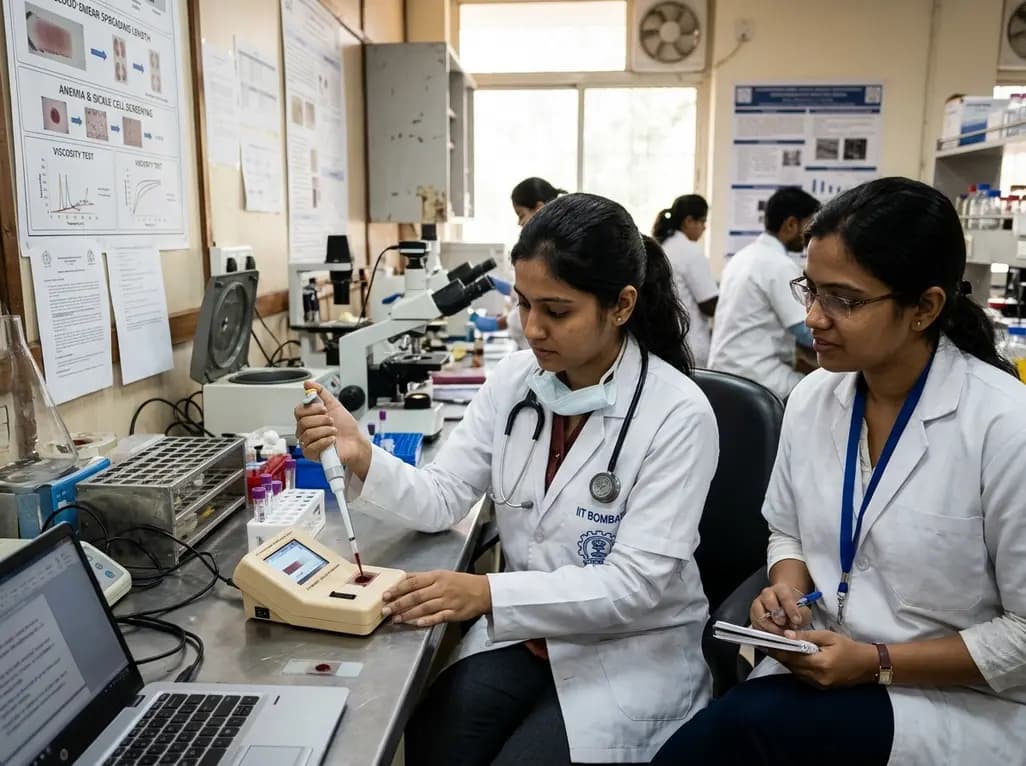
Researchers at IIT Bombay have engineered an automated, cost-effective point-of-care device that diagnoses anaemia and sickle cell disease from a single drop of blood. By measuring blood smear spreading length, this portable tool assesses blood viscosity to offer rapid screening in resource-limited healthcare centers.
Today
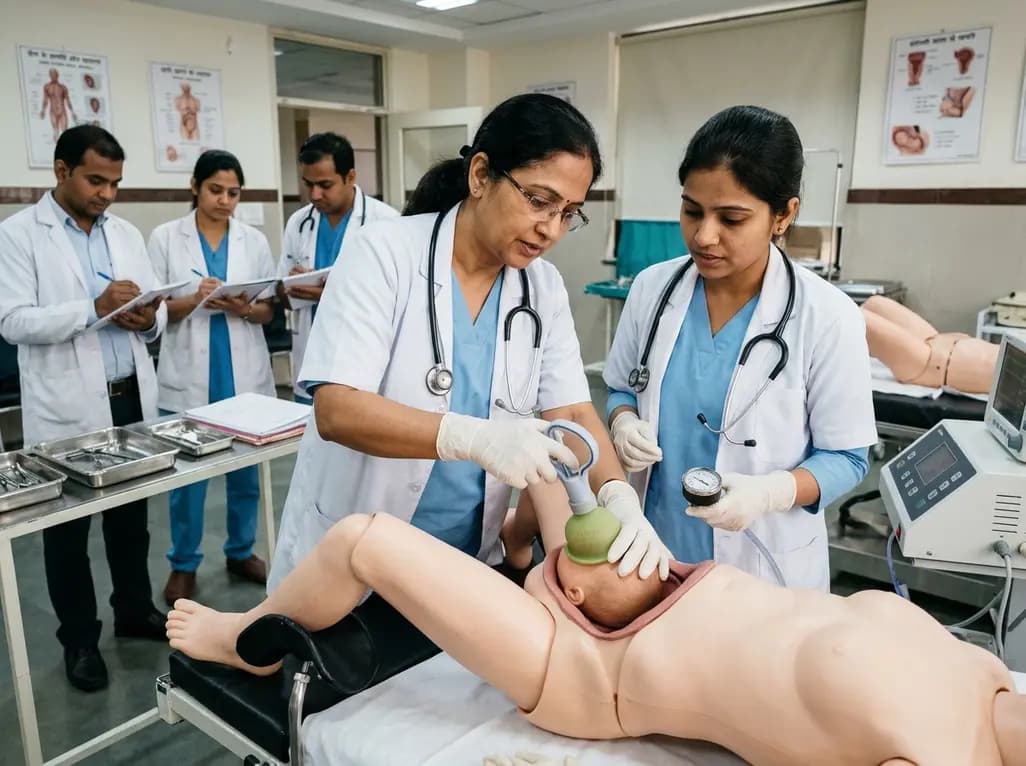
A multicenter study evaluates whether standardized simulation training reduces cup detachment during vacuum-assisted vaginal birth. Evidence-based simulation equips obstetricians to improve cup placement, reduce maternal-fetal trauma, and optimize clinical decision-making during operative deliveries.
Today
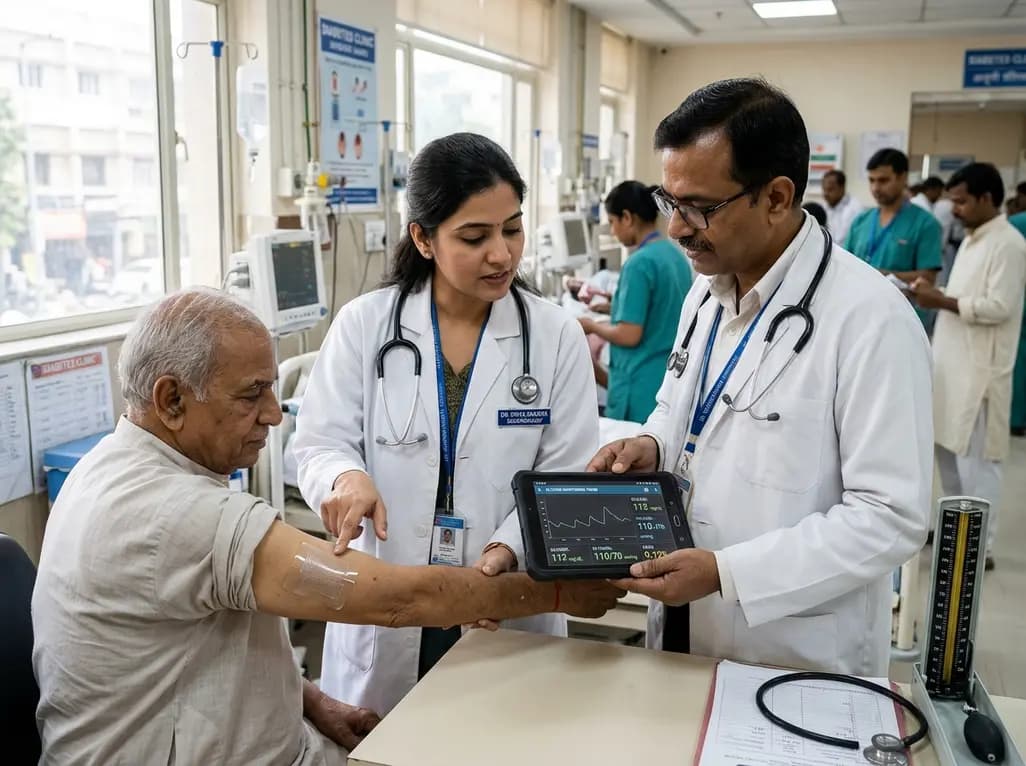
A breakthrough ultrathin multimodal sensor decouples physical hemodynamic monitoring from disposable electrochemical calibration, achieving long-term wearable glucose prediction with 81.36% accuracy and a 9.12% MARD. This offers a robust, drift-free solution for outpatient metabolic surveillance.
Today
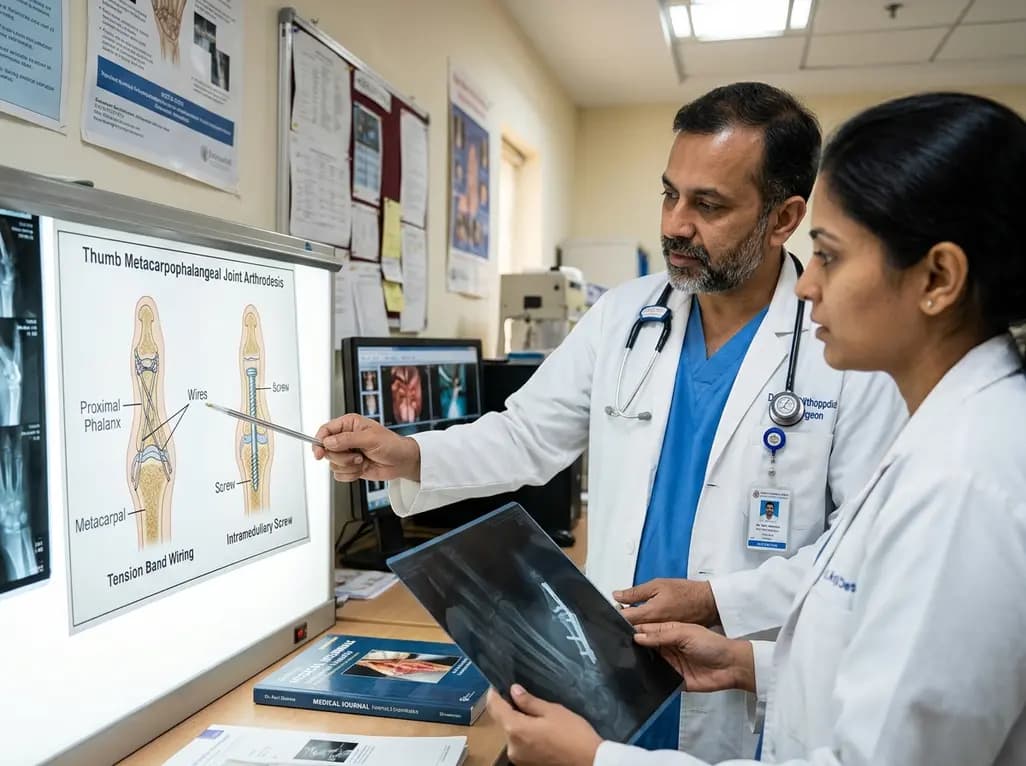
A comparative review of tension band wiring and intramedullary screw fixation in thumb metacarpophalangeal arthrodesis, evaluating union rates, hardware complications, and clinical outcomes.
Today

Following regulatory scrutiny from FSSAI regarding promotional representations and lean muscle preservation claims, Dr. Reddy's Laboratories and Nestlé Health Science are currently reviewing the branding and marketing strategy for their joint nutritional supplement Celevida GLP+.
Today
