.webp&w=384&q=75)

Loading, please wait...
Loading, please wait...
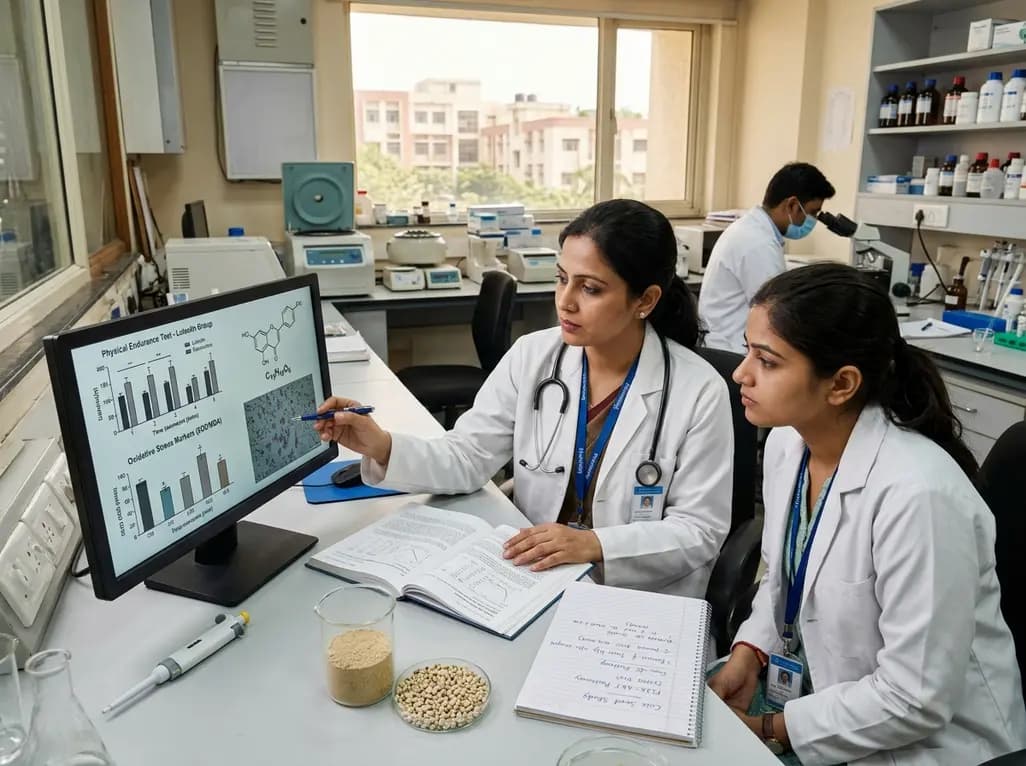
Physical exhaustion and exercise-induced muscle fatigue represent significant clinical and lifestyle challenges affecting physical performance, recovery, and overall metabolic health. Recent pharmacological investigations have increasingly focused on identifying natural bioactive phytoconstituents capable of mitigating metabolic exhaustion. In this context, researchers have extensively examined luteolin anti-fatigue effects derived from purified coix seed seedling flavonoids. Their findings highlight how targeted botanical polyphenols enhance cellular bioenergetics, attenuate exercise-induced oxidative injury, and regulate host gut microbial homeostasis.
Coix seed seedlings have long been recognized in traditional dietary systems for their tonic and restorative properties. However, the precise bioactive components responsible for these physical benefits previously remained poorly defined. To resolve this question, researchers developed a standardized secondary-purified flavonoid extract derived from coix seed seedlings, achieving a total flavonoid purity of 75.05 ± 0.11 percent. Consequently, this high-purity formulation enabled precise analytical characterization of individual phytoconstituents.
Using liquid chromatography-tandem mass spectrometry combined with network pharmacology and molecular docking, investigators screened the complex phytochemical mixture. They identified four major candidate bioactive compounds within the extract: luteolin, 4-coumaric acid, caffeic acid, and isoferulic acid. Importantly, luteolin demonstrated the most robust docking scores and the highest thermodynamic binding affinity toward core regulatory proteins. Thus, luteolin emerged as the primary functional candidate driving the therapeutic properties of the purified extract.
To understand how these natural compounds combat physical exhaustion, researchers explored the downstream signaling pathways governing cellular survival and metabolic adaptation. Network pharmacology analyses revealed that the primary molecular targets of luteolin converge directly on the phosphatidylinositol 3-kinase and protein kinase B (PI3K-AKT) signaling axis. Moreover, subsequent downstream cascades involve the mechanistic target of rapamycin (mTOR) pathway, which coordinates protein translation, mitochondrial biogenesis, and cellular resilience.
Experimental validations confirmed that luteolin acts as a potent agonist of this critical pathway. By activating PI3K-AKT/mTOR signaling, luteolin enhances cellular defensive networks against external stressors. In addition, this pathway activation stimulates downstream anabolic processes that preserve structural integrity within exhausted muscle tissues. Therefore, the compound coordinates systemic metabolic resilience, effectively buffering cells against the catabolic strain and metabolic derangements commonly induced by prolonged physical exertion.
Intense physical exertion inevitably accelerates reactive oxygen species production, overwhelming endogenous antioxidant defenses and damaging skeletal muscle membranes. To evaluate direct cytoprotective efficacy, researchers subjected C2C12 skeletal myoblasts to hydrogen-peroxide-induced oxidative damage in vitro. Without protective interventions, oxidative exposure rapidly compromised cell membrane integrity, degraded intracellular proteins, and triggered severe apoptotic cascades.
Remarkably, pretreatment with luteolin significantly alleviated oxidative cytotoxicity, preserved cell viability, and restored baseline myoblast morphology. Furthermore, luteolin administration substantially restored adenosine triphosphatase (ATPase) enzyme activity within damaged muscle cells. Because ATPases are indispensable for maintaining transmembrane ionic gradients and fueling contractile machinery, their functional preservation prevents muscular failure. Consequently, these in vitro observations provide robust mechanistic evidence that luteolin protects myocytes against oxidative exhaustion by sustaining energetic enzyme kinetics.
Building upon in vitro successes, researchers evaluated the functional efficacy of luteolin in murine exercise models. Animals subjected to exhaustive physical protocols demonstrated profound drops in endurance, marked by acute metabolic acidosis and structural tissue breakdown. However, oral supplementation with luteolin markedly extended time to exhaustion and enhanced overall running capacity.
This physical enhancement corresponded directly with improved systemic energy metabolism and reduced biochemical markers of muscle trauma. Specifically, luteolin preserved hepatic and muscle glycogen stores while reducing serum lactate accumulation and blood urea nitrogen concentrations. Additionally, the activation of the PI3K-AKT/mTOR axis promoted efficient mitochondrial respiration, ensuring steady adenosine triphosphate generation during sustained workload. Thus, luteolin effectively mitigates acute exercise-induced injury by reinforcing endogenous energy pathways.
Beyond direct muscular actions, intense physical stress frequently disrupts the gastrointestinal barrier and destabilizes normal intestinal microbial ecology. Such dysbiosis increases circulating endotoxins, which exacerbates systemic inflammation and delays physical recovery. Notably, the in vivo trial revealed that exhaustive exercise severely perturbed the baseline gut microbiome architecture in control animals.
Luteolin administration effectively reversed this exercise-induced microbial imbalance. Specifically, it fostered the proliferation of beneficial commensal bacteria while suppressing opportunistic inflammatory taxa. Furthermore, this microbial remodeling improved gut barrier integrity and reduced systemic inflammatory signaling. Consequently, these results highlight the vital contribution of the gut-muscle axis in physical recovery, demonstrating that luteolin exerts dual benefits by protecting peripheral muscle tissues and restoring gastrointestinal homeostasis simultaneously.
The identification of luteolin as the principal active agent in coix seed seedlings holds promising implications for translational sports nutrition and functional medicine. Clinicians and dietitians frequently encounter athletes and patients suffering from chronic physical fatigue, oxidative burnout, or sluggish post-exercise recovery. Natural polyphenols with proven dual-action mechanisms offer compelling integrative therapeutic avenues.
Because luteolin concurrently enhances enzymatic energy production, curbs reactive oxygen species, and optimizes the gut microbiome, it represents an attractive candidate for functional nutraceutical formulations. Moreover, its multi-target safety profile makes it suitable for complementary dietary strategies aimed at improving metabolic endurance. Future clinical trials should focus on optimizing bioavailable delivery formats and verifying human dosing regimens to fully translate these preclinical discoveries into sports practice.
Luteolin is a natural bioactive flavonoid polyphenol present in numerous botanical species, including coix seed seedlings, celery, parsley, chamomile, and green peppers. It possesses potent antioxidant, anti-inflammatory, and metabolic regulatory properties that protect cellular structures from oxidative injury.
Luteolin mitigates physical fatigue primarily by activating the PI3K-AKT/mTOR signaling pathway, which enhances cellular energy metabolism and maintains ATPase enzyme activity. Additionally, it protects skeletal muscle cells from oxidative damage, reduces blood lactate accumulation, and restores beneficial gut microbiota.
Exhaustive physical exertion often triggers gut dysbiosis and compromises mucosal barrier function, leading to systemic inflammation and prolonged muscular soreness. By restoring healthy microbial balance, luteolin strengthens intestinal integrity, lowers inflammatory cascades, and accelerates post-exercise systemic recovery.
Disclaimer: This content is for informational and educational purposes only and does not constitute medical advice. Consult qualified healthcare professionals for medical diagnosis, treatment, or individualized nutritional plans. Refer to the latest local and national guidelines for clinical practice.
References
1. Qiao Z et al. Luteolin as a major anti-fatigue compound in coix seed seedling flavonoids: oxidative stress alleviation and intestinal microbiota modulation. Food Funct. 2026 Sep 01. doi: 10.1039/d6fo01842d. PMID: 42676286.
2. Naidoo U. Luteolin as a dietary flavonoid for brain and metabolic health: modulating neuroinflammation and oxidative stress. Front Nutr. 2024;11:1309607.
3. Chen X, et al. Effects and Mechanisms of Luteolin, a Plant-Based Flavonoid, in the Prevention of Metabolic and Inflammatory Disorders. Molecules. 2024;29(5):1093.

Read summarized clinical updates, watch expert medical content, and earn CME certifications right from your smartphone.
Open your smartphone camera to scan and install.





A novel study demonstrates that luteolin is the primary anti-fatigue compound in coix seed seedling flavonoids. It enhances physical endurance, mitigates oxidative stress via PI3K-AKT/mTOR activation, and restores healthy intestinal microbiota.
4 weeks back

A bioengineered oral nanozyme microsupplement converts pathological ROS into a protective polydopamine hydrogel shield. By curbing neutrophil extracellular traps and balancing T cells, this platform outperforms standard 5-ASA in preclinical colitis models, opening new paths for sustained remission.
Today

India experiences an exponential rise in robotic-assisted procedures, with Delhi NCR leading system installations and clinical volume. Discover how multidisciplinary surgical adoption, remote telesurgery breakthroughs, and standardized international consensus guidelines are shaping surgical care nationwide.
Today
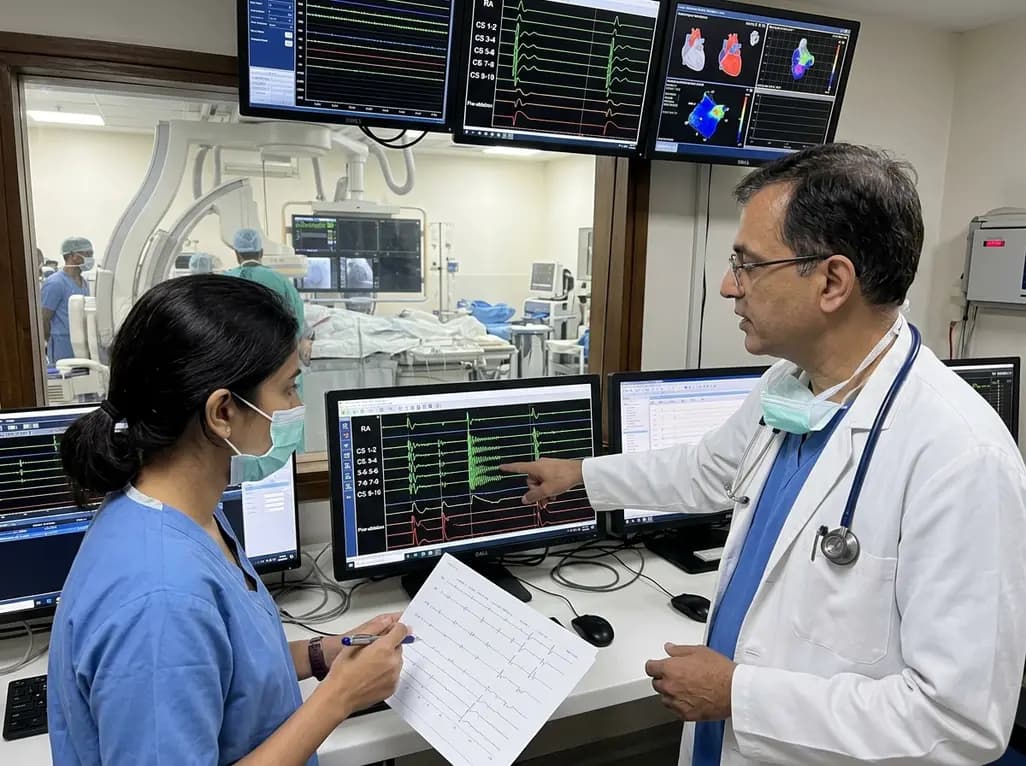
Radiofrequency catheter ablation of the cavotricuspid isthmus successfully terminates typical atrial flutter. This article reviews the mechanisms driving coronary sinus electrogram changes, wavefront activation pathways, and clinical criteria to verify bidirectional block during electrophysiology studies.
Today
A study comparing four knee flexion strength tests after ACL reconstruction using hamstring tendon autografts reveals marked variability in limb symmetry indices. Clinicians must recognize that different strength testing modalities yield divergent return-to-sport clearance rates.
Today
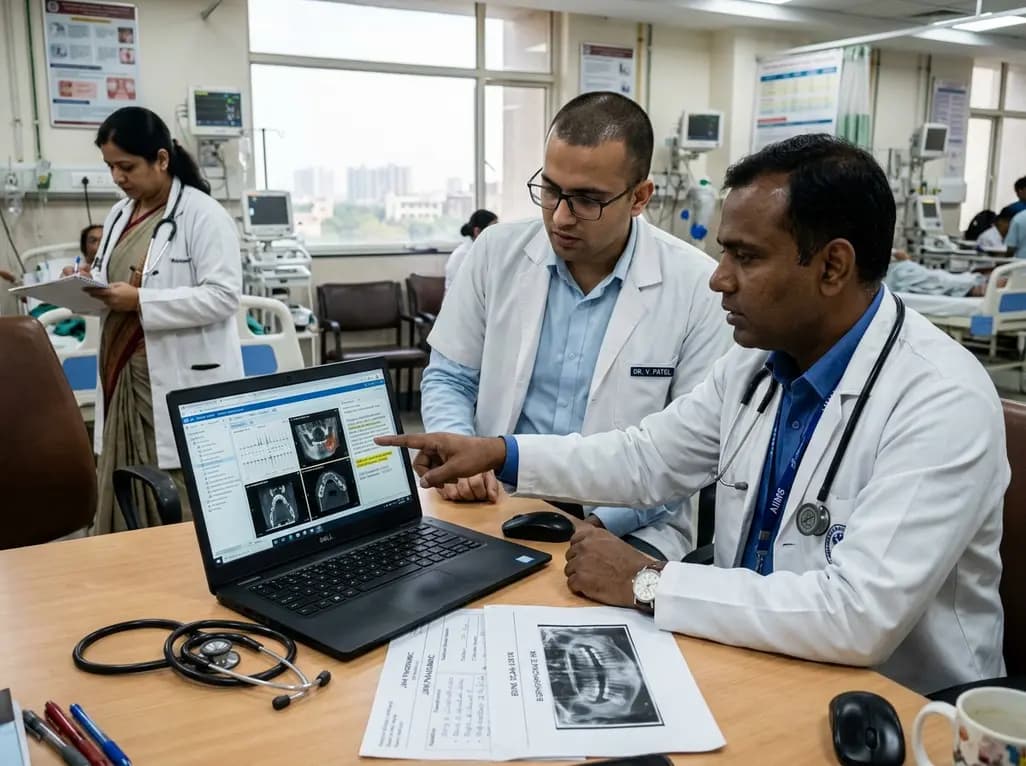
A breakthrough study leverages natural language processing to accurately identify incident medication-related osteonecrosis of the jaw and track antiresorptive drug holidays from clinical narratives in electronic health records, advancing osteoporosis pharmacovigilance and dental safety.
Yesterday
