

Loading, please wait...
Loading, please wait...

During large-scale socioeconomic and public health emergencies, assessing family vulnerability patterns provides essential insight into household resilience and psychological outcomes. The COVID-19 pandemic subjected millions of domestic environments to unprecedented structural strain, yet families responded with notable heterogeneity. Clinicians often observe that baseline social safety nets, preexisting psychological morbidities, and interpersonal tensions dictate how caregivers endure systemic disruptions. However, traditional psychiatric and pediatric assessments frequently evaluate these risk factors in isolation, potentially obscuring cumulative liabilities. A seminal longitudinal study conducted across Norway evaluated 918 families seeking counseling to understand how prepandemic vulnerabilities predicted parental functioning throughout lockdown measures. By categorizing contextual, interpersonal, and personal dimensions, investigators identified critical archetypes that governed parental adaptation. These findings offer profound implications for primary care clinicians, pediatricians, and family practitioners worldwide. Healthcare professionals must appreciate that adverse environmental shifts do not affect all households equally. Instead, baseline structural deficits severely amplify acute stressors, directly translating into heightened parental exhaustion and chronic psychological distress. Recognizing these intricate dynamics enables physicians to deliver targeted early interventions before severe family dysfunction solidifies.
To unpack these complex dynamics, investigators utilized latent class analysis across sixteen distinct indicators measured before the pandemic onset. These parameters systematically captured three foundational arenas: contextual vulnerabilities, interpersonal relationships, and individual personal health. Specifically, contextual variables encompassed severe socioeconomic disadvantage, housing precarity, and employment instability. Interpersonal indicators evaluated interparental conflict, destructive communication styles, and a palpable lack of mutual social support. Finally, personal dimensions evaluated parental psychological distress, including depressive episodes and chronic anxiety manifestations. Importantly, the researchers stratified their statistical modeling based on residential household structures, analyzing cohabiting couples separately from parents maintaining separated residences. This stratification proved pivotal because distinct residential realities fundamentally alter daily parenting demands and support mechanisms. Consequently, latent class modeling yielded three robust, unambiguous risk profiles within both cohorts rather than a continuous, uniform risk gradient. In both cohabiting and separated cohorts, a substantial well-adapted group demonstrated consistently low baseline risks across all sixteen parameters. Conversely, two distinct elevated-risk profiles emerged within each cohort, highlighting that domestic vulnerability manifests through divergent pathways rather than single homogeneous trajectories.
The specific configurations of elevated risk diverged markedly according to domestic living arrangements. Among separated parents, researchers identified a low collaboration group alongside a complex cumulative risk group. The low collaboration cohort experienced significant conflict regarding co-parenting schedules and communication barriers, but they maintained relatively stable personal mental health and adequate material resources. In contrast, the complex risk class endured overlapping, severe adversities spanning chronic financial hardship, pervasive mental health struggles, and intense interparental friction. Furthermore, an entirely different distribution emerged among parents who lived together within the same physical residence. Cohabiting couples segregated into an interpersonal risk class and a contextual risk class. The interpersonal risk cohort exhibited prominent partner discord, frequent verbal hostility, and strained emotional intimacy, yet their socioeconomic resources remained largely intact. Conversely, the contextual risk group faced severe financial deprivations and social isolation despite preserving cordial, supportive romantic interactions. Therefore, structural domestic arrangements fundamentally determine whether interpersonal conflict or economic adversity forms the predominant vulnerability axis. Primary care clinicians must recognize that identical external stressors provoke disparate domestic crises depending on these underlying structural foundations.
When the pandemic introduced school closures, physical confinement, and economic contraction, the consequences varied dramatically across these identified latent profiles. Families classified under the complex risk and contextual risk profiles reported significant surges in parenting stress alongside severe deteriorations in psychological well-being. Material hardship and cumulative adversity severely depleted parental coping reserves, making rapid adaptation nearly impossible during prolonged societal lockdowns. Strikingly, parents assigned to the low collaboration and interpersonal risk groups did not experience universally worse pandemic outcomes compared to well-adapted cohorts. Even though these parents endured chronic interpersonal friction, their preserved financial buffers and targeted coping strategies prevented catastrophic psychological decompensation. This pivotal finding demonstrates that interpersonal tension alone does not inevitably trigger parental breakdown during community crises. Instead, systemic economic deprivation and cumulative, multi-domain vulnerabilities act as the primary catalysts for clinical parental burnout. Consequently, healthcare providers must look beyond manifest relational arguments when assessing domestic vulnerability. Evaluating whether material security and baseline psychiatric conditions are compromised provides far greater prognostic accuracy during times of widespread societal disruption and prolonged family confinement.
For physicians practicing within low- and middle-income nations like India, these longitudinal insights carry profound clinical relevance. Indian urban and rural households frequently encounter acute socioeconomic shocks, crowded multigenerational living spaces, and limited formal social safety nets. During health emergencies, economic lockdowns, or sudden family crises, parental distress directly escalates pediatric behavioral disorders, somatization, and developmental regression. Therefore, pediatricians and family practitioners must integrate rapid psychosocial screening into routine clinical encounters. Rather than focusing solely on somatic complaints or obvious domestic squabbles, clinicians should systematically query parents regarding employment stability, nutritional security, and chronic emotional fatigue. In addition, recognizing family structure remains essential when designing therapeutic plans. Separated or single-parent households require targeted interventions facilitating pragmatic co-parenting communication and community childcare assistance. Conversely, cohabiting couples experiencing severe contextual poverty require active linkages with social welfare schemes, community health workers, and affordable psychological counseling. Ultimately, clinical medicine must expand beyond individual pathology toward comprehensive family-centered models. By addressing multidimensional family vulnerability patterns, healthcare providers can build meaningful domestic resilience, protecting both caregivers and children against future societal shocks.
Latent family vulnerability patterns enable clinicians to categorize domestic risk across multidimensional domains rather than evaluating single isolated stressors. By distinguishing between contextual, interpersonal, and personal vulnerabilities, physicians can accurately identify families at the highest risk for psychological decompensation. This sophisticated profiling ensures that primary care teams direct intensive social, financial, and psychiatric interventions toward households facing cumulative systemic burdens before acute parental burnout triggers broader family crisis.
Contextual adversity, such as socioeconomic deprivation and housing instability, directly compromises essential resources required to weather large-scale societal disruptions. When families lack material security, parents rapidly exhaust their physical and emotional reserves during crises. In contrast, couples facing interpersonal conflict alone often retain financial stability and external resources. Consequently, preserved material assets act as a protective buffer, preventing severe psychological collapse despite ongoing marital and relational friction.
Indian clinicians should incorporate brief, multidimensional psychosocial assessments during routine pediatric and family medicine consultations. Healthcare providers must screen for financial insecurity, parental mood disorders, and domestic support structures alongside standard physical evaluations. Furthermore, collaborating with community health workers and accredited social health activists facilitates timely referrals to governmental assistance programs and community mental health services, ensuring vulnerable caregivers receive holistic socioeconomic and psychological support.
Disclaimer: This content is for informational and educational purposes only... Refer to the latest local and national guidelines for clinical practice.
References
Larsen L et al. Latent classes of family vulnerability and associations with parental functioning during the COVID-19 pandemic. J Fam Psychol. 2026 Nov 05. doi: 10.1037/fam0001542. PMID: 42986339.
Fosco GM, LoBraico EJ, Sloan CJ, Fang S, Feinberg ME. Family vulnerability and disruption during the COVID-19 pandemic: prospective pathways to child maladjustment. Dev Psychopathol. 2022;34(5):1845-1857.
Racine N, Cooke JE, Eirich R, Korczak DJ, McArthur B, Madigan S. Latent classes of adverse and benevolent childhood experiences in a multinational sample of parents and their relation to parent, child, and family functioning during the COVID-19 pandemic. Int J Environ Res Public Health. 2022;19(20):13581.

Read summarized clinical updates, watch expert medical content, and earn CME certifications right from your smartphone.
Open your smartphone camera to scan and install.





A longitudinal study of 918 families reveals that prepandemic family vulnerability patterns and living arrangements significantly modulated parental stress and mental health during COVID-19 disruptions, emphasizing multidimensional risk stratification.
Today
A landmark study reveals structured variation in daily emotional experiences using mobile cardiac monitoring and machine learning. Uncovering a many-to-many mapping between autonomic states and feelings, this research offers key insights for managing psychosomatic and psychiatric conditions in clinical practice.
Today
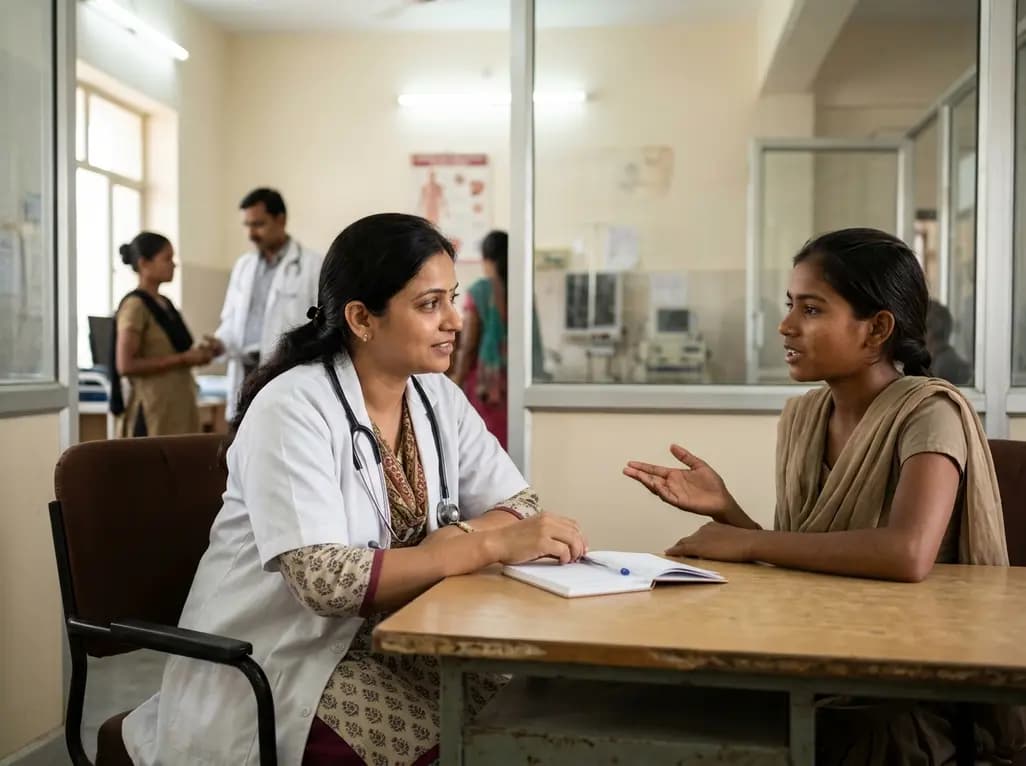
A randomized trial of 272 young women in underserved settings evaluated motivational interviewing versus didactic education. Motivational interviewing effectively reduced unintended pregnancy and risky sexual behavior, while didactic counseling fostered greater condom consistency in Hispanic participants.
Today
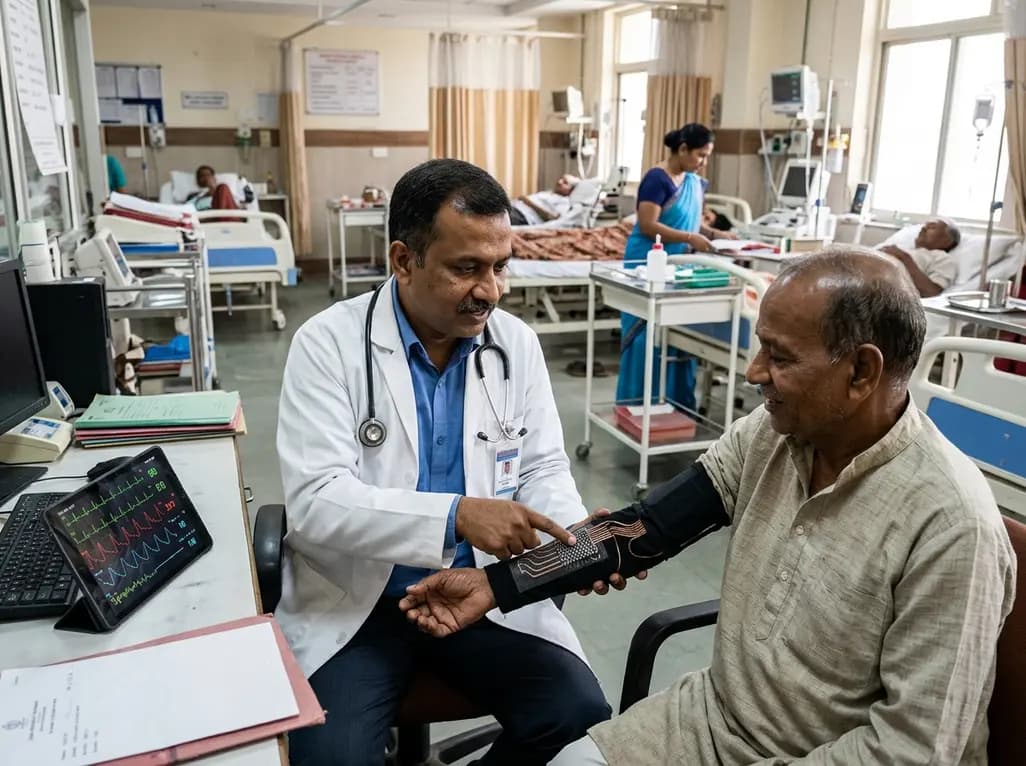
Wearable e-textiles transform cardiovascular monitoring by integrating flexible conductive sensors into everyday clothing. This advance enables continuous, non-invasive assessment of ECG, pulse waves, and hemodynamics, bridging the gap between hospital diagnostics and home healthcare.
Today

Engineered 3D piezoelectric PHBV scaffolds generate electrical charges during mechanical strain, mimicking native muscle electromechanics to promote cellular alignment, myogenic differentiation, and functional tissue repair in severe volumetric muscle loss.
Today
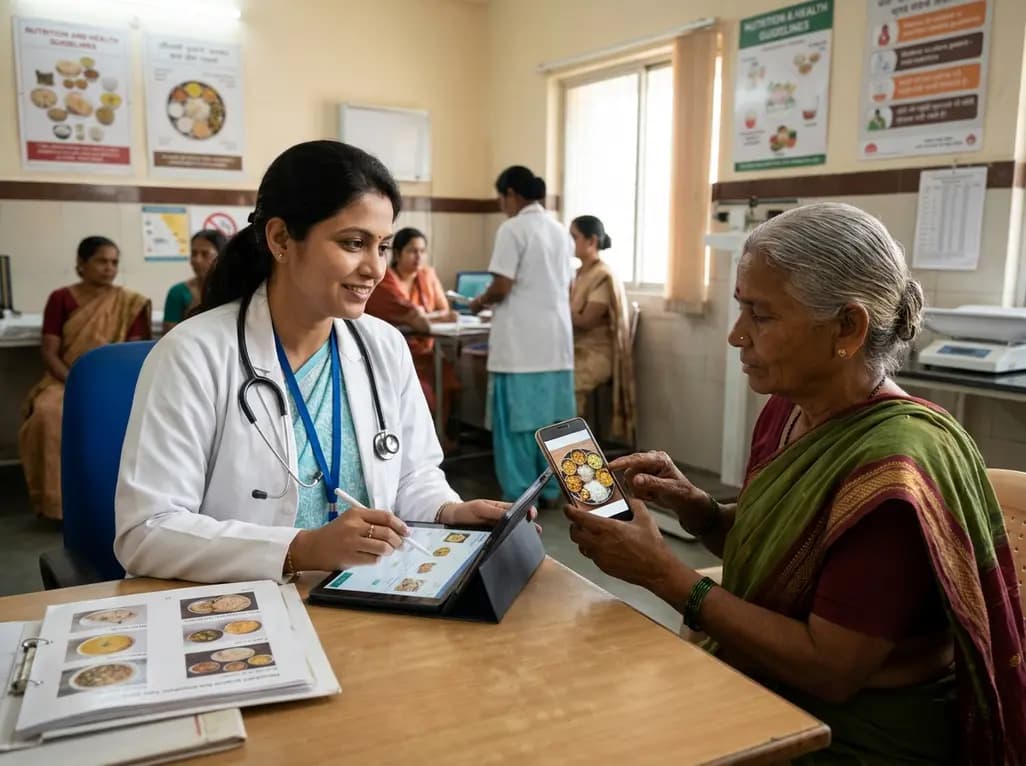
A recent study highlights that pairing photograph-assisted 24-hour recalls with regional food databases significantly boosts dietary assessment accuracy. This methodology reduces cultural bias and strengthens nutrient tracking, offering crucial lessons for clinicians managing nutritional care in diverse populations.
Today
