

Loading, please wait...
Loading, please wait...

Achieving high dietary assessment accuracy remains a foundational prerequisite for effective clinical nutrition and chronic disease prevention. However, clinicians worldwide frequently face substantial challenges when evaluating dietary patterns in non-Western populations. Standard international instruments, such as the United States Department of Agriculture Automated Self-Administered 24-Hour Dietary Assessment Tool, rely heavily on Western food databases. Consequently, these instruments struggle to represent traditional foods, distinct culinary preparations, and ethnic portion sizes with clinical reliability. When standardized software tools overlook regional dishes, nutritional calculations lose clinical precision.
Recently, a cross-sectional study evaluated photograph-assisted twenty-four-hour dietary recalls among Colombian adults to resolve these systematic discrepancies. Researchers compared the automated Western tool against a customized database enriched with native dishes and international units. Furthermore, the investigators gathered weighed food records over two non-consecutive days as the definitive reference standard. They also measured biological nutrient biomarkers in urine and blood. Ultimately, the trial demonstrated that culturally adapted food databases substantially refine intake estimations. This cross-sectional finding provides vital lessons for practitioners managing nutrition in culturally diverse populations across both primary care and specialist clinical settings.
The investigation revealed striking analytical differences between the standard automated system and the customized local database. Interestingly, both analytical approaches exhibited an identical misreporting rate of fifteen percent among the study participants. However, the customized local database demonstrated superior precision across several primary endpoints. Specifically, it displayed much stronger correlation coefficients exceeding 0.90 with weighed food records for both caloric intake and macronutrient distribution.
Additionally, Bland-Altman statistical analyses highlighted notable differences in agreement between the two dietary evaluation methods. The customized database exhibited tight limits of agreement for energy intake, spanning from minus 364 to positive 256 calories. In contrast, the standard automated system generated a broad variation ranging from minus 771 to positive 909 calories. This wide variance underscores the acute clinical uncertainty linked to foreign databases. Furthermore, the local repository captured twenty-eight discrete nutrients compared to only twenty analyzed by the automated tool. Correlation values for micronutrients consistently ranged between 0.86 and 0.96. Consequently, these robust empirical results confirm that local database enrichment dramatically enhances dietary data reliability and analytical consistency.
Portion miscalculation and recall bias represent persistent obstacles during clinical dietary evaluation. Patients frequently omit sporadic snacking episodes, culinary dressings, or secondary side items during standard dietary interviews. Photograph-assisted recall protocols offer an effective countermeasure against these common cognitive oversights. By examining meal photographs with a skilled dietitian during multi-pass interviews, patients reconstruct their true daily intake with heightened fidelity.
Nevertheless, digital visual aids cannot compensate for inherent database deficits. Even if a patient documents meals meticulously, an incomplete reference database forces clinicians to select inadequate nutritional proxies. For instance, substituting a Western commercial item for an ethnic corn flatbread introduces immediate skewing. These substitutions distort estimated profiles of essential fatty acids, sodium, and dietary fiber. Therefore, modern photographic logging must function alongside comprehensive local food composition tables. Without accurate regional nutrient values, advanced imaging cannot rectify fundamental compositional misclassifications. As a result, healthcare systems must actively develop robust indigenous nutritional repositories to support emerging digital health applications.
These international insights hold profound relevance for healthcare professionals across India. Indian cuisine features tremendous regional diversity, complex spice mixtures, and varied grain profiles. When Indian physicians evaluate patients presenting with type 2 diabetes or metabolic cardiovascular disease, relying on foreign nutritional databases creates significant therapeutic errors. For instance, standard Western applications cannot differentiate between unique regional lentils, flatbread formulations, or fermented millet dishes.
Consequently, Indian clinicians should utilize domestic databases such as the Indian Food Composition Tables published by the National Institute of Nutrition. This comprehensive national resource provides precise analytical data on 151 nutritional components across hundreds of domestic foods. Incorporating these verified data points ensures that clinicians calculate carbohydrate loads, dietary fiber, and micronutrient amounts accurately. Furthermore, this precision empowers endocrinologists to optimize medical nutrition therapy and individualize glycemic targets. Thus, anchoring routine clinical evaluations in authentic Indian nutritional composition substantially elevates patient outcomes, glycemic control, and overall metabolic health.
Clinicians and dietitians can deploy several pragmatic strategies to bolster dietary assessment accuracy within outpatient clinics. First, practitioners should encourage patients to take mobile phone photographs of their meals immediately before and after eating. This visual habit establishes an objective record of food choices and leftover portions. Second, dietitians should structure recall interviews around these photographs using multi-pass review techniques. This dialogue helps uncover forgotten cooking oils, snacks, and sweet beverages.
Third, healthcare institutions must integrate domestic food composition tables into electronic health records and diet-planning software. Adopting approved platforms that reflect local culinary customs prevents faulty nutritional categorization. Additionally, medical teams should educate patients using standardized household measures, including regional bowls and spoons. Combining real-time photographic documentation with indigenous food composition tables eliminates guesswork from therapeutic dietary planning. Consequently, practitioners can deliver personalized lifestyle prescriptions that effectively target chronic metabolic conditions.
Regional food databases incorporate native ingredients, traditional culinary recipes, and authentic cooking practices that international systems consistently omit. Consequently, clinicians obtain highly precise nutrient calculations rather than relying on flawed foreign approximations. Furthermore, localized databases capture unique regional portion metrics and ethnic preparation techniques. Therefore, integrating indigenous food data directly eliminates systematic nutritional discrepancies. As a result, healthcare professionals can devise tailored medical nutrition therapies that reliably target true metabolic deficiencies.
Photograph assistance significantly mitigates patient recall bias by providing objective visual records of consumed foods. Patients frequently forget sporadic snacking episodes, condiment additions, and specific side dishes during standard consultations. However, real-time photographic documentation presents concrete evidence of actual dietary intake. Dietitians can therefore accurately evaluate complex recipe compositions and realistic portion dimensions during multi-pass recall interviews. Consequently, this visual aid minimizes substantial portion misestimation and strengthens therapeutic dietary compliance.
India exhibits remarkable regional diversity in dietary habits, culinary traditions, and staple grain consumption. Therefore, standard Western nutritional reference tables fail to reflect local Indian preparations such as regional millets, dals, and spiced curries. Utilizing indigenous databases like the Indian Food Composition Tables empowers Indian physicians to accurately calculate carbohydrate loads and micronutrient profiles. Consequently, practitioners can optimize glycemic control in diabetic patients and deliver culturally sensitive nutritional interventions.
Disclaimer: This content is for informational and educational purposes only... Refer to the latest local and national guidelines for clinical practice.
References

Read summarized clinical updates, watch expert medical content, and earn CME certifications right from your smartphone.
Open your smartphone camera to scan and install.





A recent study highlights that pairing photograph-assisted 24-hour recalls with regional food databases significantly boosts dietary assessment accuracy. This methodology reduces cultural bias and strengthens nutrient tracking, offering crucial lessons for clinicians managing nutritional care in diverse populations.
Today
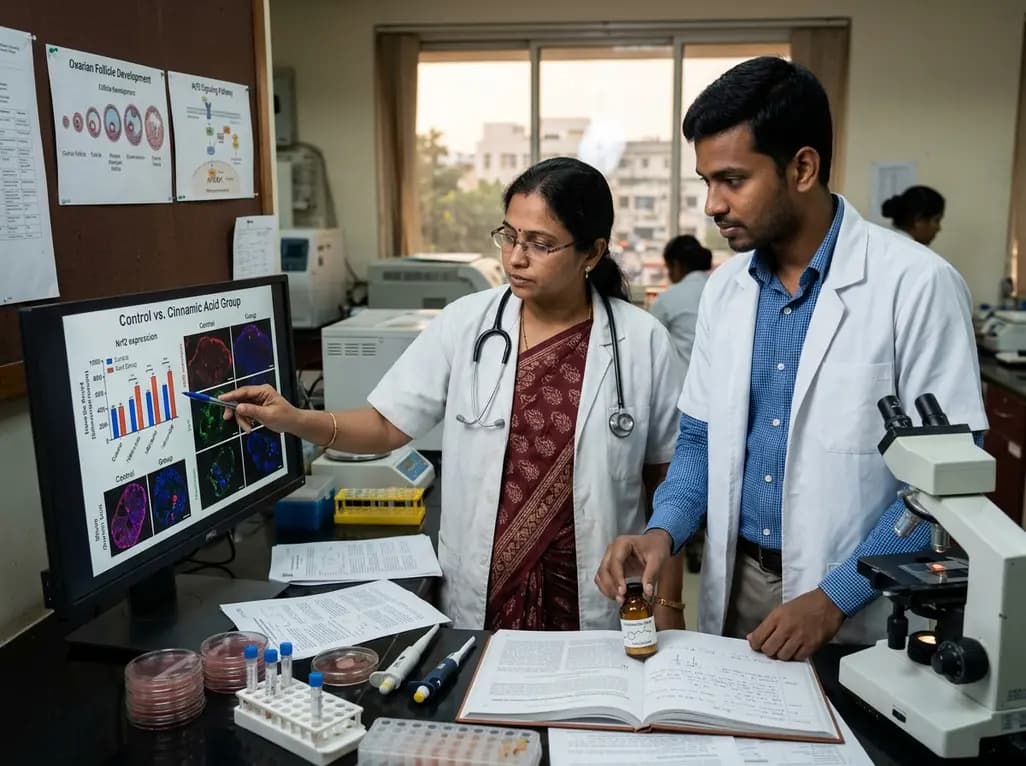
A preclinical study reveals that cinnamic acid counters D-galactose-induced premature ovarian failure in mice. By enhancing total antioxidant capacity and upregulating protective genes like Nrf2 and Foxo3a, cinnamic acid improved estrous cyclicity and follicular reserve, offering new insights into ovarian health.
Today
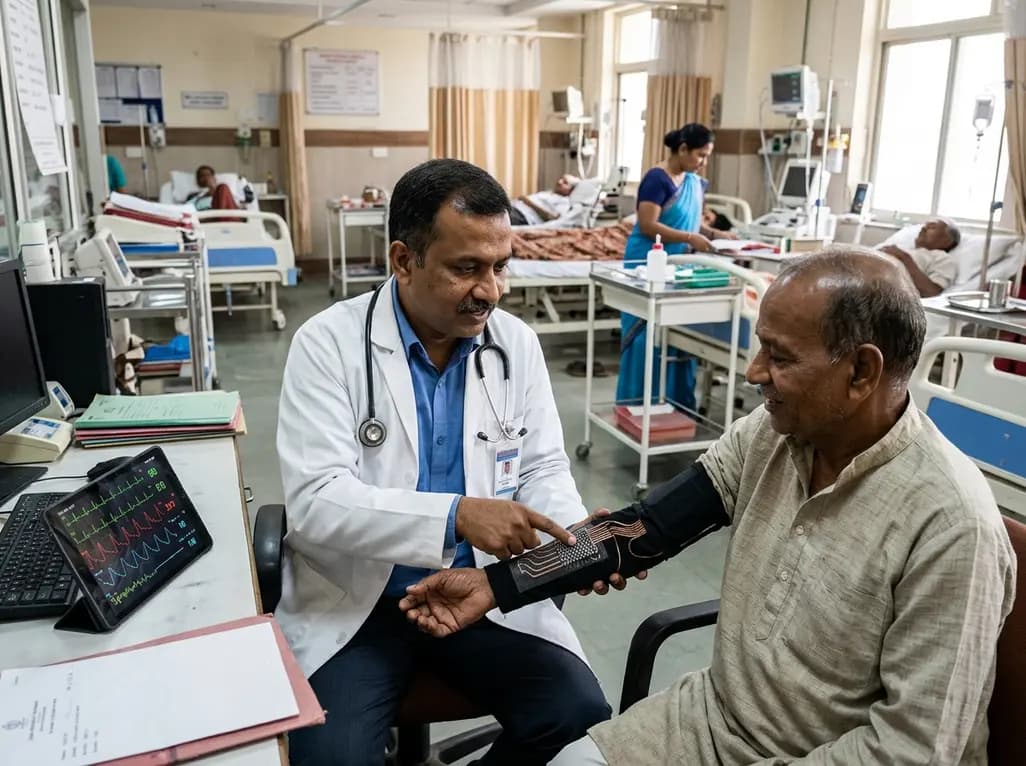
Wearable e-textiles transform cardiovascular monitoring by integrating flexible conductive sensors into everyday clothing. This advance enables continuous, non-invasive assessment of ECG, pulse waves, and hemodynamics, bridging the gap between hospital diagnostics and home healthcare.
Today

Engineered 3D piezoelectric PHBV scaffolds generate electrical charges during mechanical strain, mimicking native muscle electromechanics to promote cellular alignment, myogenic differentiation, and functional tissue repair in severe volumetric muscle loss.
Today
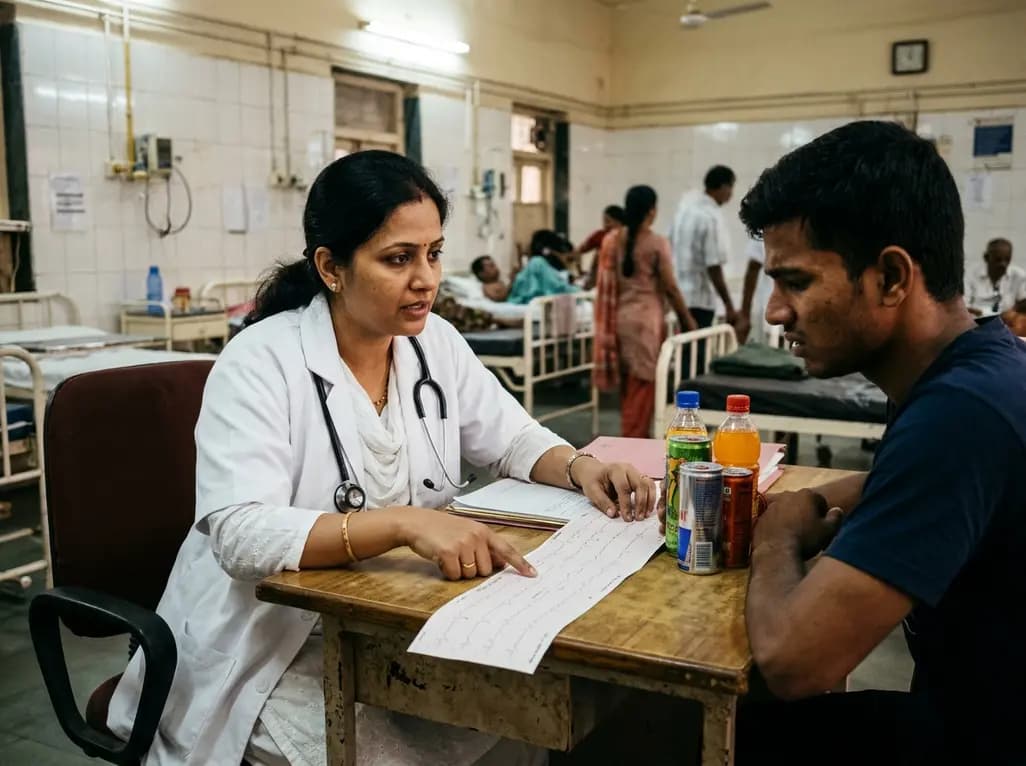
India's food safety authority is taking aggressive action against major beverage companies for marketing high-caffeine products as energy drinks. This clinical analysis examines the cardiovascular complications, metabolic risks, and pediatric concerns behind the regulator's push for truthful beverage standards.
Today
