

Loading, please wait...
Loading, please wait...

Modern clinical assessments often assume that specific emotional states produce uniform physiological changes. However, human affect exhibits remarkable diversity across natural daily contexts. A groundbreaking study by Deming and colleagues explored this variation by analyzing multimodal emotional experience in healthy adults during their ordinary routines. The investigators tracked 97 healthy volunteers over 14 days using continuous mobile cardiac monitoring alongside momentary digital questionnaires. Prompts occurred automatically whenever participants displayed sustained cardiac interbeat interval shifts without concurrent physical movement. In addition, random prompts collected baseline data twice daily. Consequently, the researchers recorded 10,755 distinct biological and experiential events. Volunteers reported valence, arousal, physical posture, current activities, and social surroundings during each prompt. Furthermore, participants provided unconstrained descriptive reports of their emotional states. Rather than forcing observations into pre-existing clinical categories, the authors captured authentic bodily variability in natural settings. As a result, this research reveals how physiological signals actively intertwine with conscious emotional awareness. These insights directly challenge conventional models that expect identical bodily patterns for distinct emotional reactions.
Laboratory experiments intentionally limit environmental stimuli to control physiological variables. Consequently, traditional cardiovascular testing rarely reflects the fluctuating physical and mental demands of daily living. To overcome these constraints, this investigation employed biologically triggered experience sampling. Mobile monitors tracked continuous electrocardiographic signals while accelerometers excluded gross bodily motion. Therefore, recorded shifts in cardiac interbeat intervals reflected genuine autonomic nervous system modulation rather than simple physical exertion. When prompted, participants recorded their immediate affective valence, arousal, and environmental context. Furthermore, the protocol captured an average of 110.9 distinct events per individual across diverse real-world settings. This methodology captured rich cardiovascular variations during routine sedentary activities, such as working, commuting, and resting. Thus, the autonomic nervous system continually recalibrates heart rate to support active cognitive and situational adjustments. For physicians evaluating complaints of unexplained palpitations or resting sinus tachycardia, these findings highlight substantial baseline physiological variability. Autonomic fluctuations routinely reflect transient mental and contextual appraisals rather than intrinsic cardiac pathology.
The research team utilized unsupervised integrative clustering to analyze cardiovascular, postural, and subjective metrics. Remarkably, this machine learning framework identified 313 distinct multimodal patterns across participants, averaging 3.2 unique patterns per person. Moreover, the specific physiological features that distinguished these clusters varied substantially across individuals. Some volunteers exhibited patterns separated by heart rate changes, whereas others differed by physical posture or social setting. Most importantly, the investigation revealed an unmistakable many-to-many relationship between emotional terminology and autonomic states. Every participant mapped multiple emotion labels onto a single multimodal physiological pattern. Conversely, identical emotion words corresponded to diverse bodily patterns across different moments. Therefore, words like anger, anxiety, or joy do not possess static physiological signatures. Instead, the brain dynamically constructs subjective emotional states by interpreting internal interoceptive signals within specific situational contexts. Consequently, clinicians cannot infer psychological states solely from biometric measurements without considering the surrounding circumstances.
These empirical findings carry immediate clinical relevance for physicians and psychiatrists practicing in India. Patients frequently present to outpatient clinics with somatic manifestations, including episodic palpitations, breathlessness, and chest tightness. In routine practice, comprehensive cardiac examinations and resting electrocardiograms often yield completely normal findings. Clinicians typically diagnose these individuals with panic disorder, cardiac neurosis, or somatization. However, the discovery of many-to-many autonomic mapping explains why patients with similar heart rate shifts report drastically different symptoms. For example, one individual interprets rapid heart rate changes as normal exertion, whereas another perceives them as life-threatening palpitations. In Indian healthcare, where psychological distress often presents through somatic idioms, acknowledging this perceptual variation is critical. Rather than dismissing physical complaints as purely psychogenic, clinicians should validate the genuine autonomic sensations experienced by patients. Therefore, exploring how patients interpret bodily sensations helps bridge physiological arousal and cognitive anxiety. Addressing both biological shifts and psychological framing reduces patient distress and prevents repetitive diagnostic testing.
Healthcare providers can readily implement several practical strategies derived from this research to enhance patient care. First, doctors should recognize that consumer wearable monitors capture normal autonomic variations that do not indicate organic disease. Because patients often experience acute anxiety after viewing smart watch alerts, clinicians must provide clear context regarding benign cardiac fluctuations. Second, practitioners should tailor psychoeducation to help patients identify personal situational triggers, such as occupational strain, financial stress, or sleep fragmentation. In addition, encouraging patients to describe emotional states with greater nuance promotes cognitive reappraisal and dampens autonomic hyperactivity. Clinicians can also recommend slow diaphragmatic breathing and structured relaxation to support autonomic regulation during acute stress. Furthermore, recognizing individual variability enables physicians to avoid rigid diagnostic assumptions and establish stronger therapeutic rapport. As digital health tools expand throughout India, incorporating contextual awareness into ambulatory telemetry will advance personalized mental healthcare. Ultimately, integrating physiological monitoring with empathetic communication empowers patients to manage stress-related physical symptoms effectively.
Traditional diagnostic models assume that discrete psychiatric disorders possess uniform biological markers. However, this study proves that identical autonomic states produce varied emotional experiences across different contexts. Clinicians cannot diagnose anxiety or panic solely from heart rate telemetry or wearable biometric spikes. Instead, practitioners must integrate biological data with subjective appraisals and environmental factors, ensuring comprehensive diagnostic assessments that reflect individual patient realities.
Standard laboratory evaluations impose artificial controls that obscure natural autonomic flexibility. In contrast, biologically triggered sampling captures genuine cardiovascular fluctuations during authentic everyday activities. Mobile monitors record cardiac interbeat intervals during sedentary periods, prompting real-time subjective surveys. This ecological approach captures true physiological reactivity in personal environments, providing clinicians with far more realistic insights into autonomic regulation than artificial laboratory testing.
Physicians should begin by reassuring patients and excluding serious structural cardiac disease through targeted clinical evaluations. Furthermore, clinicians can explain that heart rate varies naturally during routine emotional and cognitive tasks throughout the day. Educating patients that wearable notifications do not equate to cardiac illness prevents catastrophic misinterpretations. Combining scientific reassurance with stress reduction techniques effectively alleviates health anxiety and minimizes unnecessary repeated hospital consultations.
Disclaimer: This content is for informational and educational purposes only. It does not constitute formal medical advice, diagnosis, or treatment planning. Refer to the latest local and national guidelines for clinical practice.
References

Read summarized clinical updates, watch expert medical content, and earn CME certifications right from your smartphone.
Open your smartphone camera to scan and install.





A landmark study reveals structured variation in daily emotional experiences using mobile cardiac monitoring and machine learning. Uncovering a many-to-many mapping between autonomic states and feelings, this research offers key insights for managing psychosomatic and psychiatric conditions in clinical practice.
Today

A randomized trial of 272 young women in underserved settings evaluated motivational interviewing versus didactic education. Motivational interviewing effectively reduced unintended pregnancy and risky sexual behavior, while didactic counseling fostered greater condom consistency in Hispanic participants.
Today
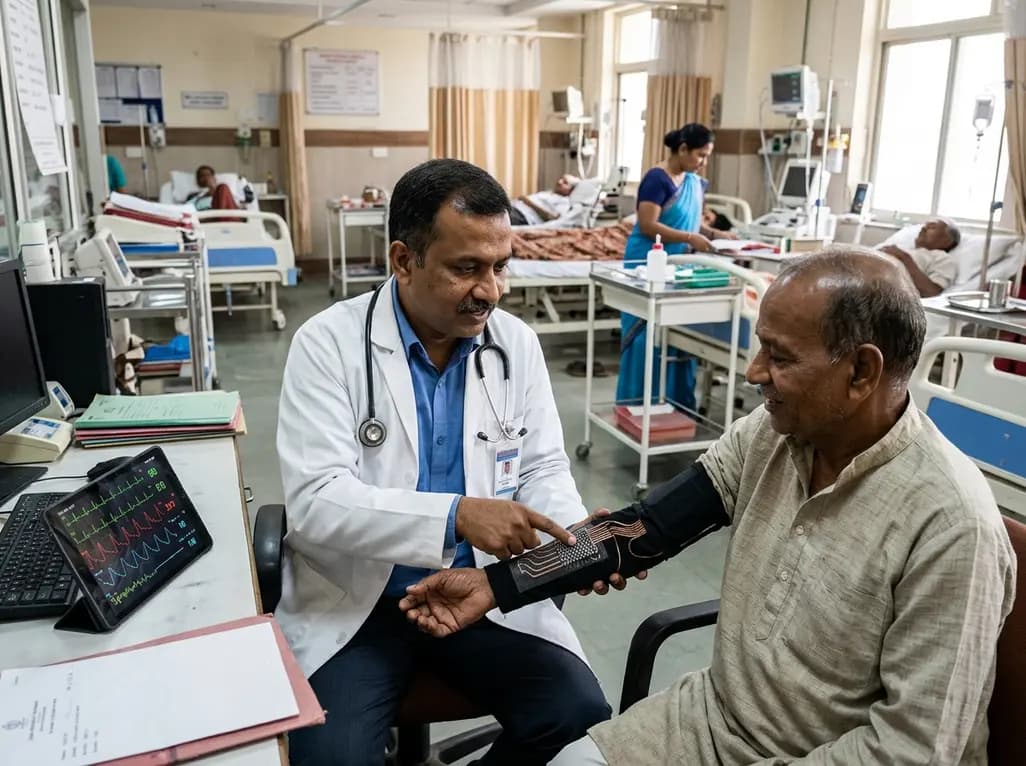
Wearable e-textiles transform cardiovascular monitoring by integrating flexible conductive sensors into everyday clothing. This advance enables continuous, non-invasive assessment of ECG, pulse waves, and hemodynamics, bridging the gap between hospital diagnostics and home healthcare.
Today
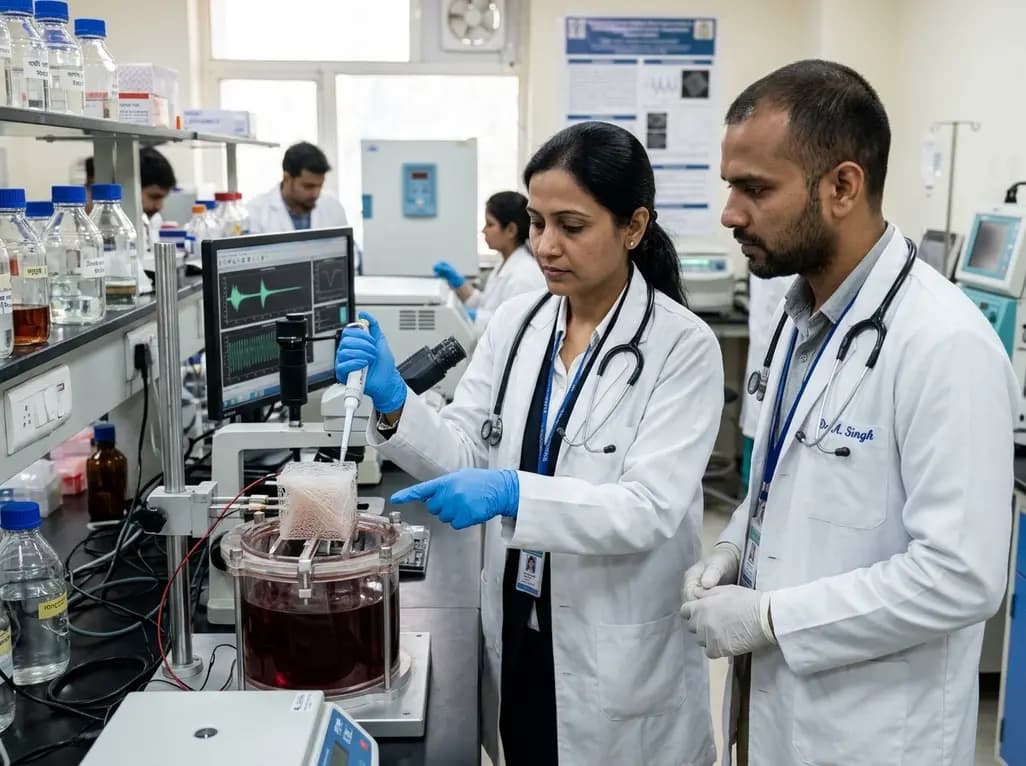
Engineered 3D piezoelectric PHBV scaffolds generate electrical charges during mechanical strain, mimicking native muscle electromechanics to promote cellular alignment, myogenic differentiation, and functional tissue repair in severe volumetric muscle loss.
Today
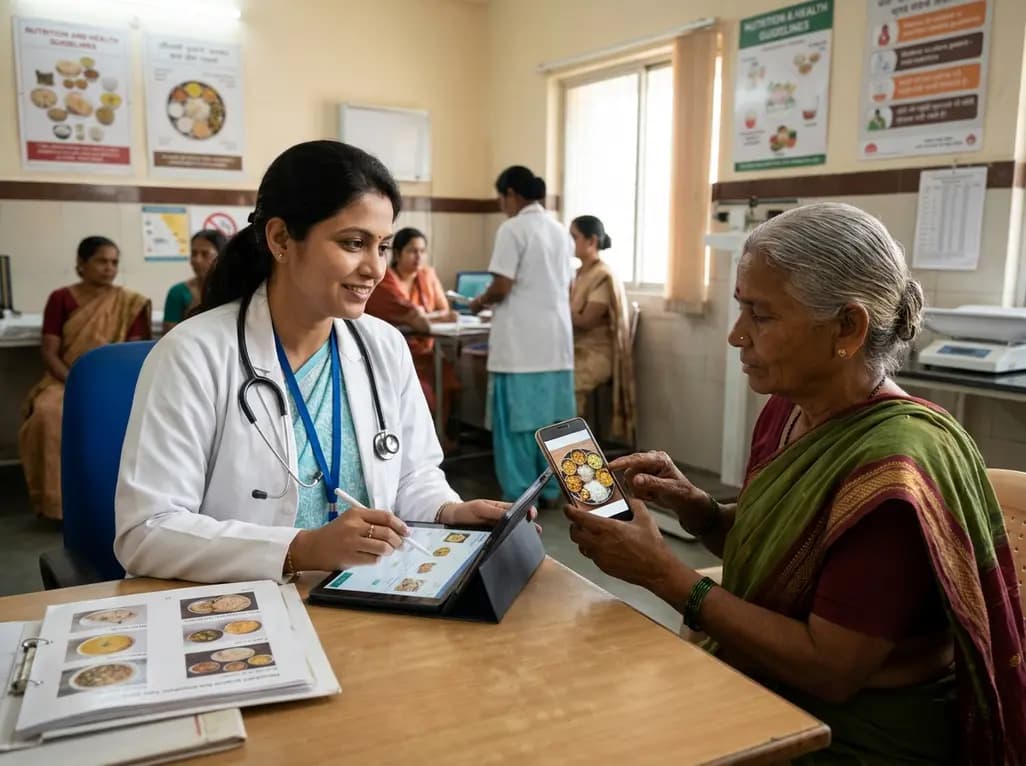
A recent study highlights that pairing photograph-assisted 24-hour recalls with regional food databases significantly boosts dietary assessment accuracy. This methodology reduces cultural bias and strengthens nutrient tracking, offering crucial lessons for clinicians managing nutritional care in diverse populations.
Today
