.webp&w=384&q=75)

Loading, please wait...
Loading, please wait...
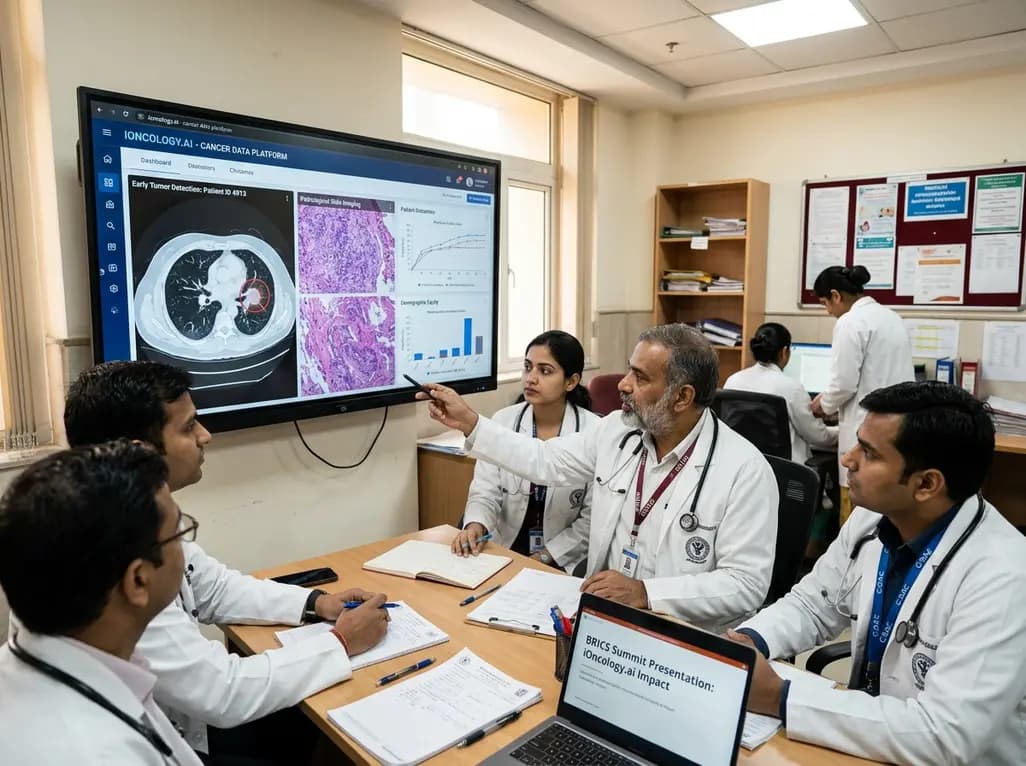
The emergence of indigenous digital health platforms marks a transformative milestone in global oncology. Recently, researchers showcased an innovative system designed to address healthcare disparities during the annual BRICS Summit. By merging computational power with specialized medical expertise, the collaborative project advances iOncology.ai cancer care to target major bottlenecks in low-resource screening environments. Consequently, oncologists and public health leaders view this framework as a vital step toward democratizing high-quality diagnostic insights.
The global oncology landscape displays significant resource imbalances that heavily disadvantage developing regions. For instance, member nations within the BRICS collective encompass more than forty percent of the global population. However, these countries experience approximately nine million incident cancer cases and 4.66 million disease-related deaths every year. Late presentation remains a persistent contributor to elevated mortality across these emerging economies. When patients receive late-stage diagnoses, five-year survival rates decline precipitously. Conversely, early-stage intervention substantially elevates long-term survival while simultaneously curtailing complex therapeutic expenses.
Furthermore, rural and semi-urban communities throughout the Global South face an acute scarcity of oncologists, radiologists, and specialized pathologists. Patients frequently travel exhaustive distances to access centralized tertiary referral hospitals. This centralized concentration creates systemic bottlenecks, diagnostic backlogs, and protracted treatment delays. Therefore, decentralized diagnostic empowerment represents an imperative clinical goal. Indigenous digital platforms provide scalable computational support to peripheral clinics. Ultimately, deploying intelligent clinical decision support bridges the clinical expertise gap. Such tools allow primary healthcare workers to recognize suspicious malignancies promptly and initiate timely tertiary referrals. Moreover, regional health authorities can optimize resource distribution by evaluating population-level disease trends.
The All India Institute of Medical Sciences, New Delhi, joined forces with the Centre for Development of Advanced Computing, Pune, to construct the platform. Supported by the Ministry of Electronics and Information Technology, this initiative directly addresses clinical workflows. Specifically, iOncology.ai cancer care emphasizes multimodal data integration to assist frontline medical practitioners. The software systematically organizes laboratory reports, cross-sectional imaging, clinical summaries, and digital pathology slides into a cohesive dashboard. Consequently, clinicians gain immediate access to synthesized patient profiles rather than navigating disparate paper files.
Additionally, the artificial intelligence architecture prioritizes high-burden malignancies that disproportionately affect women in India, notably breast and ovarian cancers. Manual screening often suffers from false-negative determinations due to severe radiologist workloads and image fatigue. To counter this, deep learning algorithms analyze mammograms and ultrasound scans to flag suspicious microcalcifications and tissue architectural distortions. Furthermore, the platform standardizes risk stratification criteria, categorizing patients by urgency. Consequently, district medical officers can fast-track high-risk individuals toward definitive tissue biopsies. By simplifying complex data evaluation, the software assists multidisciplinary teams during therapeutic planning and longitudinal patient tracking. Moreover, treating physicians can review longitudinal treatment responses through automated image comparison tools.
A distinct strength of this technological framework lies in its foundational alignment with domestic healthcare infrastructure. Unlike foreign proprietary systems trained exclusively on Western cohorts, the platform utilizes curated Indian clinical, radiological, and histopathological datasets. Therefore, the computational models reflect the distinct demographic profiles, presentation stages, and anatomical variations prevalent in domestic patient populations. Furthermore, researchers plan to integrate detailed genomic sequencing data. This inclusion will help clinicians explore molecular tumor profiles and predict chemotherapy responsiveness.
Additionally, the development team engineered the platform for seamless interoperability with the Ayushman Bharat Digital Mission. By adhering to national digital standards, the system links directly with Ayushman Bharat Health Accounts. Consequently, patient records, diagnostic scans, and specialist treatment notes can traverse secure networks across primary, secondary, and tertiary tiers. In contrast to siloed software solutions, this connected ecosystem prevents redundant diagnostic workups and minimizes diagnostic delays. Furthermore, centralized connectivity facilitates comprehensive cancer surveillance programs. Public health authorities can track regional epidemiological patterns, identify emergent cancer clusters, and allocate oncological resources more strategically. Thus, national digital health integration establishes a sustainable foundation for data-driven cancer governance.
Despite the immense clinical promise demonstrated during initial trials, the platform remains strictly in research and evaluation mode. Health professionals must recognize that no published peer-reviewed evidence currently establishes its diagnostic accuracy, clinical utility, or therapeutic efficacy. Pilot-stage clinical validation studies are ongoing at AIIMS New Delhi and associated partner centers. Specifically, these preliminary evaluations assess software responsiveness, algorithmic stability, and user interface ergonomics in active hospital departments. However, prototype functionality within a controlled academic environment does not equate to verified real-world safety.
Therefore, the investigators stress that rigorous, prospective, multicenter clinical validation represents an indispensable milestone before broader adoption. Multicenter trials must validate algorithmic performance across diverse patient demographics, varying digital imaging equipment, and mixed histopathology specimen qualities. Furthermore, independent verification will ensure that the algorithms do not perpetuate systemic diagnostic biases or generate excessive false-positive readings. Consequently, medical regulatory bodies require clear evidence demonstrating tangible clinical benefits and improved patient staging accuracy. Until investigators secure statutory clearances, oncologists must treat software alerts as investigative decision support rather than definitive diagnoses. Moreover, clinicians must maintain rigorous documentation during all investigative software interactions.
Modern cancer management demands close collaboration among surgical oncologists, radiation oncologists, medical oncologists, radiologists, and pathologists. However, organizing complex multidisciplinary tumor boards often strains clinical schedules, especially in heavily burdened state cancer hospitals. Computational tools can alleviate these operational pressures by curating relevant clinical inputs before board convenings. Specifically, the software summarizes radiological findings, highlights suspicious biopsy fields, and tabulates pertinent biomarker profiles on a unified screen. As a result, tumor boards can deliberate more effectively and dedicate more time to personalized management strategies.
Additionally, surgical and medical oncologists can leverage predictive analytics to simulate response rates across differing therapeutic protocols. In parallel, pathologists benefit from automated image analysis algorithms that pre-screen whole-slide digital images. These algorithms pinpoint micro-metastases in lymph node sections and quantify hormone receptor expressions like estrogen and progesterone receptors. Consequently, laboratory turnaround times drop, allowing patients to commence chemotherapy or radiation significantly earlier. Nevertheless, human clinical expertise remains entirely irreplaceable throughout this process. Artificial intelligence acts strictly as an assistive tool to augment medical discretion, reduce cognitive fatigue, and improve diagnostic accuracy. Furthermore, junior clinicians gain valuable educational exposure by observing algorithmic pattern analyses alongside senior faculty reviews.
Q1: What clinical capabilities does the iOncology.ai platform offer to practicing oncologists?
The platform consolidates multimodal clinical datasets, including radiological scans, histopathology images, laboratory panels, and longitudinal patient records. Consequently, it supports clinicians during early tumor detection, precise risk stratification, and therapeutic planning. Furthermore, the system facilitates multidisciplinary tumor board reviews by presenting unified patient summaries. Additionally, current modules focus on breast and ovarian malignancies. Subsequent updates will incorporate broader solid tumors and complex genomic profiles.
Q2: Why is the iOncology.ai system particularly relevant for healthcare systems across BRICS nations?
BRICS member countries share considerable oncology burdens, accounting for over forty percent of the global population. Moreover, these nations record nearly nine million new cancer diagnoses annually. Severe disparities in specialist accessibility and delayed presentation exacerbate disease mortality. Therefore, indigenous platforms trained on local demographic datasets offer scalable diagnostic assistance. Consequently, decentralized community healthcare centers can triage suspicious lesions earlier, bridging critical gaps between peripheral health workers and regional tertiary cancer institutes.
Q3: Has iOncology.ai received regulatory clearance for independent diagnostic decision-making?
Currently, the platform operates purely in research mode and lacks regulatory clearance for autonomous clinical decision-making. Investigators are executing pilot-stage clinical validations to determine baseline performance and software usability. However, formal multicenter trials must establish diagnostic accuracy, sensitivity, and clinical efficacy prior to routine deployment. Until regulatory bodies issue definitive approvals, treating oncologists must interpret all automated outputs as experimental assistive suggestions rather than validated clinical verdicts.
Disclaimer: This content is for informational and educational purposes only. It does not constitute medical advice or replace professional judgment. Refer to the latest local and national guidelines for clinical practice.
References

Read summarized clinical updates, watch expert medical content, and earn CME certifications right from your smartphone.
Open your smartphone camera to scan and install.





Indian researchers at AIIMS and C-DAC have unveiled iOncology.ai, an indigenous digital platform spotlighted at the BRICS Summit. By unifying complex clinical, imaging, and pathological records, the system aims to improve early tumor detection, risk stratification, and equity across emerging economies.
Today
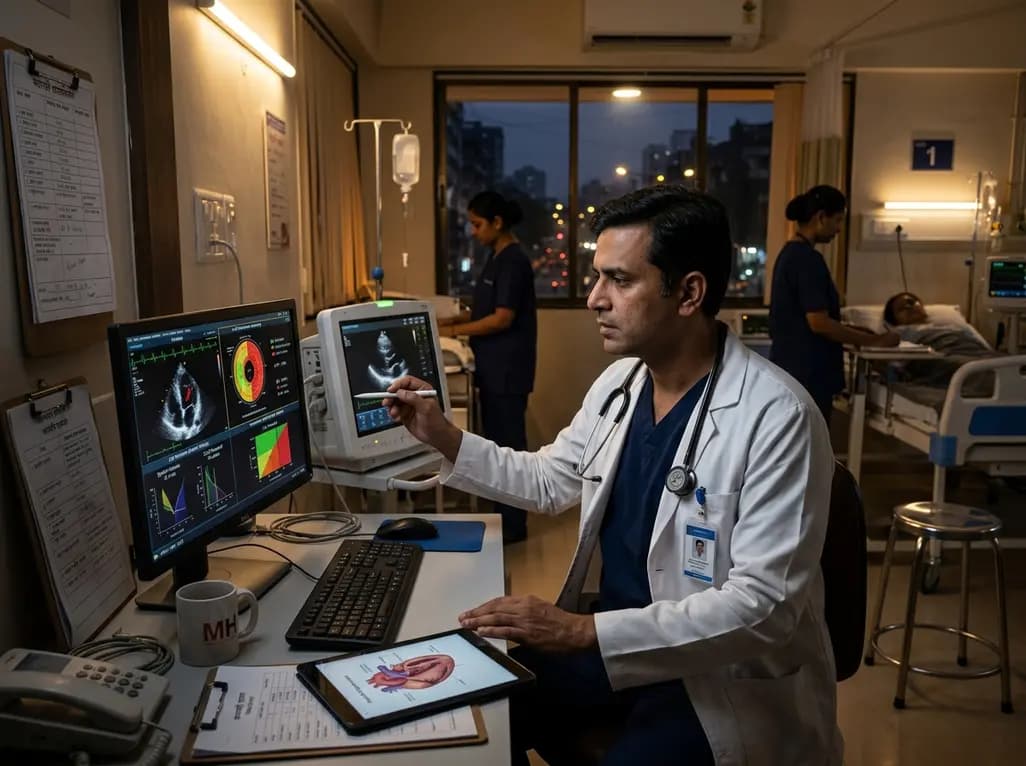
Emerging evidence shows that even dim night-time light exposure alters cardiac geometry and weakens contractility. In a landmark cohort study, nocturnal light above 3 lux triggered concentric left ventricular hypertrophy and subclinical dysfunction, highlighting nocturnal illumination as a modifiable cardiac risk factor.
Today
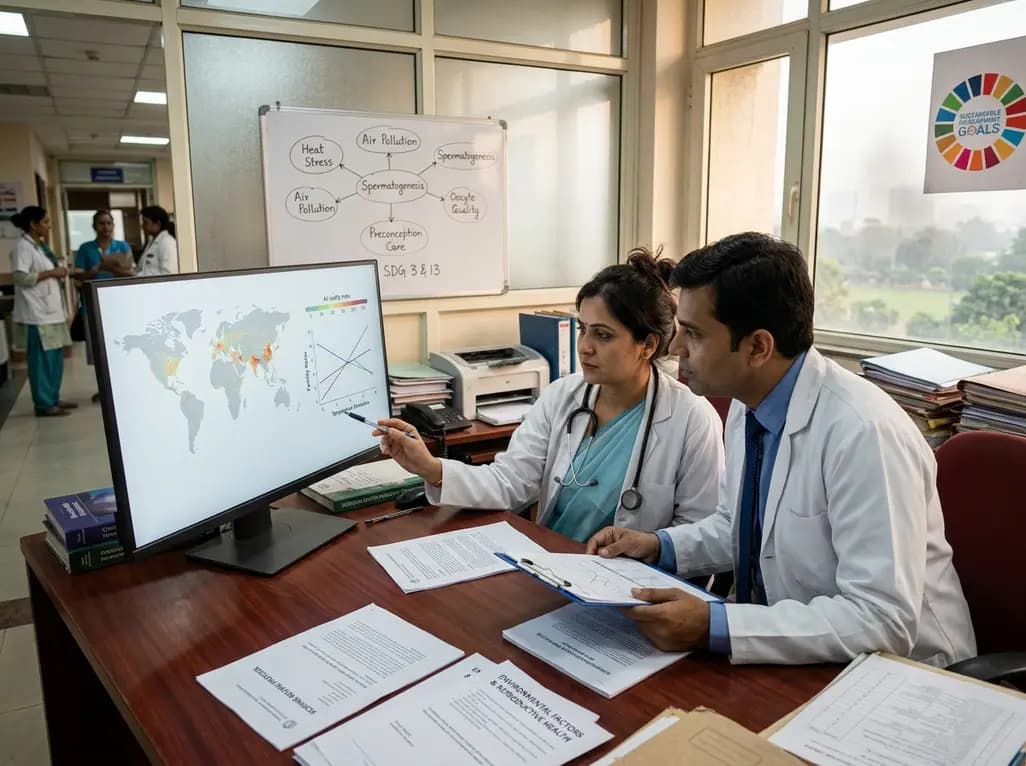
A new scoping review protocol systematically maps global evidence on how climatic shifts, ambient heat, and pollution impact human fertility. Discover key physiological mechanisms, clinical preconception strategies, and critical public health alignments under Sustainable Development Goals 3 and 13.
Today
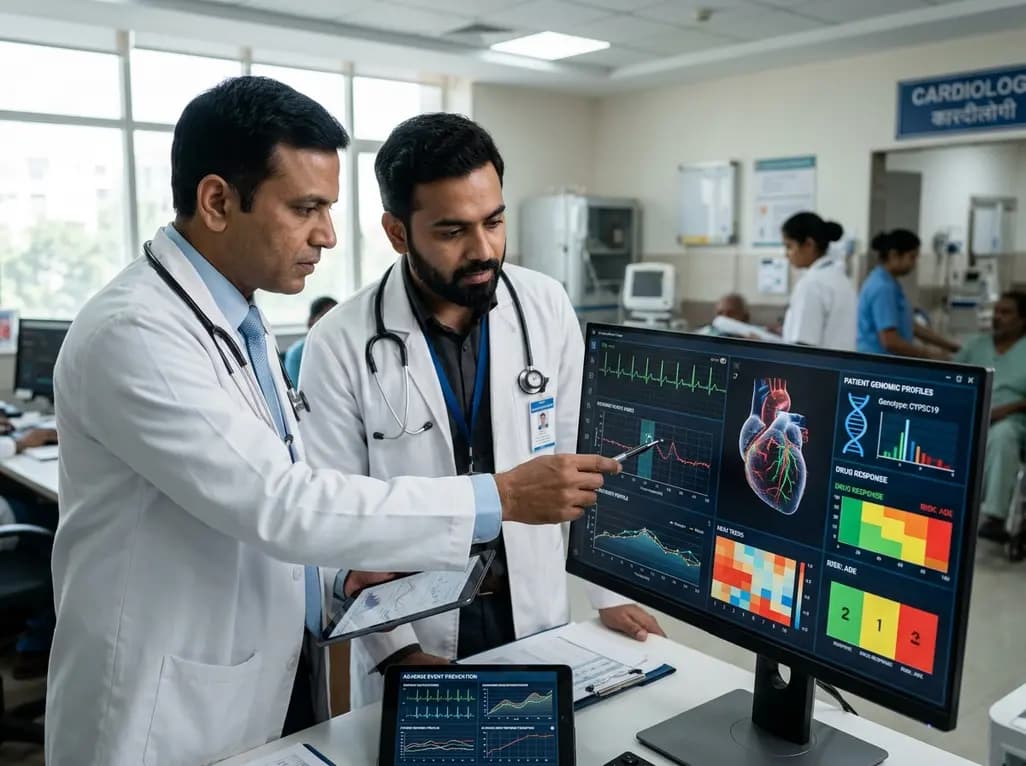
Pharmacogenomics and artificial intelligence are revolutionizing cardiology by tailoring therapies to individual genetic profiles and clinical data, reducing adverse drug events, and improving cardiovascular patient outcomes.
Today
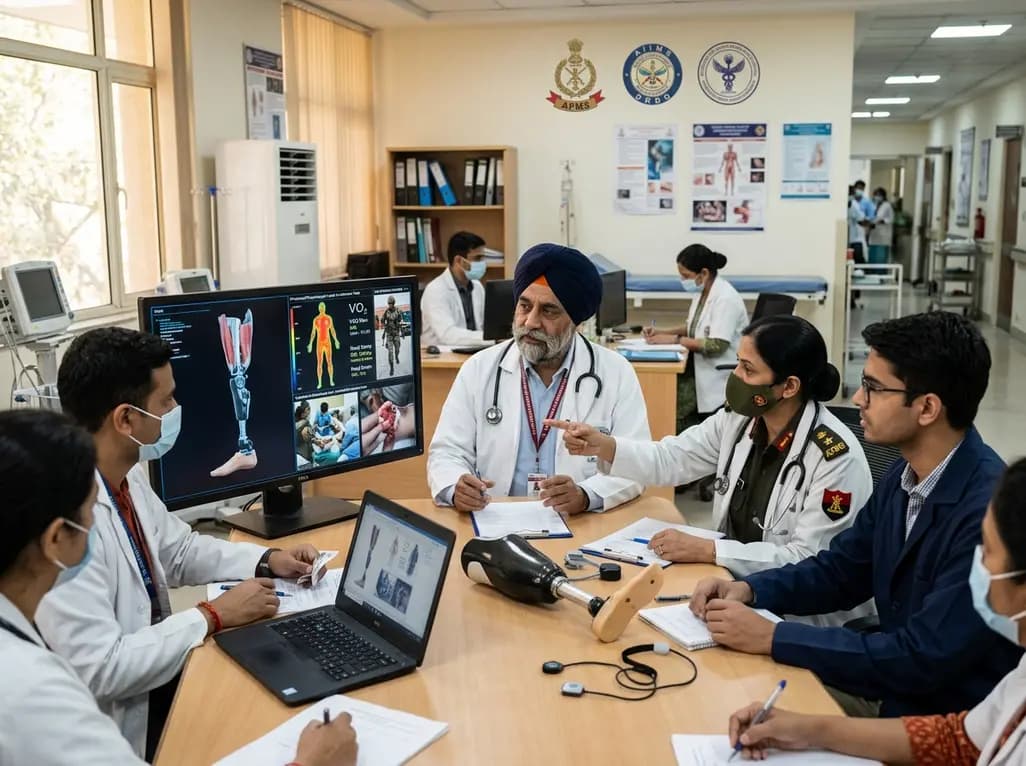
India's premier scientific bodies have joined the Armed Forces Medical Services to solve unique physiological and operational challenges faced by soldiers. The national collaboration covers combat casualty care, artificial intelligence diagnostics, bionic prosthetics, and extreme-environment physiological resilience.
Today
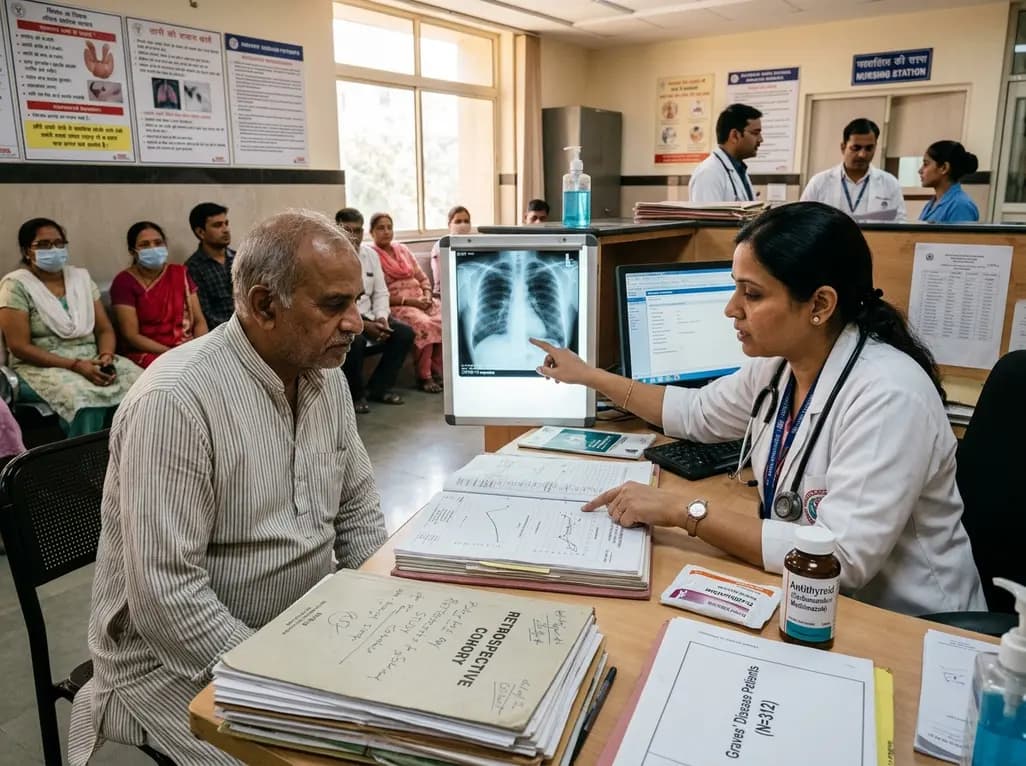
A retrospective cohort study evaluates the short- and long-term impacts of SARS-CoV-2 infection on patients with Graves' disease receiving antithyroid drug therapy, highlighting thyroid status destabilization, clinical symptom exacerbations, and post-viral sequelae.
Today
