.webp&w=384&q=75)

Loading, please wait...
Loading, please wait...
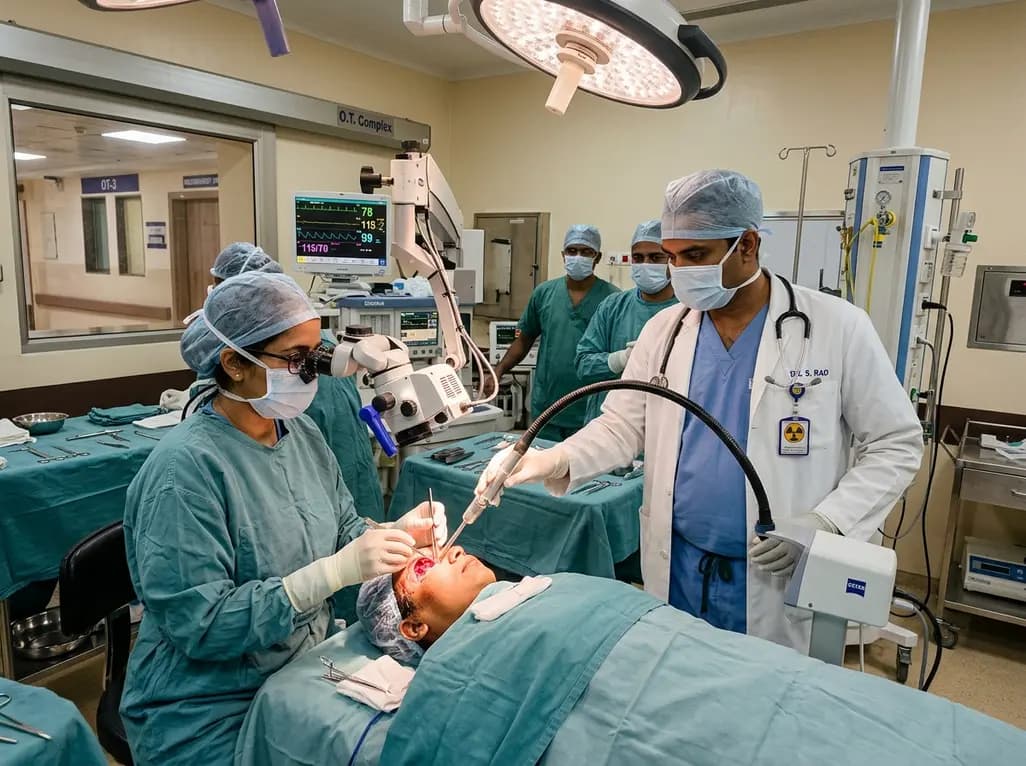
Brain metastases represent one of the most challenging complications of systemic malignancies, occurring in nearly twenty percent of all cancer patients. For patients presenting with large, symptomatic, or mass-effect-inducing intracranial lesions, maximal safe surgical resection followed by cavity-directed radiation therapy serves as a primary standard of care. Recently, investigators have explored innovative delivery techniques to optimize oncologic outcomes while reducing the interval between neurosurgical intervention and systemic therapy. The INTRAMET prospective phase II trial provides compelling clinical evidence demonstrating that utilizing intraoperative radiotherapy brain metastases protocols delivers remarkable local tumor control with manageable toxicity.
Conventional management of resected intracranial metastases historically relied on whole-brain radiation therapy or postoperative stereotactic radiosurgery. Although postoperative radiosurgery preserves neurocognition and targets the surgical cavity effectively, it introduces logistical delays. Patients must typically wait several weeks for surgical wound healing and dedicated planning neuroimaging before initiating radiation. Consequently, the delay may allow microscopic residual tumor cells at the surgical margin to proliferate rapidly.
In contrast, intraoperative radiotherapy delivers immediate, high-dose ionizing radiation directly to the resection cavity during the index surgical procedure. By utilizing spherical applicators matched to the cavity dimensions, clinicians can apply conformal radiation immediately following frozen-section histological confirmation. This direct approach sterilizes the surgical margins before cavity collapse or microscopic progression can occur. Furthermore, intraoperative delivery prevents delays in systemic treatment, which is essential for managing extracranial disease.
The prospective INTRAMET trial enrolled thirty-five adult patients presenting with suspected brain metastases between 2017 and 2022. Investigators administered mobile, low-energy 50-kV X-ray irradiation directly to the surgical cavity margin, prescribing a surface dose of 30 Gy. Among the enrolled cohort, the median age was 64 years, and primary non-small cell lung carcinoma accounted for nearly 69 percent of cases.
With a mature median follow-up of 25.7 months, the primary endpoint analysis demonstrated an exceptional local cavity control rate of 94.3 percent. This local control benchmark compares favorably with historic registries evaluating postoperative stereotactic radiosurgery. In addition, the distant brain control rate reached 57.1 percent across the cohort. The median overall survival reached 43.6 months, reflecting both durable local disease control and the continuous evolution of effective systemic targeted agents and immunotherapies.
Evaluating treatment safety represents a fundamental requirement when introducing novel radiation modalities to intracranial targets. In the INTRAMET trial, clinicians observed radiation necrosis in twenty percent of treated patients. Notably, these radionecrosis events were predominantly low-grade and manageable with medical therapy. Furthermore, investigators observed zero grade 4 or grade 5 treatment-related toxicities throughout the entire surveillance duration.
Another critical clinical consideration during cavity irradiation involves leptomeningeal disease dissemination. Within the trial cohort, leptomeningeal spread outside the irradiated field developed in only 8.6 percent of patients. Because low-energy X-rays exhibit steep physical dose falloff, adjacent healthy brain parenchyma experiences minimal excess radiation exposure. Consequently, this targeted dosimetric profile protects surrounding functional cortex while delivering lethal radiation fractions to potential residual microscopic nests.
Beyond tumor control metrics, treatment consolidation remains a primary advantage of the intraoperative approach. In the INTRAMET trial, the median time from surgical intervention to the initiation of subsequent systemic antineoplastic therapy was 45 days. This expedited recovery timeline allows medical oncologists to resume modern systemic regimens promptly without navigating multi-week outpatient radiation visits.
Furthermore, consolidating surgery and local radiotherapy into a single operative session substantially decreases the cumulative treatment burden for patients. Individuals avoid additional simulation scans, complex stereotactic mask fittings, and daily hospital visits during early postoperative convalescence. For oncology centers with high patient volumes, single-fraction intraoperative delivery also alleviates congestion within external-beam radiation suites. Therefore, intraoperative treatment serves both clinical efficacy and resource optimization goals.
The successful execution of intraoperative radiation therapy requires tight collaboration between neurosurgeons, radiation oncologists, medical physicists, and neuropathologists. During surgery, neuropathologists confirm metastatic disease via rapid frozen-section analysis. Subsequently, the surgical team positions an appropriately sized spherical applicator directly against the cavity walls. Radiation oncologists and medical physicists then calibrate and administer the prescribed 30 Gy surface dose in real time.
Although larger phase III randomized trials will help refine patient selection criteria, current prospective data establish this modality as a reliable alternative to postoperative stereotactic radiosurgery. Patients with solitary, accessible metastases requiring upfront debulking represent optimal candidates for single-session cavity sterilization. Multidisciplinary neuro-oncology boards should increasingly consider this combined paradigm when designing individualized treatment plans for eligible cancer patients.
The primary endpoint was local control within the resected cavity. The INTRAMET trial demonstrated a 94.3 percent local control rate over a median follow-up period of 25.7 months. This robust rate highlights the efficacy of single-session low-energy X-ray intraoperative radiotherapy for resected intracranial metastatic lesions.
Intraoperative radiotherapy delivers necessary cavity-directed radiation during the surgical procedure itself. Consequently, patients avoid scheduling delays associated with postoperative outpatient radiosurgery. In the INTRAMET trial, the median interval from resection to the initiation or resumption of subsequent systemic antineoplastic therapy was 45 days.
Radiation necrosis developed in 20 percent of participants, but instances were predominantly low-grade and medically manageable. Leptomeningeal dissemination occurred in 8.6 percent of patients outside the target field. Crucially, researchers recorded zero grade 4 or grade 5 treatment-related adverse events throughout follow-up.
Disclaimer: This content is for informational and educational purposes only. It does not constitute medical advice and should not replace professional clinical judgement or consultation with a qualified healthcare provider. Treatment approaches may vary based on individual patient characteristics, institutional protocols, and emerging evidence. Refer to the latest local and national guidelines for clinical practice.
References
1. Brehmer S et al. Intraoperative radiotherapy after resection of newly diagnosed brain metastases in adult patients - results of a prospective phase II trial (INTRAMET). J Neurooncol. 2026 May 28. doi: 10.1007/s11060-026-05649-6. PMID: 42207396.
2. Cifarelli CP, Brehmer S, Vargo JA, et al. Intraoperative radiotherapy (IORT) for surgically resected brain metastases: outcome analysis of an international cooperative study. J Neurooncol. 2019;145(2):391-397. doi:10.1007/s11060-019-03309-6.
3. Mahajan A, Ahmed S, McAleer MF, et al. Post-operative stereotactic radiosurgery versus observation for completely resected brain metastases: a single-centre, randomised, controlled, phase 3 trial. Lancet Oncol. 2017;18(8):1040-1048. doi:10.1016/S1470-2045(17)30414-X.

Read summarized clinical updates, watch expert medical content, and earn CME certifications right from your smartphone.
Open your smartphone camera to scan and install.





The prospective phase II INTRAMET trial demonstrates that low-energy X-ray intraoperative radiotherapy (IORT) following surgical resection of brain metastases yields a 94.3% local control rate with favorable safety, presenting a viable single-session alternative to postoperative stereotactic radiosurgery.
4 weeks back

Following 37,899 reported cases and 9 deaths, Odisha has scaled up active case detection, rapid diagnostic testing, and vector control across high-burden districts. Here is a comprehensive clinical breakdown of the state's aggressive containment protocols, diagnostic pathways, and targeted field management.
Today

A retrospective study of 86,012 pregnancies demonstrates that size-selective cfDNA enrichment boosts mean fetal fraction to 18.88% and achieves a 59.20% PPV for fetal copy number variants. However, 85.83% of CNVs showed size discrepancies, underscoring the mandatory role of confirmatory microarray testing.
Today

Radiofrequency catheter ablation of the cavotricuspid isthmus successfully terminates typical atrial flutter. This article reviews the mechanisms driving coronary sinus electrogram changes, wavefront activation pathways, and clinical criteria to verify bidirectional block during electrophysiology studies.
Today
A 12-week within-subject trial compared incline and preacher dumbbell curls, finding incline curls elicited greater biceps brachii growth while preacher curls favored the brachialis and brachioradialis. Total elbow flexor hypertrophy and regional growth profiles remained comparable between the two exercises.
Today
A cross-sectional study demonstrates that increased BMI in adolescents significantly enhances mandibular length and alters salivary adipokines like adiponectin and resistin, providing novel insights into craniofacial growth and orthodontic planning.
Today
