.webp&w=384&q=75)

Loading, please wait...
Loading, please wait...

India stillbirth rates vary significantly depending on the gestational age used for classification. A recent analysis published in The Lancet Regional Health Southeast Asia highlights a major reporting gap. Researchers found that counting only late-gestation cases misses nearly two-fifths of all losses. Consequently, current national estimates may not reflect the true scale of the clinical burden. This discrepancy complicates the development of effective maternal health interventions across the country.
The study analyzed data from three rounds of the National Family Health Survey (NFHS). Specifically, it compared rates at 20, 24, and 28 weeks of gestation. At 28 weeks or more, the rate stands at 12.8 per 1,000 births. However, this number climbs to 22.0 when including pregnancies from 20 weeks. Therefore, focusing only on late-term deaths ignores approximately 42% of fetal losses. Moreover, the research team noted that the largest decline in these rates occurred between 2005 and 2016.
Furthermore, discrepancies exist between different reporting systems in India. For instance, the Sample Registration System (SRS) reports lower figures than the NFHS. This variation stems from incomplete reporting and frequent misclassification between stillbirths and early neonatal deaths. Additionally, the researchers emphasized that high-quality data at the district level is essential for evidence-based decisions. Accurate gestational age reporting must become a standard part of medical record-keeping to address these inequities.
Standardizing data systems remains a high priority for Indian health authorities and practitioners. Currently, over half of the states achieved single-digit stillbirth rates during 2019-2021. Yet, the lack of precise gestational age reporting hinders accurate local estimates. In contrast, preventable losses persist significantly below the 28-week mark. Consequently, a more comprehensive assessment is necessary to drive equitable health outcomes. Medical professionals should advocate for better documentation to ensure no loss goes uncounted.
Q1: What is the current WHO definition of a stillbirth?
The World Health Organization defines a stillbirth as a baby born with no signs of life at or after 28 weeks of gestation per 1,000 total births.
Q2: Why does including 20-week data change the India stillbirth rates?
Including data from 20 weeks captures nearly 40% more stillbirths that are otherwise excluded when using the standard 28-week threshold.
Q3: Which Indian survey provides the most comprehensive stillbirth data?
The National Family Health Survey (NFHS) provides extensive data, though it often shows higher rates than the Civil Registration System due to more robust community-level reporting.
Disclaimer: This content is for informational and educational purposes only. It does not constitute medical advice or replace professional judgment. Refer to the latest local and national guidelines for clinical practice.
References

Read summarized clinical updates, watch expert medical content, and earn CME certifications right from your smartphone.
Open your smartphone camera to scan and install.





Research shows India misses 40% of stillbirths by excluding early-gestation data. Standardized reporting is vital for accurate maternal health monitoring....
6 months ago
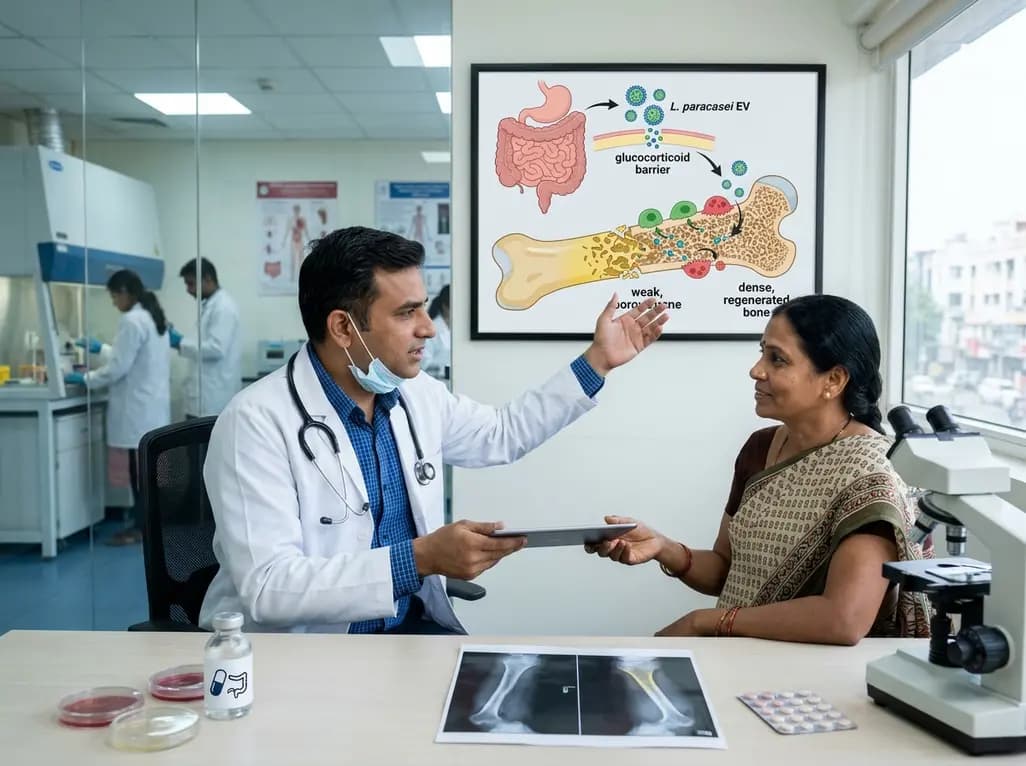
A novel oral nanoplatform using Lacticaseibacillus paracasei-derived extracellular vesicles delivers alendronate, reversing glucocorticoid-induced bone loss and restoring gut-immune-bone homeostasis.
Today

A study in JAMIA Open shows lightweight open-source reasoning LLMs achieve up to 95% sensitivity and accelerate evidence synthesis screening by nearly twentyfold, presenting a cost-effective, scalable AI solution for biomedical research and systematic reviews.
Yesterday
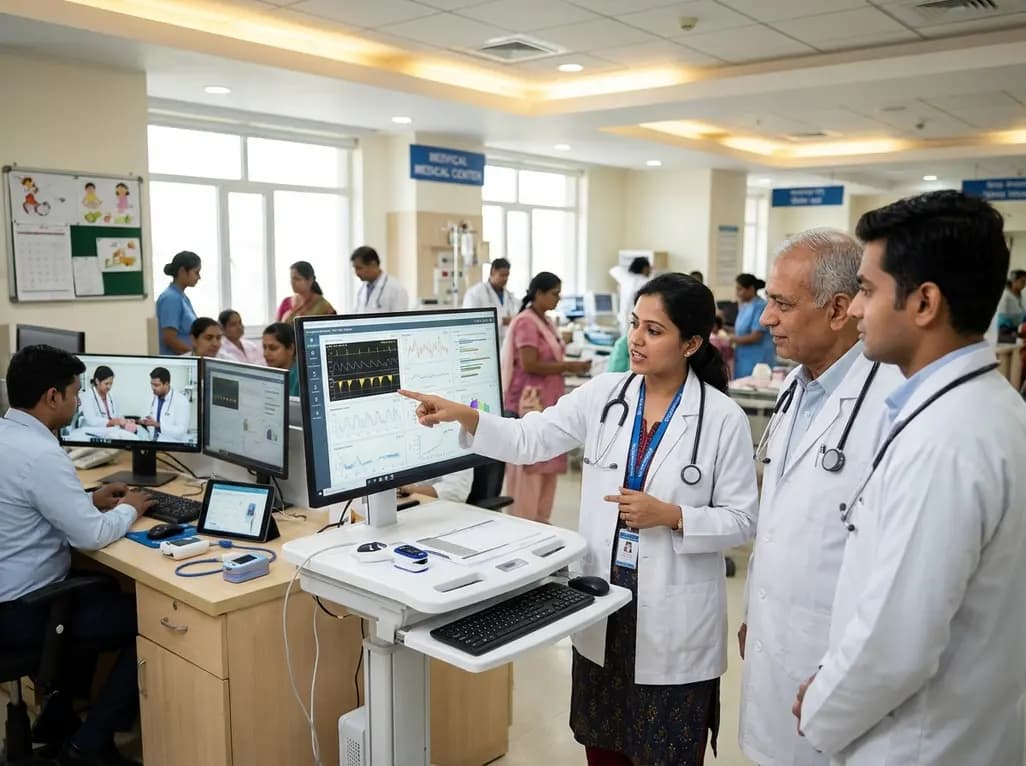
A landmark study details how an enterprise pediatric remote patient management model expanded from a single cardiology pilot to 16 diverse specialty programs by combining centralized digital operations with specialty clinical leadership.
Yesterday

A comparative review of tension band wiring and intramedullary screw fixation in thumb metacarpophalangeal arthrodesis, evaluating union rates, hardware complications, and clinical outcomes.
Yesterday
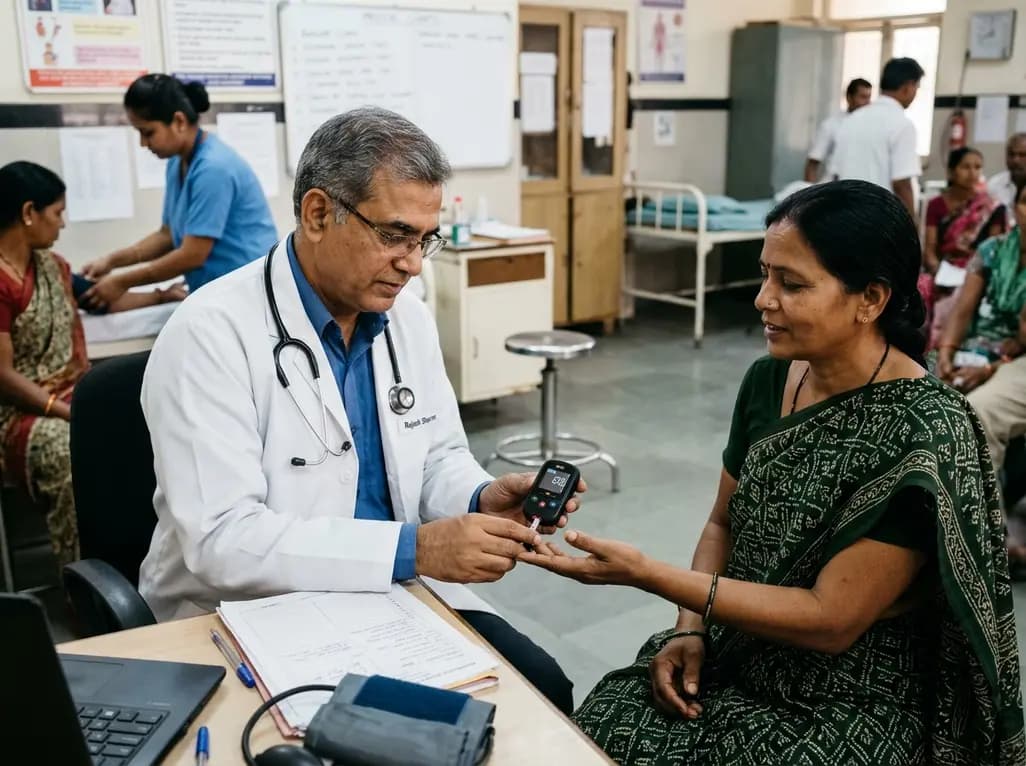
A real-world trial evaluating a near-infrared spectroscopy noninvasive glucose monitoring device in adults with type 2 diabetes demonstrated a combined MAD/MARD of 16.3 across 2,616 paired readings, highlighting its clinical feasibility.
Today
