.webp&w=384&q=75)

Loading, please wait...
Loading, please wait...

Recent breakthroughs in material science have introduced hydrogen-bonded organic frameworks (HOFs) as a promising tool for modern medicine. These frameworks stand out due to their exceptional biocompatibility and ease of synthesis. Specifically, the expansion of HOF nanomaterials applications into oncology suggests a shift toward more personalized and less toxic treatment modalities. By transforming bulk HOFs into precise nanostructures, scientists can now address previous limitations like low conductivity and structural instability.
While bulk HOFs often face structural challenges, nano-structuring provides a robust solution. Researchers utilize composite matrices to create stable environments for these frameworks. Consequently, these modifications enhance the overall porosity and electrical properties of the material. This transformation is vital for practical clinical use, particularly when integrating these materials into diagnostic sensors or therapeutic delivery systems.
The field of oncology significantly benefits from these advancements. For instance, nano-structured HOFs serve as efficient agents in photothermal therapy. Because they offer high solution processability, they provide a versatile platform for drug encapsulation. Furthermore, their metal-free nature reduces the risk of long-term systemic toxicity in patients. Therefore, these materials represent a safer alternative to traditional metal-organic frameworks for intracellular catalysis and targeted therapy.
Ongoing reviews highlight that HOF nanomaterials will likely dominate future research in bio-imaging and regenerative medicine. Their reversible binding allows for responsive drug release based on the tumor microenvironment. Additionally, the synergistic effects of nanoconfinement ensure that therapeutic payloads remain protected until they reach the target site. As the field evolves, clinicians expect to see more refined fabrication strategies tailored for specific diagnostic and therapeutic needs.
Unlike Metal-Organic Frameworks (MOFs), HOFs are metal-free and rely on hydrogen bonding. This often results in better biocompatibility and easier solution processing for medical use.
Nano-structuring HOFs increases their surface area and stability. This allows for better absorption of light and more efficient conversion into heat for targeted cancer cell destruction.
While bulk HOFs are less stable, nano-structured versions or nanocomposites leverage synergistic effects to significantly improve structural integrity under physiological conditions.
Disclaimer: This content is for informational and educational purposes only. It does not constitute medical advice or a professional relationship. Always consult a qualified healthcare provider for medical concerns. Refer to the latest local and national guidelines for clinical practice.
References
1. Zhu Q et al. Nano-structuring hydrogen-bonded organic frameworks: strategies, composites, and functional applications. Chem Soc Rev. 2026 Apr 23. doi: 10.1039/d5cs01279a. PMID: 42023481.
2. Yu DQ et al. Hydrogen-bonded organic frameworks: New horizons in biomedical applications. Chem Soc Rev. 2023;52(21):7504-7523.
3. Song X et al. Design Rules of Hydrogen-Bonded Organic Frameworks with High Chemical and Thermal Stabilities. ACS Cent Sci. 2022;8(6):1043-1055.

Read summarized clinical updates, watch expert medical content, and earn CME certifications right from your smartphone.
Open your smartphone camera to scan and install.





Learn about nano-structuring hydrogen-bonded organic frameworks (HOFs) and their revolutionary applications in photothermal therapy and biocompatible medici...
6 months ago
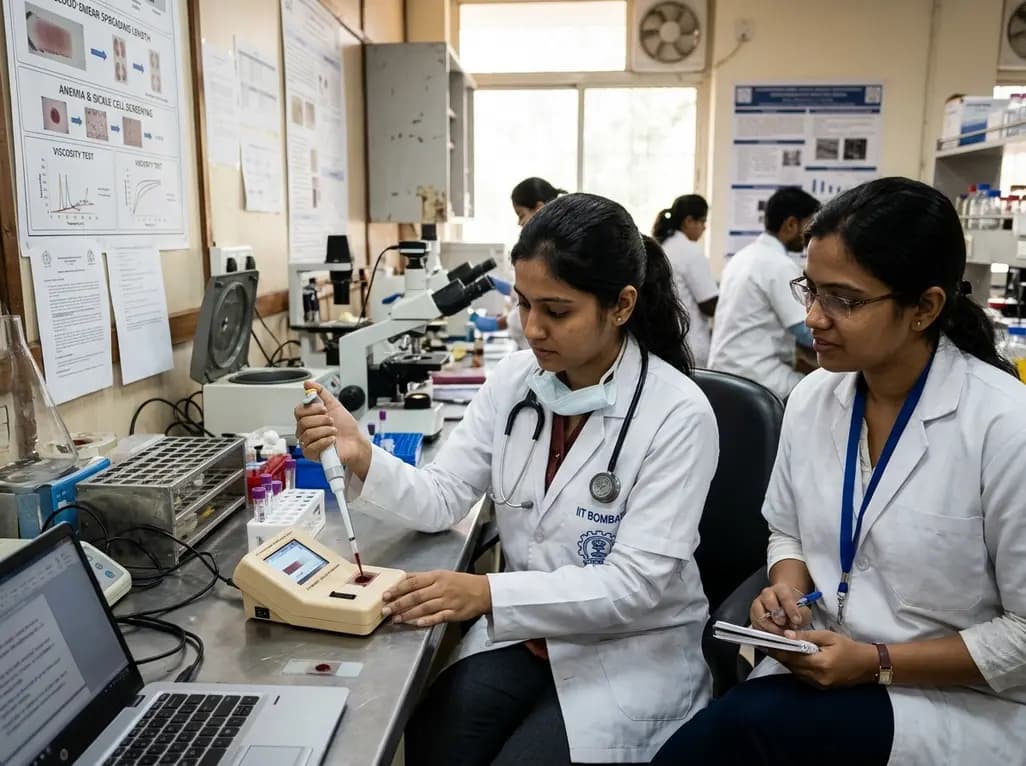
Researchers at IIT Bombay have engineered an automated, cost-effective point-of-care device that diagnoses anaemia and sickle cell disease from a single drop of blood. By measuring blood smear spreading length, this portable tool assesses blood viscosity to offer rapid screening in resource-limited healthcare centers.
Today
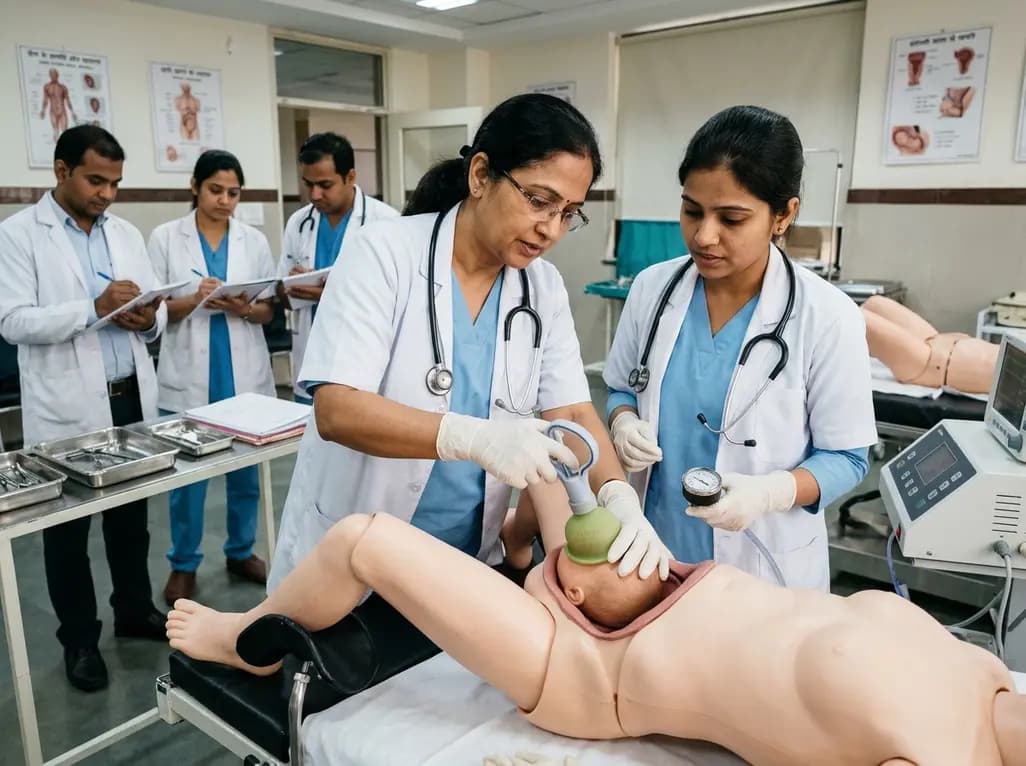
A multicenter study evaluates whether standardized simulation training reduces cup detachment during vacuum-assisted vaginal birth. Evidence-based simulation equips obstetricians to improve cup placement, reduce maternal-fetal trauma, and optimize clinical decision-making during operative deliveries.
Today
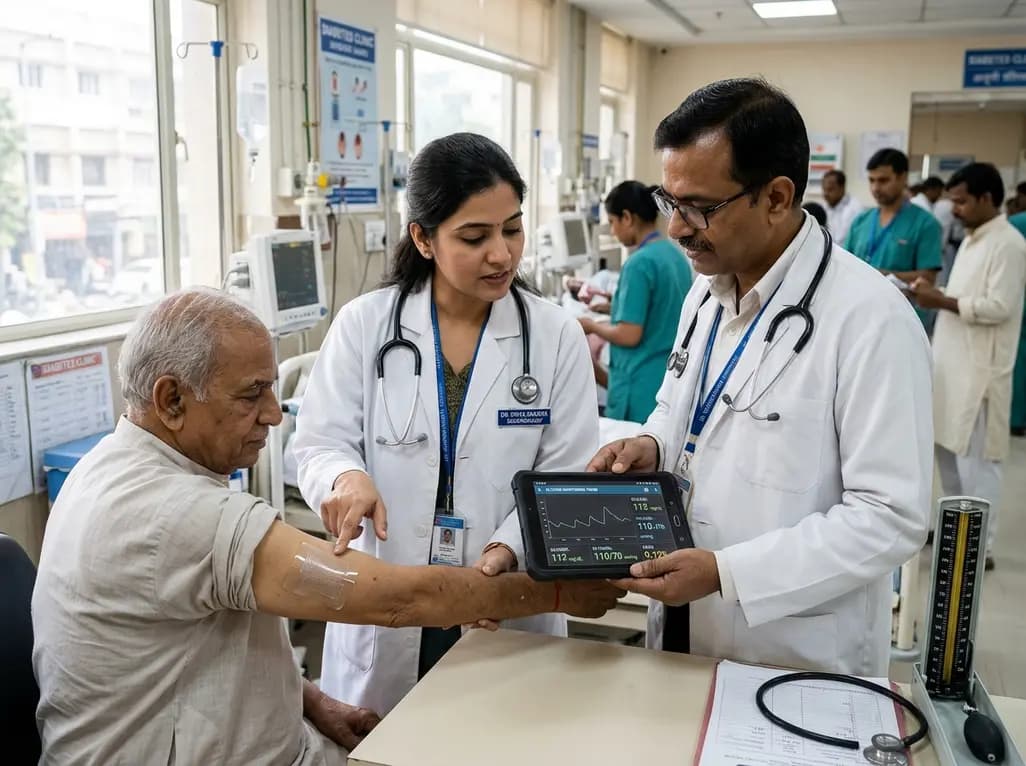
A breakthrough ultrathin multimodal sensor decouples physical hemodynamic monitoring from disposable electrochemical calibration, achieving long-term wearable glucose prediction with 81.36% accuracy and a 9.12% MARD. This offers a robust, drift-free solution for outpatient metabolic surveillance.
Today
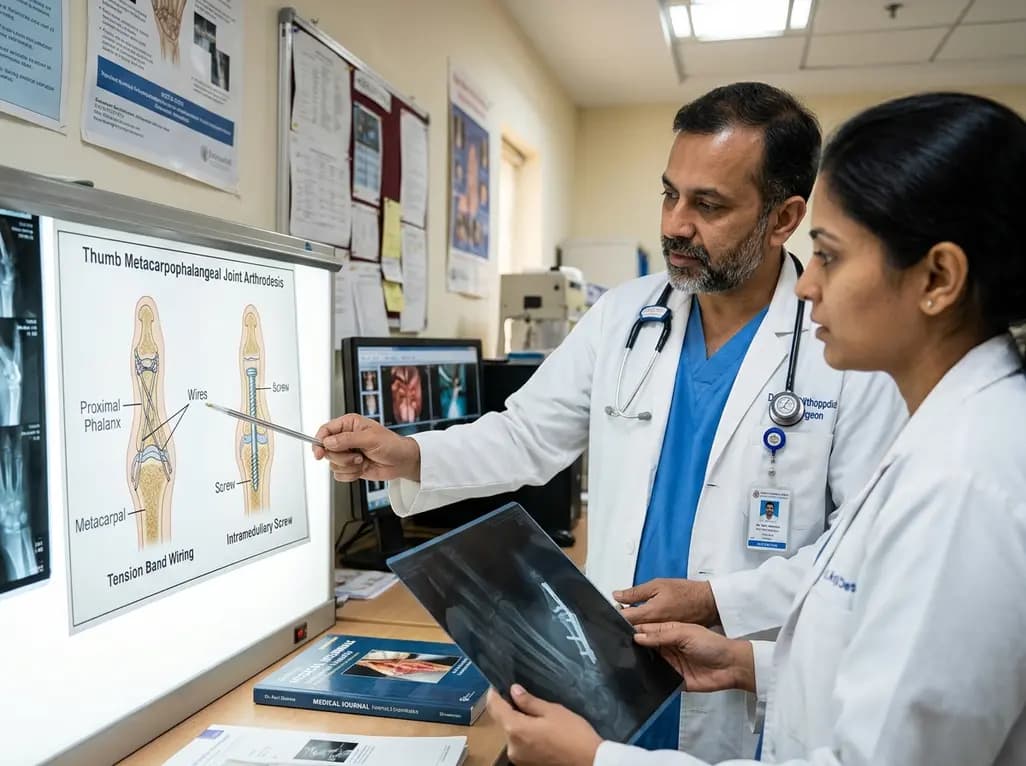
A comparative review of tension band wiring and intramedullary screw fixation in thumb metacarpophalangeal arthrodesis, evaluating union rates, hardware complications, and clinical outcomes.
Today

Following regulatory scrutiny from FSSAI regarding promotional representations and lean muscle preservation claims, Dr. Reddy's Laboratories and Nestlé Health Science are currently reviewing the branding and marketing strategy for their joint nutritional supplement Celevida GLP+.
Today
