.webp&w=384&q=75)

Loading, please wait...
Loading, please wait...

Public health officials currently monitor a suspected hantavirus outbreak management situation involving a British national on the remote island of Tristan da Cunha. This development follows a tragic outbreak aboard the luxury cruise ship MV Hondius. Since the vessel docked on April 15, authorities have worked tirelessly to track all immediate contacts. The British health security agency reported the suspected case on the world’s most remote inhabited island. Although the island houses only 200 people, the ship’s previous stop created significant concern. So far, three individuals died during this specific outbreak, including a Dutch couple and a German national. Additionally, four other patients currently receive treatment in hospitals across the Netherlands, South Africa, and Switzerland.
Effective hantavirus outbreak management requires swift isolation and contact tracing to prevent further spread. Consequently, the U.S. Centers for Disease Control and Prevention (CDC) categorized this event as a \"level 3\" emergency response. This ensures a coordinated international response despite being the lowest level of emergency activation. Health authorities in Singapore and several U.S. states now monitor residents who recently returned from the ship. While the risk of widespread contagion remains low, the potential for rare person-to-person transmission keeps officials on high alert. Experts urge everyone in contact with former passengers to remain mindful of emerging symptoms.
Rodents usually spread hantaviruses through contact with urine, droppings, or saliva. However, researchers identified a specific strain on the MV Hondius that may transmit between humans in rare cases. Because of this possibility, the British health service mandated a 45-day isolation period for asymptomatic nationals returning from the vessel. Doctors should advise patients to monitor for flu-like symptoms after travel to high-risk areas. Furthermore, timely diagnosis remains essential for improving clinical outcomes in severe cases of hantavirus pulmonary syndrome. The World Health Organization (WHO) continues to provide updates as new case numbers are confirmed.
Q1: How does the hantavirus strain on the MV Hondius differ from typical strains?
While most hantaviruses are strictly zoonotic and spread by rodents, the strain identified in this outbreak shows evidence of rare person-to-person transmission.
Q2: What are the current isolation protocols for those exposed to the cruise ship outbreak?
The British health service has asked asymptomatic passengers to isolate for 45 days to ensure they do not develop or spread the virus.
Disclaimer: This content is for informational and educational purposes only. It does not constitute medical advice or replace professional judgment. Refer to the latest local and national guidelines for clinical practice.
References

Read summarized clinical updates, watch expert medical content, and earn CME certifications right from your smartphone.
Open your smartphone camera to scan and install.





A new suspected hantavirus case on Tristan da Cunha follows a deadly outbreak on the MV Hondius, sparking international health monitoring and contact tracin...
5 months ago
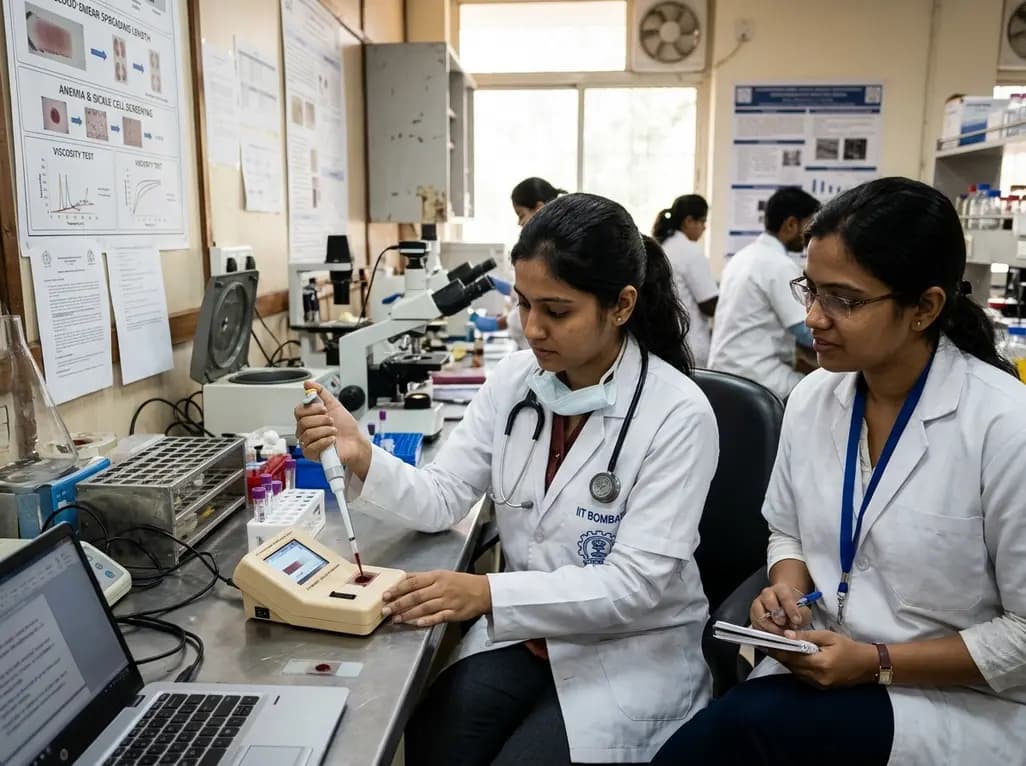
Researchers at IIT Bombay have engineered an automated, cost-effective point-of-care device that diagnoses anaemia and sickle cell disease from a single drop of blood. By measuring blood smear spreading length, this portable tool assesses blood viscosity to offer rapid screening in resource-limited healthcare centers.
Today
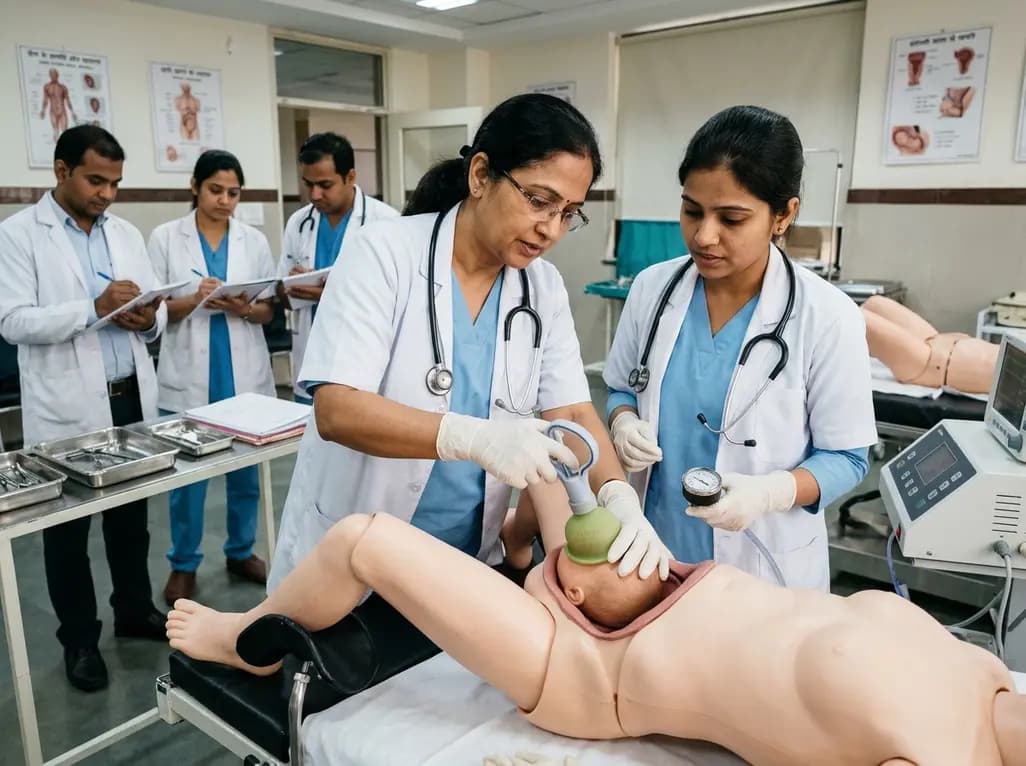
A multicenter study evaluates whether standardized simulation training reduces cup detachment during vacuum-assisted vaginal birth. Evidence-based simulation equips obstetricians to improve cup placement, reduce maternal-fetal trauma, and optimize clinical decision-making during operative deliveries.
Today
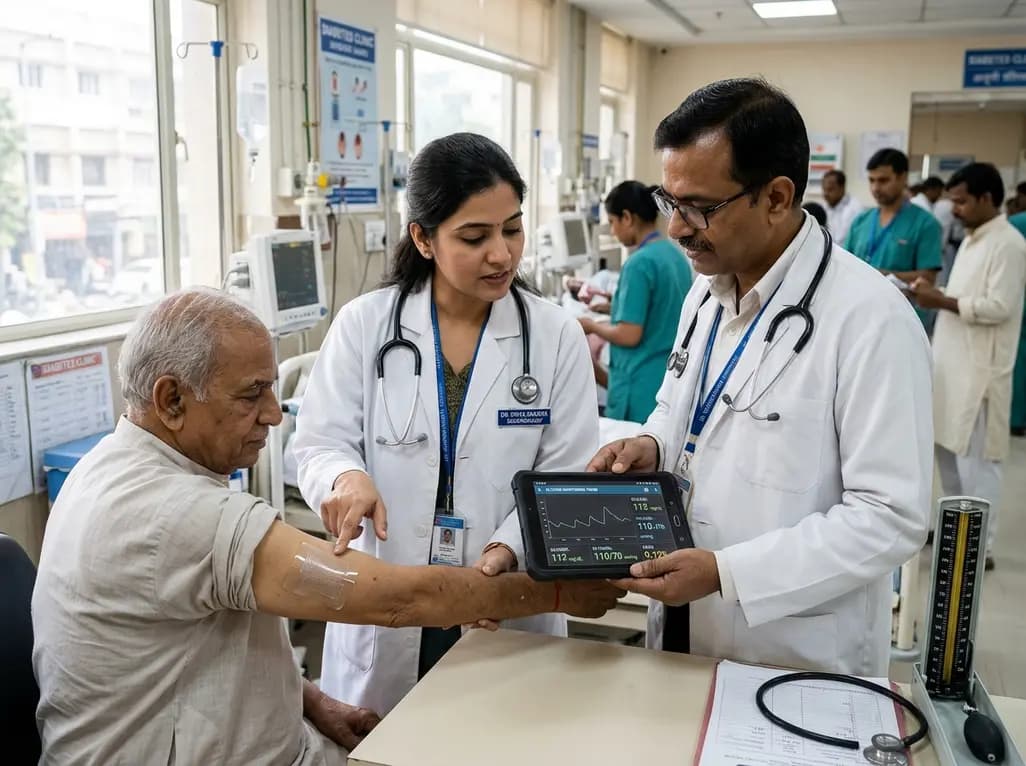
A breakthrough ultrathin multimodal sensor decouples physical hemodynamic monitoring from disposable electrochemical calibration, achieving long-term wearable glucose prediction with 81.36% accuracy and a 9.12% MARD. This offers a robust, drift-free solution for outpatient metabolic surveillance.
Today
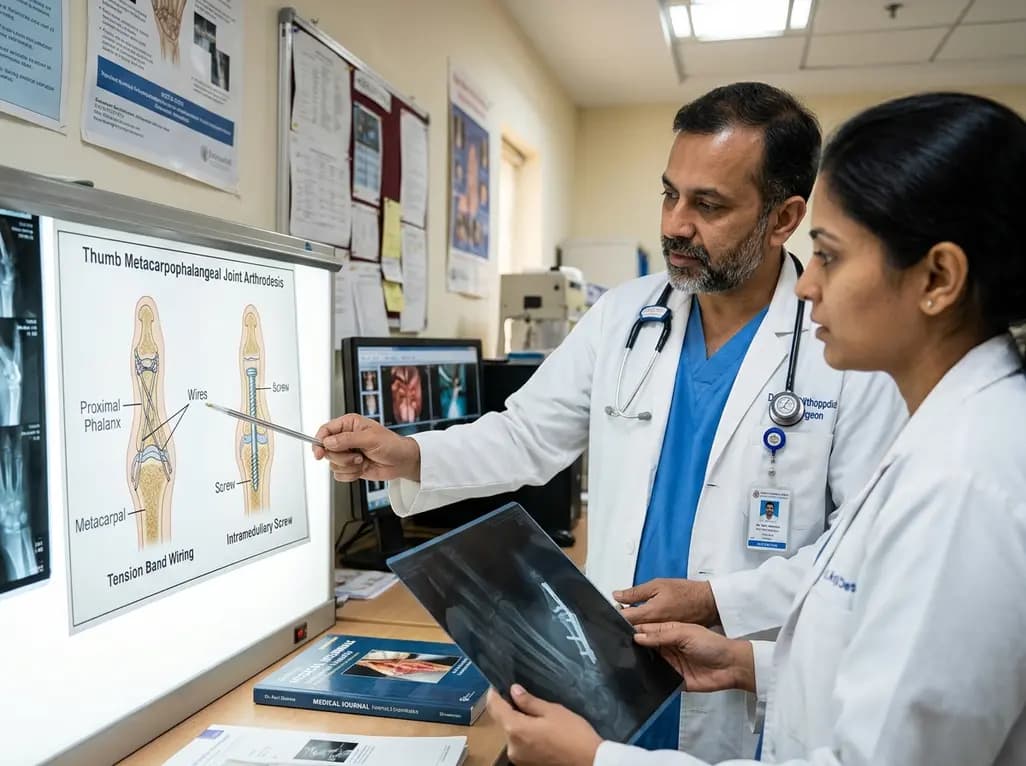
A comparative review of tension band wiring and intramedullary screw fixation in thumb metacarpophalangeal arthrodesis, evaluating union rates, hardware complications, and clinical outcomes.
Today

Following regulatory scrutiny from FSSAI regarding promotional representations and lean muscle preservation claims, Dr. Reddy's Laboratories and Nestlé Health Science are currently reviewing the branding and marketing strategy for their joint nutritional supplement Celevida GLP+.
Today
