.webp&w=384&q=75)

Loading, please wait...
Loading, please wait...

Managing adult patients with grade 2 diffuse glioma presents an intricate challenge for neuro-oncologists. Historically, lower-grade glioma management relied on histology, which often yielded uncertain prognoses. However, modern molecular classification has redefined diagnostic and therapeutic algorithms. Landmark trials established that adding adjuvant alkylating chemotherapy to radiotherapy significantly extends survival in high-risk patients. Despite this established standard, clinicians actively debate whether procarbazine, lomustine, and vincristine (PCV) remains superior to temozolomide (TMZ). Although PCV proved effective in classic prospective studies, it induces notable hematologic toxicity and treatment fatigue. Consequently, many tertiary cancer centers adopted temozolomide as an oral, better-tolerated alternative. Nevertheless, direct comparative effectiveness data within molecularly defined cohorts have remained scarce. Neurologists and oncologists must carefully balance long-term tumor suppression against treatment-induced toxicities. Therefore, real-world observational studies offer vital evidence to guide clinical decision-making. Additionally, differences in drug availability, patient compliance, and supportive care resources heavily influence real-world practice patterns across international oncology centers. Multidisciplinary teams must evaluate each patient's individual risk factors alongside tumor genetics to tailor post-surgical interventions appropriately.
To address persisting clinical questions, Canadian investigators conducted the PROTECT multicentre retrospective study across tertiary academic cancer centers. The researchers analyzed real-world treatment patterns, safety profiles, and survival outcomes among adult patients. Specifically, the final cohort comprised 116 adults diagnosed with clinically defined high-risk grade 2 diffuse glioma. All participants underwent radiotherapy followed by adjuvant alkylating chemotherapy with either TMZ or PCV. In this multi-institutional cohort, the median clinical follow-up reached 71 months, providing mature surveillance data. Furthermore, molecular profiling identified isocitrate dehydrogenase (IDH) mutations in 84.6% of evaluable cases. Additionally, 56.6% of tested tumors harbored concurrent 1p/19q codeletion, aligning with modern World Health Organization classification standards. The investigators systematically collected baseline demographic details, extent of surgical resection, toxicity records, and serial neuroimaging scans. Typical high-risk features included age 40 years or older and incomplete surgical resections. Consequently, this study population accurately reflects everyday clinical presentations encountered in tertiary neuro-oncology referral centers. Moreover, rigorous tracking of follow-up scans allowed researchers to evaluate progression-free intervals with high precision.
The PROTECT study demonstrated favorable long-term survival outcomes across both adjuvant chemotherapy cohorts. Overall, median progression-free survival (PFS) reached 8.4 years, indicating durable disease stability. Furthermore, estimated 3-year and 5-year PFS rates were 83.6% and 77.9%, respectively. Median overall survival was not reached during the extended observation period. Consequently, 3-year and 5-year overall survival rates stood at 97.3% and 94.1%, respectively. In multivariable Cox regression analysis, IDH mutational status emerged as the sole independent predictor of progression-free survival. Specifically, patients with IDH wild-type disease faced a substantially higher risk of tumor progression (HR = 3.54, 95% CI 1.12–11.15; p = 0.03). In contrast, among patients with IDH-mutant tumors, progression-free survival did not differ significantly between TMZ and PCV. Moreover, this equivalent survival pattern persisted in stratified analyses examining 1p/19q codeletion status. Thus, underlying tumor genetics dictate clinical progression far more decisively than the specific alkylating regimen chosen. These findings confirm the vital prognostic relevance of routine molecular characterization. Furthermore, overall survival rates remained remarkably high across both cohorts, reflecting the benefit of modern multidisciplinary care.
Although survival outcomes appeared comparable between regimens, significant differences emerged regarding tolerability and treatment adherence. Indeed, patients receiving PCV experienced markedly higher rates of dose modifications, treatment delays, and severe hematologic toxicities. The multi-agent PCV regimen frequently caused severe neutropenia, anemia, and protracted thrombocytopenia. Consequently, these adverse hematologic events compromised treatment schedules and caused frequent dose reductions. In contrast, oral single-agent temozolomide demonstrated a significantly more manageable toxicity profile in outpatient settings. Patients treated with TMZ experienced fewer grade 3 or 4 adverse events, permitting higher completion rates without lengthy interruptions. Additionally, procarbazine and lomustine often triggered notable non-hematologic toxicities, including severe nausea, anorexia, and cumulative fatigue. Because low-grade glioma patients are often younger working adults, regimen tolerability profoundly influences functional independence and quality of life. Therefore, clinicians frequently favor temozolomide to minimize treatment-related morbidity while maintaining effective oncologic disease control. These real-world observations highlight the practical advantages of temozolomide in daily patient care.
These real-world insights provide actionable guidance for neuro-oncology teams evaluating treatment strategies for high-risk patients. Historically, clinical practice guidelines favored PCV based on older randomized clinical trials. However, procuring procarbazine and lomustine remains challenging in many international healthcare settings, including India. Furthermore, intensive laboratory monitoring for PCV-induced myelosuppression increases administrative and healthcare burdens. In contrast, generic temozolomide is globally accessible, cost-effective, and easy to administer. Because retrospective data demonstrate similar progression-free survival between regimens in IDH-mutant disease, TMZ represents a clinically sound alternative. Nevertheless, physicians must prioritize comprehensive molecular profiling, including IDH mutation and 1p/19q codeletion analysis. Neuro-oncologists also anticipate findings from prospective phase III trials like CODEL to confirm comparative efficacy conclusively. In addition, targeted IDH inhibitors such as vorasidenib may soon reshape upfront therapeutic algorithms. Ultimately, multidisciplinary tumor boards must balance disease control, systemic toxicities, and patient lifestyle when selecting adjuvant regimens. Consequently, integrating these clinical evidence points supports personalized decision-making that optimizes clinical efficacy while mitigating avoidable treatment toxicities.
Isocitrate dehydrogenase (IDH) mutation serves as the dominant prognostic biomarker in grade 2 diffuse glioma. Patients harboring IDH mutations experience significantly longer progression-free survival and overall survival compared to wild-type cases. In the PROTECT study, IDH wild-type status was the sole independent predictor of earlier progression, increasing risk over threefold.
Clinicians frequently choose temozolomide because of its favorable tolerability and convenient oral administration schedule. Unlike PCV, temozolomide rarely causes severe prolonged myelosuppression, emesis, or peripheral neuropathy. Consequently, patients experience fewer dose interruptions and treatment delays. Real-world data show comparable disease control between regimens, making temozolomide an attractive, quality-of-life-preserving alternative for routine outpatient management.
Historically, high-risk status in grade 2 diffuse glioma includes patient age of 40 years or older alongside subtotal surgical resection or simple biopsy. Other adverse factors include tumor diameter exceeding four centimeters and baseline neurological deficits. Modern risk stratification also incorporates molecular markers, identifying IDH wild-type status as a high-risk indicator requiring aggressive management.
Disclaimer: This content is for informational and educational purposes only... Refer to the latest local and national guidelines for clinical practice.
References

Read summarized clinical updates, watch expert medical content, and earn CME certifications right from your smartphone.
Open your smartphone camera to scan and install.





The multicentre PROTECT study evaluated adjuvant temozolomide versus PCV following radiotherapy in high-risk WHO grade 2 diffuse glioma. Survival was comparable between regimens in IDH-mutant tumors, while PCV caused significantly higher hematologic toxicity and treatment delays. IDH status was the primary driver.
Today

A crossover study demonstrates that locally deployed large language models with exact-match knowledge augmentation significantly elevate outpatient prescription review accuracy to 97.2%, curbing hallucinations and securing patient data without requiring complex cloud infrastructure.
Today
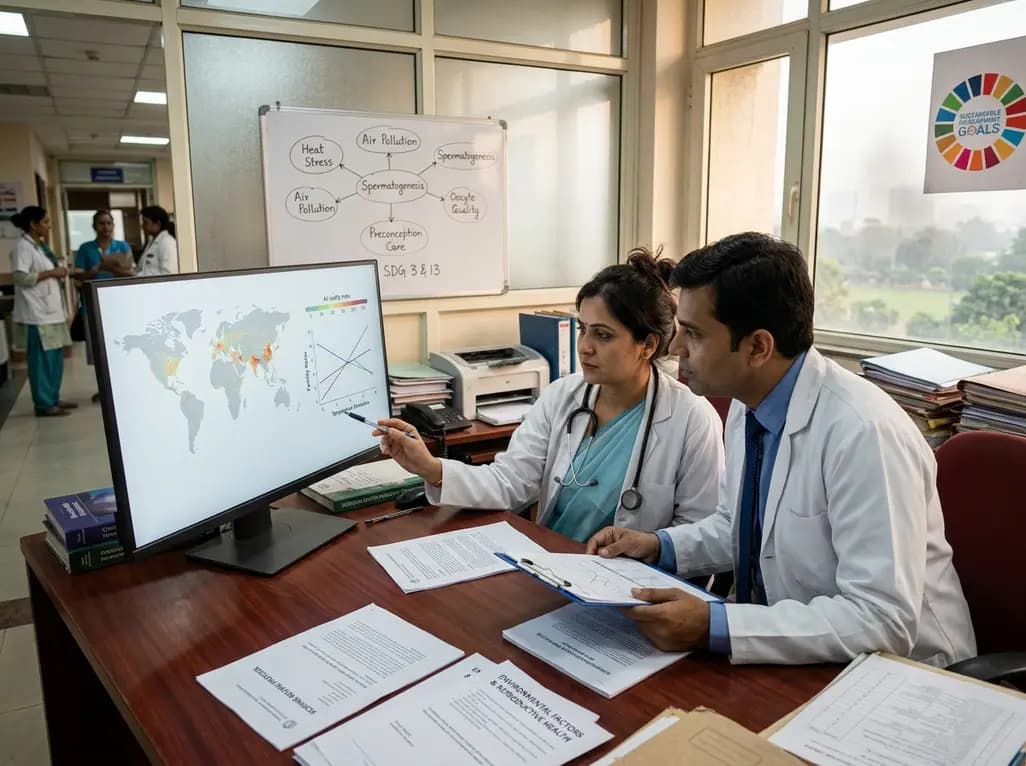
A new scoping review protocol systematically maps global evidence on how climatic shifts, ambient heat, and pollution impact human fertility. Discover key physiological mechanisms, clinical preconception strategies, and critical public health alignments under Sustainable Development Goals 3 and 13.
Today

Pharmacogenomics and artificial intelligence are revolutionizing cardiology by tailoring therapies to individual genetic profiles and clinical data, reducing adverse drug events, and improving cardiovascular patient outcomes.
Today
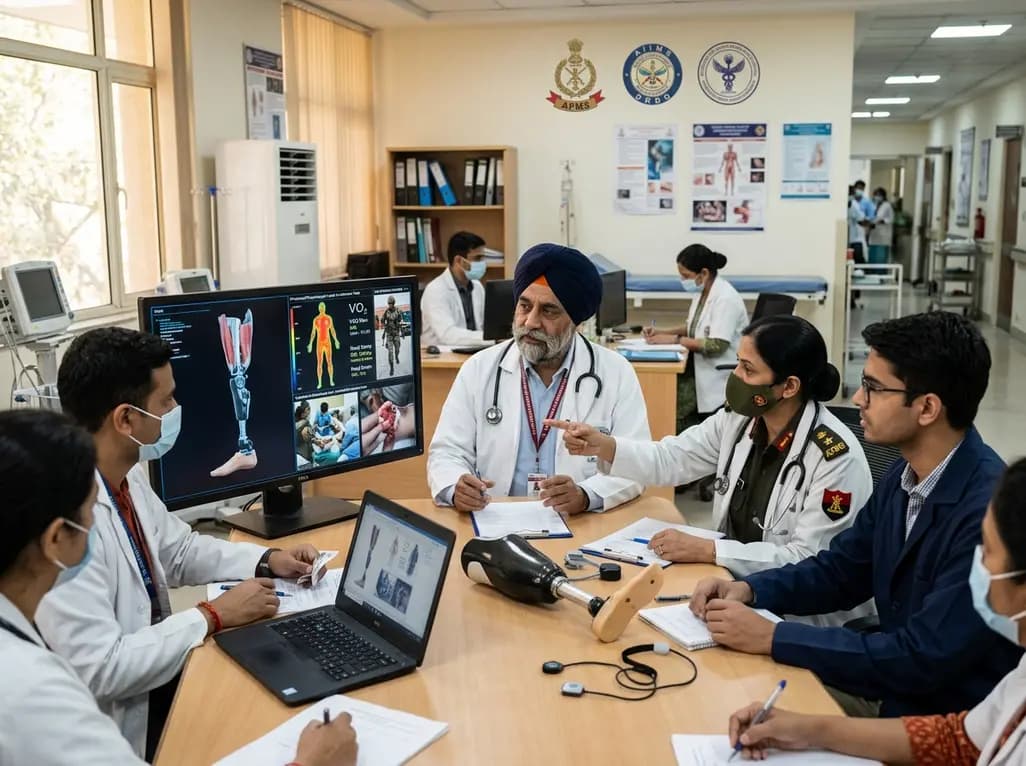
India's premier scientific bodies have joined the Armed Forces Medical Services to solve unique physiological and operational challenges faced by soldiers. The national collaboration covers combat casualty care, artificial intelligence diagnostics, bionic prosthetics, and extreme-environment physiological resilience.
Today
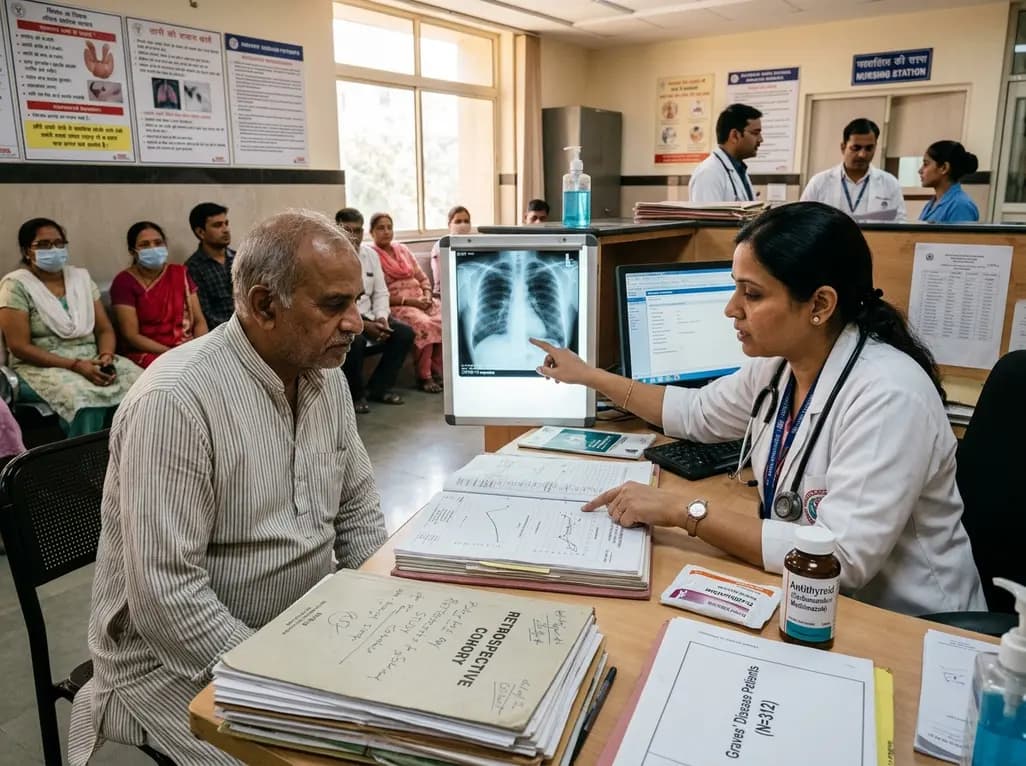
A retrospective cohort study evaluates the short- and long-term impacts of SARS-CoV-2 infection on patients with Graves' disease receiving antithyroid drug therapy, highlighting thyroid status destabilization, clinical symptom exacerbations, and post-viral sequelae.
Today
