.webp&w=384&q=75)

Loading, please wait...
Loading, please wait...
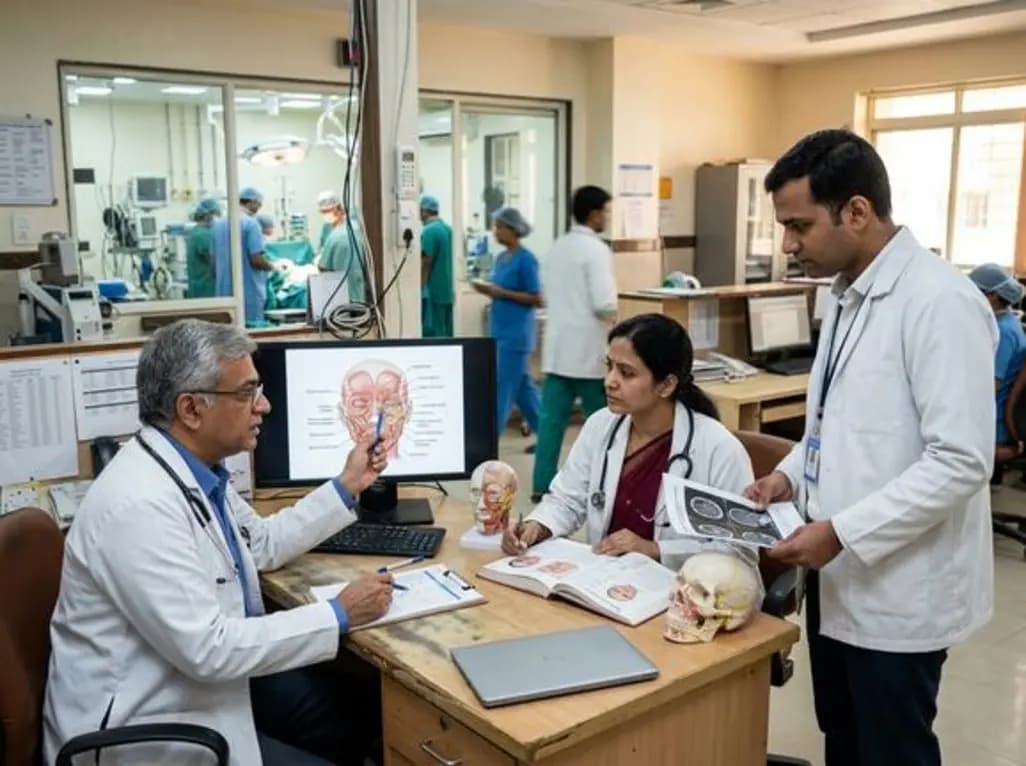
Tracking facial reanimation outcomes has historically been a challenge for surgeons due to the wide variety of tools and assessment timings used across different medical centers. Consequently, comparing the effectiveness of different surgical techniques remained difficult and often biased. To address this, an international group of 22 facial nerve experts conducted a rigorous consensus-building process between January and September 2025. Their goal was to create a standardized framework that ensures every surgeon reports results in a consistent, measurable way.
Furthermore, this multispecialty group represented 12 countries and five continents, ensuring the guidelines reflect global clinical practices. During their meetings, the experts developed specific statements for various procedures, including facial nerve repair, free muscle transfer for smile restoration, and selective facial neurectomies. Out of 46 developed recommendations, the group reached a consensus on 45, with 74% of the statements receiving unanimous agreement from the entire panel.
Standardizing facial reanimation outcomes allows for more robust comparative effectiveness research. Specifically, the new guidelines provide 6 recommendations for general outcomes reporting, 9 for free muscle transfer smile reanimation, and 8 for selective facial myectomies. Additionally, the experts established standards for nerve transfers, static facial suspension, and temporalis transfers. By following these standardized protocols, clinicians in India and abroad can evaluate their surgical results more objectively and contribute to a more transparent global database of facial nerve recovery data.
Moreover, these recommendations help eliminate the inconsistencies that often plague clinical literature. For example, the timing of post-operative assessments is now more clearly defined, which reduces the risk of reporting premature or misleading success rates. Therefore, these guidelines serve as a critical tool for both established reconstructive surgeons and residents in training who are seeking to optimize patient recovery and functional results.
By standardizing how outcomes are measured, surgeons can identify which techniques consistently yield the best functional and aesthetic results. This leads to more evidence-based decision-making and improved patient counseling regarding expected recovery timelines.
The consensus covers a broad range of procedures, including primary facial nerve repair, free muscle transfers for smile restoration, selective myectomies, nerve transfers (such as masseteric or hypoglossal), and static suspension techniques.
Consensus ensures that experts from different specialties and regions agree on the most critical metrics. This agreement makes it possible to aggregate data from multiple studies, which is essential for high-quality meta-analyses and developing national clinical protocols.
Disclaimer: This content is for informational and educational purposes only. It is not a substitute for professional medical advice, diagnosis, or treatment. Always seek the advice of your physician or other qualified healthcare provider with any questions you may have regarding a medical condition. Refer to the latest local and national guidelines for clinical practice.
References
Miller MQ et al. International and Multispecialty Expert Consensus on Standardization of Facial Reanimation Surgical Outcomes Reporting. Facial Plast Surg Aesthet Med. 2026 Jun 19. doi: 10.1177/26893614261455000. PMID: 42321963.
Oyer SL et al. International, Multispecialty Expert Consensus on Nomenclature for Facial Paralysis. Facial Plast Surg Aesthet Med. 2025;27(2):112-120.
Loyo Li M. Invited Commentary on: "International and Multispecialty Expert Consensus on Standardization of Facial Reanimation Surgical Outcomes Reporting." Facial Plast Surg Aesthet Med. 2026 Jun 12. doi: 10.1177/26893614261461868.
"
Read summarized clinical updates, watch expert medical content, and earn CME certifications right from your smartphone.
Open your smartphone camera to scan and install.





A multispecialty group of 22 international experts has developed 46 consensus recommendations to standardize how surgical results are reported for facial reanimation. These guidelines cover nerve repair, muscle transfers, and selective myectomies, aiming to facilitate unbiased evaluation of surgical success.
4 months ago
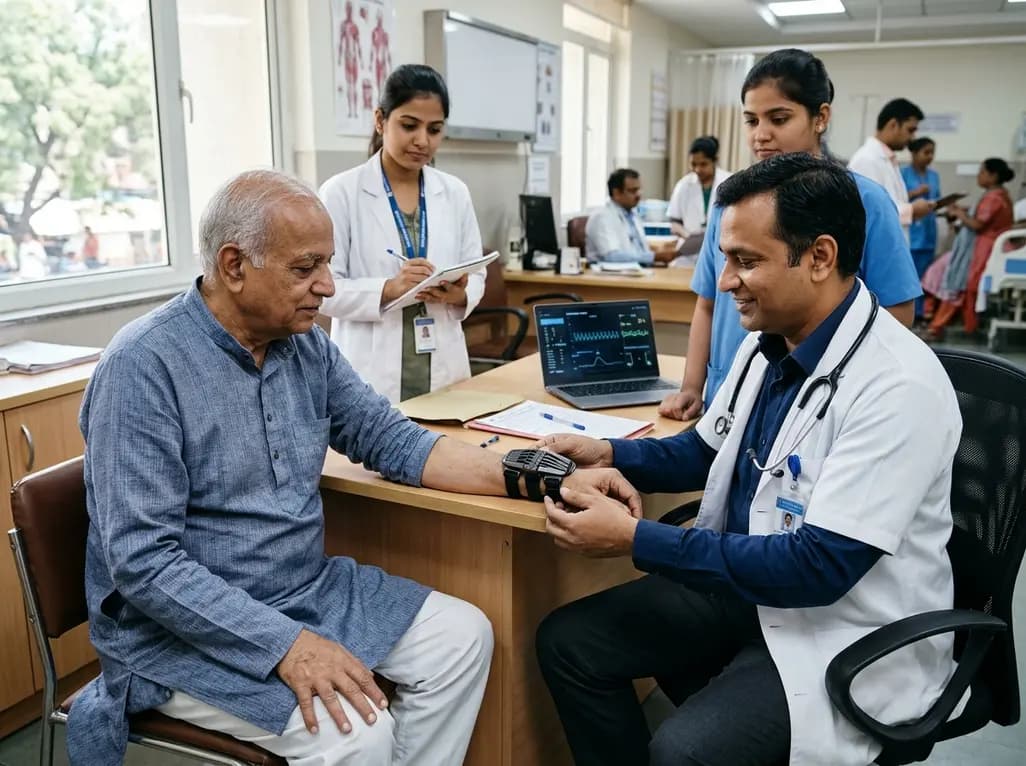
The TREM-AB open-label pilot study evaluated a wearable passive nonlinear vibration absorber for essential tremor. The Nonlinear Energy Sink bracelet reduced clinical Fahn-Tolosa-Marin tremor scores by 32.1% and electrophysiological tremor power by 49.2% with no adverse effects reported.
Today

A study in JAMIA Open shows lightweight open-source reasoning LLMs achieve up to 95% sensitivity and accelerate evidence synthesis screening by nearly twentyfold, presenting a cost-effective, scalable AI solution for biomedical research and systematic reviews.
Today
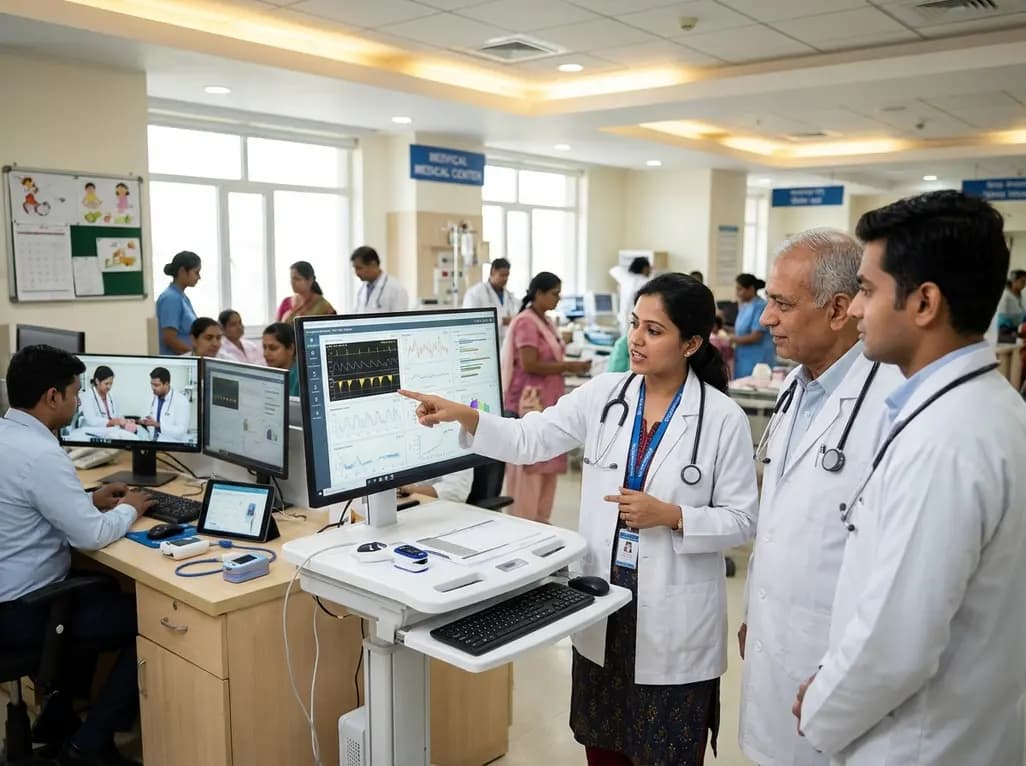
A landmark study details how an enterprise pediatric remote patient management model expanded from a single cardiology pilot to 16 diverse specialty programs by combining centralized digital operations with specialty clinical leadership.
Today
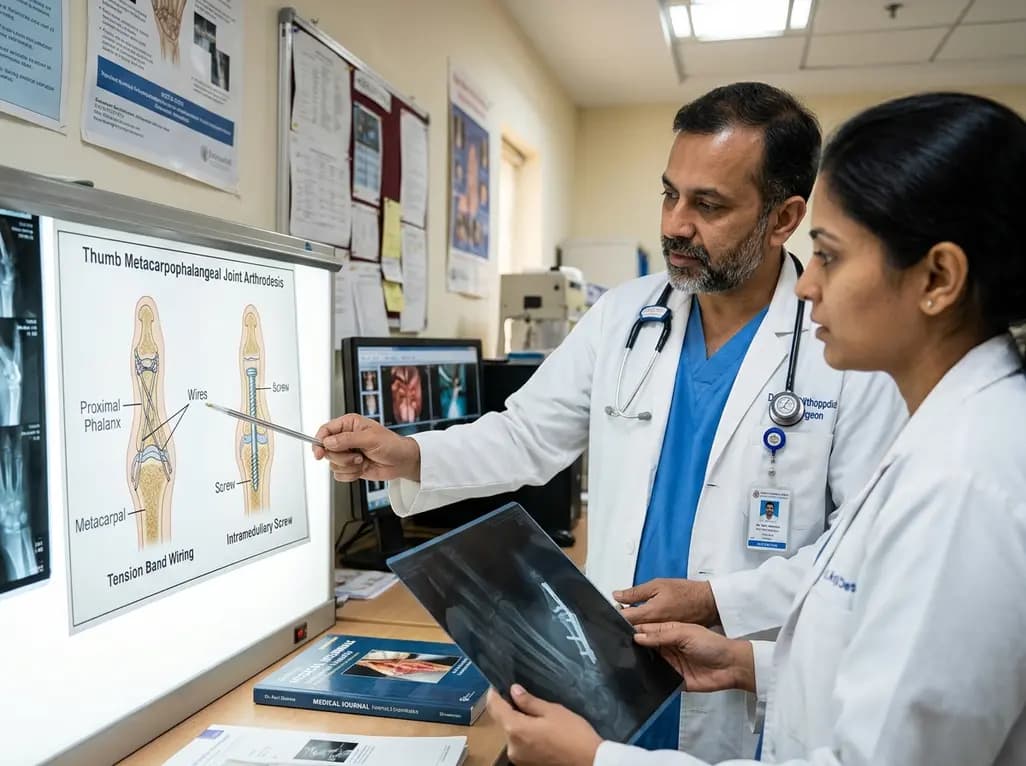
A comparative review of tension band wiring and intramedullary screw fixation in thumb metacarpophalangeal arthrodesis, evaluating union rates, hardware complications, and clinical outcomes.
Today
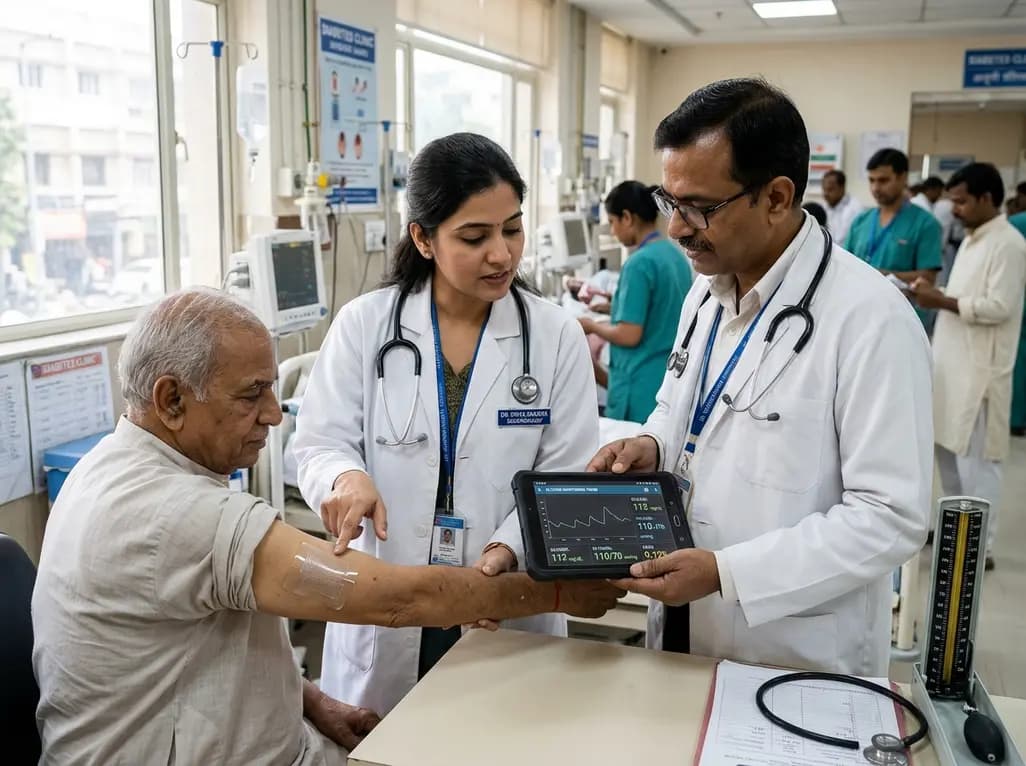
A breakthrough ultrathin multimodal sensor decouples physical hemodynamic monitoring from disposable electrochemical calibration, achieving long-term wearable glucose prediction with 81.36% accuracy and a 9.12% MARD. This offers a robust, drift-free solution for outpatient metabolic surveillance.
Today
