.webp&w=384&q=75)

Loading, please wait...
Loading, please wait...
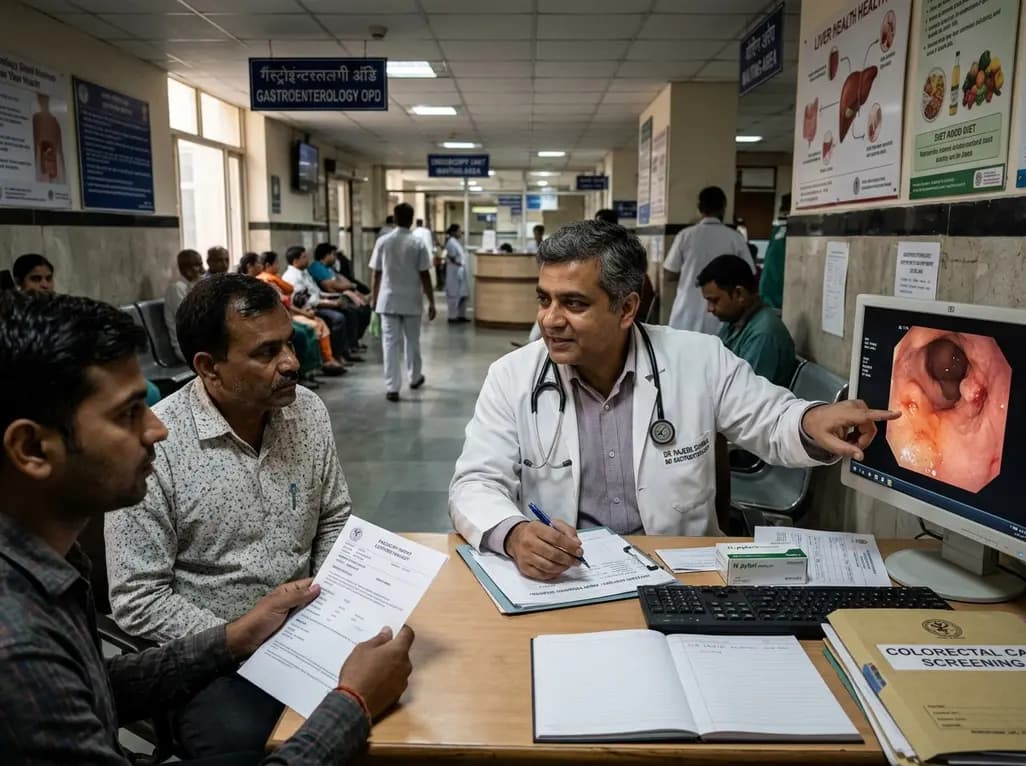
India is experiencing a profound epidemiological transition in its digestive healthcare landscape. Public health interventions, expanding immunisation drives, and better sanitation infrastructure have reduced many classical infectious ailments across the country. However, clinicians now face an unprecedented surge in lifestyle-related metabolic and malignant gastrointestinal conditions. The changing pattern of gastrointestinal diseases in India reflects a complex double disease burden today. While communicable enteric pathogens continue to challenge community health, non-communicable digestive disorders are escalating rapidly across diverse demographic groups.
Furthermore, leading gastroenterology experts emphasize that rapid urbanization, refined dietary habits, and sedentary routines drive these modern pathologies. Consequently, primary care physicians and specialists must recalibrate their routine clinical algorithms. They need to identify chronic metabolic dysfunctions while concurrently managing persistent parasitic and bacterial infections. In addition, national and international scientific forums highlight the urgency of early intervention and preventive digestive health frameworks. Healthcare professionals must therefore move away from reactive symptom management. Instead, medical teams should actively implement structured risk assessments during routine patient consultations. Ultimately, timely clinical recognition will improve patient outcomes across diverse healthcare tiers. Clinicians must maintain high clinical suspicion to prevent irreversible end-stage organ damage.
Fatty liver disease has emerged as a pervasive public health emergency throughout the Indian subcontinent. Recent systematic reviews from premier medical institutions reveal that metabolic dysfunction-associated steatotic liver disease affects approximately 38.6 percent of Indian adults. Moreover, the condition impacts 35.4 percent of pediatric cohorts, highlighting an alarming metabolic trend among younger generations. This chronic metabolic disorder remains closely linked with type 2 diabetes mellitus, visceral obesity, dyslipidemia, and arterial hypertension. Unfortunately, hepatic steatosis frequently progresses silently without overt clinical symptoms for several years.
Recent investigative data demonstrate that one in four patients with type 2 diabetes suffers from clinically significant liver fibrosis. Therefore, national health authorities integrated non-alcoholic fatty liver disease into formal non-communicable disease control programs. Primary care providers must actively screen high-risk individuals rather than waiting for decompensated liver disease to appear. Clinicians can utilize non-invasive fibrosis scores, serum transaminases, and abdominal ultrasonography for initial evaluation. Additionally, physicians should recommend intensive lifestyle modifications, balanced nutrition, and structured physical activity to reverse early steatosis. Early detection provides a crucial clinical window to halt disease progression toward cirrhosis and hepatocellular carcinoma.
Colorectal cancer represents another rapidly escalating clinical crisis across the nation. Oncologists and gastroenterologists report an increasing incidence of lower gastrointestinal malignancies among adults younger than fifty years of age. National cancer registries recorded over 40,000 cases in men and 24,000 cases in women during recent surveillance cycles. Consequently, medical practitioners cannot dismiss common lower digestive symptoms as simple hemorrhoids or functional bowel disorders. Warning signs include rectal bleeding, persistent alteration in bowel habits, unexplained weight loss, and microcytic anemia.
Furthermore, young patients often present with advanced distal colonic or rectal tumors due to diagnostic delays. Therefore, primary care clinicians must maintain a low threshold for recommending diagnostic colonoscopy in symptomatic younger individuals. In addition, westernized dietary patterns, ultra-processed foods, physical inactivity, and gut microbiome alterations contribute significantly to early malignant transformation. Family history also warrants thorough exploration to identify hereditary cancer syndromes such as Lynch syndrome early. Thus, prompt referral and timely endoscopic evaluation remain imperative to improve survival rates and reduce cancer morbidity.
While metabolic and malignant disorders rise, chronic gastrointestinal infections still pose severe health challenges across India. Helicobacter pylori infection remains exceptionally widespread and drives peptic ulcer disease, chronic gastritis, and gastric adenocarcinoma. Similarly, intestinal helminthic infestations continue to affect children and vulnerable populations, contributing to persistent iron deficiency anemia and childhood undernutrition. At the same time, autoimmune and inflammatory conditions are showing an unexpected surge across major urban and semi-urban centers.
Clinicians previously viewed celiac disease and inflammatory bowel disease as textbook rarities in Indian medical practice. However, contemporary epidemiological studies reveal that celiac disease affects roughly one in 96 individuals in northern India. Moreover, tertiary gastroenterology centers now encounter ulcerative colitis and Crohn's disease on a weekly basis. Environmental changes, industrialization, dietary alterations, and gut microbiome perturbations likely fuel this immunological transition. Consequently, medical practitioners must differentiate between functional bowel syndromes, chronic infections, and autoimmune enteropathies through targeted serological and endoscopic evaluations. A comprehensive diagnostic approach ensures tailored therapeutic regimens and prevents unnecessary treatment delays.
Establishing structured diagnostic workflows is essential for tackling the rising digestive disease burden in India. Healthcare providers must proactively investigate any persistent gastrointestinal symptom lasting beyond two to three weeks. Because early-stage gastrointestinal malignancies and liver fibrosis often remain asymptomatic, routine risk stratification is necessary in primary care. Clinicians should incorporate metabolic screening, abdominal ultrasound, and stool occult blood testing into standard annual health check-ups.
Furthermore, modern advancements in high-definition endoscopy, artificial intelligence diagnostics, and gut microbiome analysis offer promising avenues for early disease detection. Telemedicine platforms and updated primary care training modules also expand diagnostic capabilities across semi-urban and rural centers. In addition, physician-led patient education regarding balanced dietary choices, reduced sugar intake, and active lifestyles can significantly lower metabolic risk. When primary care clinicians detect red flag symptoms early, they should promptly collaborate with gastroenterology specialists. Ultimately, bridging public health awareness with advanced clinical interventions will reduce morbidity and enhance long-term patient health outcomes.
Q1: Why are metabolic gastrointestinal conditions rapidly rising in India?
Metabolic gastrointestinal conditions are escalating in India primarily due to rapid urbanization, sedentary lifestyle habits, and modern dietary transitions toward processed foods. In addition, these factors contribute to rising rates of obesity, insulin resistance, and type 2 diabetes across various demographic cohorts. Consequently, metabolic dysfunction-associated steatotic liver disease and early-onset digestive malignancies have become increasingly prevalent in routine clinical practice nationwide.
Q2: What clinical red flags warrant immediate colonoscopy in younger patients?
Clinicians should promptly investigate any patient experiencing persistent hematochezia, unexplained iron deficiency anemia, or unexplained weight loss. Furthermore, sudden and persistent changes in bowel habits lasting more than two to three weeks require thorough diagnostic evaluation. Because colorectal cancer incidence is rising among younger adults, practitioners must avoid attributing these red flag symptoms solely to hemorrhoids or benign functional bowel disorders.
Q3: How should primary care physicians screen for silent fatty liver disease?
Primary care physicians should routinely screen high-risk individuals, especially those with type 2 diabetes mellitus, central obesity, dyslipidemia, or hypertension. In addition, initial evaluation involves calculating non-invasive fibrosis scores, measuring serum transaminases, and performing abdominal ultrasonography. When testing detects elevated liver enzymes or moderate steatosis, clinicians should recommend lifestyle modifications and refer patients for specialized elastography to assess fibrosis severity accurately.
Disclaimer: This content is for informational and educational purposes only. It does not constitute medical advice or replace professional judgment. Refer to the latest local and national guidelines for clinical practice.
References

Read summarized clinical updates, watch expert medical content, and earn CME certifications right from your smartphone.
Open your smartphone camera to scan and install.





India faces an epidemiological shift in digestive health, marked by rising metabolic fatty liver disease and early-onset colorectal cancer alongside chronic infections like H. pylori. Clinicians must prioritize early detection, comprehensive metabolic screening, and timely endoscopic evaluations in daily practice.
4 weeks back

A bioengineered oral nanozyme microsupplement converts pathological ROS into a protective polydopamine hydrogel shield. By curbing neutrophil extracellular traps and balancing T cells, this platform outperforms standard 5-ASA in preclinical colitis models, opening new paths for sustained remission.
Today
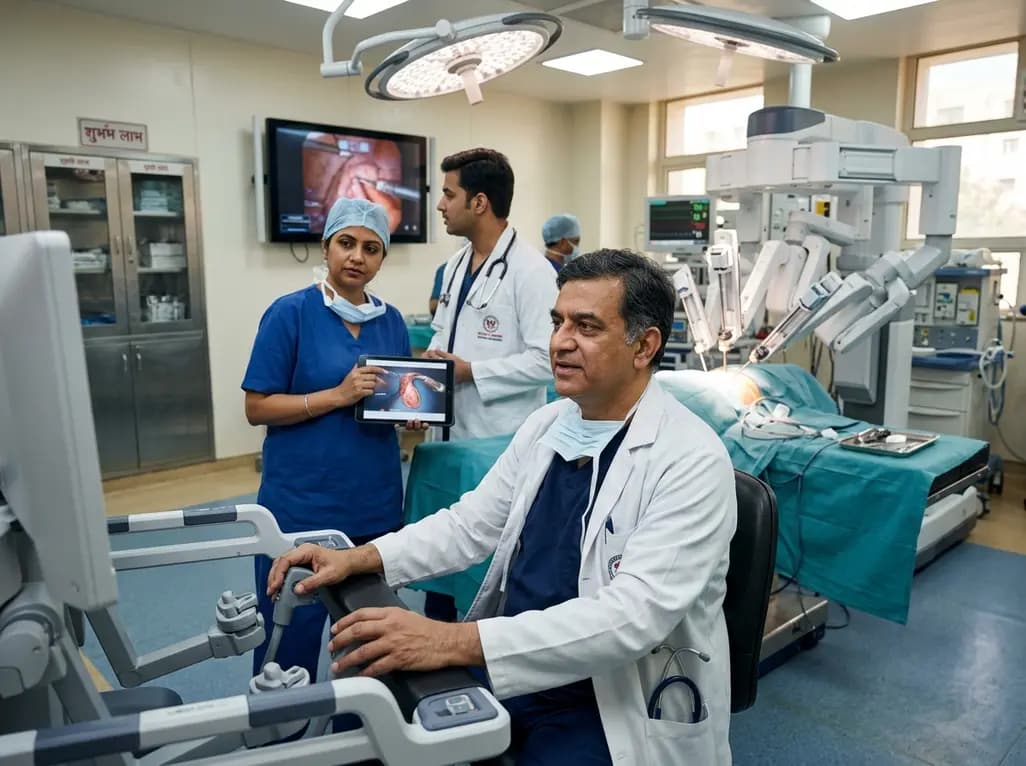
India experiences an exponential rise in robotic-assisted procedures, with Delhi NCR leading system installations and clinical volume. Discover how multidisciplinary surgical adoption, remote telesurgery breakthroughs, and standardized international consensus guidelines are shaping surgical care nationwide.
Today
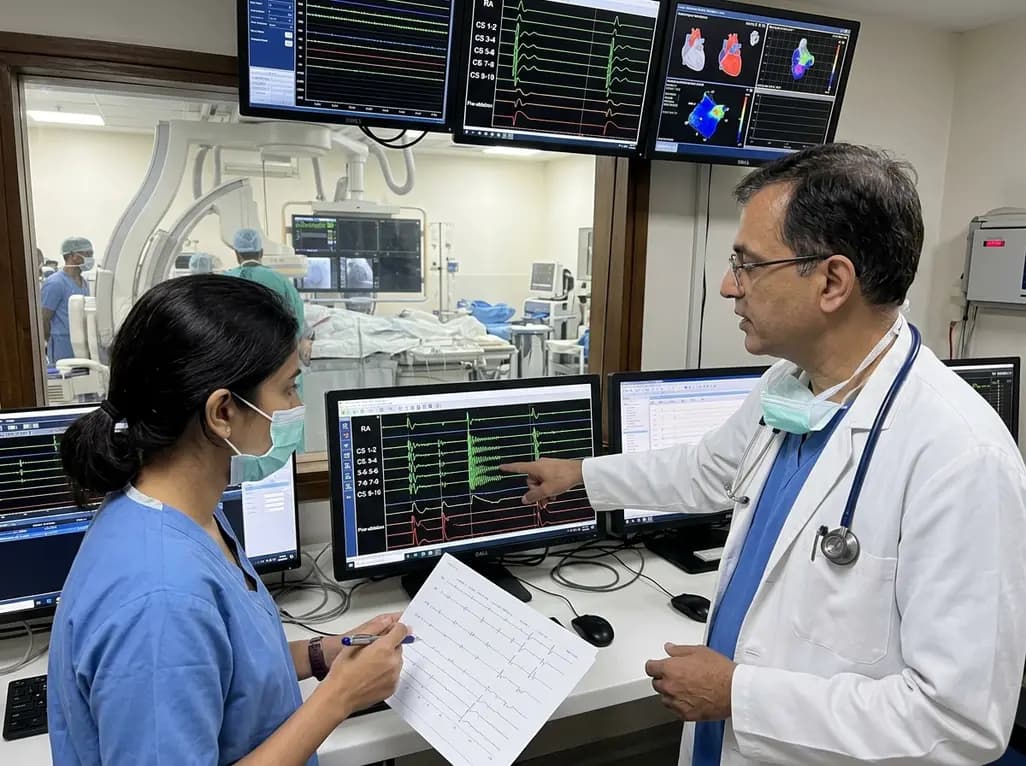
Radiofrequency catheter ablation of the cavotricuspid isthmus successfully terminates typical atrial flutter. This article reviews the mechanisms driving coronary sinus electrogram changes, wavefront activation pathways, and clinical criteria to verify bidirectional block during electrophysiology studies.
Today
A study comparing four knee flexion strength tests after ACL reconstruction using hamstring tendon autografts reveals marked variability in limb symmetry indices. Clinicians must recognize that different strength testing modalities yield divergent return-to-sport clearance rates.
Today
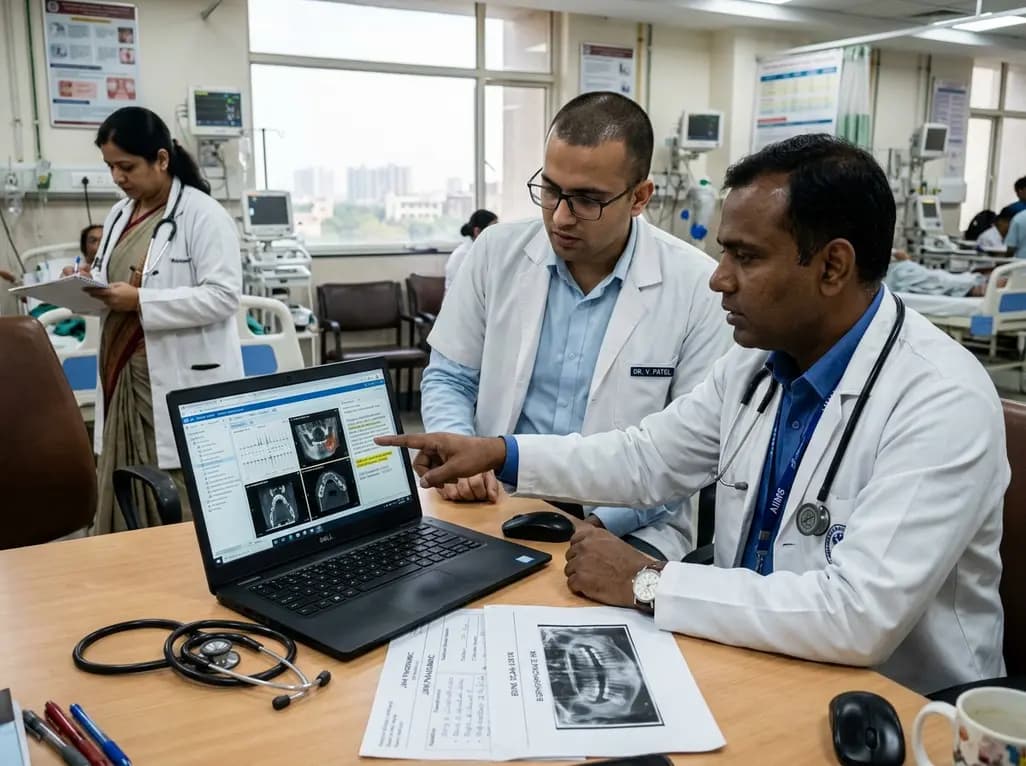
A breakthrough study leverages natural language processing to accurately identify incident medication-related osteonecrosis of the jaw and track antiresorptive drug holidays from clinical narratives in electronic health records, advancing osteoporosis pharmacovigilance and dental safety.
Yesterday
