.webp&w=384&q=75)

Loading, please wait...
Loading, please wait...

Gastric cancer incidence projections for Aotearoa New Zealand indicate a substantial increase in the absolute disease burden over the next two decades. Although age-standardized rates are falling, researchers anticipate a 47.7% rise in total annual cases by 2045. This trend reflects broader global patterns where population growth and an aging demographic outweigh improvements in primary prevention. Specifically, Māori and Pacific populations face the highest risk, necessitating urgent equity-focused interventions and clinical vigilance.
The study utilized data from the New Zealand Cancer Registry spanning 2001 to 2022. By applying an age-period-cohort approach, the authors modeled future trends across various regions and ethnicities. Consequently, the Northern Region will experience the largest absolute rise in registrations. Furthermore, while all ethnic groups show a modest decline in incidence rates, the absolute number of cases will grow significantly. Therefore, healthcare systems must prepare for a higher volume of patients requiring specialized care and endoscopic monitoring.
Clinicians must prioritize early diagnosis and Helicobacter pylori control to mitigate this looming challenge. Since demographic expansion drives case growth, the demand for endoscopy and surgical oncology services will likely escalate. Additionally, timely diagnostic pathways remain critical for improving survival outcomes among high-risk groups. Therefore, regional planning should integrate targeted screening programs for populations experiencing rapid growth to prevent late-stage presentations.
These projections provide a roadmap for future oncology service delivery and resource allocation. Notably, they highlight the need for expanded specialist cancer services in rapidly growing urban centers. By addressing ethnic inequities and regional disparities now, providers can ensure more equitable outcomes for future generations. Moreover, the data suggests that standard prevention strategies alone may not suffice without addressing the specific needs of vulnerable populations.
The total number of cases is rising because the population is growing and getting older. Consequently, even as the risk for any single person decreases slightly, the overall number of people developing the disease increases significantly.
Māori and Pacific peoples in New Zealand experience significantly higher rates than other groups. Therefore, researchers advocate for targeted screening and Helicobacter pylori eradication programs to address these persistent health inequities effectively.
Disclaimer: This content is for informational and educational purposes only and does not constitute medical advice. Always seek the advice of a qualified healthcare provider regarding any medical condition. Refer to the latest local and national guidelines for clinical practice.
References
Walsh M et al. Regional and ethnic projections of gastric cancer incidence in Aotearoa New Zealand to 2045: identifying opportunities for targeted action. N Z Med J. 2026 May 08. doi: 10.26635/6965.7460. PMID: 42096700.
Pilleron S, et al. Global lifetime estimates of expected and preventable gastric cancers across 185 countries. Nat Med. 2025.
Sung H, et al. Global Cancer Statistics 2020: GLOBOCAN Estimates of Incidence and Mortality Worldwide for 36 Cancers in 185 Countries. CA Cancer J Clin. 2021;71(3):209-249.
"
Read summarized clinical updates, watch expert medical content, and earn CME certifications right from your smartphone.
Open your smartphone camera to scan and install.





A new study predicts a 47.7% rise in gastric cancer cases by 2045, highlighting the urgent need for equity-focused screening and specialist service planning...
5 months ago
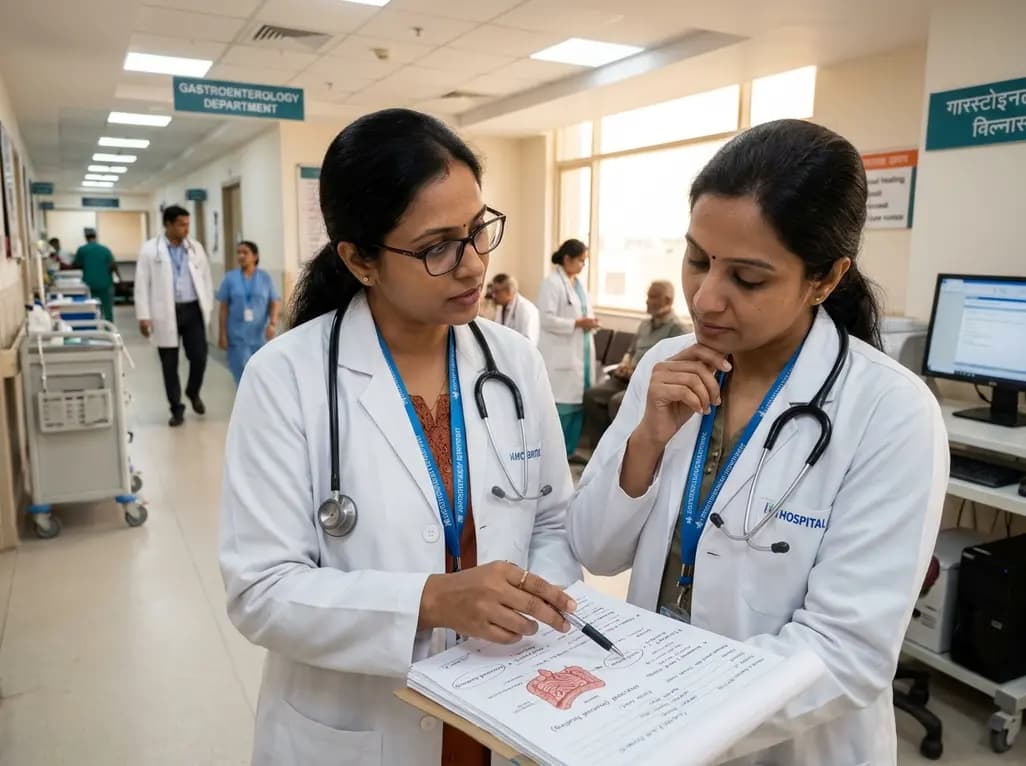
The 2026 KASID guidelines outline evidence-based recommendations for Crohn's disease medical management. Covering advanced biologics, small molecules, biosimilars, and individualized therapeutic strategies, the update helps clinicians optimize long-term remission and mucosal healing in adult patients.
Today
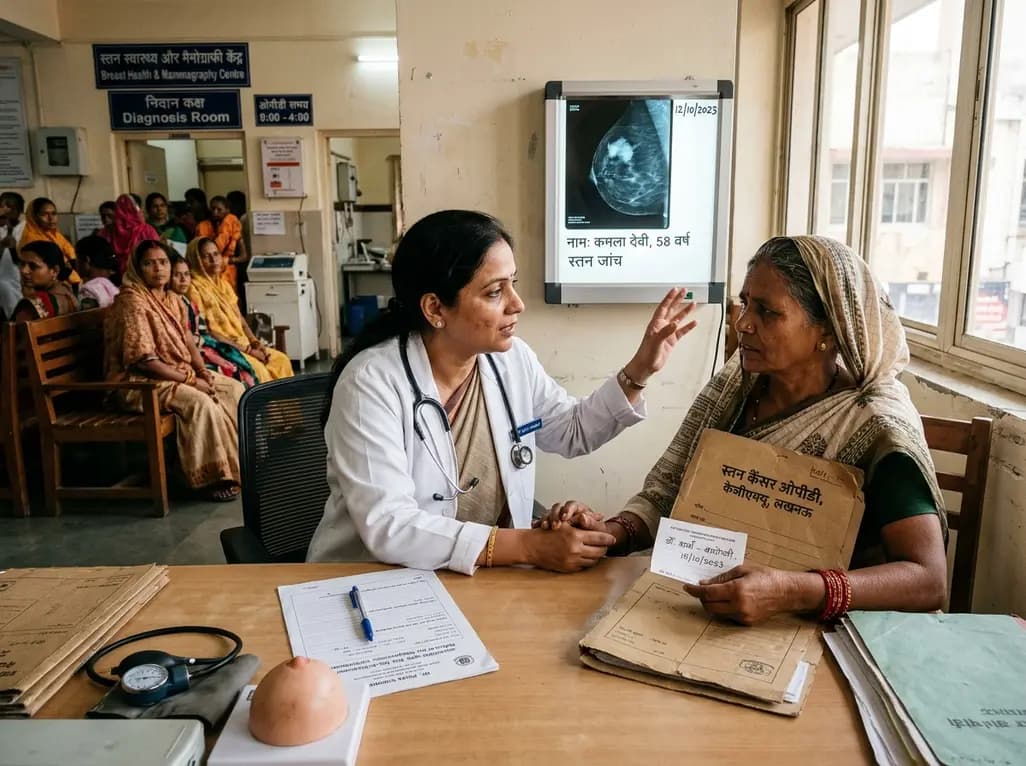
A KGMU study reveals over half of women with breast abnormalities fail to undergo diagnostic confirmation, leading to advanced-stage detection. Discover the socio-cultural barriers, clinical risks of incomplete resection, and community-level solutions needed to bridge the critical screening-to-diagnosis gap in India.
Today
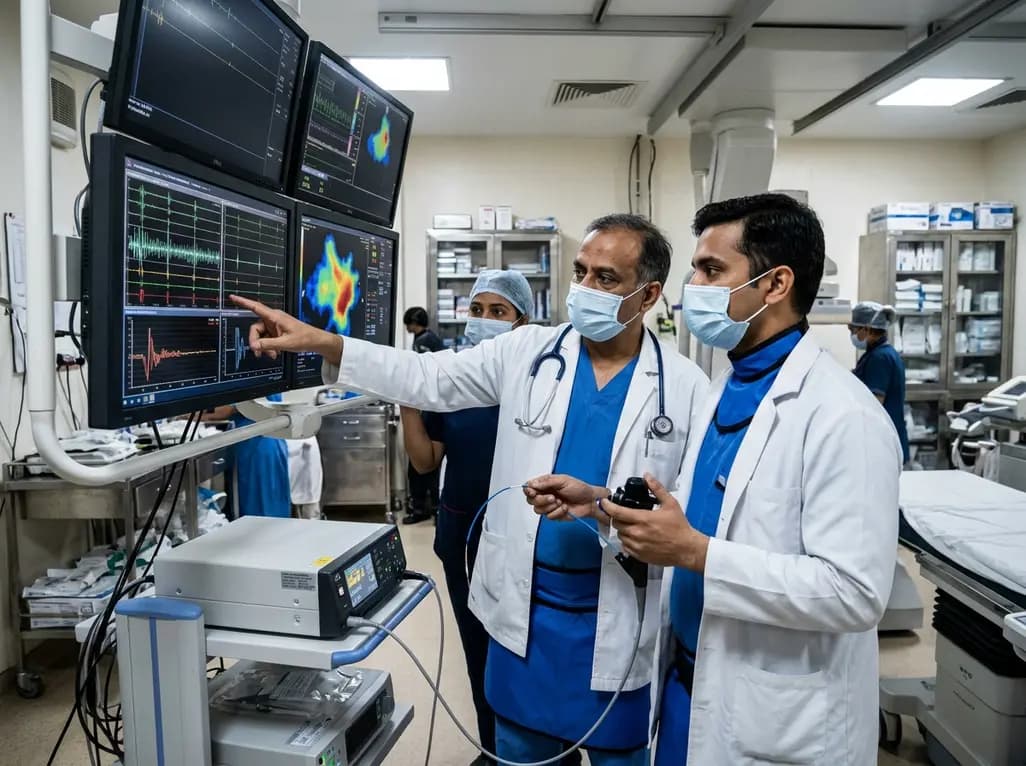
A comparative non-contact study reveals that high-power radiofrequency delivery with the QDOT MICRO catheter induces an artifactual contact force rise. Electrophysiologists must understand this power-dependent thermal and electrical phenomenon to avoid inadvertent catheter withdrawal and ineffective ablation.
Today
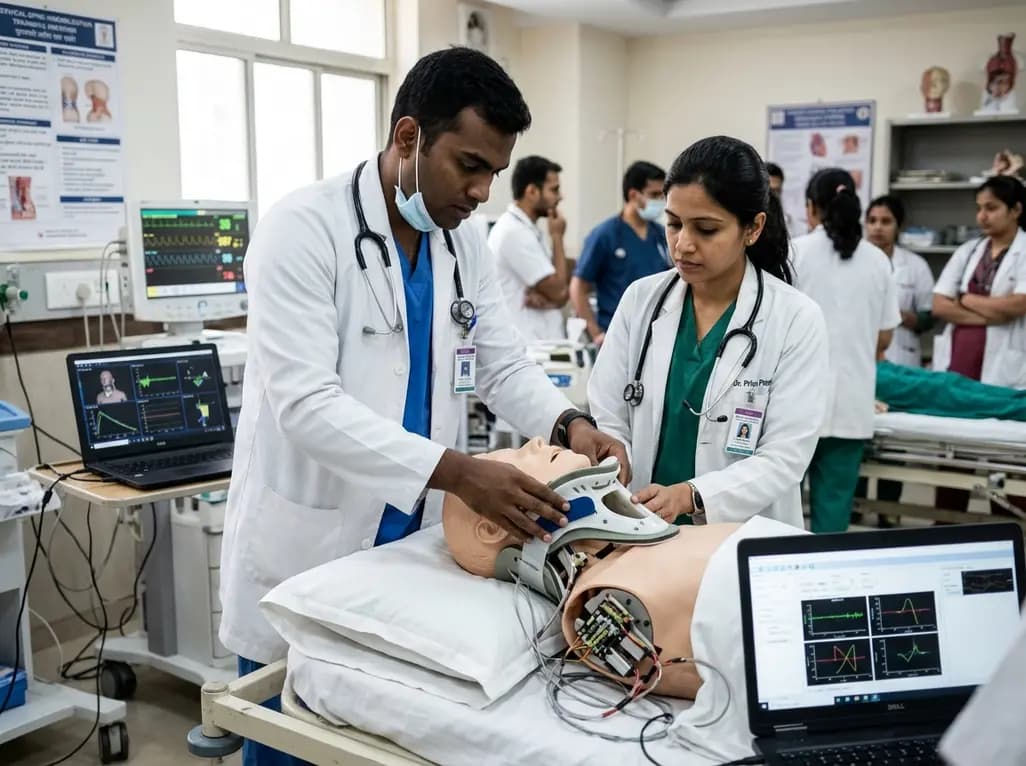
A novel proof-of-concept study presents a six-degree-of-freedom articulated manikin neck equipped with linear potentiometers. The system provides real-time kinematic motion feedback during cervical immobilisation, delivering sub-degree tracking accuracy to improve pre-hospital trauma training and patient safety.
Today
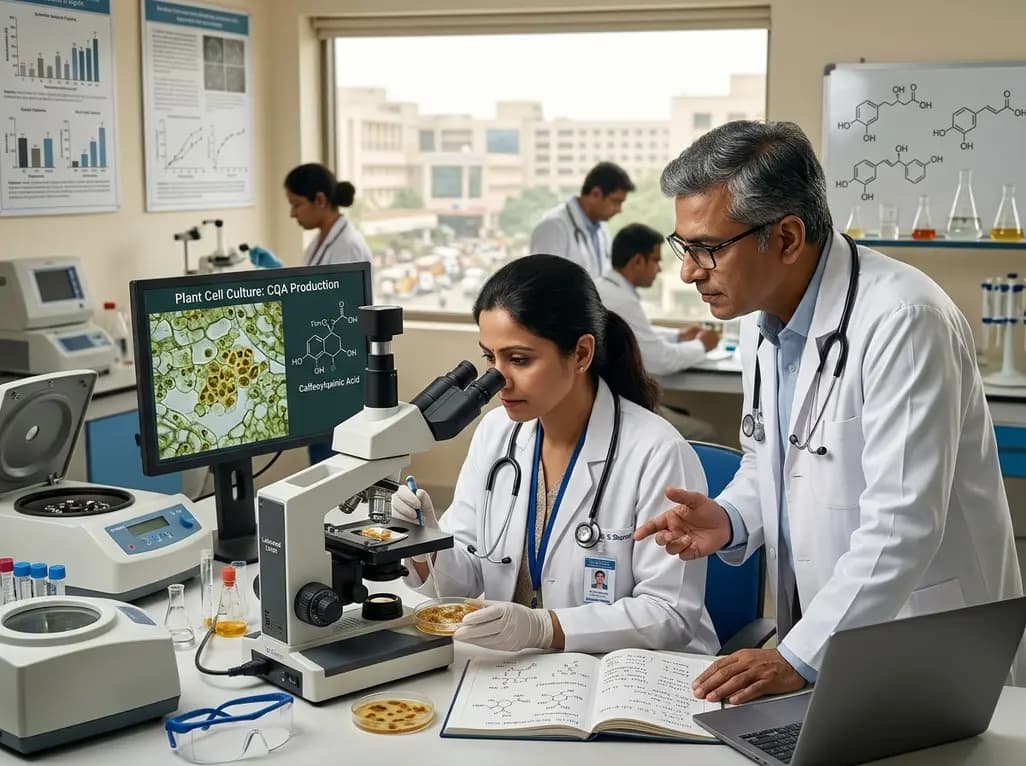
Caffeoylquinic acids, such as chlorogenic acid, offer broad antioxidant, antidiabetic, and anti-inflammatory properties. Advanced plant cell and organ culture methods now enable scalable, sustainable, and pure production of these high-value therapeutic metabolites for pharmaceutical and clinical applications.
Today
